
The classic car market has always had its royalty: the E-Types, the GTOs, the 911s that command six figures without breaking a sweat. But 2026 presents an interesting moment for enthusiasts willing to dig a little deeper.
While certain classics have climbed beyond reach, there’s a whole garage full of exceptional vehicles that haven’t received the hype they deserve. These are cars with genuine driving pleasure, interesting histories, and the kind of character that makes every trip to the hardware store feel like an event.
The hunt itself becomes part of the ownership experience, and right now, that hunt is more rewarding than it’s been in years.
1967-1973 Mercury Cougar

The Cougar deserves more credit than it gets as the Mustang’s sophisticated older sibling (especially with the Eliminator package).
Built on the same platform but stretched three inches for a more refined stance, it offered hidden headlights, sequential turn signals, and an interior that actually felt upscale for the era. The XR-7 models came with a wood-trimmed dashboard and toggle switches that made you feel like you were piloting something special. You can still find decent examples in the $20,000-$35,000 range, especially the early models before the design got bloated.
The sequential taillights alone are worth the price of admission, and unlike Mustangs, you won’t see three at every car show.
1973-1977 Oldsmobile Cutlass Supreme Colonnade
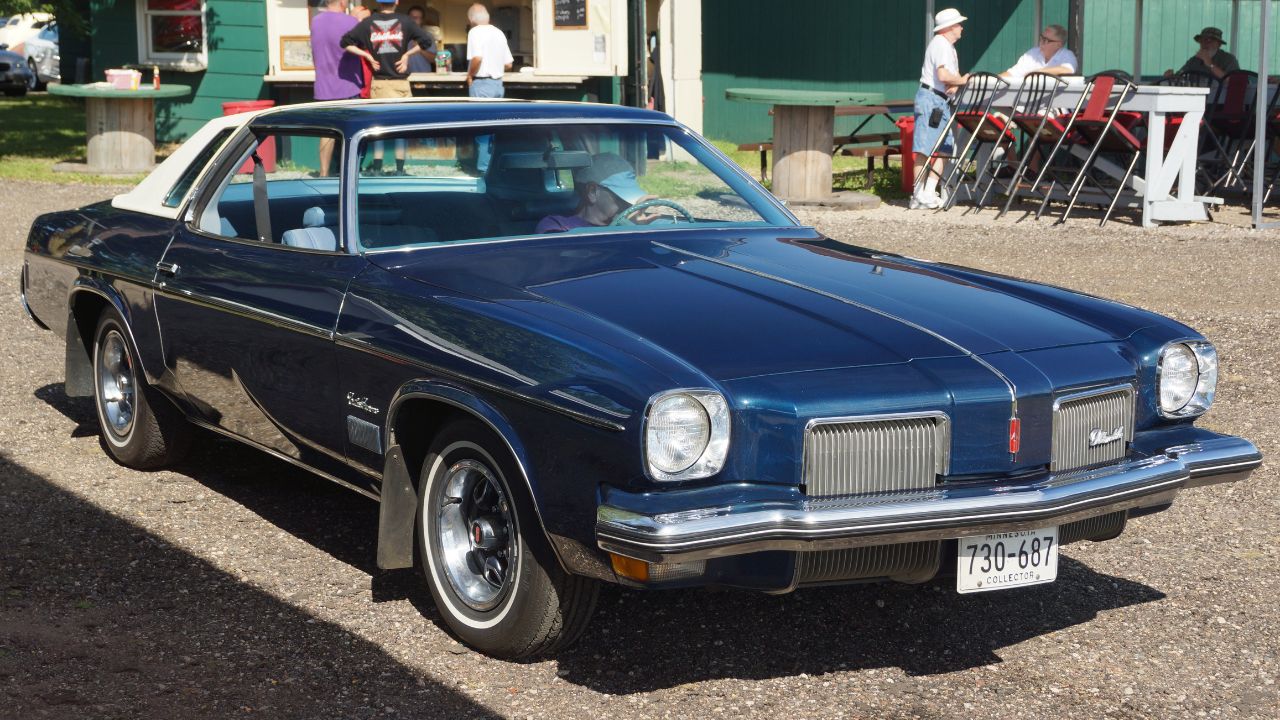
Yes, we’re talking about the malaise era, but hear this out.
The Colonnade Cutlass represents something important: the last truly beautiful American intermediate before everything went boxy. These cars had presence with their opera windows, flowing lines, and that distinctive wraparound rear glass.
The 350 was the core V8 for a good part of the run, and the 455 was an optional engine earlier in the Colonnade era (it remained available through 1976, then was replaced by the 403 for 1977), but they moved these cars with enough authority to be genuinely enjoyable. Clean examples trade between $12,000 and $25,000, and the aftermarket support is surprisingly robust.
There’s something deeply satisfying about owning a car that was once America’s best-seller but has somehow avoided becoming a cliché.
1978-1983 Porsche 928

The 928 tried to replace the 911 and failed spectacularly at that impossible task, which means it’s been living in a shadow ever since.
What it actually succeeded at was being a brilliant grand tourer with a front-mounted V8, rear transaxle, and styling that still looks futuristic today. The interior feels like a cockpit, with gauges and controls angled toward the driver in ways that made sense.
Values have been climbing but still sit in the $25,000-$50,000 range for solid examples, far below what comparable Ferraris command. Yes, maintenance exists, but if you find one that’s been properly cared for, you’re getting one of the best driving experiences of the 1980s.
1964-1970 Sunbeam Tiger

The Tiger was a Ford V8 version of the Sunbeam Alpine developed under Rootes, with Carroll Shelby involved in the project; assembly was contracted to Jensen in the UK, and somehow the Tiger never achieved the same legendary status.
These Anglo-American hybrids are genuinely fun to drive, with lightweight construction and enough power to make things interesting without being intimidating. 7,083 were built from 1964 to 1967 (all variants combined), which makes them legitimately rare. You’re looking at $50,000-$75,000 for good ones, which sounds steep until you remember that comparable Cobras live in seven-figure territory.
The Tiger gives you that same small-roadster-with-American-muscle formula without requiring a second mortgage.
1985-1989 Toyota MR2 (First Generation)

The first-generation MR2 arrived when Toyota decided to prove they could build a pure sports car, and they absolutely nailed it.
This mid-engine marvel handled like it was on rails, looked like a mini Ferrari 308 if you squinted, and came with Toyota reliability built in. The supercharged models from ’88-’89 added 145 horsepower, which was plenty in a car that weighed roughly 2,500–2,600 pounds depending on trim; Car and Driver measured 2,604 lb for the supercharged model. Clean examples run $8,000-$18,000 depending on condition and spec, making this one of the most accessible mid-engine classics available.
The pop-up headlights and wedge shape have aged beautifully, and the driving experience still feels modern enough for regular use.
1971-1974 AMC Javelin

American Motors was the underdog that wouldn’t quit, and the Javelin was their answer to the pony car wars.
The styling walked a perfect line between aggressive and elegant, especially in the later Javelin AMX models (1971–1974) with its short-deck proportions. These cars came with everything from economical inline-sixes to legitimate 401 V8s that could embarrass their Detroit competition.
The market has been slow to recognize them, with nice examples available from $15,000-$35,000. Parts availability is better than you’d expect thanks to a dedicated community.
Plus, showing up to a cruise night in something that isn’t a Mustang or Camaro has its own rewards in the right circles.
1971-1976 Jensen-Healey

The Jensen-Healey was a new Jensen roadster project backed by Donald Healey and U.S. importer Kjell Qvale, using the Lotus 907 twin-cam engine, they partnered with Lotus to create something new.
The result was a British roadster powered by a Lotus 907 twin-cam engine that could actually rev, wrapped in handsome bodywork penned by William Towns. These cars are rare in the States, with about 7,634 sold in the USA and Canada combined. That rarity keeps them off most buyers’ radar, meaning $12,000-$22,000 can land you something genuinely unusual. The driving experience leans toward the raw and mechanical, which is exactly what some enthusiasts crave.
Finding one takes patience, but that’s part of what makes it worth pursuing.
1955 Studebaker President Speedster
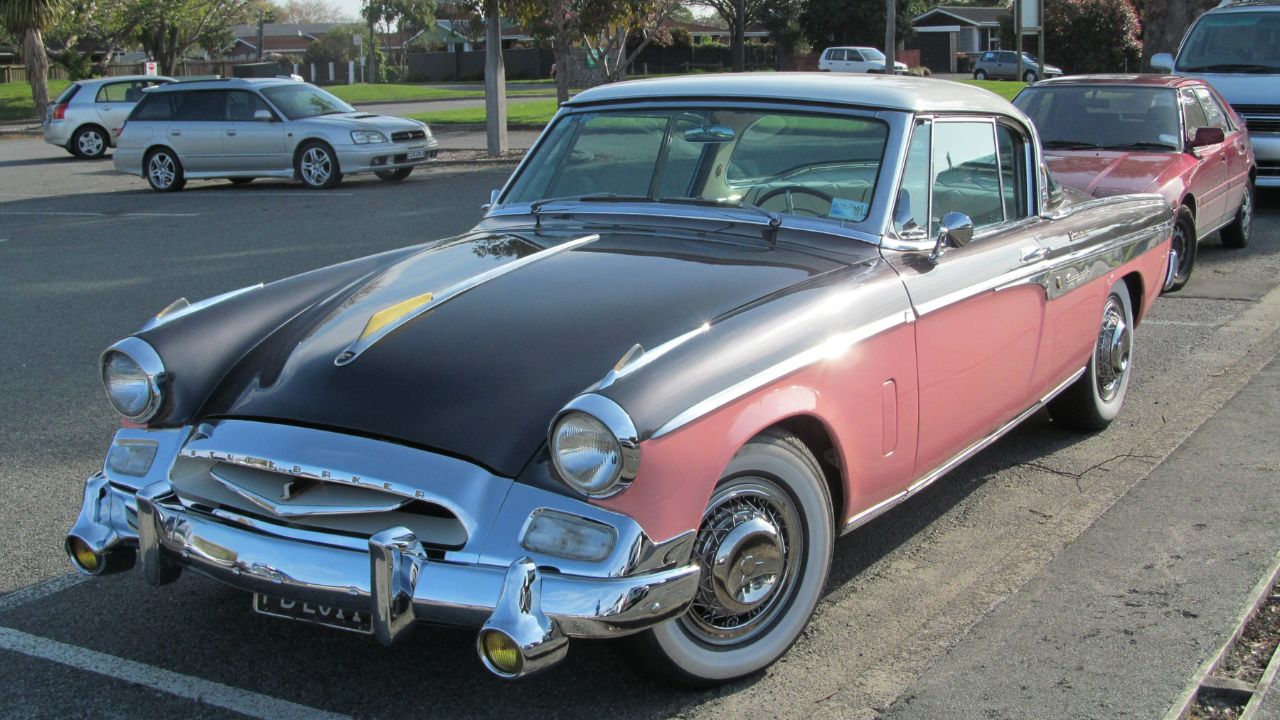
Studebaker was dying slowly, but they went down swinging with some of the most distinctively styled cars America produced.
The President Speedster combined Raymond Loewy’s elegant design work with powered by Studebaker’s 259 cu in V8 rated at about 185 hp (4-barrel, dual exhaust) that offered strong mid-1950s performance, though 0–60 times varied by test and transmission. The low-mounted grille and wrapped windshield gave these cars a look that nothing else matched.
Values hover around $25,000-$45,000 for quality examples, which seems almost generous for something this visually striking. The Studebaker community keeps parts and knowledge flowing.
These cars remind us that independent automakers sometimes took styling risks the big three wouldn’t dare.
1982-1988 BMW 635CSi
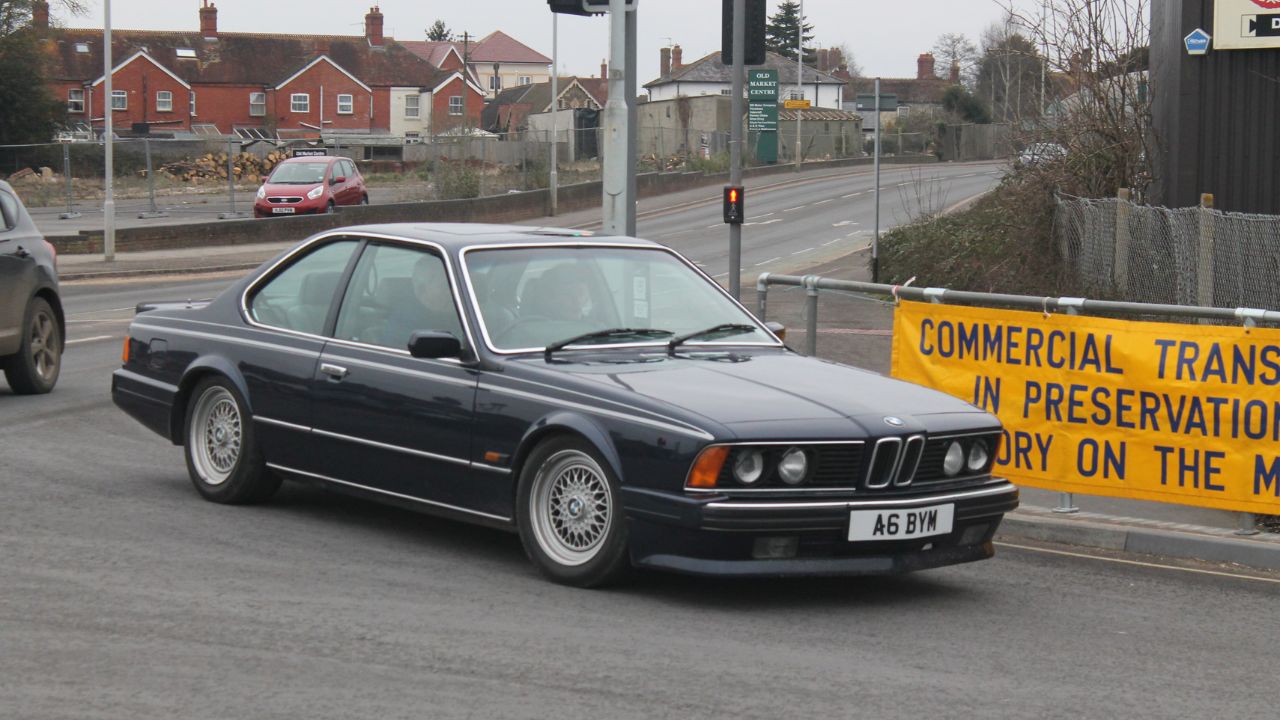
The E24 6-Series represents BMW at a perfect moment before electronics dominated everything but after they’d figured out how to build a proper grand tourer.
That inline-six sang up to redline, the interior combined leather and wood without feeling overdone, and the proportions were just right. These cars weren’t rare when new (over 86,000 E24s were built), but unmodified, well-kept examples are much harder to find today, which explains why they’re not everywhere despite being fantastic to drive.
Expect to pay $15,000-$35,000 depending on condition and documentation. The trick is finding one that hasn’t been modified into oblivion or neglected.
When you do, you get one of the best-looking BMWs ever made with an engine that loves highway miles.
1974-1981 Triumph TR7

The TR7 got unfairly labeled as the car that killed Triumph, but time has been kind to its wedge styling and pop-up headlights.
Sure, it wasn’t a TR6, but taken on its own merits, this was a competent sports car with decent handling and distinctive looks. The convertible models solved the biggest complaint about the original coupe.
Build quality varied wildly depending on which factory assembled them, so inspection matters more than usual. Values sit comfortably in the $8,000-$18,000 range for sorted examples. The aftermarket has matured considerably, making ownership more practical than it used to be.
It overcame a negative reputation and deserves more respect.
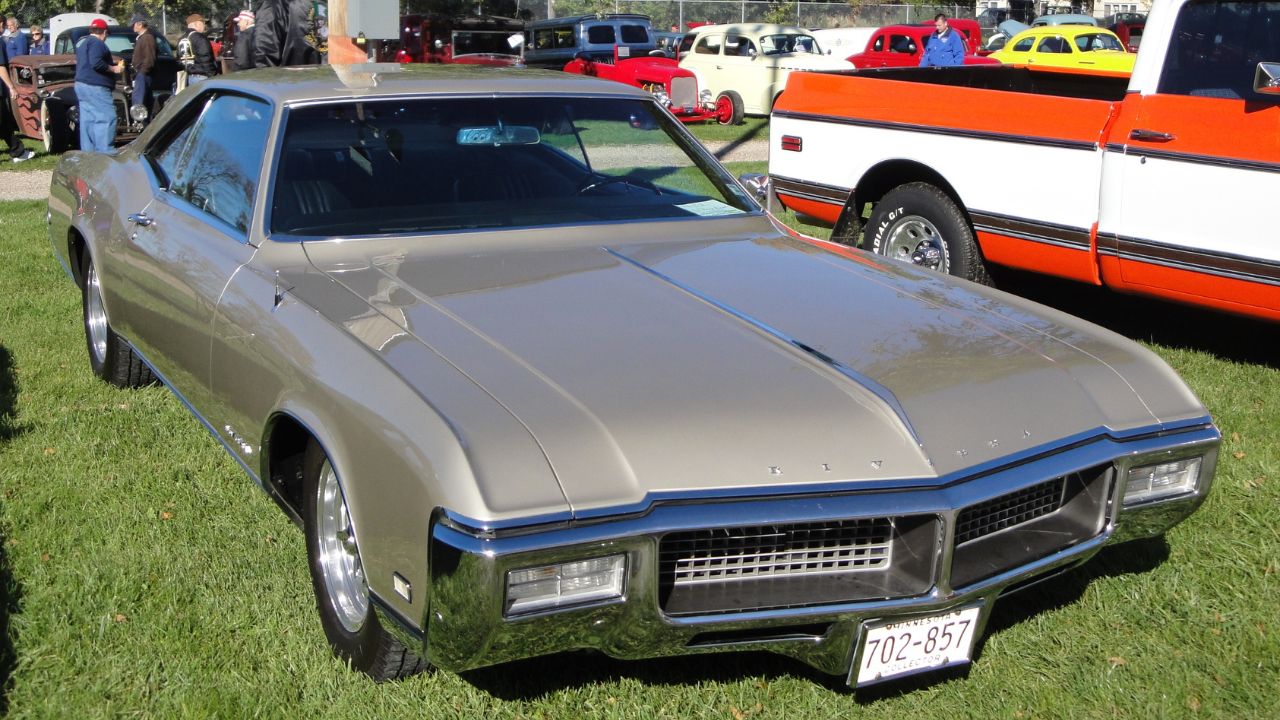
1963-1970 Buick Riviera (First and Second Generation)
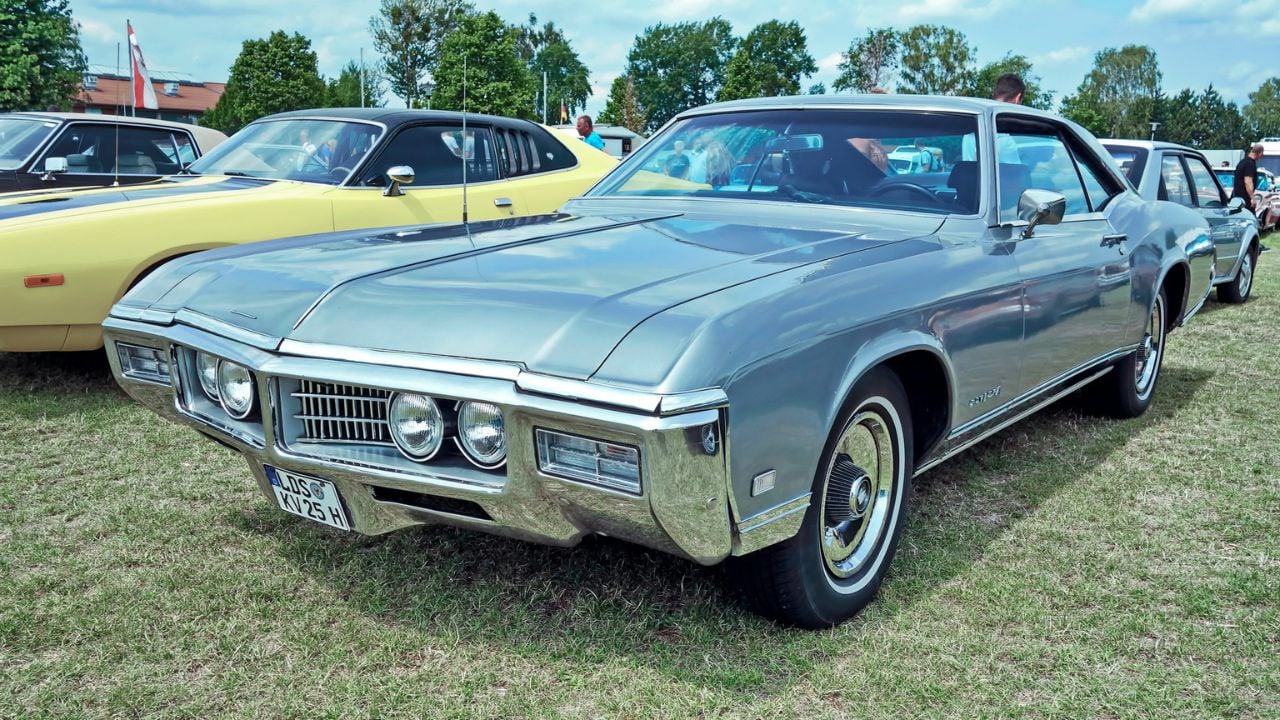
Bill Mitchell designed the first Riviera to be Buick’s personal luxury statement, and he created something genuinely stunning.
The hidden headlights, clean lines, and powerful stance made this car look expensive without trying too hard. The second generation added flowing boat-tail rear styling that divided opinions then and still does now.
These were substantial cars with V8s included the 401 and 425 Nailhead early on, and the 430 big-block arrived for 1967, so they moved with authority. Quality examples range from $20,000-$45,000 depending on year and condition.
The combination of luxury, performance, and distinctive styling makes these Rivieras feel special in ways modern cars struggle to match.
1970-1973 Plymouth Duster 340

The Duster gave Plymouth a compact muscle car that regular people could actually afford, and the 340-powered versions delivered genuine performance.
These cars were lighter than their B-body cousins, which meant In 1970–71 trim the 340 was rated at 275 hp (gross); for 1972 the rating dropped (e.g., 245 hp) under changing specs and standards could really work its magic. The fastback styling has aged remarkably well, managing to look purposeful without the cartoonish aggression some muscle cars adopted.
Clean examples run $25,000-$45,000, which puts them below comparable Cudas and Road Runners. Parts are plentiful, the aftermarket is strong, and nobody will question whether you’re driving something legitimate.
The Duster 340 represents what muscle cars were supposed to be: accessible performance wrapped in good-looking sheetmetal.
Conclusion
The classics listed here share something beyond their relative affordability , they all offer authentic driving experiences that connect you to automotive history in meaningful ways. None of these cars will make you instantly popular on social media, and that’s actually part of their appeal.
They require patience to find, knowledge to maintain, and confidence to drive. But for enthusiasts who appreciate the journey as much as the destination, these overlooked classics provide opportunities that are increasingly rare in today’s market. The hunt in 2026 rewards those willing to look beyond the usual suspects and discover cars with stories worth telling.