
The 1970s gave us muscle cars, oil crises, and some truly wild automotive experiments. While everyone’s chasing Camaros and Corvettes at auctions, there’s a whole world of fascinating machines from that decade that fly under the radar.
These overlooked cars offer character, quirky engineering, and surprisingly solid performance without the six-figure price tags. Some were ahead of their time, others were wonderfully weird, and a few were just plain misunderstood.
Alright, time to check out these gems from the ’70s that deserve more love from collectors.
AMC Gremlin

The Gremlin gets mocked for its chopped-off rear end, but this little oddball was actually pretty clever. AMC created it by literally cutting down a Hornet to compete in the subcompact market, and it worked.
With optional V8 power, the Gremlin could surprise unsuspecting muscle cars at stoplights, and its quirky styling has aged into legitimate charm. You could get one with a 304 cubic inch V8 that made around 150 horsepower, which was respectable for the era.
While collectors chase AMX models, clean Gremlins remain affordable and are starting to earn respect as honest, unpretentious American compacts.
Triumph TR7

The wedge-shaped TR7 was supposed to be Triumph’s answer to modern sports car design, and while it had production issues, the driving experience was genuinely fun. Its “wedge” design was polarizing, earning the tagline “The Shape of Things to Come,” though reliability concerns overshadowed its decent handling.
The four-cylinder engine produced about 92 horsepower in North American spec, which sounds modest but kept the car nimble and engaging. Later TR8 models got a V8, but even the standard TR7 offers an accessible entry into British sports car ownership.
These days, you can find them for a fraction of what you’d pay for an MGB or Spitfire.
Datsun 710
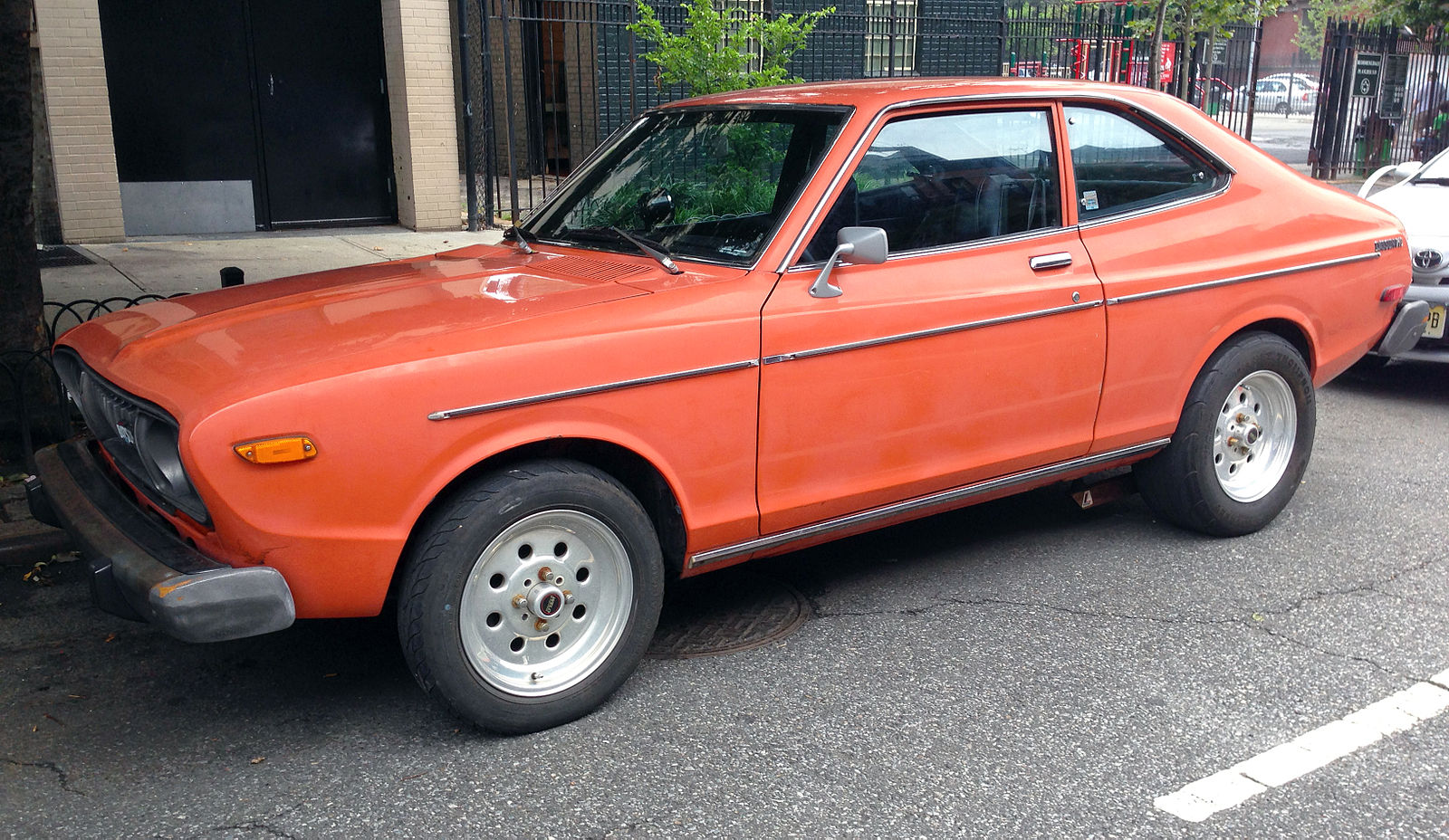
Before the 240Z became a collector darling, Datsun was building sensible sedans that happened to be incredibly well-engineered. The 710 was a reliable, practical sedan that competed with Toyota Corollas but somehow never achieved the same nostalgic status.
Its 2.0-liter engine made around 94–97 horsepower (SAE net), depending on emissions spec and could reliably cruise all day without complaint. The wagon versions are particularly appealing today, offering classic lines and surprising cargo space.
While collectors obsess over Z-cars, the humble 710 represents Datsun’s commitment to quality without demanding classic car prices.
Mercury Capri II
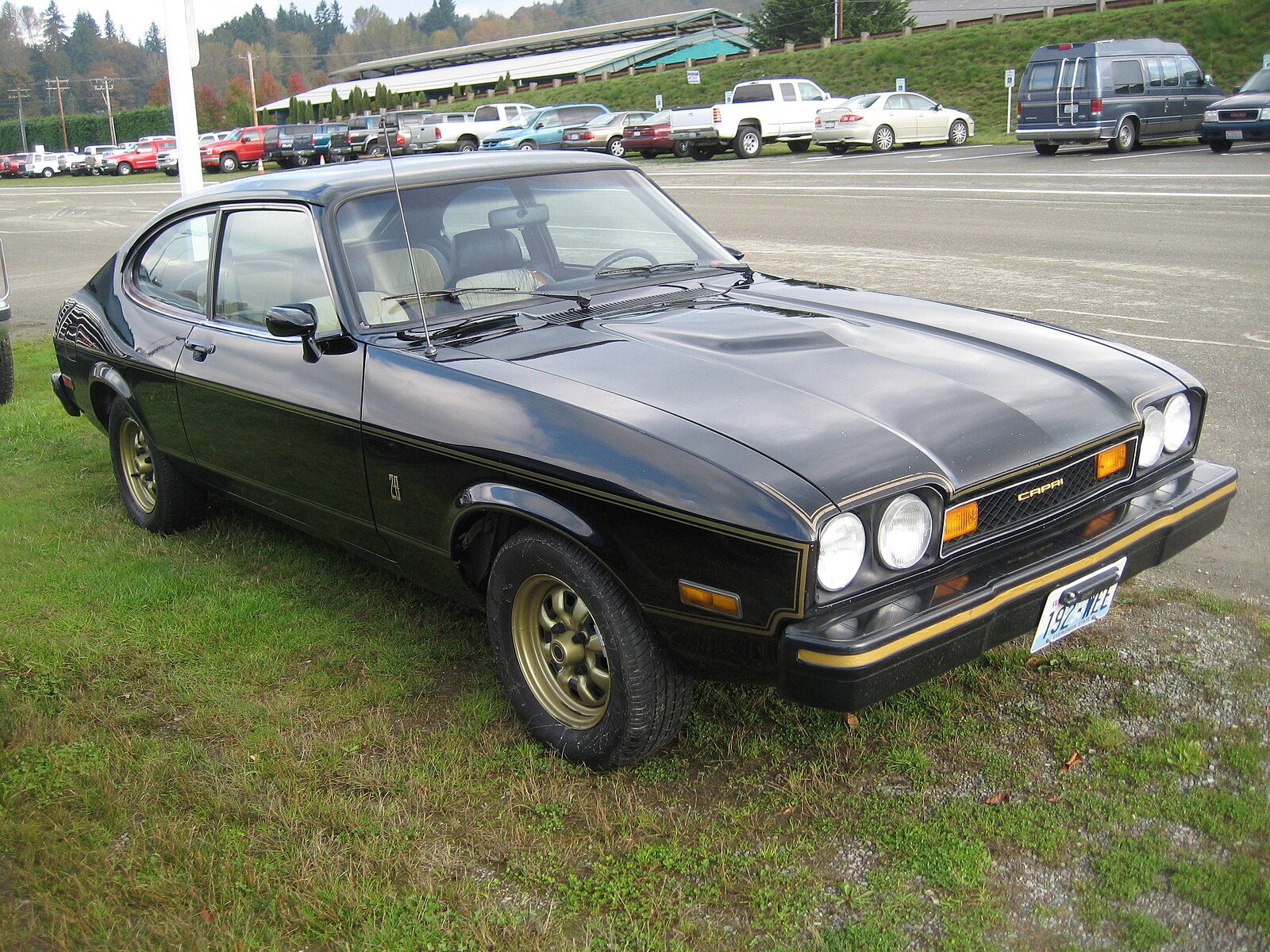
Sold through Mercury dealers, the Capri II was a captive import from Ford of Europe rather than a traditional American pony car. Built in Germany, it brought European hatchback styling and a more refined driving feel to the U.S. market at a time when domestic performance cars were shrinking.
Power came from sensible options like the 2.3-liter four-cylinder or an optional 2.8-liter V6, prioritizing balance and fuel economy over straight-line speed.
While it never tried to compete directly with muscle cars, the Capri II offered tidy handling, distinctive fastback styling, and a level of character that set it apart from its American contemporaries. Overshadowed by Mustangs and later fox-body Capris, the Capri II remains an overlooked slice of 1970s transatlantic automotive history.
Fiat X1/9
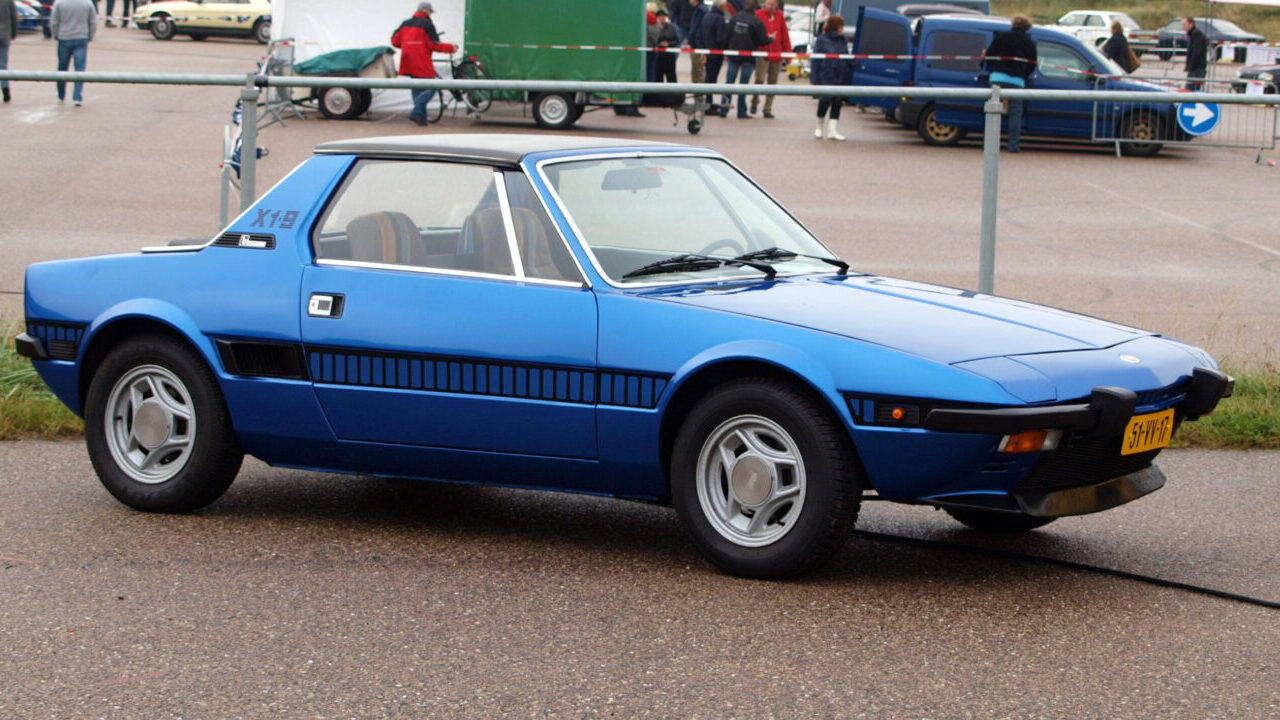
This mid-engine, targa-topped Italian was designed by Bertone and offered sports car thrills in an affordable package. With just about 75 horsepower from its 1.5-liter engine, the X1/9 wasn’t about straight-line speed but rather handling and driver engagement.
The mid-engine layout gave it phenomenal balance, making it a blast on twisty roads. Its removable roof panel predated the Miata’s popularity by decades and offered open-air driving without sacrificing structural rigidity.
While Fiat’s rust reputation scared some buyers away, well-maintained examples prove that proper Italian sports cars don’t need big price tags.
Plymouth Volaré
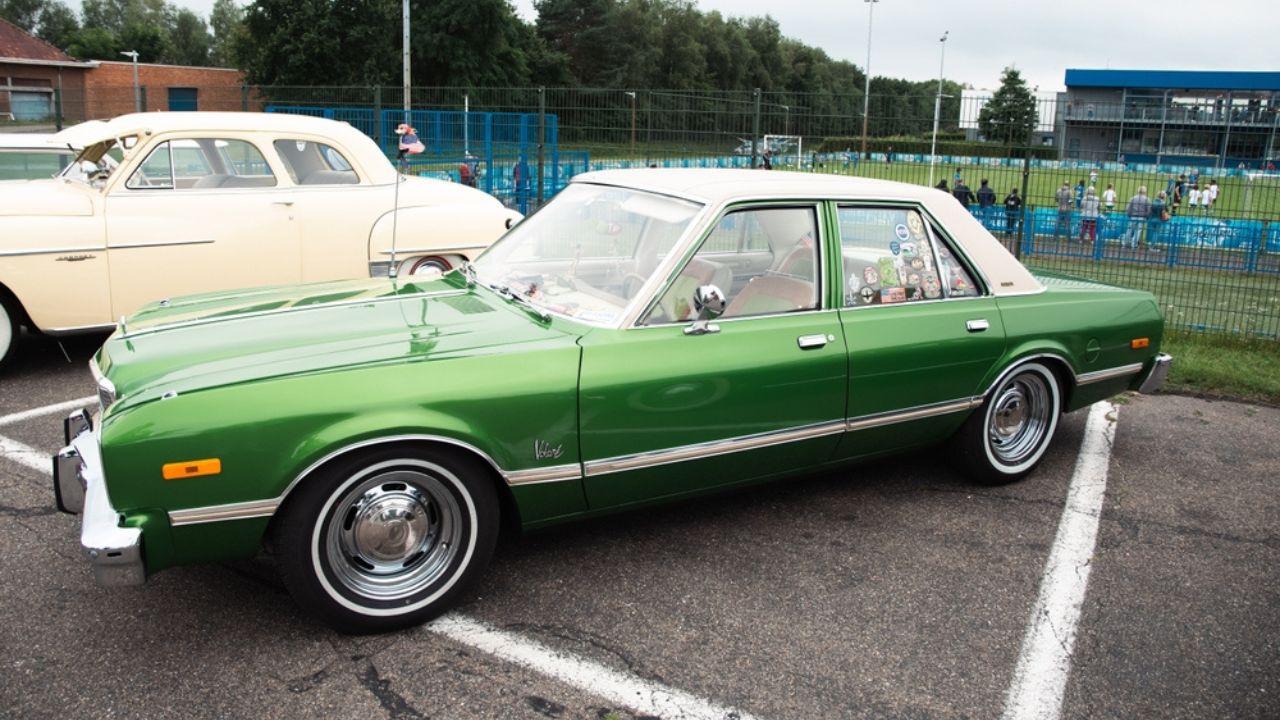
The Volaré replaced the beloved Valiant and initially suffered quality issues, but the platform itself was quite capable. Once Chrysler sorted out the early problems, these became solid, dependable cars with comfortable rides.
You could option them with everything from slant-six engines to 360 cubic inch V8s making around 160–170 horsepower (SAE net), depending on year/trim. The Road Runner package added some muscle car DNA to a practical body, creating an interesting sleeper.
Earlier Mopars often get all the love, but clean examples represent affordable entry into Chrysler performance heritage.
Subaru BRAT
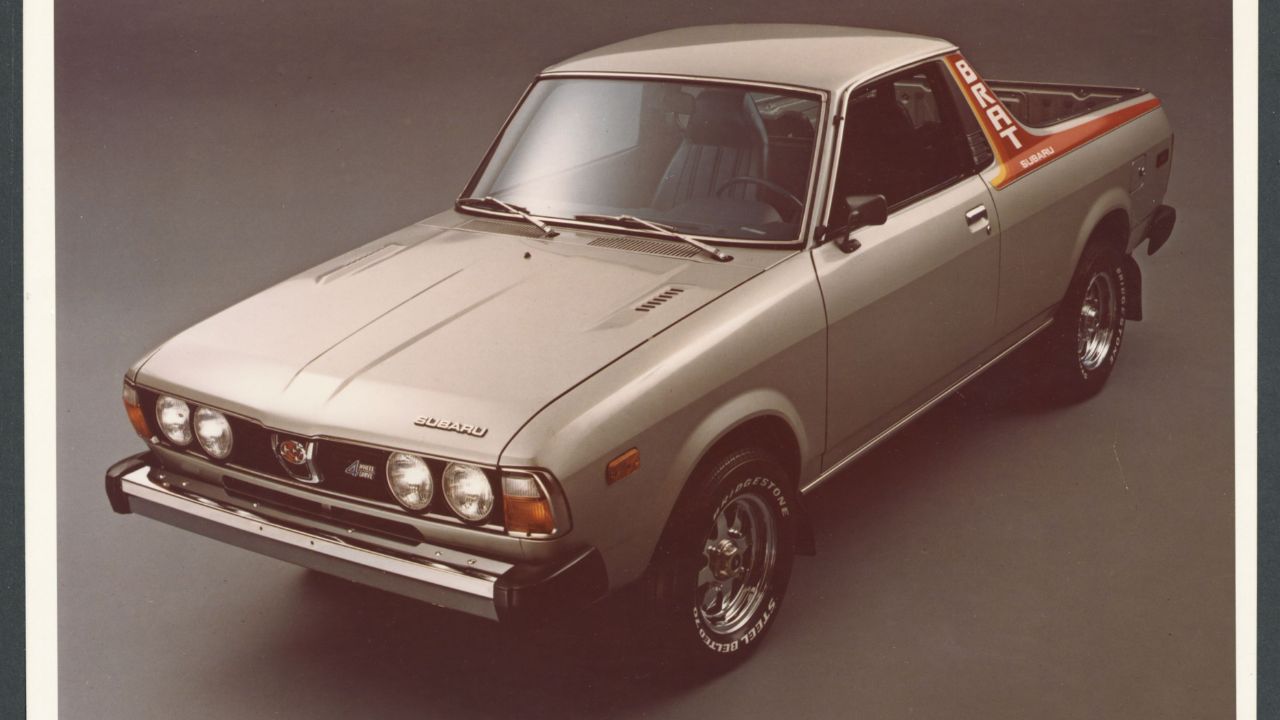
Before Subaru became synonymous with crossovers, they built a compact pickup truck with rear-facing jump seats in the bed. The BRAT (Bi-drive Recreational All-terrain Transporter) cleverly avoided the chicken tax by including those seats, classifying it as a passenger vehicle.
Its four-wheel drive system was ahead of its time for a small truck, and the about 67 horsepower from its flat-four engine was adequate for the lightweight body. The quirky design and practical utility made it perfect for outdoor enthusiasts.
Today, rust-free BRATs are increasingly hard to find, but they remain much more affordable than vintage Toyota trucks.
Alfa Romeo Alfetta
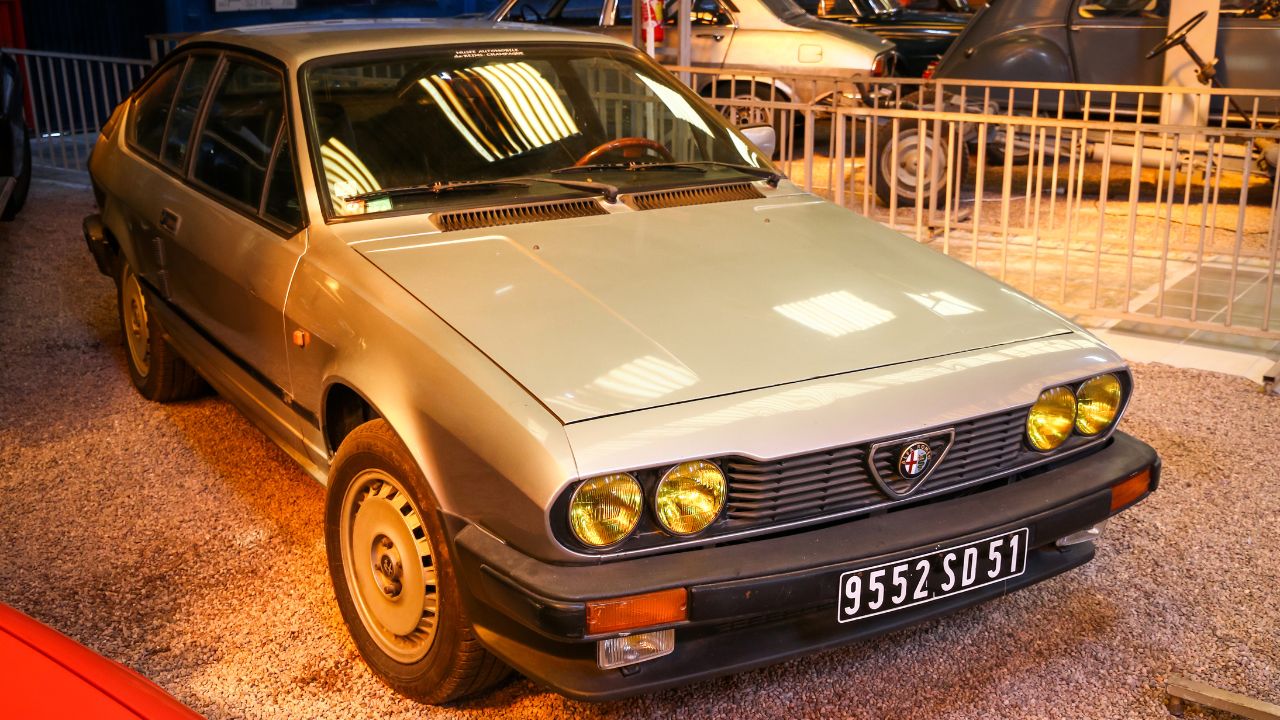
The Alfetta brought Italian performance engineering to the sedan market with its unique transaxle layout for perfect weight distribution. Named after Alfa’s successful racing cars, it featured a rear-mounted transmission that helped achieve 50/50 balance.
The four-cylinder engine produced around 109-130 PS but delivered smooth power and that distinctive Alfa character. Its handling was exceptional for a sedan, rewarding drivers who appreciated precise steering and responsive chassis dynamics.
While collectors chase Spiders and GTVs, the Alfetta sedan offers genuine Alfa driving pleasure without the premium prices.
Chevrolet Vega GT

The Vega had serious quality issues at launch, but the GT version with its sport suspension and styling upgrades was actually entertaining to drive. Its aluminum-block four-cylinder was innovative if flawed, producing around 85 horsepower (SAE net) in typical mid-’70s GT spec (varies by year/engine option).
The lightweight body and decent handling made it competitive in autocross and club racing. Many enthusiasts have discovered that dropping in a small-block V8 turns the Vega into a genuine pocket rocket.
Sure, the reputation keeps values low, but that means more opportunity for builders and drivers who want an affordable project.
Peugeot 504
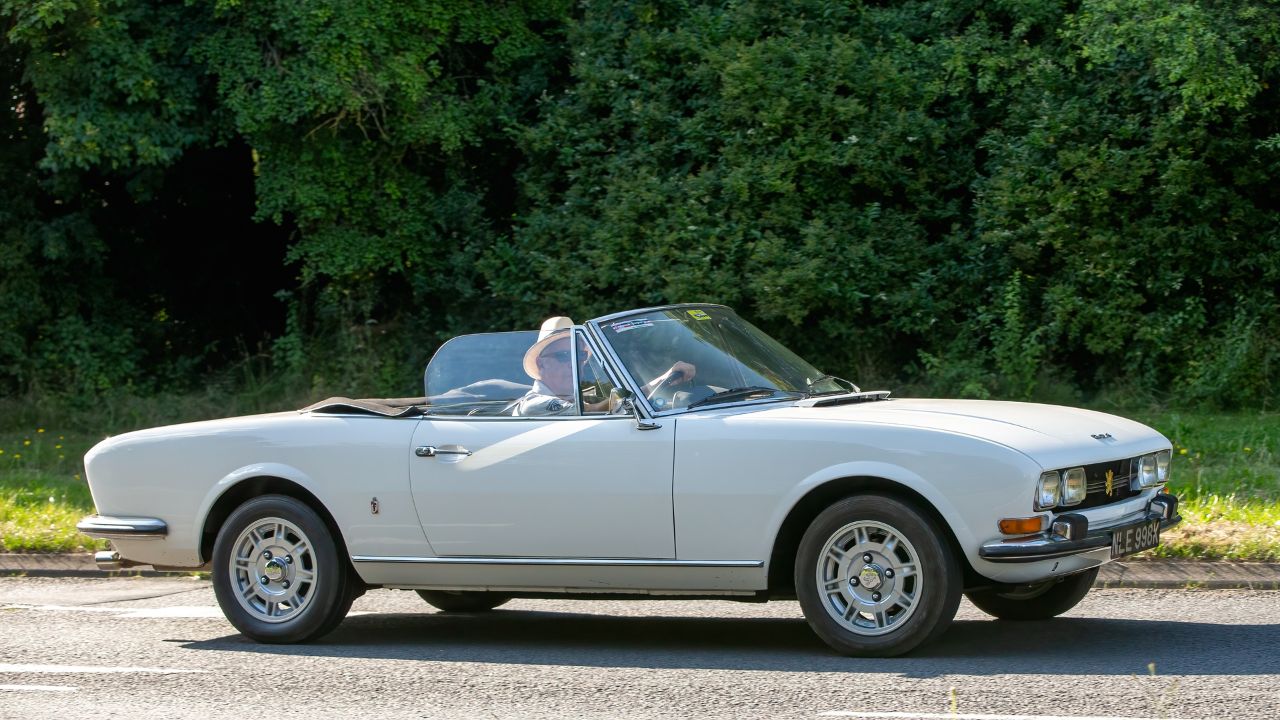
French engineering excellence doesn’t get enough credit in American collector circles, and the 504 proves that point beautifully. This sedan won European Car of the Year and featured independent suspension, comfortable seating, and surprisingly robust construction.
The fuel-injected four-cylinder made around 96 horsepower but delivered smooth, refined power delivery. Its ride quality was exceptional, combining European handling with comfortable long-distance cruising.
While Citroëns get the quirky attention, the 504 represents practical French design that actually worked reliably in American conditions.
Mazda RX-3

Before the RX-7 became a rotary icon, Mazda built the smaller RX-3 with the same spinning triangle magic. U.S.-market RX-3s used the larger 12A rotary, with published outputs closer to about 90 horsepower in North American spec; the engine’s willingness to rev was a big part of the appeal.
Racing versions dominated their classes in IMSA competition, proving the chassis was more than just economical transportation. The coupe and wagon versions offer distinctive styling that stands out from typical Japanese offerings.
Collectors focus on RX-7s and leave these earlier rotaries as affordable alternatives with genuine motorsport heritage.
Volvo 242 GT
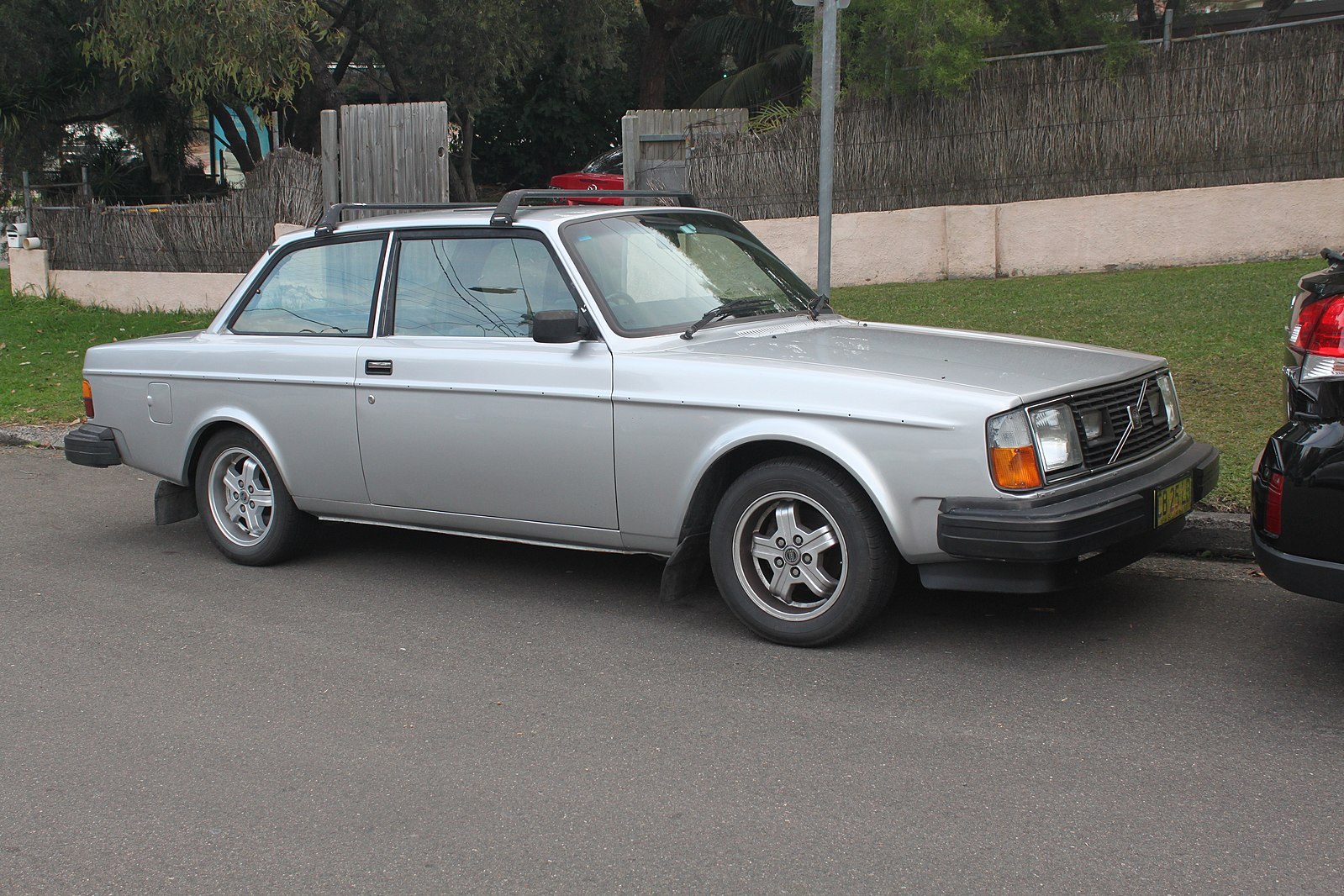
Volvo built a reputation on safety and practicality, but the 242 GT showed they understood driving dynamics too. This special edition featured unique aerodynamic bodywork, sport suspension, and distinctive alloy wheels.
The fuel-injected four-cylinder produced around produced about 123 hp in fuel-injected B21E form (outputs varied by market and rating standard) and delivered surprisingly spirited performance. Its handling was sharp for a Volvo, rewarding drivers who pushed it through corners.
While 240-series cars are common, finding a genuine GT with its special equipment is increasingly difficult, yet they remain affordable compared to BMW 2002s.
Conclusion

These twelve overlooked machines from the 1970s prove that collector appeal isn’t always about what’s most expensive or most famous. Each offers something special, whether it’s innovative engineering, quirky charm, or genuine driving pleasure that got overshadowed by flashier contemporaries. The best part about exploring these forgotten gems is that you can actually afford to buy one, drive it, and enjoy it without worrying about depreciation or astronomical restoration costs. As the collector car market continues evolving, smart enthusiasts are discovering that sometimes the most rewarding classics are the ones everyone else walked past.