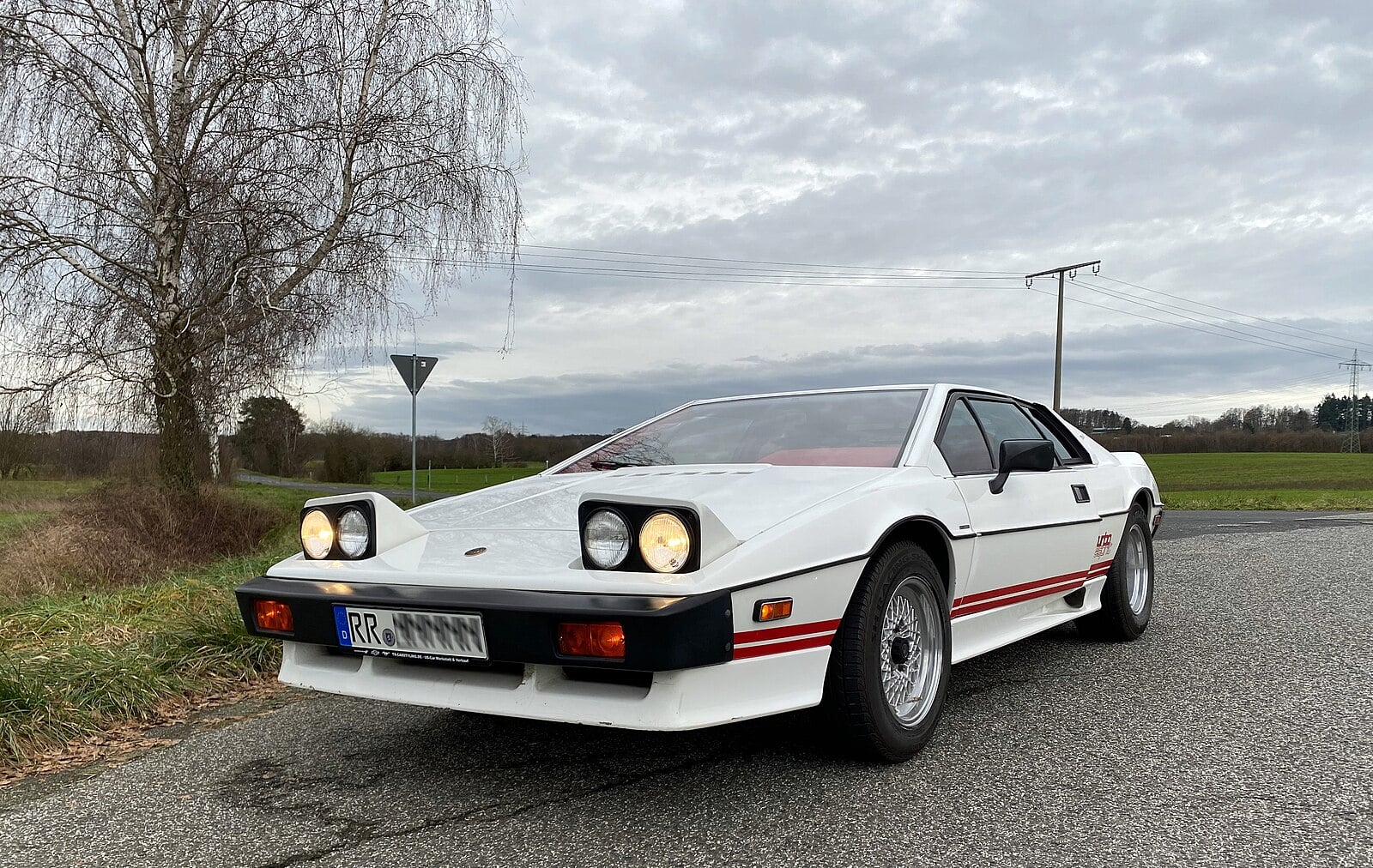
Pop-up headlights represent one of the most charismatic design choices to ever grace a sports car. Pop-up headlights first appeared on production cars as early as the 1930s and became popular on sports cars from the 1960s onward as an aerodynamic and packaging solution and became a beloved style signature through the 1990s before safety regulations and changing tastes sent them into history.
These retractable gems gave cars an unforgettable personality, transforming sleek daytime profiles into wide-eyed nocturnal predators with the flip of a switch. The good news for enthusiasts today is that many of these icons have depreciated into surprisingly affordable territory.
Whether you’re drawn to Japanese legends or European exotics, the pop-up headlight era offers some genuine performance bargains that still turn heads on every drive.
Mazda MX-5 Miata
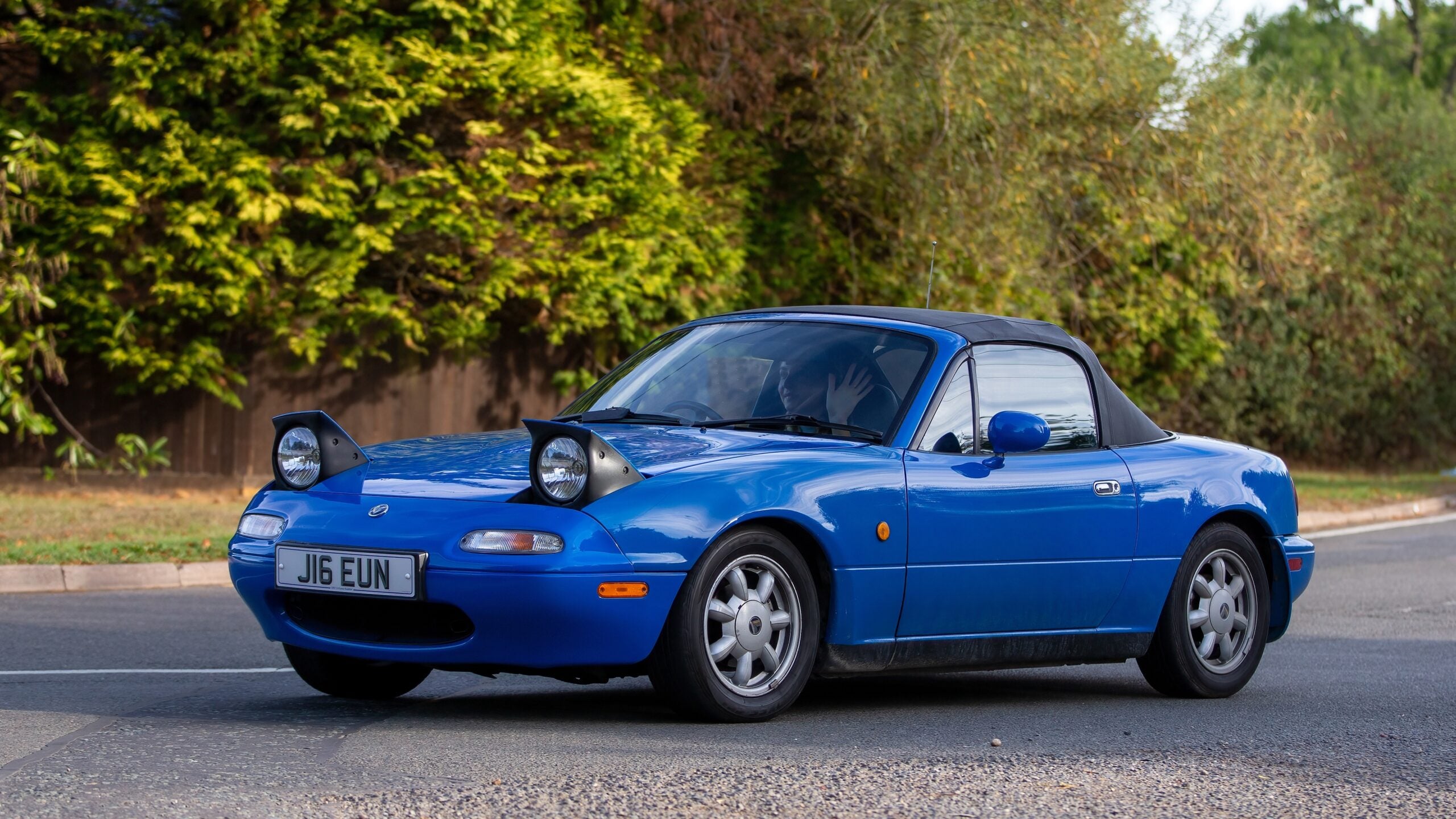
The original Miata wrote the book on affordable sports car fun, and those pop-up headlights gave it an eternally cheerful expression that matched its playful character perfectly. With prices for clean examples ranging from $5,000 to $12,000, the NA Miata remains one of the most accessible entry points into classic sports car ownership.
Its 1.6-liter or 1.8-liter four-cylinder engine won’t set any speed records, but the lightweight chassis and perfect 50/50 weight distribution deliver driving enjoyment that punches well above its modest 116–128 horsepower in U.S.-market form. Parts availability is excellent, the aftermarket is massive, and the community support means you’ll never struggle to find help or upgrades.
This is the car that proved you don’t need overwhelming power to have an absolute blast on a winding road.
Chevrolet Corvette C4
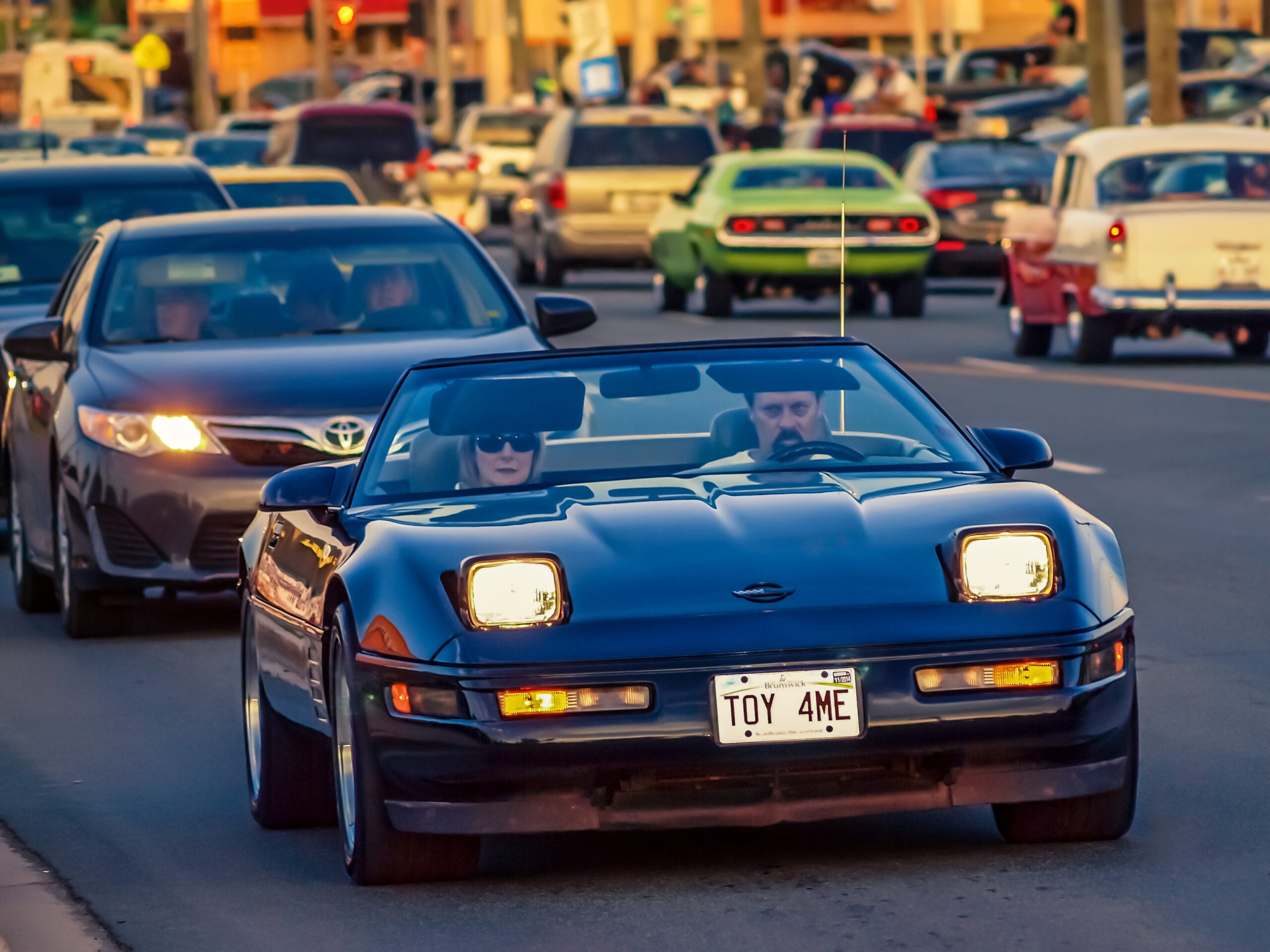
America’s sports car spent over a decade sporting pop-up headlights in its C4 generation, and these angular performers represent remarkable value today. You can find solid examples starting around $6,000 to $15,000, with later models and special editions commanding premium prices.
The C4 brought digital dashboards, improved handling, and respectable power ranging from 205 to 405 horsepower depending on the year and variant. While early models had some quirky characteristics, the later years refined the formula into a genuinely capable sports car.
The distinctive wedge shape and those flip-up lights give it unmistakable road presence that still looks purposeful decades later.
Toyota MR2
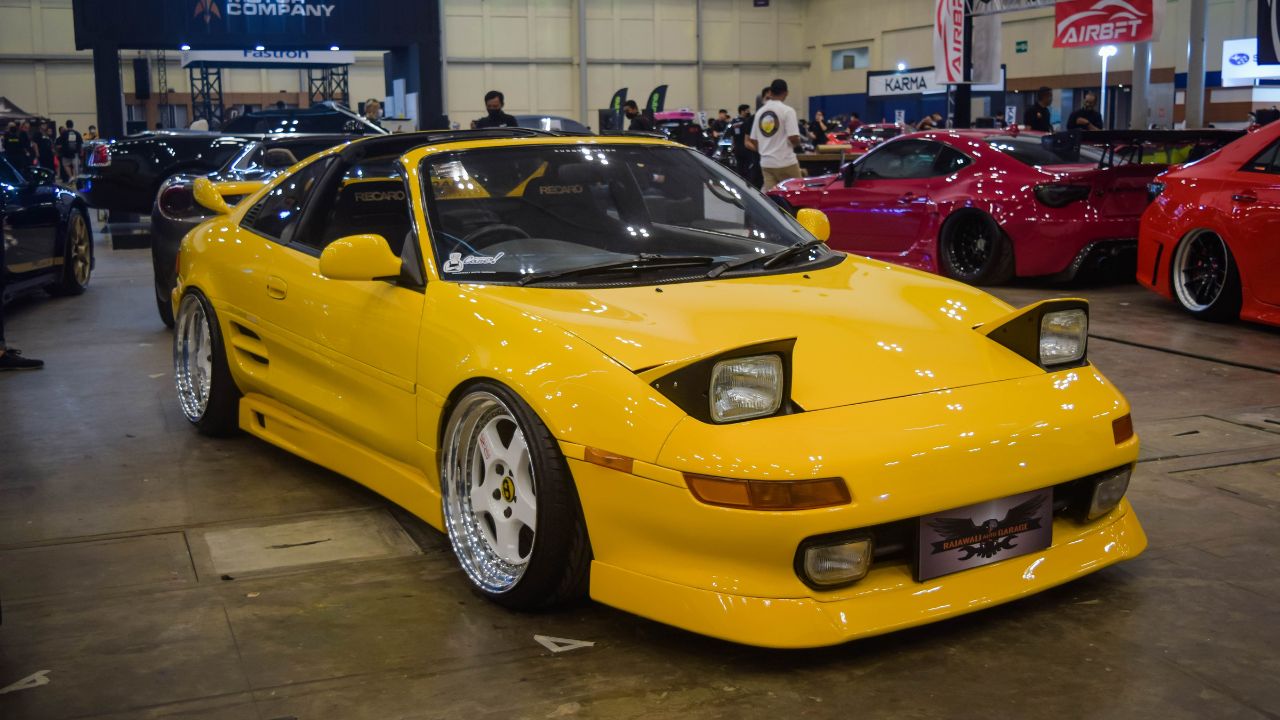
Toyota’s mid-engine masterpiece combined exotic layout with Japanese reliability, all wrapped in sharp bodywork punctuated by sleek pop-up headlights. The second-generation MR2 can be found for $8,000 to $18,000, with turbocharged models naturally sitting at the higher end of that spectrum.
This rear-wheel-drive rocket ship offered handling dynamics that could embarrass cars costing many times more, thanks to its mid-mounted engine and well-sorted suspension geometry. In U.S.-market form, the turbocharged 2.0-liter four-cylinder produced 200 horsepower and delivered thrilling performance that still feels quick by modern standards.
Finding clean examples requires patience, but the driving experience rewards that search with pure enthusiast satisfaction.
Nissan 240SX
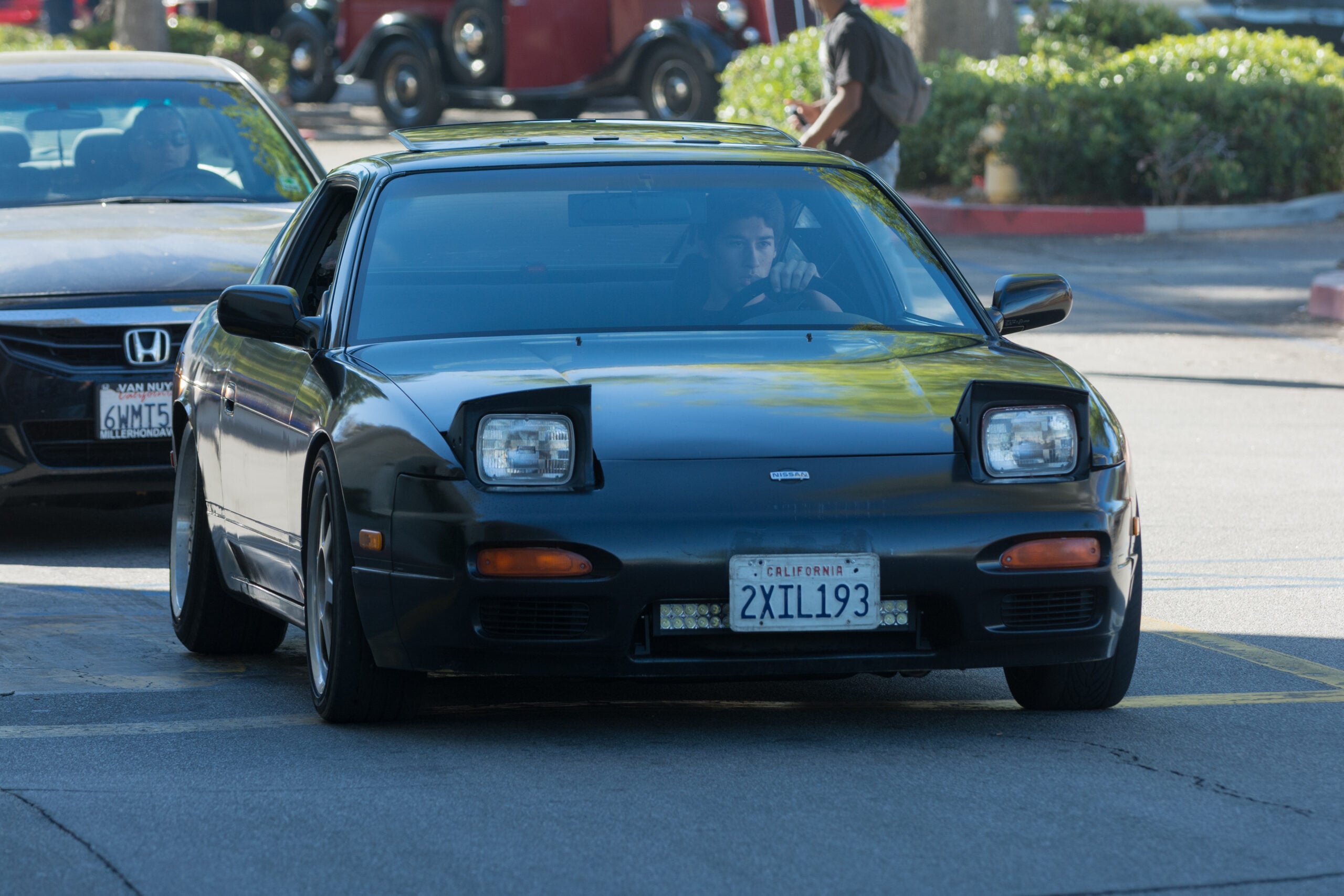
The 240SX built a cult following thanks to its rear-wheel-drive layout, balanced chassis, and those clean pop-up headlights that defined early 90s Japanese sports car styling. Budget-conscious buyers can enter ownership for $5,000 to $12,000, though pristine unmodified examples command more respect these days.
Later versions of the naturally aspirated 2.4-liter four-cylinder made around 155 horsepower, but the chassis balance and drift-friendly characteristics made it a tuner favorite. Many examples have been modified over the years, so finding stock cars takes extra effort but often proves worthwhile.
The pop-up headlights on the S13 give it a cleaner front end than the fixed-light S14 that followed, adding to its lasting appeal.
Pontiac Fiero GT

At the time, General Motors’ only mass-produced mid-engine car featured distinctive pop-up headlights and offered genuine sports car thrills at economy car prices. Today’s market reflects that accessibility, with decent examples available from $4,000 to $10,000 depending on condition and year.
The later models with the 2.8-liter V6 provided the best performance, while the improved suspension in 1988 finally delivered the handling the platform deserved. Despite its troubled early reputation, the Fiero represents an interesting piece of American automotive experimentation with styling that still looks fresh.
Those pop-up headlights and wedge profile give it visual drama that belies its humble mechanical origins.
Mazda RX-7
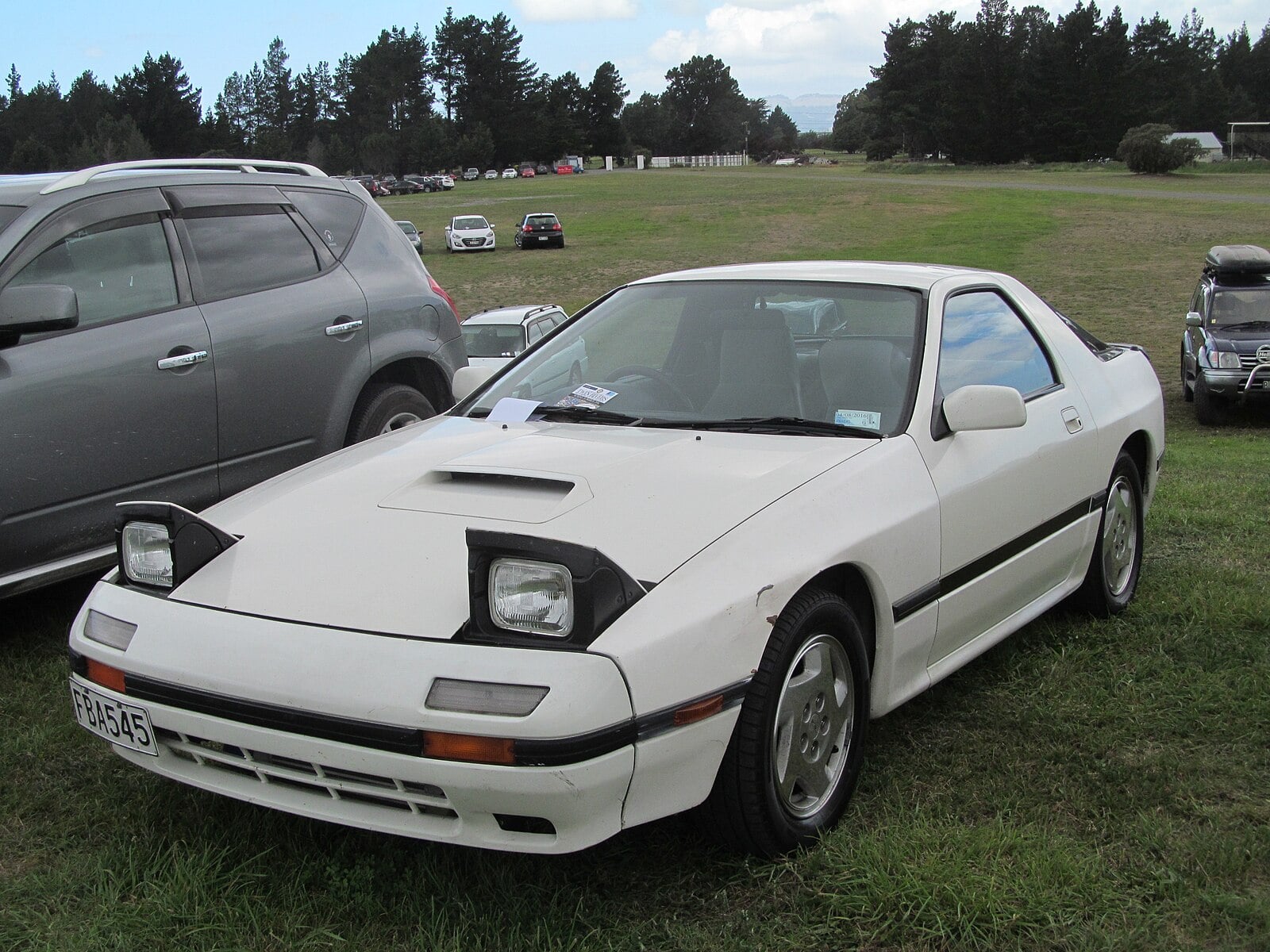
The second-generation RX-7 refined Mazda’s rotary sports car formula with sophisticated styling anchored by perfectly integrated pop-up headlights. Prices typically range from $8,000 to $20,000, with turbocharged models and pristine examples pushing toward the higher end.
The rotary engine produced around 146 horsepower in naturally aspirated U.S. models and approximately 182 horsepower in U.S.-market turbocharged versions, with outputs varying by market might sound modest on paper, but the screaming high-rev character and lightweight construction created an engaging driving experience. These cars demand respect for rotary maintenance requirements, but enthusiasts who understand the unique engine find the experience deeply rewarding.
The FC’s proportions and those flush-mounted pop-ups gave it a timeless elegance that the more aggressive FD would later depart from.
Toyota Supra
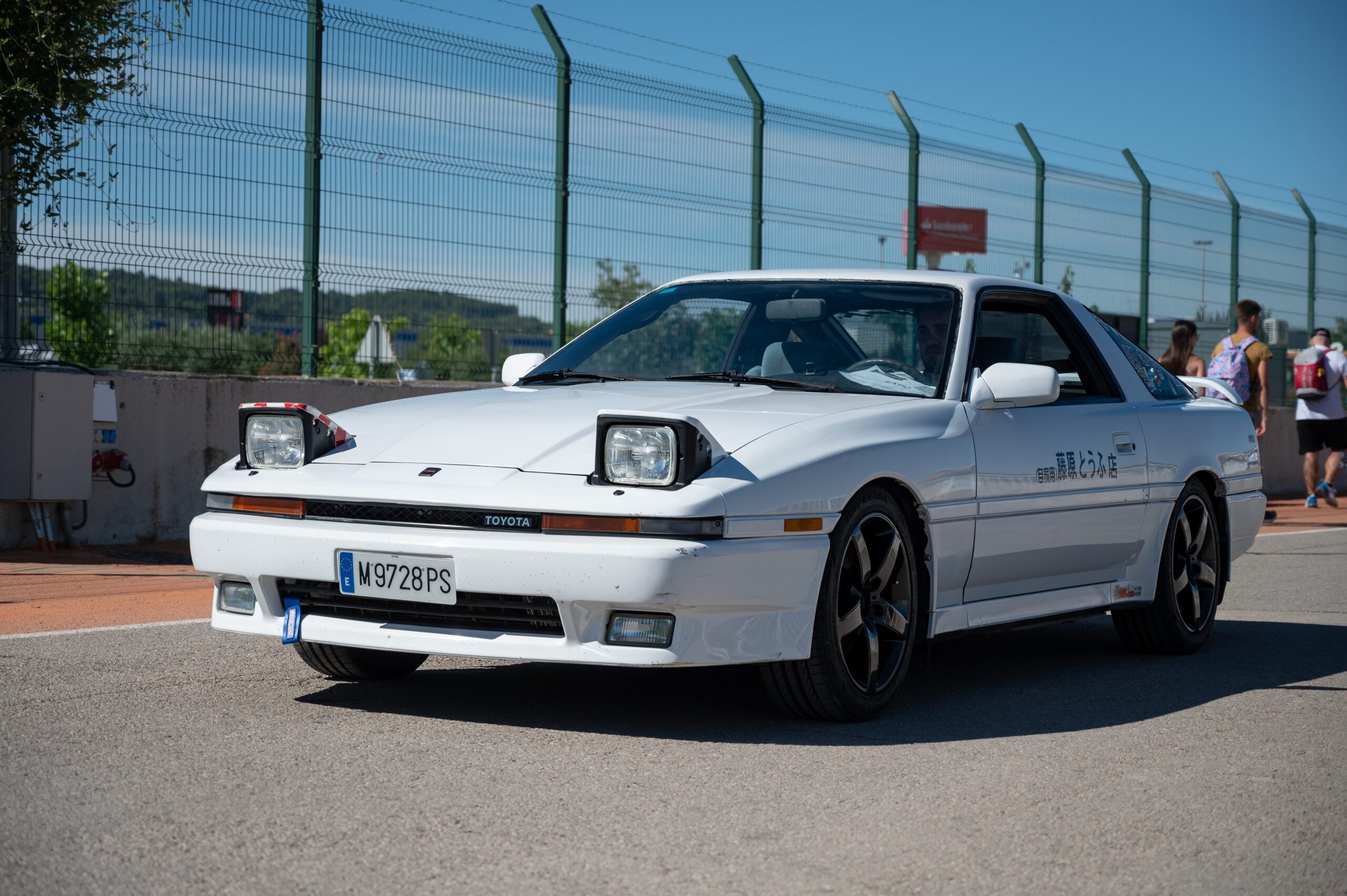
Before the fourth-generation Supra became a legend, the third-generation model offered grand touring capability with distinctive pop-up headlights leading the way. The market treats these as the more affordable Supra option, with prices from $8,000 to $18,000 depending on condition and turbo availability.
In U.S.-market turbocharged form, the 3.0-liter inline-six produced approximately 232 horsepower and gave the car genuine speed to back up its sporty looks. While not as sharp-handling as smaller Japanese sports cars, the MA70 Supra excelled as a comfortable highway cruiser that could still attack canyon roads with confidence.
Those wide pop-up headlights gave it an aggressive face that announced serious performance intentions.
Porsche 944

Porsche’s front-engine sports car brought balanced handling and German engineering to the pop-up headlight club with distinctive styling. Entry-level ownership starts around $6,000 to $15,000, though well-maintained examples and later S2 models command respect in the market.
The transaxle layout delivered near-perfect weight distribution that made the 944 a formidable track weapon despite its front-engine configuration. Power ranged from 143 horsepower in early base models to over 200 horsepower in S2 and turbocharged variants, depending on year and specification.
The pop-up headlights integrated seamlessly into the wedge-shaped body, creating one of the era’s most cohesive designs.
Nissan 300ZX

The first-generation 300ZX brought turbocharged power and advanced technology wrapped in angular bodywork with prominent pop-up headlights. Market values range from $5,000 to $12,000, making these grand tourers accessible alternatives to their more famous Z32 successors.
The turbocharged VG30ET engine produced 200 horsepower initially, with later models receiving 205 horsepower and improved refinement. These cars offered a compelling blend of performance and luxury features that made them credible competitors against European sports cars.
The Z31’s distinctive pop-up headlights and digital dashboard captured the technological optimism of the 1980s perfectly.
Mitsubishi 3000GT/GTO

Mitsubishi’s technological tour de force packed all-wheel-drive, active aerodynamics, and twin-turbo power behind iconic stacked pop-up headlights. The used market offers these complex machines from $8,000 to $20,000, with VR-4 models sitting at premium positions.
The twin-turbocharged 3.0-liter V6 produced between 222 and 320 horsepower depending on specification and market. While the weight and complexity can intimidate some buyers, the 3000GT delivered supercar-challenging performance when everything worked properly.
Those distinctive quad pop-up headlights created one of the most recognizable front ends of the 1990s sports car scene.
Lotus Esprit
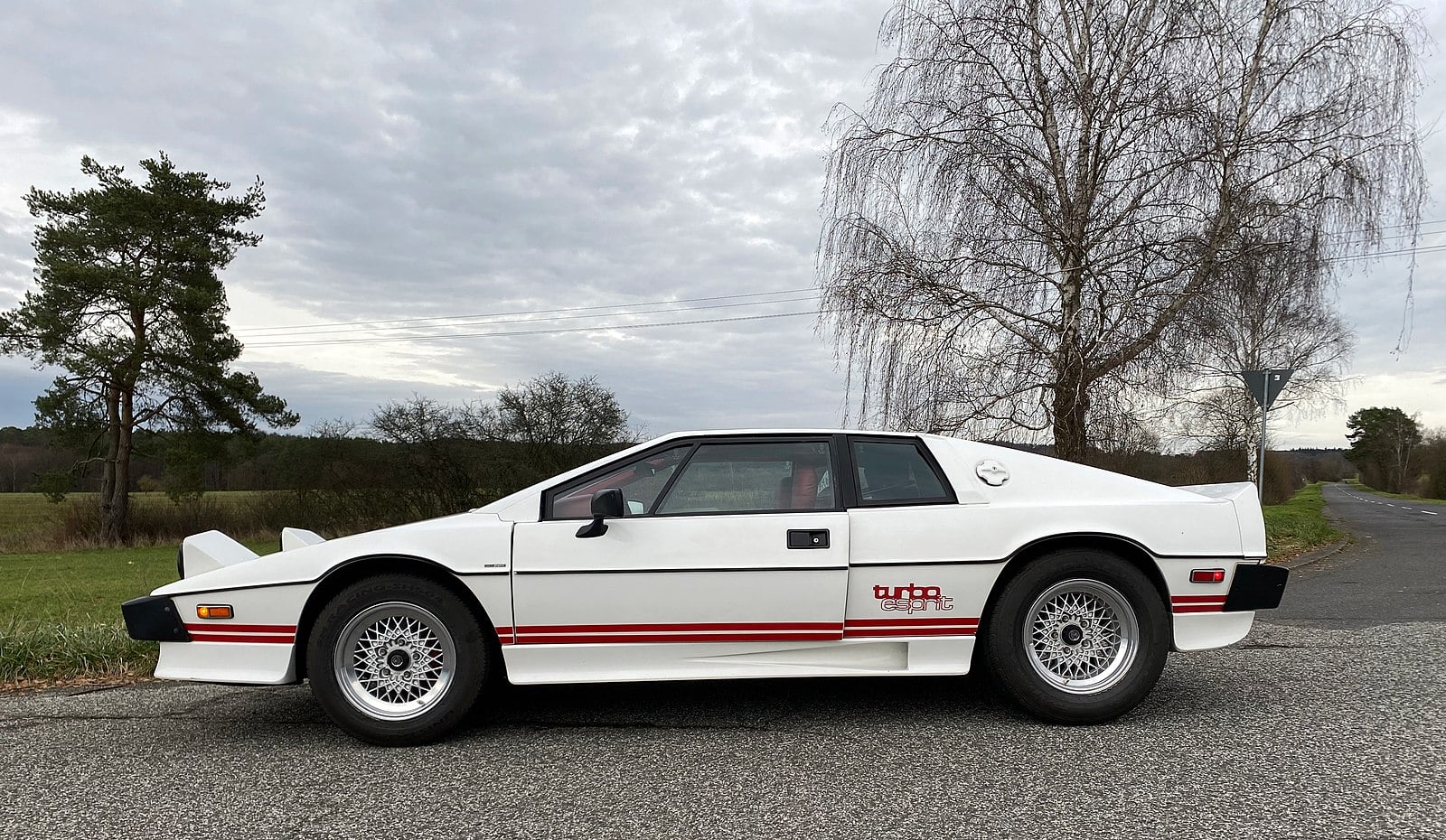
The Giugiaro-designed Esprit brought genuine exotic car drama with its wedge profile and sleek pop-up headlights. Prices start around $25,000 to $45,000, representing the premium end of this list but still remarkable value for a mid-engine exotic.
Depending on year and variant, turbocharged four-cylinder engines produced between roughly 215 and 264 horsepower, pushed through lightweight fiberglass bodywork for impressive performance. Ownership requires dedication and deeper pockets for maintenance, but the Esprit delivers an analog exotic experience increasingly rare in modern times.
Those pop-up headlights sat perfectly flush with the ultra-low hood, emphasizing the car’s supercar proportions and wedge-shaped aggression.
Conclusion

The pop-up headlight era gave us some of the most characterful sports cars ever built, and the used market has made many surprisingly attainable for enthusiasts willing to embrace older machinery. These cars represent a time when automotive design prioritized personality alongside performance, creating machines that connect with drivers on an emotional level modern cars rarely match.
Whether you’re drawn to affordable Japanese reliability or willing to stretch toward European exotics, there’s a pop-up headlight sports car that fits your budget and driving style. The values on many of these models have stabilized or even begun appreciating as collectors recognize their significance, making now an excellent time to secure one before they climb further out of reach