
When you think of car companies, you probably picture assembly lines churning out sedans, SUVs, and pickup trucks. But the automotive industry has always been more creative than we give it credit for.
Over the decades, major manufacturers have leveraged their engineering expertise, production facilities, and innovative spirit to build everything from kitchen appliances to airplanes. Some of these side projects were born out of necessity during wartime, while others were simply opportunistic business ventures.
Either way, these surprising creations reveal a fascinating side of the companies we thought we knew so well.
Mitsubishi: Air Conditioners and Elevators

Long before Mitsubishi Motors was shipping Outlanders to American dealerships, the company was building air conditioning units and elevator systems. The Japanese conglomerate actually started as a shipping firm in 1870, and automotive manufacturing is just one piece of their massive industrial empire.
Today, Mitsubishi Electric remains a major player in HVAC systems worldwide, and their elevator division moves millions of people daily in buildings across Asia.
Yamaha: Pianos

Yes, the same Yamaha logo appears on both grand pianos and sport bikes, and it’s not a coincidence. The company started as a piano and organ manufacturer in 1887 before expanding into motorcycles in 1955.
The connection makes more sense when you consider that both products require precision engineering and an understanding of acoustics and vibration—skills that translate surprisingly well between concert halls and racetracks.
Peugeot: Pepper Mills

Before Peugeot was making the 208 or 3008, the French company was grinding pepper. Founded in 1810 as a steel manufacturer, Peugeot produced coffee grinders and pepper mills that became renowned for their quality.
The company didn’t start making cars until 1891, and incredibly, they still manufacture those iconic pepper mills today using the same attention to craftsmanship.
Rolls-Royce: Jet Engines
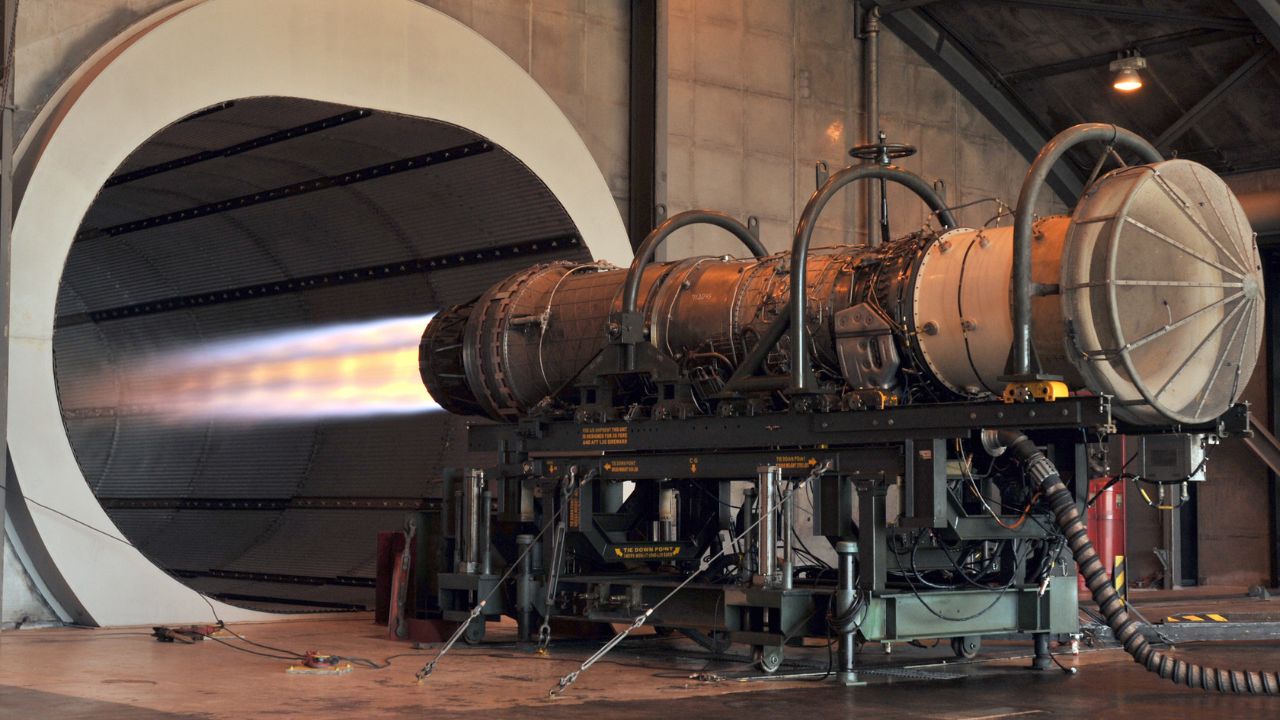
While Rolls-Royce Motor Cars makes some of the world’s most luxurious vehicles, Rolls-Royce Holdings focuses on something entirely different: aircraft engines. The company was split in the early 1970s after the 1971 bankruptcy; the car business was separated in 1973, but both carry the prestigious name.
Rolls-Royce Holdings is now one of the world’s leading manufacturers of jet engines, powering everything from commercial airliners to military aircraft.
Saab: Fighter Jets

Saab’s automotive division ceased production in 2011, but the Swedish company continues thriving in aerospace and defense. Founded in 1937 as Svenska Aeroplan Aktiebolaget (Swedish Aeroplane Company), Saab built fighter jets long before their first car rolled off the line in 1949.
The Saab Gripen fighter jet remains one of the most advanced military aircraft in production today.
Ferrari: Laptop Computers
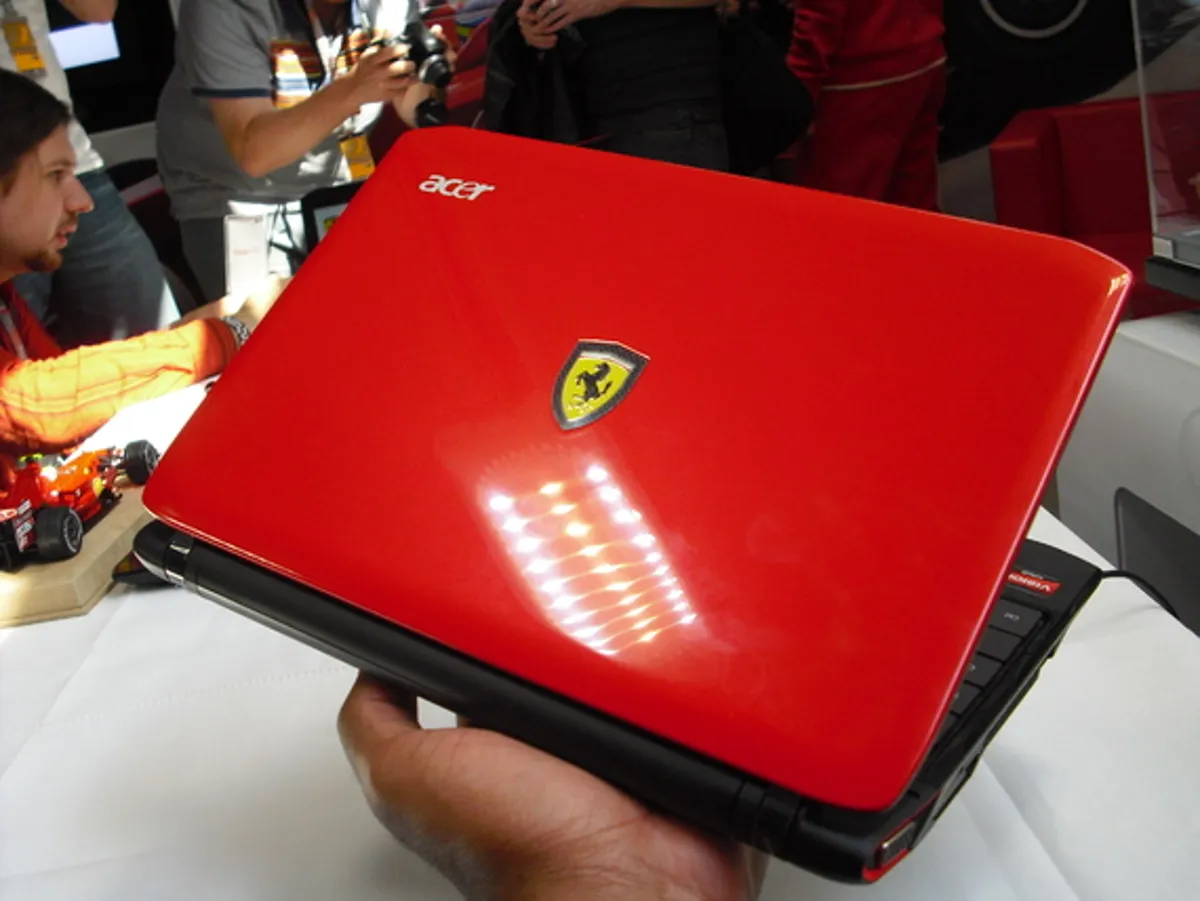
In the mid-2000s, Ferrari partnered with Acer to produce a line of luxury laptops bearing the Prancing Horse logo. These weren’t just regular computers with Ferrari stickers; they featured carbon fiber cases, leather trim, and price tags around $2,000–$2,500 depending on the model/configuration. They were marketed as luxury lifestyle laptops rather than value-focused machines
While the laptops are no longer in production, they represent Ferrari’s willingness to extend their brand into unexpected luxury categories.
Lamborghini: Tractors
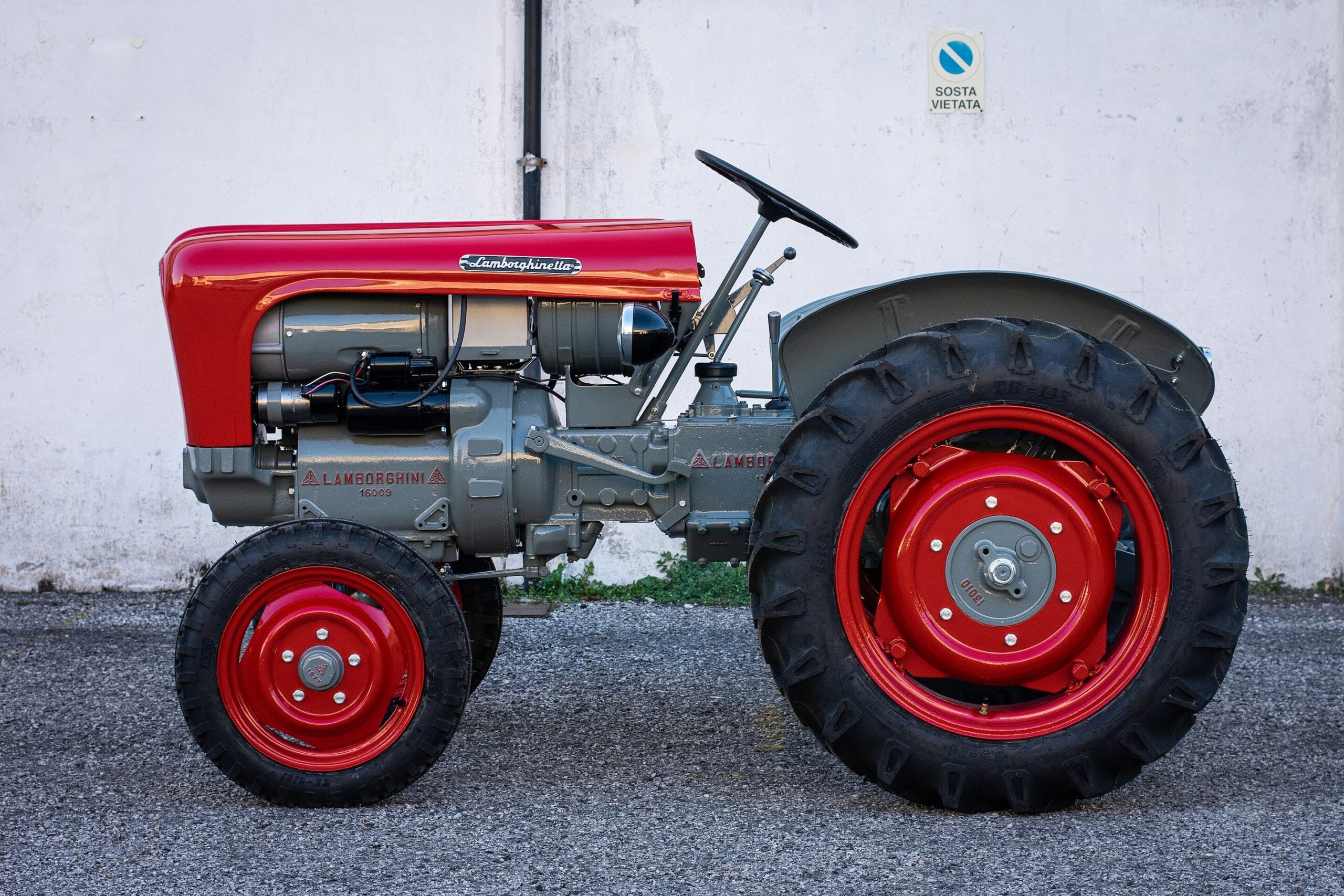
This one surprises people every time. Ferruccio Lamborghini made his fortune manufacturing tractors after World War II, and the company still produces them today under Lamborghini Trattori.
According to widely repeated company lore, Ferruccio’s frustration with his Ferrari’s clutch led him to start making sports cars as a side business in 1963, but tractors remain the family’s original passion.
BMW: Airplane Engines
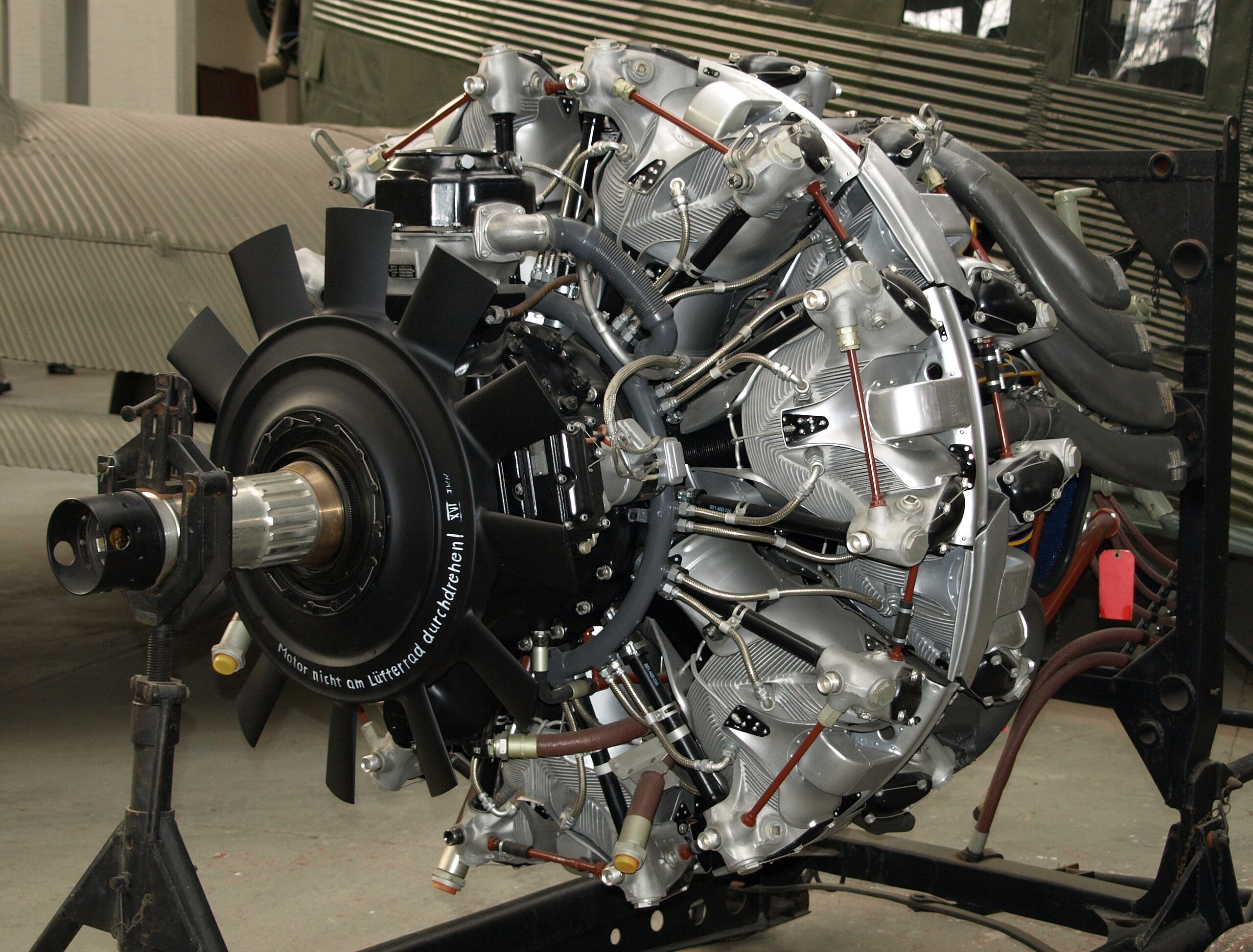
The blue-and-white roundel reflects Bavaria’s colors; the ‘propeller’ association came later through advertising and became a popular myth. BMW started as Bayerische Motoren Werke (Bavarian Motor Works) in 1916, building aircraft engines during World War I.
The company didn’t produce its first car until 1928, and to this day, BMW maintains deep roots in aviation technology and engineering.
Hyundai: Container Ships

Hyundai isn’t just a car company; it’s a massive conglomerate with divisions spanning construction, electronics, and shipbuilding. Hyundai Heavy Industries operates one of the world’s largest shipyards in South Korea, constructing massive container vessels and oil tankers. Of course, they are two different companies today, but they share roots.
The automotive division, while globally recognized, represents just one facet of Hyundai’s industrial reach.
Porsche: Tractors
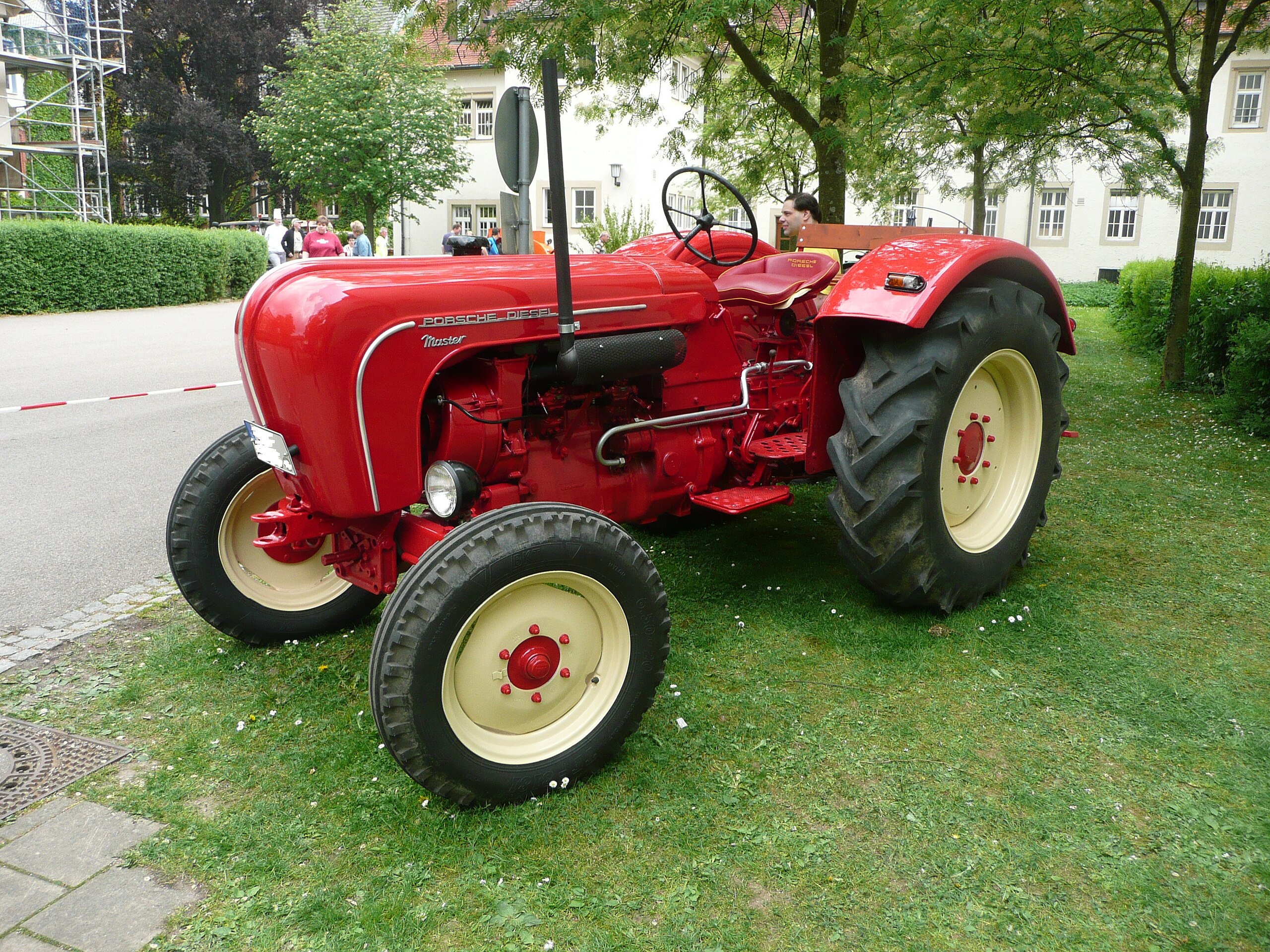
Like Lamborghini, Porsche has a tractor history that predates its sports car fame. Ferdinand Porsche designed tractors in the 1930s and 1940s, and Porsche-Diesel tractor production ran until 1963.
These weren’t luxury tractors either; they were practical farming equipment that helped rebuild European agriculture after World War II, long before the 911 became an icon.
Škoda: Trams and Trolleybuses
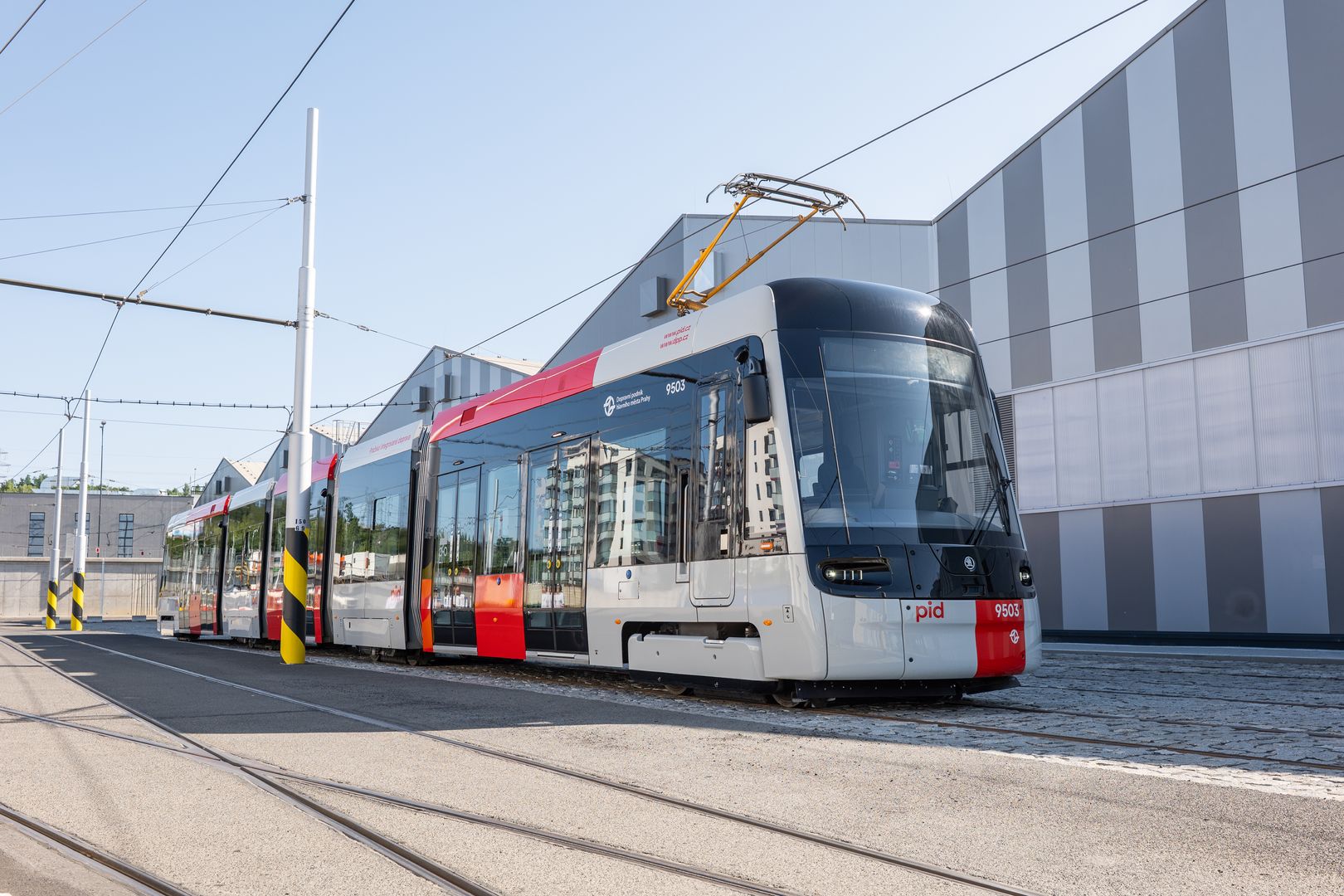
The Czech automaker Škoda has been building electric trams and trolleybuses since the early-to-mid 20th century (tram equipment in the 1920s; trolleybuses by the 1930s). While many Americans know Škoda primarily through its Volkswagen Group connection, the company’s transportation division manufactures rail vehicles, locomotives, and urban transit systems.
Škoda’s trams operate in cities across Europe, carrying millions of passengers who may never realize they’re traveling in a vehicle from a “car company.”
Honda: Robots and Lawnmowers
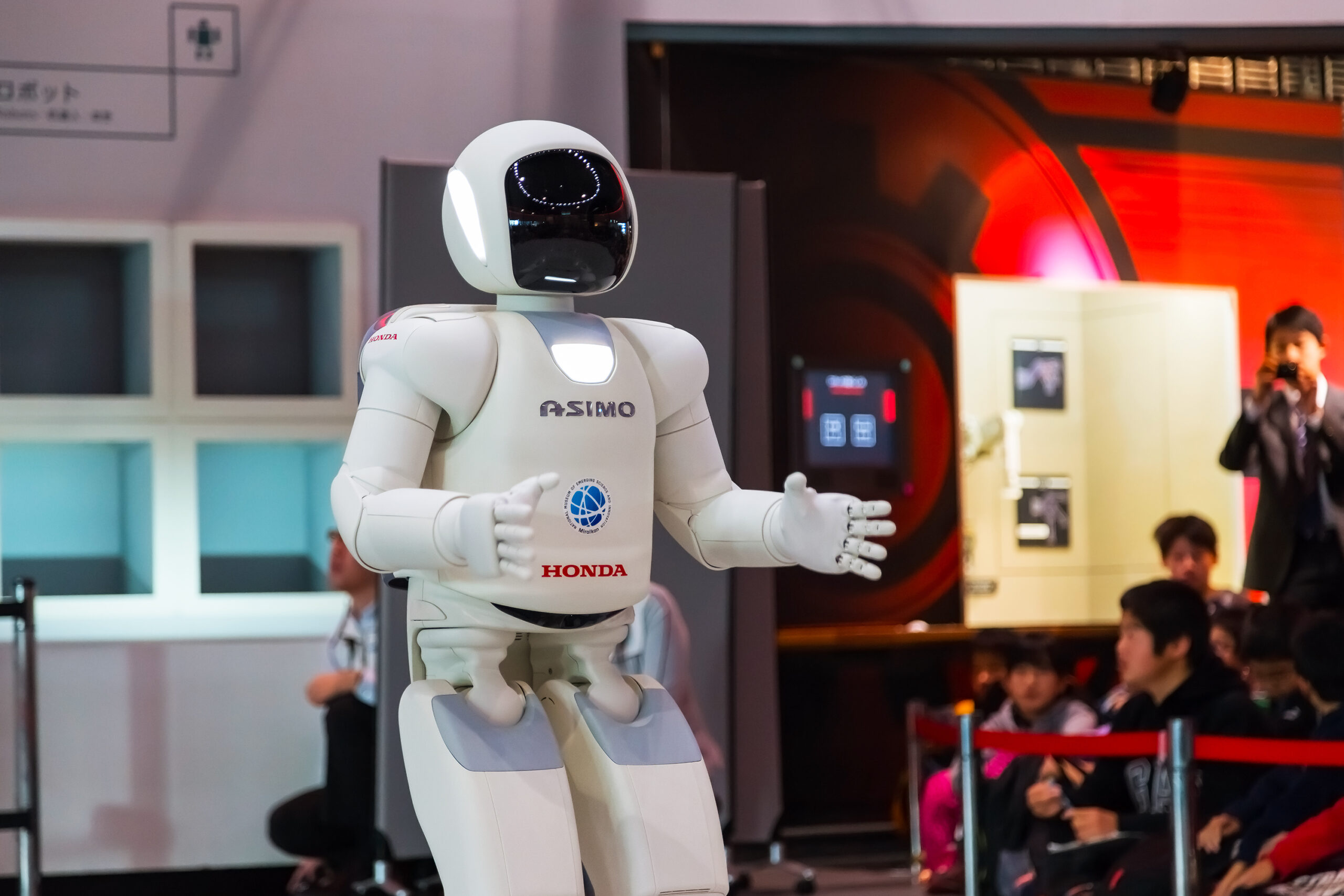
Honda’s product lineup extends far beyond the Civic and Accord. The company manufactures everything from walk-behind lawnmowers to ASIMO, one of the most advanced humanoid robots ever publicly demonstrated (development ended in 2018).
Honda’s small engine expertise translates perfectly to outdoor power equipment, making them a top seller in lawn care, while their robotics division pushes boundaries in mobility and artificial intelligence research.
Conclusion

These surprising side ventures remind us that automotive companies are, at their core, engineering and manufacturing powerhouses. Whether they’re building elevators, jets, or pepper mills, these brands apply the same principles of innovation and quality control that make their vehicles successful. The next time you’re grinding pepper with a Peugeot mill or riding a Škoda tram, remember that the automotive world is far more interconnected and creative than it first appears.
It turns out that making great cars requires skills that translate remarkably well to just about anything that moves or grinds.