Porsche has spent decades perfecting the art of making sports cars that blur the line between engineering excellence and pure automotive poetry. But what happens when the engineers at Stuttgart lock themselves in a room with unlimited espresso and zero marketing interference? You get concepts so wild they make a GT2 RS look tame by comparison.
Tucked away in Porsche’s design archives are vehicles that would make even the most devoted 911 purist question their loyalty. Some are brilliant glimpses into alternate realities where physics takes a backseat to imagination. Others are… well, let’s just say someone was clearly having fun with the company’s budget.
These aren’t your typical “let’s make the 911 slightly more aerodynamic” exercises. These are full-blown departures from sanity, each one answering questions nobody asked but somehow needed answering. From electric vans that reimagine family hauling through a Porsche lens to single-seat track toys that make a Radical look practical, these concepts prove that Porsche’s designers have never met an idea too crazy to sketch.
How We Chose These Hidden Gems
If you want opinions on concept cars, you came to the right person. I have a bit of an obsession with concept cars, I love the way they push design boundaries and performance standards, even if it means trying something completely wild (and even impractical). So yeah, there may be some opinions in here, I picked the Porsche concepts that I felt were the most innovative, ingenious, and interesting; the ones I’d want to see in person or experience driving.
This left me with 10 hidden treasures found deep in Porsche’s own archives, design books, and blog posts. These were the selections I felt were the most wild and whimsical. While there are more than 10 Porsche concept vehicles, I wanted to highlight the ones that really pushed boundaries and experimented with insanity.
We focused exclusively on concepts that never saw production, not even in limited runs that cost more than your mortgage. And our criteria were simple: if it made us do a double-take, question our understanding of what a Porsche could be, or just made us laugh at the sheer audacity, it made the list. We prioritized variety because, frankly, how many slightly modified 911 concepts can one person handle?
These aren’t technical dissertations that’ll put you to sleep. These are stories about the creative chaos that happens when brilliant minds are given permission to ignore practicality and chase pure inspiration.
Porsche Vision Renndienst
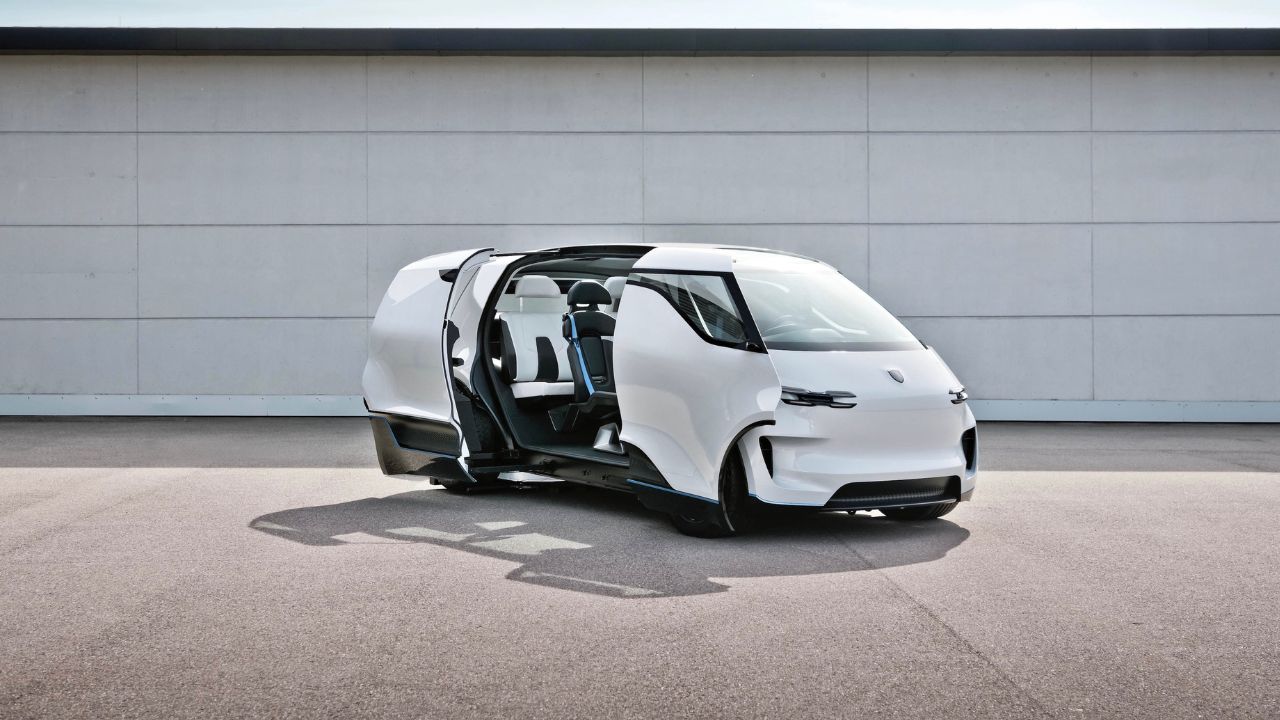
The Vision Renndienst was Porsche’s 2018 answer to a question that still keeps purists awake at night: what would a Porsche minivan look like? Well, apparently they look insane if you ask Porsche: this was a space shuttle disguised as a family hauler with a central driving position that would make McLaren F1 owners jealous.
The interior layout was pure madness: the driver up front in a central seat, two individual seats diagonally behind, and a third-row bench seat in the back for anyone brave enough to trust their life to this experiment. It was asymmetric, all-electric, and looked like it could dock with the International Space Station if traffic got really bad.
The most remarkable thing? It actually worked as a design statement. While soccer parents everywhere were probably having nightmares about parallel parking this thing, the Renndienst proved that even a people mover could wear the Porsche crest without looking like a complete sellout. It’s the kind of concept that makes you wonder if Porsche’s designers were bored or just really, really confident in their abilities.
Porsche Vision 916
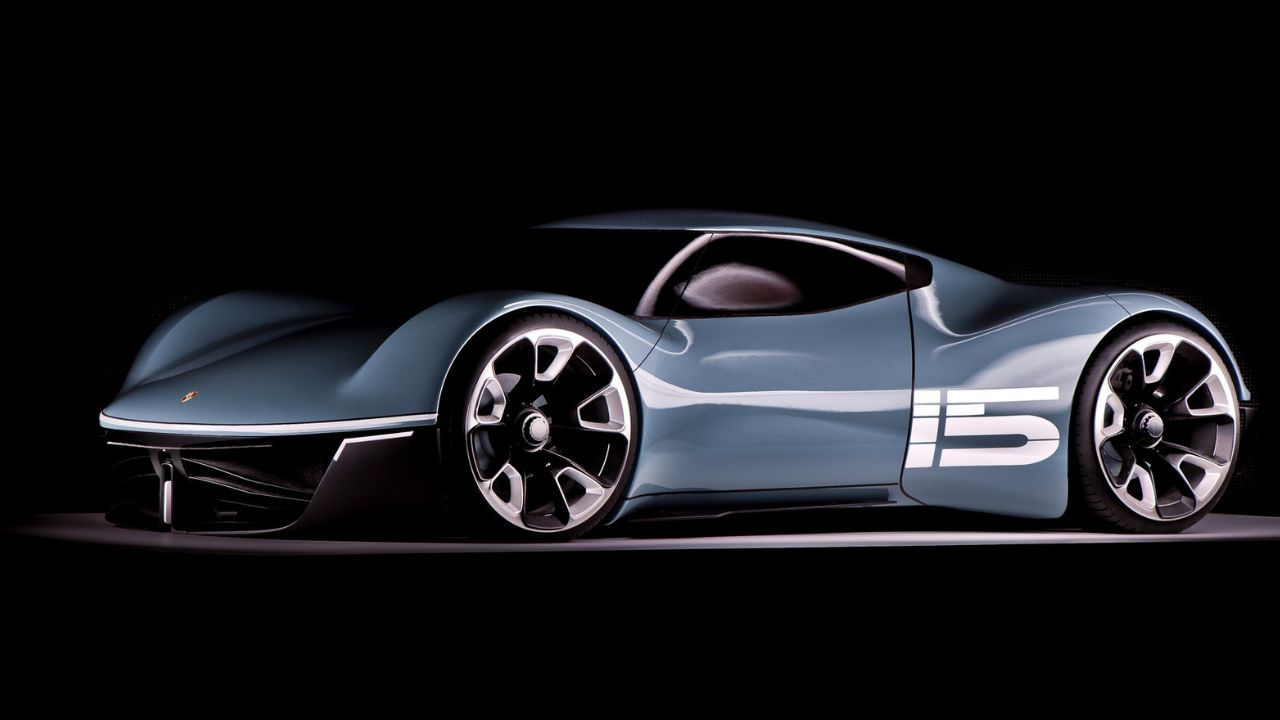
Remember when sports cars didn’t need to be the size of aircraft carriers? The Vision 916 does. Inspired by the short-lived 916 prototype from the ’70s, this compact electric sports car was Porsche’s love letter to the idea that bigger isn’t always better.
With proportions that would make a Miata look chunky, the 916 focused on the essentials: two seats, clean lines, and the kind of minimalist interior that makes modern infotainment systems look like NASA control panels. Porsche described the study as a compact electric sports car concept driven by four wheel hub motors, and the design screamed “I’d rather be nimble than nuclear powered.”
It’s the kind of car that reminds you why sports cars exist in the first place, not to win stoplight drag races or impress your neighbors, but to deliver pure, undiluted driving joy. Too bad it never progressed beyond a full scale design study, because the world needs more cars that prioritize smiles per mile over Instagram likes.
Porsche 904 Living Legend

Take one of Porsche’s most iconic race cars, put it in a photocopy machine, and hit the “reduce” button until it looks like something you’d find in a toy store. That’s essentially what the 904 Living Legend accomplished, and somehow it worked brilliantly.
The proportions were almost comically compact, sorta like someone had challenged the design team to create the world’s most expensive go-kart. But those dramatic curves and aerodynamic cutouts gave it a presence that defied its diminutive size. It was aggressive enough to scare small children and pretty enough to make grown men weep.
This concept proved that sometimes the best way to honor a legend is to distill it down to its absolute essence. The Living Legend wasn’t about being practical or comfortable: it was about capturing the DNA of what made the original 904 special and concentrating it into the smallest possible package.
Porsche Vision Spyder
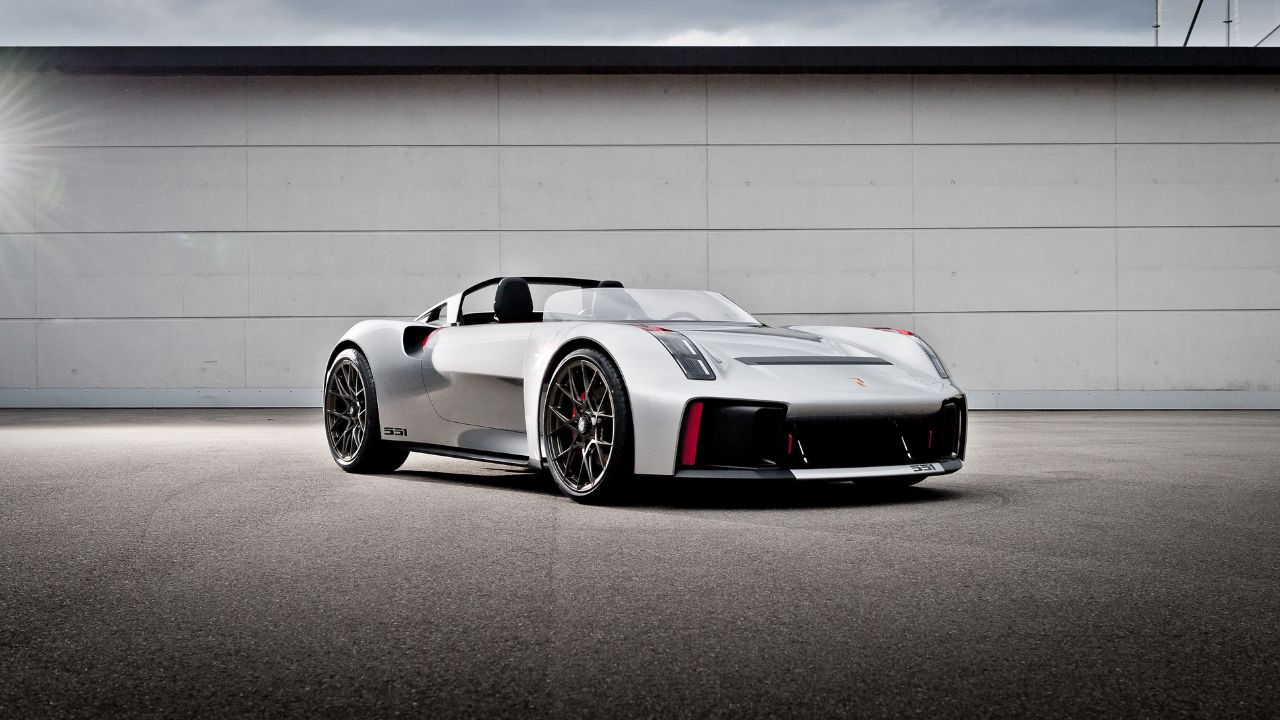
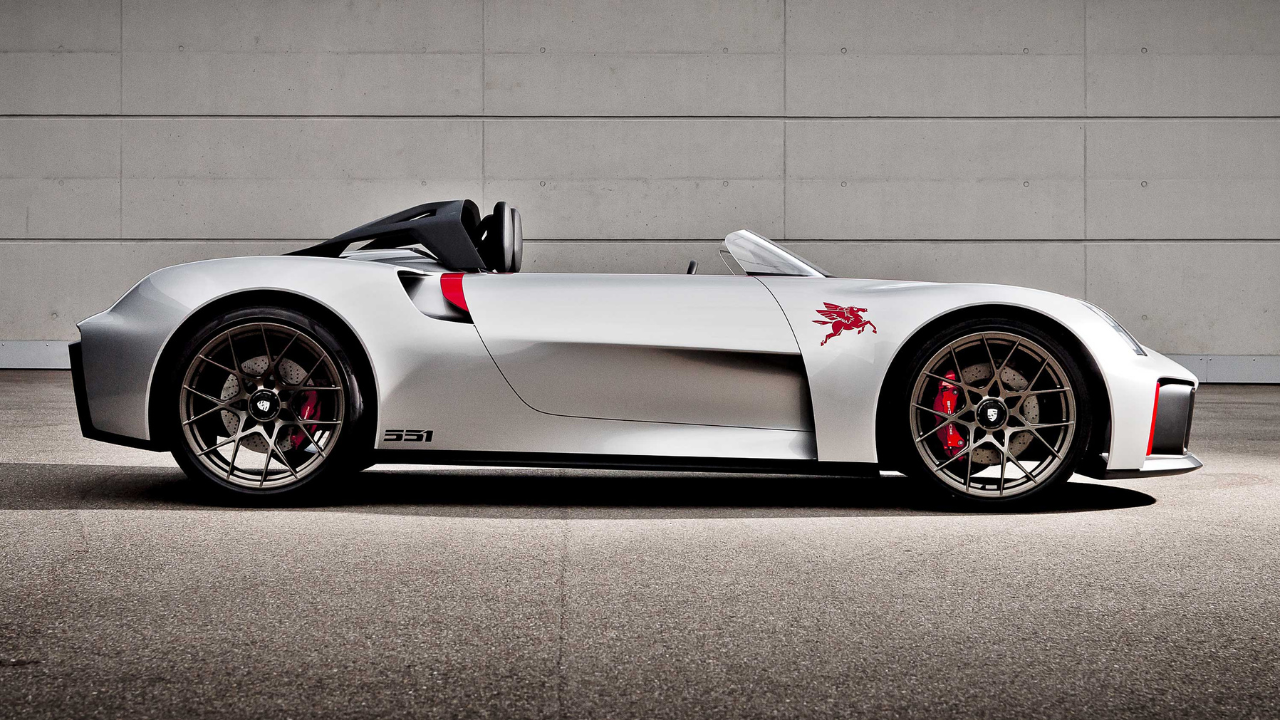
The 1954 Porsche 550 Spyder is automotive royalty – a car so perfect it makes other classics look overdressed. The Vision Spyder took that legendary formula and asked, “What if we built this today, but with better everything?”
The result was a modern interpretation that captured all the romance of the original while adding contemporary aggression. Low, wide, and stripped of anything that didn’t directly contribute to the driving experience, it was the kind of car that would make purists and modernists equally happy, a rare achievement in today’s polarized automotive world.
The Vision Spyder’s beauty lay in its restraint. In an era where every concept car seems to have more LED strips than a gaming PC, this one relied on pure proportions and honest surfaces. It’s proof that sometimes the best designs are the ones that know when to stop adding things.
Porsche Vision Gran Turismo
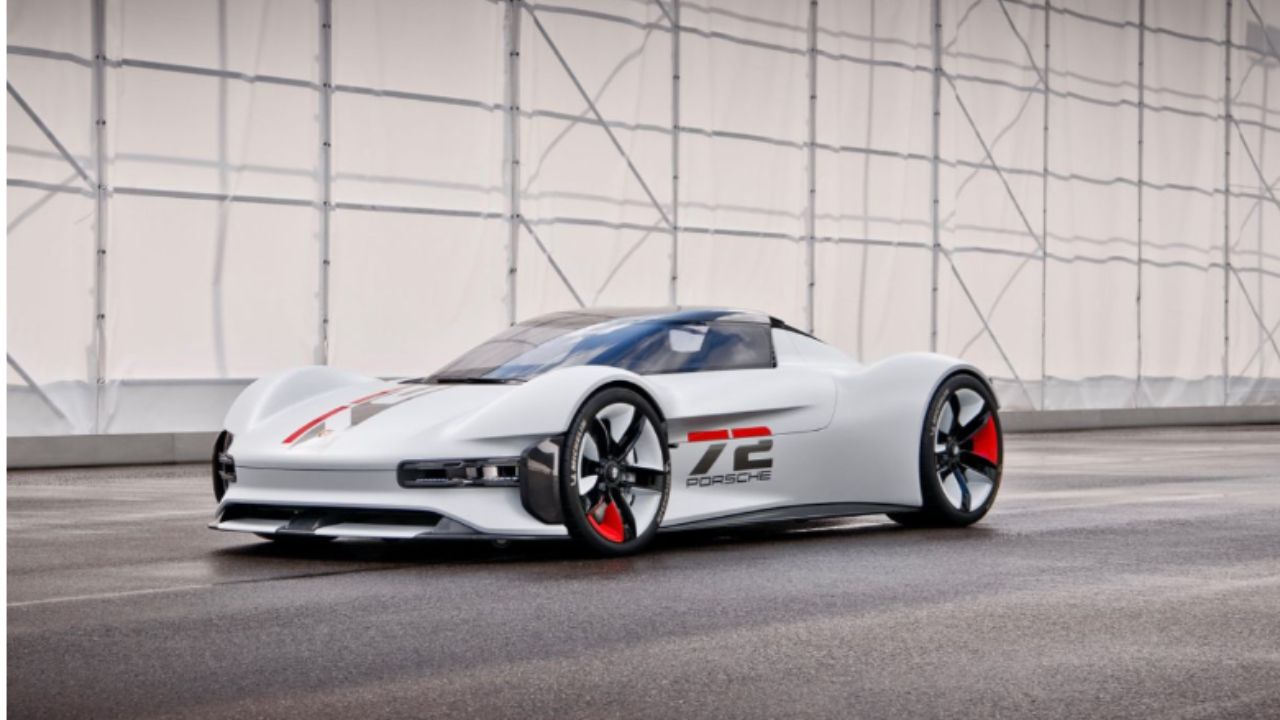
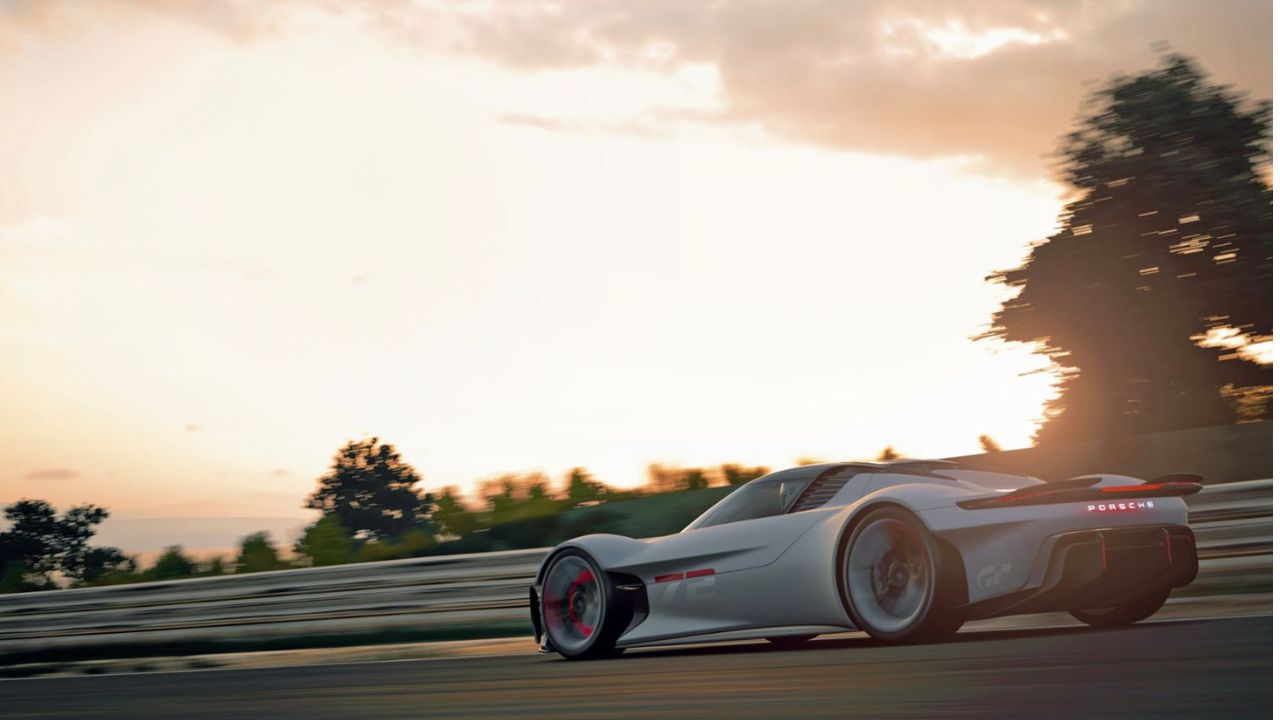
What happens when Porsche decides to design a car with zero production constraints, no safety regulations, and an audience that exists entirely in the digital realm? You get the Vision Gran Turismo, a car so outrageous it makes a 919 Hybrid look like a rental Corolla.
Designed for the Gran Turismo video game series and revealed in 2021, the all electric Vision Gran Turismo is a two seat concept that looks like it escaped from a wind tunnel in the year 2085. The proportions are pure cyberpunk: impossibly low, razor sharp, and dripping with aerodynamic wizardry that would have your local DMV inspector breaking out in hives. The cockpit is a low, race style two seat layout under a dramatic canopy, making it feel like you’re piloting a fighter jet instead of a car.
Underneath the pixel-perfect bodywork lives a drivetrain that only has to obey the laws of video game physics, which is why you can hurl it into corners at speeds that would make an F1 engineer clutch his clipboard. No brake fade, no tire wear, and no angry neighbors calling about noise complaints.
The Vision Gran Turismo is the purest form of Porsche’s imagination: a design experiment freed from reality and built purely to thrill. You can’t buy it, you can’t drive it on real roads, and if you tried, it would probably vaporize your bank account, but in the virtual world, this is the ultimate Porsche, no compromises, no limits, just pure digital insanity.
Porsche 919 Street

Created in 2017, the 919 Street was a vision of a special series for private racing drivers based on the 919 Hybrid, not a street legal road car. Under the shell were the race car’s carbon monocoque and its roughly 900 PS hybrid racing drivetrain, because apparently, someone thought track days needed to be more exciting.
The powertrain combined a 2.0 liter turbocharged V4 with energy recovery systems and battery storage, essentially endurance racing hybrid tech wrapped in bodywork that looked like it belonged in a sci fi movie. It retained much of the race car’s extreme aerodynamics, which is exactly why it made sense as a private track concept rather than something meant for traffic.
Porsche Boxster Bergspyder
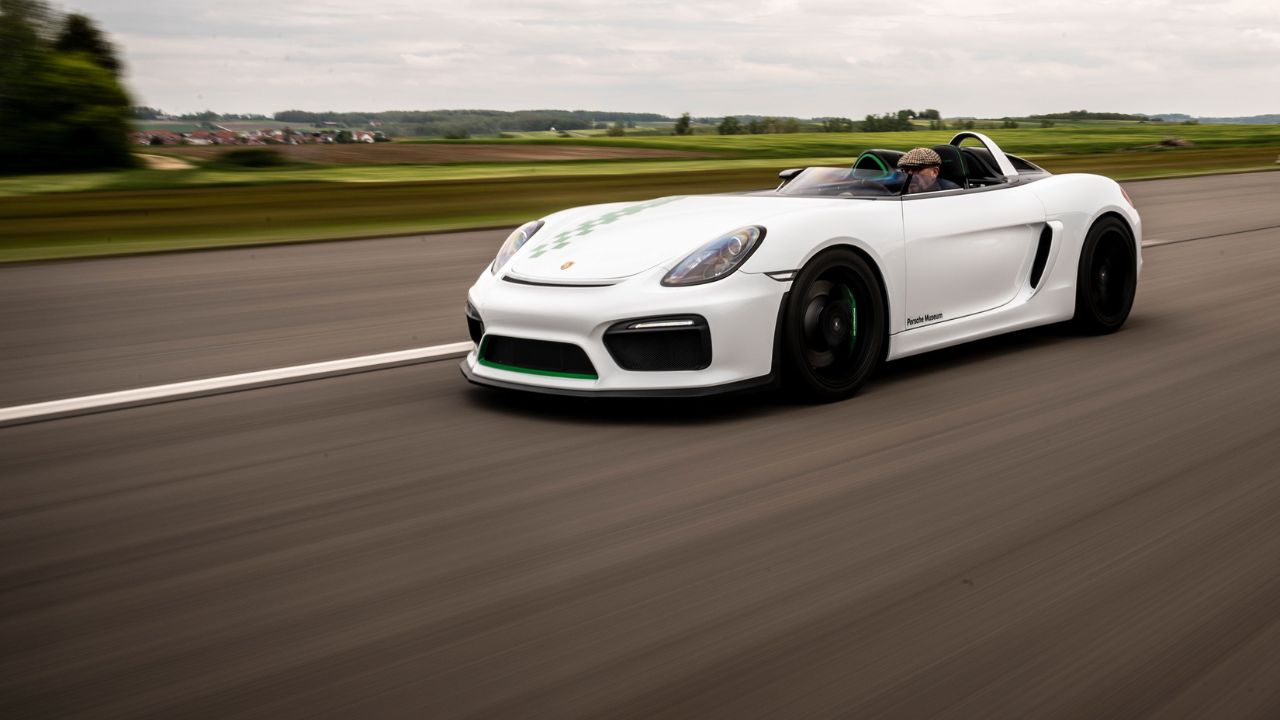
Remember when cars came with things like roofs and windshields? The Boxster Bergspyder doesn’t. Based on the 981-generation Boxster, this radical single-seater stripped away everything that wasn’t absolutely essential for the driving experience, including comfort, practicality, and protection from the elements.
Painted in classic white with green accents as a tribute to the 1968 909 Bergspyder hillclimb car, it looked like something that had escaped from a vintage race track and wandered into the modern world. No passenger seat, no creature comforts, no compromises: just you, the engine, and whatever weather happened to be happening.
It’s the kind of concept that makes you realize how much unnecessary stuff modern cars carry around. Sure, you’d arrive at your destination looking like you’d been in a wind tunnel, but you’d also have the biggest smile on your face. Sometimes the best automotive experiences come from subtracting, not adding.
Porsche Vision 918 RS
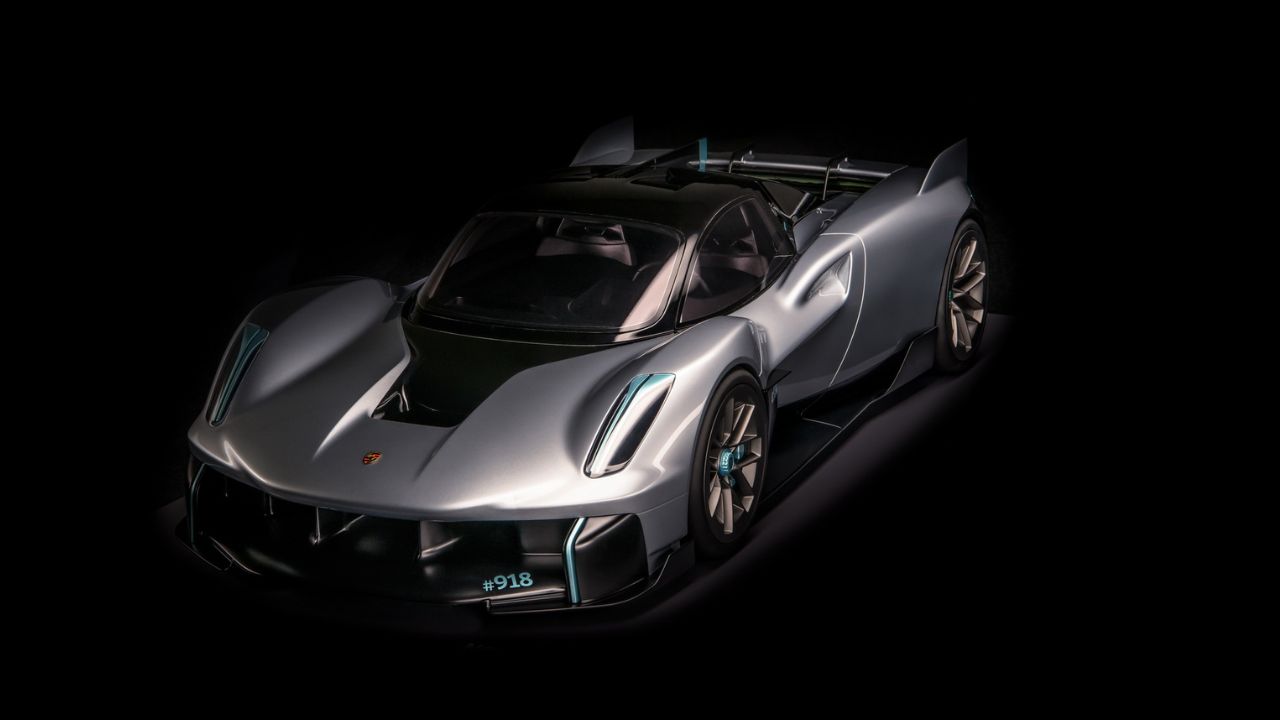
The 918 Spyder was already pretty much the definition of “excessive hypercar.” The Vision 918 RS looked at that achievement and said, “Wait, there’s more. Much, much more. And it may not make sense.” This concept took everything extreme about the 918 and turned the dial to eleven, resulting in something that looked ready to race in championships that don’t exist yet.
More aggressive aero, sharper bodywork, and a stance that looked ready to take on the most successful of supercars: the 918 RS was an exercise in pushing boundaries that were already pretty thoroughly pushed. It was the kind of design that made you wonder if there was such a thing as “too much performance.”
While entirely hypothetical, it served as a reminder that even Porsche’s most advanced production cars are just starting points for the really crazy stuff. It’s automotive evolution in fast-forward, showing where hypercars might go when the current generation starts feeling tame. Wonder how fast it’d go (and if I could be in there during the test drive).
Porsche Vision 960 Turismo

Somewhere between the 911 and the Panamera, Porsche designers explored the Vision Turismo as an experimental study of a super sports car with four doors and a rear engine. The idea later evolved into a better solution with a purely electric drive, and Porsche has said this study served as a blueprint for the Taycan.
Although it never reached production, the Vision Turismo shows how Porsche experiments with new forms long before they reach showrooms. It remains a tantalizing what if, the kind of four door Porsche that could have rewritten expectations if it had ever gotten the chance to prove itself.
Porsche Vision E
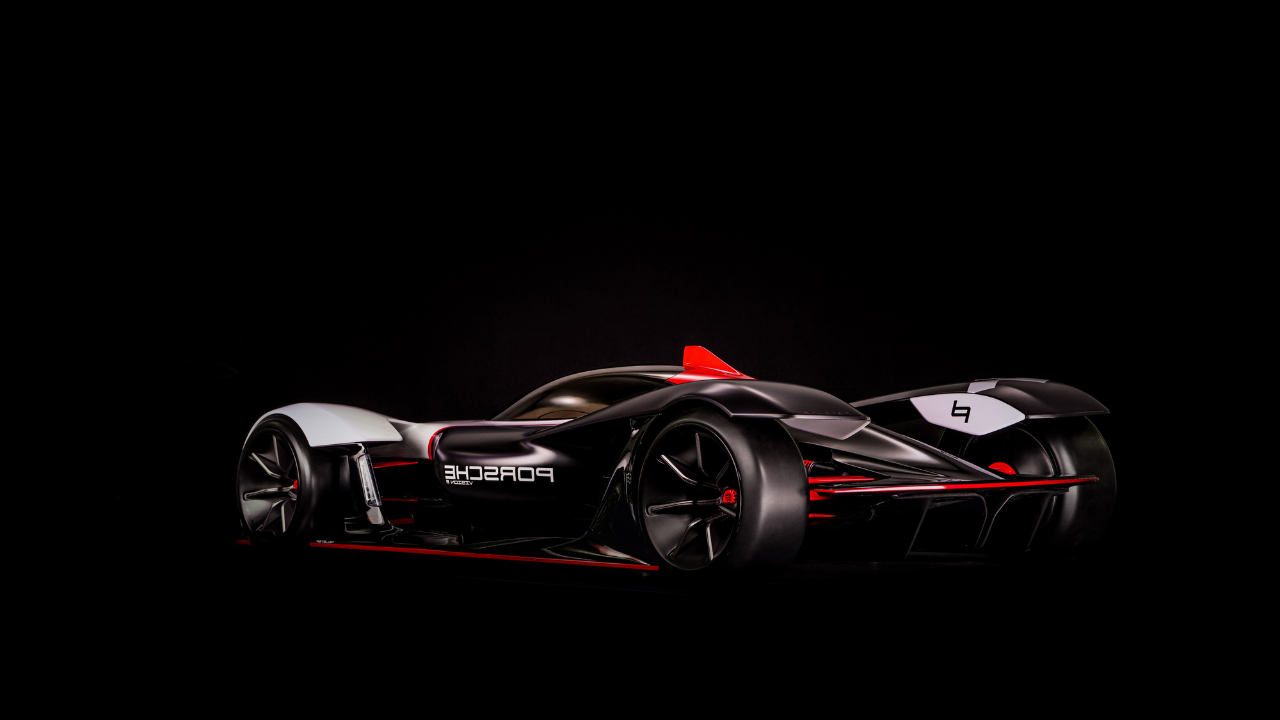
The Vision E was Porsche’s 2019 idea of a radically light, fully electric single seat racing car for private drivers, developed from technology used in the Porsche 99X Electric.
Rather than an urban sports car, it was a customer style racer concept, focused on packaging and performance, showing how Formula E technology could inspire future track machines even without an engine.
Visions That Drives the Present and Shape the Future
These 10 concepts prove that behind every production Porsche is a world of wild imagination and fearless experimentation. Some were pure fantasy exercises, others came tantalizingly close to reality, but each one pushed the brand to think beyond its comfort zone.
Even the ideas that never made it to showrooms left their mark. The Taycan owes its existence to concepts like the Vision Turismo, and every lightweight special edition carries DNA from experiments like the Bergspyder. In Porsche’s world, no idea is too crazy to explore, even if it’s too crazy to sell.
These concepts remind us that automotive innovation doesn’t always come from focus groups and market research: sometimes it comes from designers who are brave enough to ask “what if?” and talented enough to make the answer look amazing. In a world of increasingly similar cars, Porsche’s willingness to dream big keeps the flame of automotive creativity burning bright.
Porsche, we’re begging you!