
Travel trends shift constantly, but some destinations fade from popularity for reasons far more serious than changing tastes. Political instability, rising crime, environmental disasters, and ongoing conflict have turned once-beloved travel hotspots into places that now carry significant risk for visitors. These locations may still appear in old guidebooks or social media memories, but the reality on the ground has changed dramatically. For travelers, understanding where tourism is no longer safe is just as important as knowing where to go.
Many of these destinations were once thriving tourism economies, drawing millions of visitors annually. However, safety concerns, weakened infrastructure, and unpredictable conditions have made travel increasingly dangerous. Governments, travel insurers, and international agencies now regularly issue warnings against nonessential travel to these areas. While the beauty and cultural value of these places remain, visiting them today often carries unacceptable risks.
The destinations below highlight how quickly circumstances can change, transforming iconic vacation spots into places best avoided. Each serves as a reminder that responsible travel means staying informed, flexible, and aware of global realities. These locations may one day recover, but for now, they stand as cautionary tales for travelers worldwide.
1. Acapulco, Mexico
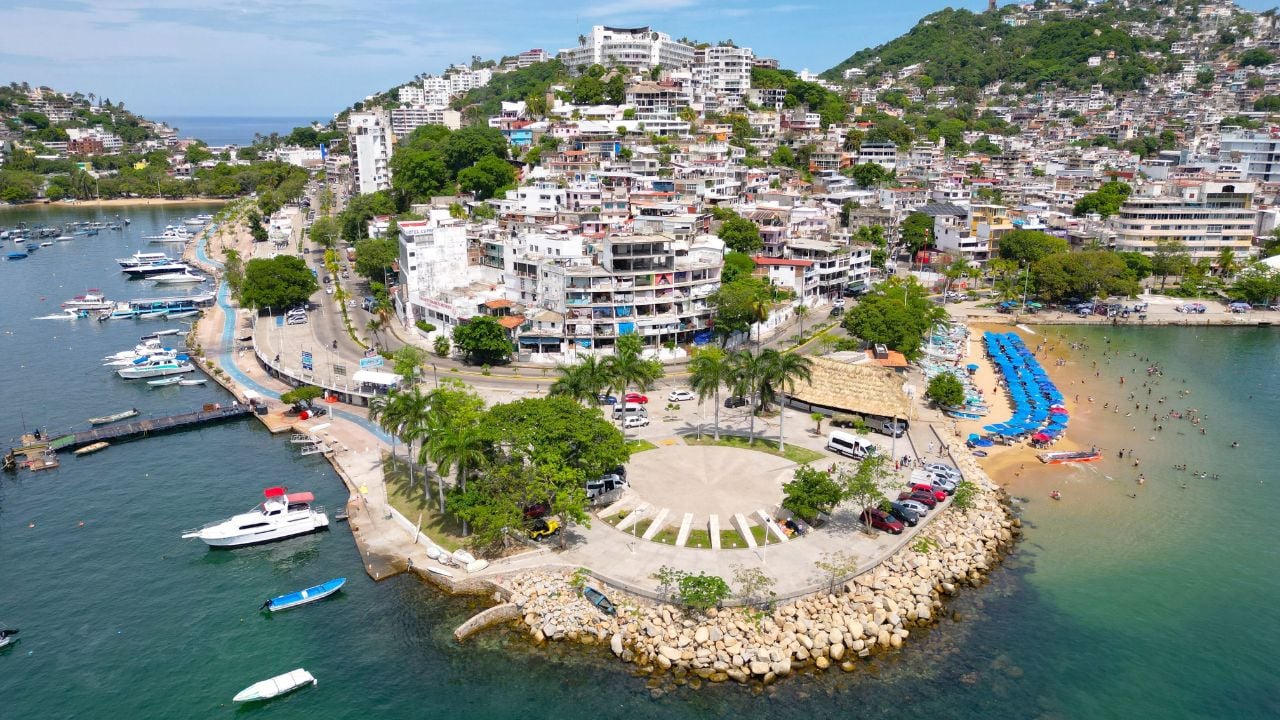
Once synonymous with glamorous beach vacations and Hollywood jet-setters, Acapulco has experienced a dramatic decline in tourism. Escalating cartel violence, frequent armed conflicts, and widespread corruption have made many parts of the city unsafe for visitors. High-profile incidents involving tourists have further damaged its reputation as a safe destination. Even luxury resorts have struggled to insulate guests from surrounding instability.
Crime rates in Acapulco have surged over the past decade, with kidnappings, armed robberies, and violent confrontations occurring far too frequently. Infrastructure has deteriorated, emergency services are unreliable, and local authorities often lack the capacity to ensure visitor safety. Many international airlines and cruise lines have reduced or eliminated stops entirely. What was once a carefree beach escape now requires extreme caution.
Despite its natural beauty and historic significance, Acapulco no longer offers the security expected by modern travelers. Travel advisories consistently warn against nonessential visits, especially outside tightly controlled resort areas. For most tourists, the risks far outweigh the rewards. Acapulco’s story is a sobering example of how quickly a destination can fall from grace.
2. Caracas, Venezuela
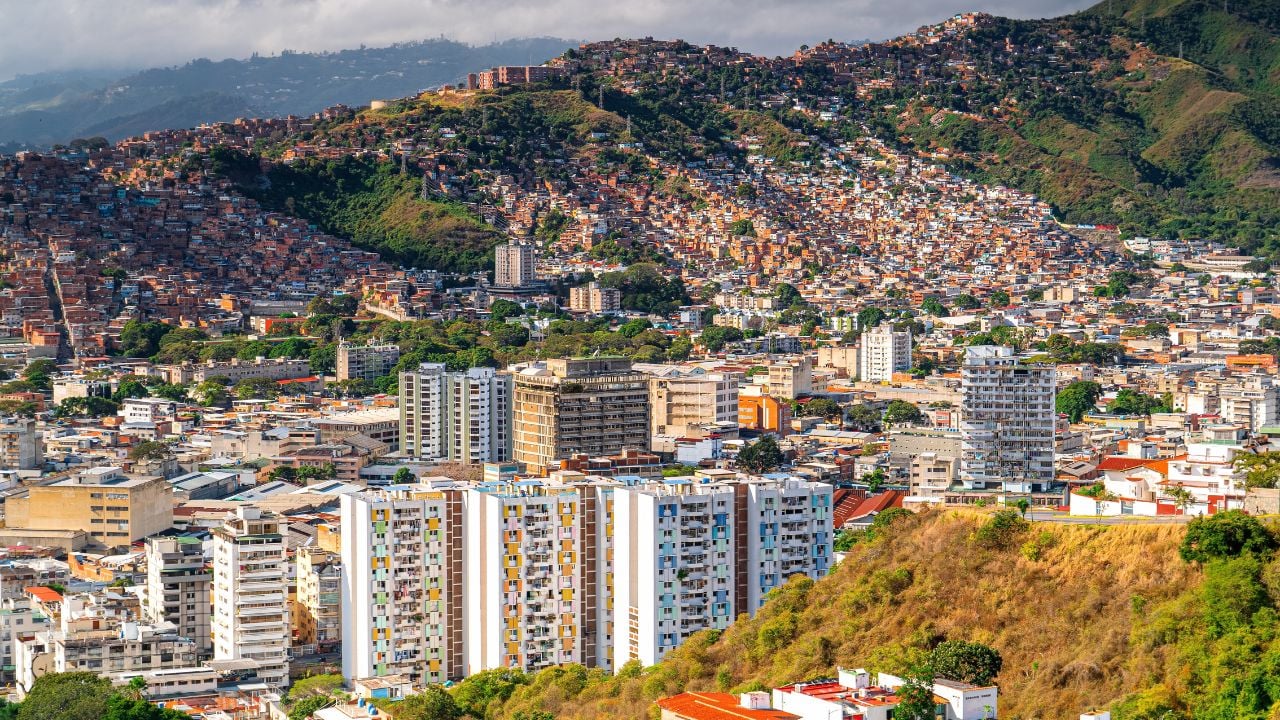
Caracas was once a vibrant cultural capital known for its museums, nightlife, and mountain-backed scenery. Today, it is considered one of the most dangerous cities in the world for travelers. Economic collapse, political unrest, and extreme shortages have destabilized daily life. Tourists face risks that go far beyond inconvenience or discomfort.
Violent crime, including armed robbery and kidnapping, is widespread and often unpredictable. Basic services such as electricity, healthcare, and transportation are unreliable, creating serious safety concerns. Foreign visitors are frequently targeted due to perceived wealth, making them especially vulnerable. Even experienced travelers find it difficult to navigate the city safely.
Most governments strongly advise against all travel to Caracas, and travel insurance often excludes coverage for Venezuela entirely. The tourism infrastructure has largely collapsed, leaving visitors without support systems. While the city retains cultural depth and natural beauty, it is no longer a viable or responsible travel destination. Caracas stands as a stark reminder of how systemic instability can erase tourism almost entirely.
3. Port-au-Prince, Haiti

Port-au-Prince once attracted visitors interested in history, art, and Caribbean culture. However, ongoing political turmoil and escalating gang violence have rendered the city extremely unsafe. Armed groups control large sections of the capital, making movement unpredictable and dangerous. Kidnappings, including of foreign nationals, have become increasingly common.
Infrastructure damage from earthquakes and hurricanes has never been fully repaired, compounding safety risks. Medical facilities are limited, emergency response is slow, and basic services are unreliable. Travelers face serious challenges accessing safe transportation and accommodations. Even humanitarian organizations operate under strict security protocols.
International travel advisories strongly discourage visiting Port-au-Prince for any purpose other than essential work. Tourism has nearly vanished, with cruise lines and airlines pulling out. While Haiti’s culture and resilience remain powerful, the risks for travelers are currently far too high. Port-au-Prince illustrates how compounded crises can eliminate tourism entirely.
4. Tripoli, Libya

Tripoli was once a Mediterranean crossroads rich in Roman ruins and coastal beauty. Years of civil war and political fragmentation have turned the city into a high-risk zone. Armed militias, shifting power structures, and sporadic violence make conditions unpredictable. There is little to no tourism infrastructure remaining.
Foreign visitors face extreme risks, including detention, violence, and lack of consular assistance. Airports and borders frequently close with little warning, leaving travelers stranded. Medical care is severely limited, and evacuation during emergencies is difficult. Even seasoned journalists and aid workers operate under heavy security.
Most countries advise against all travel to Libya, and entry can still be difficult. Tourist visas are possible, including via Libya’s newer e-visa system, but travel remains high risk and often requires strict planning and local coordination
5. Mogadishu, Somalia

Mogadishu’s coastline and cultural heritage once held promise for tourism. Today, the city remains one of the most dangerous destinations on the planet. Ongoing insurgent activity, terrorism, and political instability dominate daily life. Security incidents occur frequently and without warning.
Foreigners are at extremely high risk of targeted attacks, including bombings and kidnappings. Travel within the city requires armed escorts, and even then safety is not guaranteed. Infrastructure is fragile, and access to medical care is severely limited. Tourism as an industry effectively does not exist.
Governments worldwide advise against all travel to Mogadishu. Insurance coverage is often unavailable, and consular support is minimal. While Somalia has areas slowly stabilizing, Mogadishu remains unsafe for leisure travel. The city represents one of the clearest examples of a destination entirely unsuitable for tourism.
6. Kabul, Afghanistan
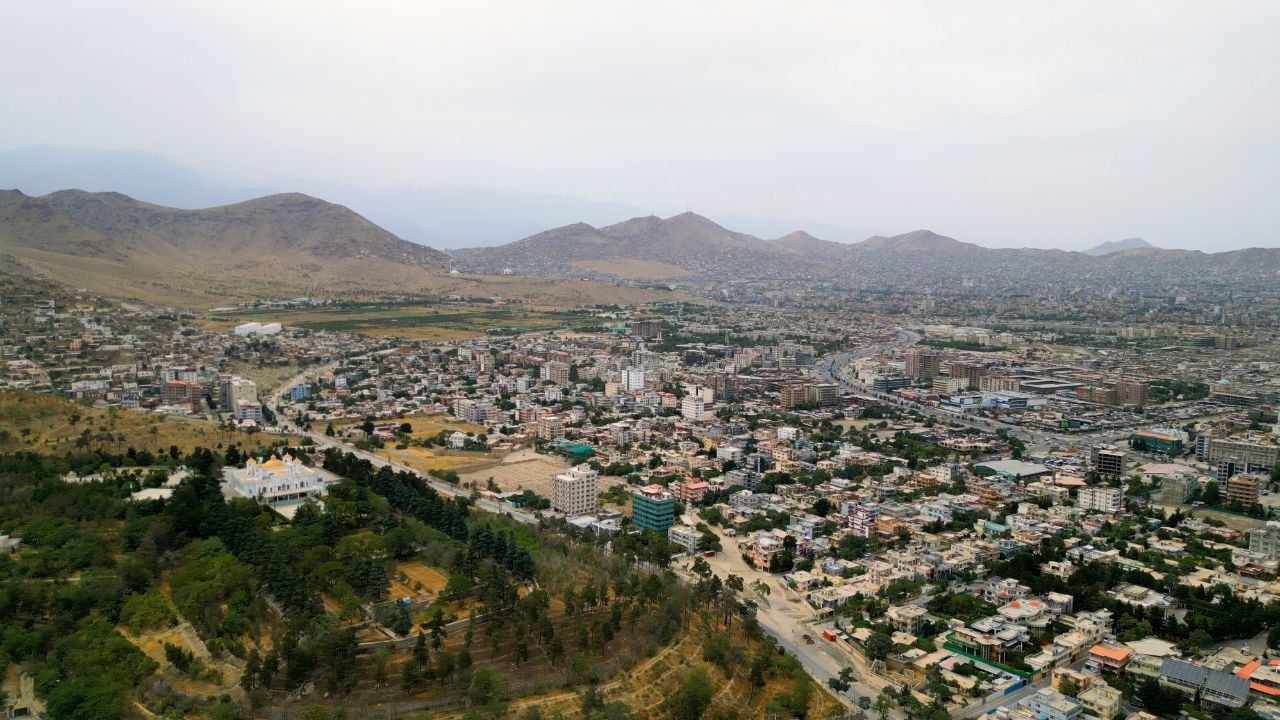
Kabul once attracted adventurous travelers interested in history, mountains, and culture. Decades of conflict have erased its tourism appeal. Security conditions remain volatile, with ongoing threats from violence and political uncertainty. Foreign visitors face extreme risk at all times.
Infrastructure has deteriorated significantly, and emergency services are unreliable. Travel restrictions change rapidly, often without notice. Visitors have little access to assistance in case of emergencies. Even basic travel logistics are difficult and unsafe.
Nearly all governments advise against any travel to Kabul. Tourism operations have ceased, and cultural sites are largely inaccessible. While Afghanistan’s heritage is vast, current conditions make travel irresponsible. Kabul stands as a sobering reminder of how conflict eliminates even the most resilient tourism destinations.
7. San Pedro Sula, Honduras
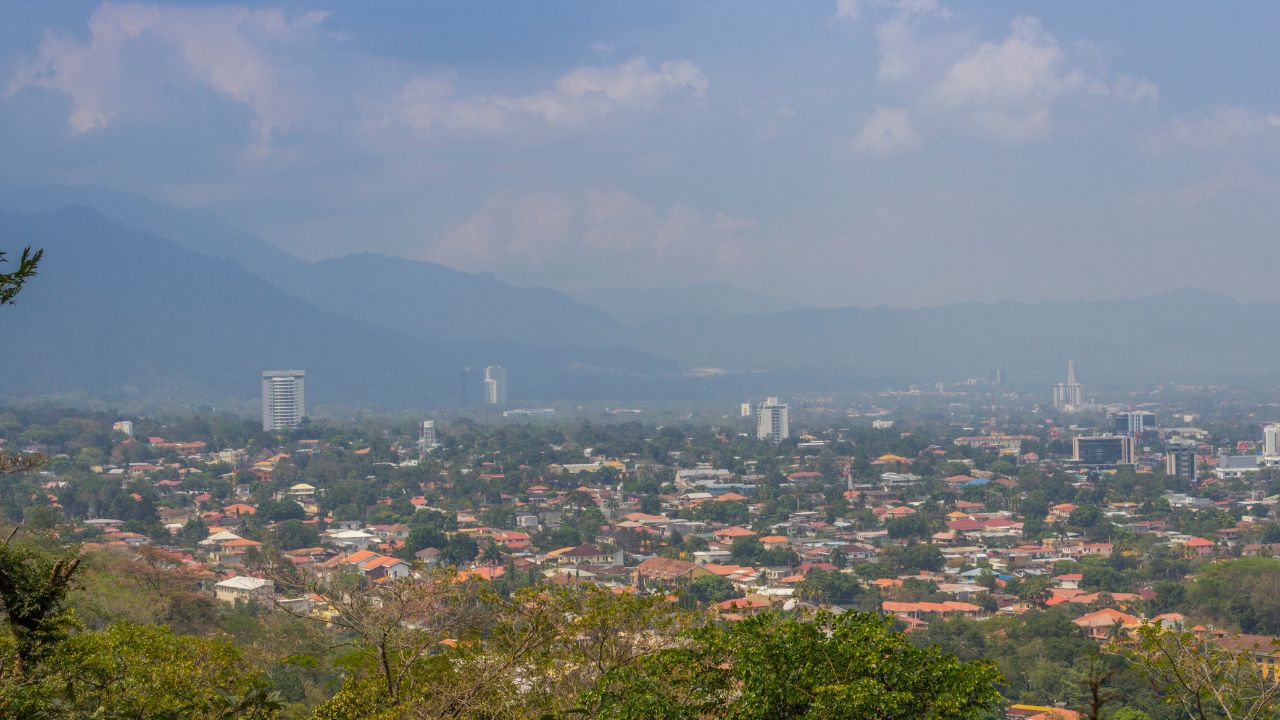
San Pedro Sula was once a gateway to Honduras’ beaches and ruins. It has since become infamous for violent crime and gang activity. San Pedro Sula has long been associated with extreme violence, although homicide rates have declined significantly in recent years. Crime and gang activity remain serious concerns for travelers. Tourists are particularly vulnerable due to limited security and policing.
Robberies, assaults, and extortion are common, even in areas previously considered safe. Transportation networks are unreliable, and emergency response is limited. Many travelers now bypass the city entirely. Airlines and tour operators have scaled back significantly.
Travel advisories warn against visiting San Pedro Sula except for essential reasons. While Honduras offers safer destinations elsewhere, this city remains high risk. Its decline highlights how crime alone can dismantle a tourism hub.
8. Aleppo, Syria

Aleppo was once one of the world’s oldest continuously inhabited cities and a cultural treasure. Years of devastating war have left much of it in ruins. Unexploded ordnance, damaged infrastructure, and ongoing instability make the city unsafe. While some organized visits still occur, most governments advise against travel due to instability, detention risk, and rapidly changing security conditions.
Basic services remain inconsistent, and medical facilities are severely limited. Security conditions can change rapidly, with little warning. Foreign visitors face risks from violence and detention. Access to assistance is extremely limited.
Governments strongly advise against all travel to Aleppo. While reconstruction efforts exist, safety remains a major concern. Aleppo’s story is a tragic example of how conflict can erase centuries of tourism in just a few years.