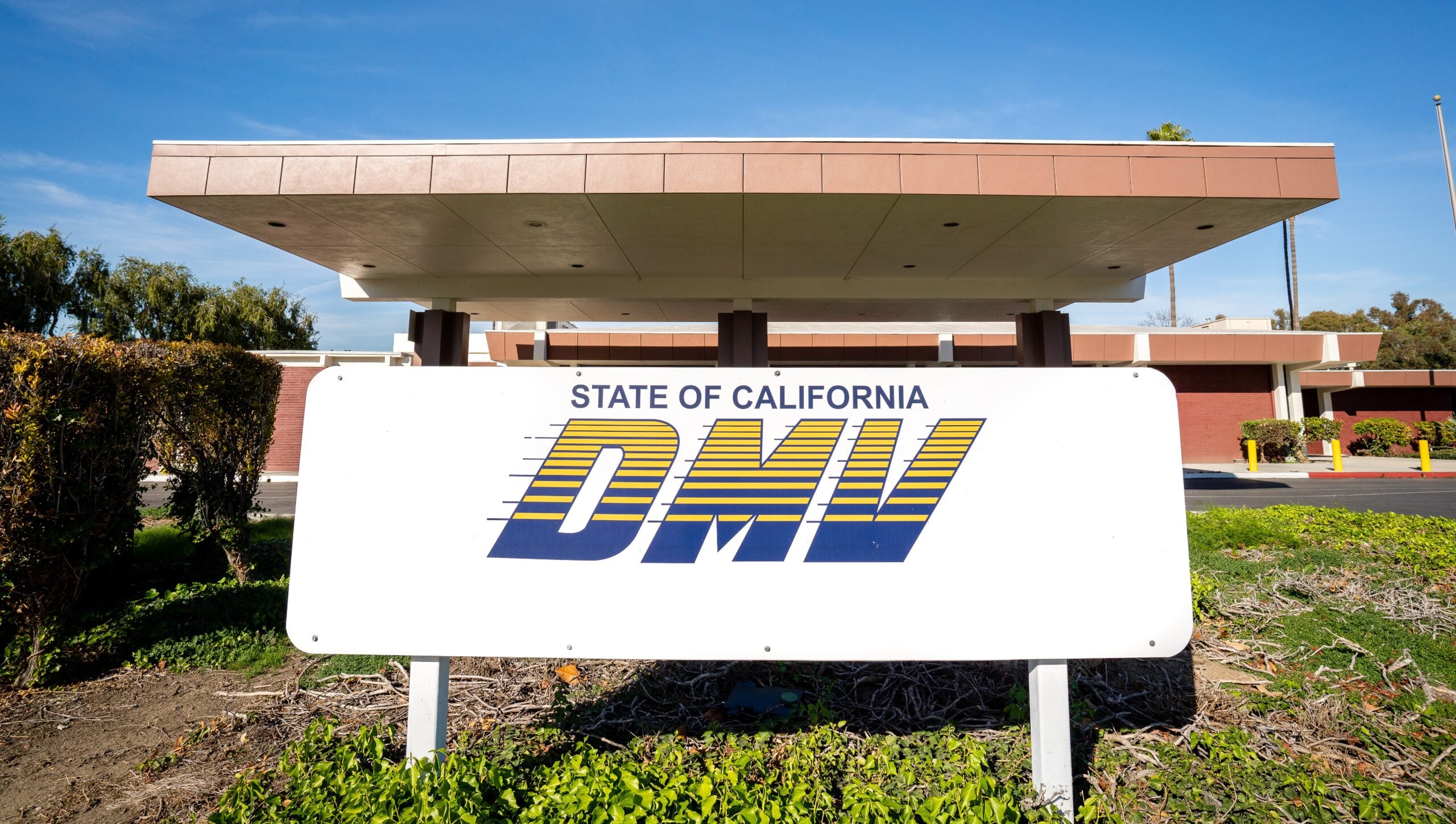
California lawmakers are blocking a $55 million DMV request to connect the state’s driver’s license records to a nationwide verification system used by motor vehicle agencies nationwide.
At the center of the dispute are more than one million California residents who obtained driver’s licenses under Assembly Bill 60, a law that allows people to receive a standard driver’s license regardless of immigration status. Some California lawmakers fear sharing information through the system could make it easier to identify some AB 60 license holders and potentially expose them to immigration enforcement.
The California DMV argues the system is needed to verify identities, detect duplicate driver’s licenses issued in multiple states, and help maintain compliance with federal Real ID requirements. Critics counter that once California uploads the information, the state may lose control over how that data is accessed or used in the future.
According to CalMatters, lawmakers are withholding the funding the DMV requested, creating a standoff that could delay California’s entry into the system and complicate the state’s efforts to meet federal identification standards.
What Is an AB 60 Driver’s License?
The entire dispute revolves around a type of California driver’s license known as an AB 60 license.
Created by Assembly Bill 60, also known as the Safe and Responsible Drivers Act, the program allows California residents to obtain a standard driver’s license even without proof of legal presence in the United States.
To qualify, applicants must still prove their identity and California residency, pass the written knowledge test, and complete the same behind-the-wheel driving test required of other drivers. The licenses do not provide legal immigration status, cannot be used for federal identification purposes, and are not valid for boarding commercial flights. They exist solely to allow qualified California residents to drive legally.
Since the law took effect in 2015, more than one million Californians have obtained licenses through the program.
Supporters originally argued the law would improve public safety by bringing more drivers into the licensing and insurance system. A 2017 study by researchers at Stanford University found that California experienced thousands fewer hit-and-run crashes after the law took effect, estimating the policy reduced hit-and-run accidents by roughly 7% to 10%. Supporters of AB 60 have long argued that licensed, tested, and insured drivers make roads safer regardless of immigration status, while critics contend the policy undermines federal immigration enforcement.
What Happens if California Doesn’t Participate?
That’s the question driving much of the debate.
State officials say the data-sharing effort is tied to compliance with the Real ID Act, the federal law that governs the identification accepted at airport security checkpoints and certain federal facilities.
Earlier reporting by CalMatters found that advocates who participated in briefings with the DMV and Governor Gavin Newsom’s office came away believing that the Department of Homeland Security could eventually refuse to accept California-issued identification if the state remains outside the verification system.
While officials have not publicly stated that California licenses would immediately become invalid for air travel, the DMV has consistently argued that participation is necessary to maintain compliance with the federal identification framework.
What Is AAMVA?
At the center of the fight is an organization most drivers have probably never heard of. The American Association of Motor Vehicle Administrators, or AAMVA, was founded in 1933 and represents motor vehicle agencies throughout the United States and Canada.
The nonprofit organization develops standards, operates information-sharing systems, and helps DMV agencies verify driver, vehicle, and identity information across jurisdictions. Its State-to-State Verification Service and SPEXS platform allow participating states to determine whether a person already holds a driver’s license or identification card in another state.
AAMVA says its systems process billions of transactions annually and are designed to reduce identity fraud and duplicate licensing.
Why Are Critics Opposed?
Opponents are focused on how information about California’s AB 60 license holders could appear in the system.
According to CalMatters, the verification system includes the last five digits of a driver’s Social Security number. For individuals without a Social Security number, participating states may use a placeholder value such as “99999.”
Critics argue that this could make some AB 60 license holders easier to identify within the system and fear the information could eventually make its way to federal immigration authorities. State officials maintain the network is intended for identity verification and duplicate-license detection rather than immigration enforcement.
AAMVA has disputed some of those concerns, stating that its systems cannot be searched in bulk and that searches require specific identifying information such as a person’s name and date of birth.
A Fight Bigger Than Driver’s Licenses
The debate has quickly expanded beyond DMV policy and become part of a much larger national argument over immigration enforcement.
California’s decision to issue driver’s licenses regardless of immigration status has long drawn criticism from people who believe the state has made it harder for federal authorities to enforce immigration laws. That broader debate now hangs over the DMV proposal.
Supporters view the system as a common-sense tool for verifying identities, preventing duplicate licenses, and maintaining compliance with federal identification standards. Opponents see it as a privacy risk that could expose information about California residents who were promised that data collected during the licensing process would not be used against them.
For now, lawmakers and the Newsom administration remain at an impasse.
The outcome will determine whether California joins a nationwide verification system already used by many motor vehicle agencies or continues to resist participation over concerns about privacy, immigration enforcement, and the promises made to more than 1 million AB 60 license holders.