

America has always had a hunger for machines with character, and the Japanese import wave arrived like a thunderclap, reshaping driveways, car meets, and entire subcultures. These cars rolled in with turbochargers whistling, tailpipes glowing, and reputations whispered through VHS tapes and imported magazines. The kids in cul-de-sacs dreamed of them while posters curled on bedroom walls, and veterans of Detroit steel argued over displacement sizes at diners, usually losing those arguments once someone mentioned power-to-weight ratios.
The import wave was about cars that seemed to land from another planet, cars with headlights that winked at the future, cars that carried the scent of Tokyo night air and the engineering precision that made American manufacturers nervously check their rearview mirrors. Every one of them had a story, and every one of them ignited sparks in garages across America.
Nissan Skyline GT-R R32

The R32 Skyline GT-R entered American consciousness through grainy VHS tapes and glossy magazines that smelled of fresh ink and unfulfilled automotive desires. It arrived with twin-turbo power producing 276 horsepower (or so Nissan claimed, winking at the gentleman’s agreement that kept Japanese manufacturers from admitting their cars actually made closer to 320 hp). The RB26DETT straight-six was built like a Swiss watch designed by caffeinated engineers who refused to accept that “good enough” was good enough.
The way its circular taillights glowed red in pairs became a calling card that every young tuner could sketch on notebook paper during calculus class. Drivers spoke of ATTESA E-TS all-wheel-drive systems as if they were secret weapons designed in hidden labs, which wasn’t far from the truth, considering it could detect wheelspin faster than most people could detect their spouse’s bad mood.
Import shops charged premiums that made luxury watches seem reasonably priced, allowing them to be brought in under complicated loopholes, and the price never deterred the faithful. The R32 wasn’t about cushioned rides or plush interiors: it was about raw ability wrapped in a package that could demolish Porsches on a track day while their owners wondered what that gray blur was that just passed them.
Every car meet featured at least one guy in a windbreaker telling stories about the “Godzilla” nickname from Australian touring car races, where it won 29 out of 29 races in 1991. Because apparently when you build a car that wins literally every race it enters, people start comparing it to giant radioactive monsters — which, honestly, seems fair.
Toyota Supra A80

The JDM-spec Supra was the stuff of legends, inspiring late-night fantasies and, later on, a very well-known drifting movie full of fast and furious cars. It was a coupe with curves that seemed designed by wind tunnels and manga artists working overtime on energy drinks. Its 2JZ-GTE engine carried twin turbos and produced — you guessed it — 276 hp on paper, though dyno sheets regularly showed numbers that would make the marketing department sweat bullets. This iron-block straight-six was so overbuilt that tuners discovered it could handle 1,000+ horsepower with internal components still stock, making it the Chuck Norris of automotive engines.
American fans marveled at Japanese-market versions with different trim options, tighter emissions, and those whispered details that made them feel untouchable, such as the fact that JDM Supras came with a proper six-speed manual, while early US models were limited to four speeds, apparently because Americans weren’t trusted with that many gears.
The car’s long hood and short rear end gave it a predatory stance that looked menacing even when parked at Starbucks. Inside, the cockpit wrapped around the driver like a fighter jet designed by people who actually understood ergonomics, with every gauge angled toward ambition rather than practicality.
Fans traded VHS copies of Shuto Kōsoku Trial like underground resistance fighters, watching Supras dominating late-night highway runs at speeds that would make modern safety engineers faint. The twin-turbo rush came with a soundtrack of sequential whooshes and pops that made underpasses echo like concert halls—assuming concert halls played exclusively in the key of “expensive insurance claim.”
Mazda RX-7 FD3S

The RX-7 FD3S was a sculpture of curves and a shrine to rotary worshippers who didn’t mind rebuilding engines more often than most people change their oil. Its bodywork flowed like water over stone, with pop-up headlights that winked like mischief.
Beneath the hood spun the 13B-REW, a twin-turbo rotary engine producing the usual “276” hp while weighing about as much as a well-fed golden retriever. This Dorito-shaped powerplant howled with a unique war cry that could wake neighbors three zip codes away and make emissions inspectors question their life choices.
The FD’s 50/50 weight distribution was so perfect it made physics textbooks jealous. Every corner felt like dancing with an elegant partner who knew all the steps and could lead you through moves you didn’t know existed. The car’s steering delivered whispers of the road through fingertips, assuming you could hear anything over that rotary banshee wail.
Japanese market versions carried trim variations and details that Americans pined for, adding fuel to the import hunger, much like Instagram photos of other people’s vacations. The Type R variant ditched the rear seats entirely because Mazda figured if you’re buying a rotary sports car, you’ve already made peace with impracticality.
Owners gathered in small rotary brotherhoods, sharing stories of rebuilds, apex seals, and late-night runs to gas stations, because rotaries drank premium fuel like it was going out of style and got gas mileage that made Hummers look economical.
Honda NSX
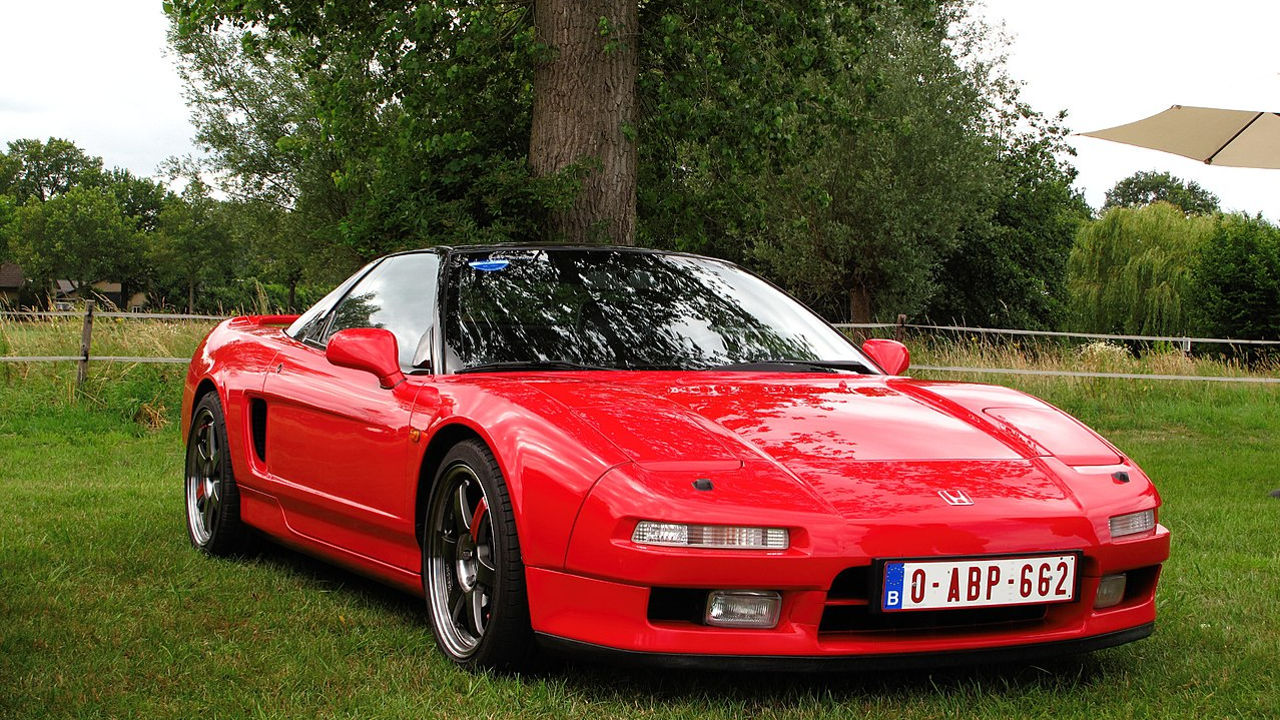
The JDM Honda NSX wore its badge proudly and carried engineering lessons straight from Formula One paddocks, where Ayrton Senna personally fine-tuned the suspension. Because when you’re building a supercar, why not get input from arguably the greatest driver who ever lived? It’s like getting cooking tips from Gordon Ramsay, except louder and with more carbon fiber.
Its aluminum body panels felt like science experiments come alive, weighing 200 pounds less than steel construction while costing approximately 47 times more to repair when some parking lot hero inevitably backed into it. Honda’s engineers designed the car to deliver exotic thrills with Japanese reliability, creating the first supercar that could theoretically be driven to work every day… assuming your work involved canyon carving and track days.
The 3.0-liter VTEC engine screamed at high revs like a banshee with perfect timing, delivering 270 hp (finally, someone who didn’t claim exactly 276) through a crescendo that drivers never forgot. VTEC kicked in around 5,800 rpm, transforming the car from refined cruiser to screaming missile faster than you could say “my neighbors hate me.”
Japanese-market versions introduced unique touches, from shorter gearing to details that collectors would covet years later, such as vinyl records and original Star Wars action figures still in their original packaging. The NSX proved that Japan could build a supercar on its own terms, without borrowing styling cues from Italian wedges or British electrical nightmares.
Nissan Silvia S13

The S13 Silvia was the poster child of drifting before drifting even had a foothold in America; back when sideways driving was considered either a mistake or a sign you needed new tires, not a lifestyle choice. Its sharp lines and pop-up headlights carried a cool factor that resonated with every tuner kid flipping through Option magazine, wondering why American cars looked like they were designed by committee and built by the lowest bidder.
Underneath lay the SR20DET, a turbocharged four-cylinder producing around 200-220 hp that begged for modifications and sang with turbo chirps sweeter than any boy band. This engine was so popular among tuners that finding an unmodified SR20DET became like finding a unicorn — if unicorns came with aftermarket intake systems and boost controllers.
Importers brought in JDM variants with trim levels unavailable in U.S. 240SXs, making them objects of envy among enthusiasts who knew that the American version got neutered engines and styling that looked like it lost a fight with a focus group. The Japanese Silvia carried a front end that actually looked intentional, unlike the 240SX’s face that seemed perpetually surprised.
The car’s chassis balance turned parking lots into playgrounds for sliding antics, and its affordability made it accessible to a new generation of enthusiasts; at least until drift tax inflated prices to the point where clean examples cost more than most people’s first houses.
Mitsubishi Lancer Evolution VI

The Evolution VI brought rally thunder to American shores long before official sales, arriving with wings, vents, and an aggressive stance that announced its intentions from blocks away. It looked like it was designed by aerodynamicists who moonlighted as anime character designers, creating something that could slice air molecules while looking absolutely menacing in mall parking lots.
Beneath the hood, the 4G63 engine spun with turbocharged fury, producing around 280 hp — because Mitsubishi decided to thumb their nose at the gentleman’s agreement and add four extra horses, probably just to see if anyone was paying attention. This cast-iron four-cylinder was built like a tank and could handle boost levels that would make other engines file for therapy.
The Evo VI’s all-wheel-drive system and active differentials created traction miracles that made physics professors question their textbooks. It could pull drivers through corners with ferocity that made sports cars costing twice as much weep into their leather-appointed interiors. The Active Yaw Control system managed power delivery with electronic precision that was borderline supernatural.
JDM imports came in limited trims that collectors hoarded like Pokémon cards, and every special edition became folklore among enthusiasts who could recite production numbers like baseball statistics. The Tommi Mäkinen Edition came with titanium shift knobs and different wheel colors, because rally champions deserve their own special editions, even if most buyers would never see gravel.
Subaru Impreza WRX STI Version V

The Version V WRX STI arrived with a sound that became instantly recognizable: the off-beat rumble of a turbocharged flat-four that sounded like a motorcycle with a cold. It came with trademark blue paint and golden wheels that looked like rolling banners of rally heritage, announcing to everyone within earshot that the driver took their coffee strong and their corners sideways.
The car’s hood scoop resembled a mouth that could inhale small birds, drawing air to a top-mounted intercooler the size of a coffee table. That massive wing generated enough downforce to keep the car planted at speeds where most drivers would be questioning their life insurance policies.
Japanese-market versions featured the EJ20 engine, which produced around 280 hp from 2.0 liters, demonstrating that displacement was intended for vehicles without turbochargers and advanced engine management systems. This boxer engine sat low in the chassis, giving the car a center of gravity that would make sports cars twice as expensive jealous.
The symmetrical all-wheel-drive system gave traction on dirt roads, wet highways, and mountain passes alike, making every grocery run feel like a potential stage rally. Fans adored the WRX STI because it brought adventure to everyday drives, assuming your definition of “everyday” included launching off crests and diving into hairpin turns.
Toyota Chaser JZX100

The Toyota Chaser JZX100 was a sedan that carried secrets beneath its sober exterior, like a sleeper agent disguised as a suburban dad’s mobile. To the untrained eye, it looked like a family four-door that wouldn’t hurt a fly, but under the hood spun the 1JZ-GTE, a turbocharged straight-six producing around 280 hp with limitless potential for making both power and poor financial decisions.
This inline-six was so smooth it made Swiss movements seem crude, revving to 7,000 rpm while sounding like angels singing — assuming angels were heavily caffeinated and had excellent taste in turbochargers. Japanese imports brought this car to American streets, where people double-took at its quiet menace, wondering how something that looked like an insurance adjuster’s daily driver could sound like a Formula One car at idle.
Drift kings loved the Chaser because its long wheelbase and perfect weight distribution let them swing the tail with precision and grace, creating smoke shows that would make tire manufacturers send thank-you cards. The rear-wheel-drive setup and limited-slip differential made it a natural sideways machine disguised as responsible adult transportation.
Inside, the Chaser offered comfort that made long trips feel civilized, even when turbos spooled with impatience at every traffic light. Leather seats, climate control, and sound deadening meant you could drift to the grocery store in comfort, arriving fresh enough to explain to your spouse why you needed racing tires for “better wet weather performance.”
Nissan Pulsar GTI-R

The Nissan Pulsar GTI-R appeared to be a humble hatchback that had gotten lost on its way to a PTA meeting, but beneath its compact body lay a heart built for rally stages and crushing the dreams of much larger cars. It carried the SR20DET engine producing around 230 hp, proving that good things come in small, turbocharged packages, especially when those packages include all-wheel drive and a rally-tuned suspension.
This pocket rocket was built for Nissan’s Group A rally homologation, meaning they had to build road cars to compete in racing, which was akin to being forced to eat dessert before dinner —a terrible burden that somehow resulted in one of the most capable hot hatches ever created.
The hood scoop fed a top-mounted intercooler, giving the Pulsar a purposeful look that separated it from regular grocery-getters like a tuxedo separates James Bond from insurance salesmen. Its all-wheel-drive system could launch it from a standstill with explosive traction, surprising larger cars whose owners suddenly questioned everything they thought they knew about performance.
Enthusiasts who imported one knew they were holding a piece of Nissan’s Group A rally history —a time capsule from motorsport battles that shaped legends and sparked countless arguments about which was cooler: the Lancia Delta Integrale (spoiler alert: they were both awesome, and the argument was pointless but entertaining).
Every Pulsar GTI-R at a meet drew curious onlookers who wanted to hear the story of its origins, mostly because it looked like something that should be delivering pizza but sounded like it could outrun the delivery truck, the customer’s car, and possibly low-flying aircraft.
The Last Lap of the Import Wave

The Japanese import wave filled American garages with dreams and fueled imaginations with style and performance that domestic manufacturers hadn’t quite figured out yet; though to be fair, they were busy perfecting minivans and trying to make sedans that looked like wedges of cheese.
These machines arrived with the sound of turbos, the smell of high-octane fuel, and the promise of nights that stretched endlessly down canyon roads where the only traffic was other enthusiasts who understood that speed limits were merely suggestions and that life was too short for naturally aspirated engines.
They carried technology that felt advanced enough to power spacecraft, styling that carried timeless appeal despite being decades old, and reputations forged on tracks oceans away, where drivers who could barely see over the steering wheel regularly humbled supercars costing 10 times as much.
Today, when modern vehicles hum quietly with electric assistance and large SUVs fill highways like automotive aircraft carriers, the sight of a right-hand-drive JDM coupe still evokes excitement among those who remember when cars had personality and weren’t afraid to show it.