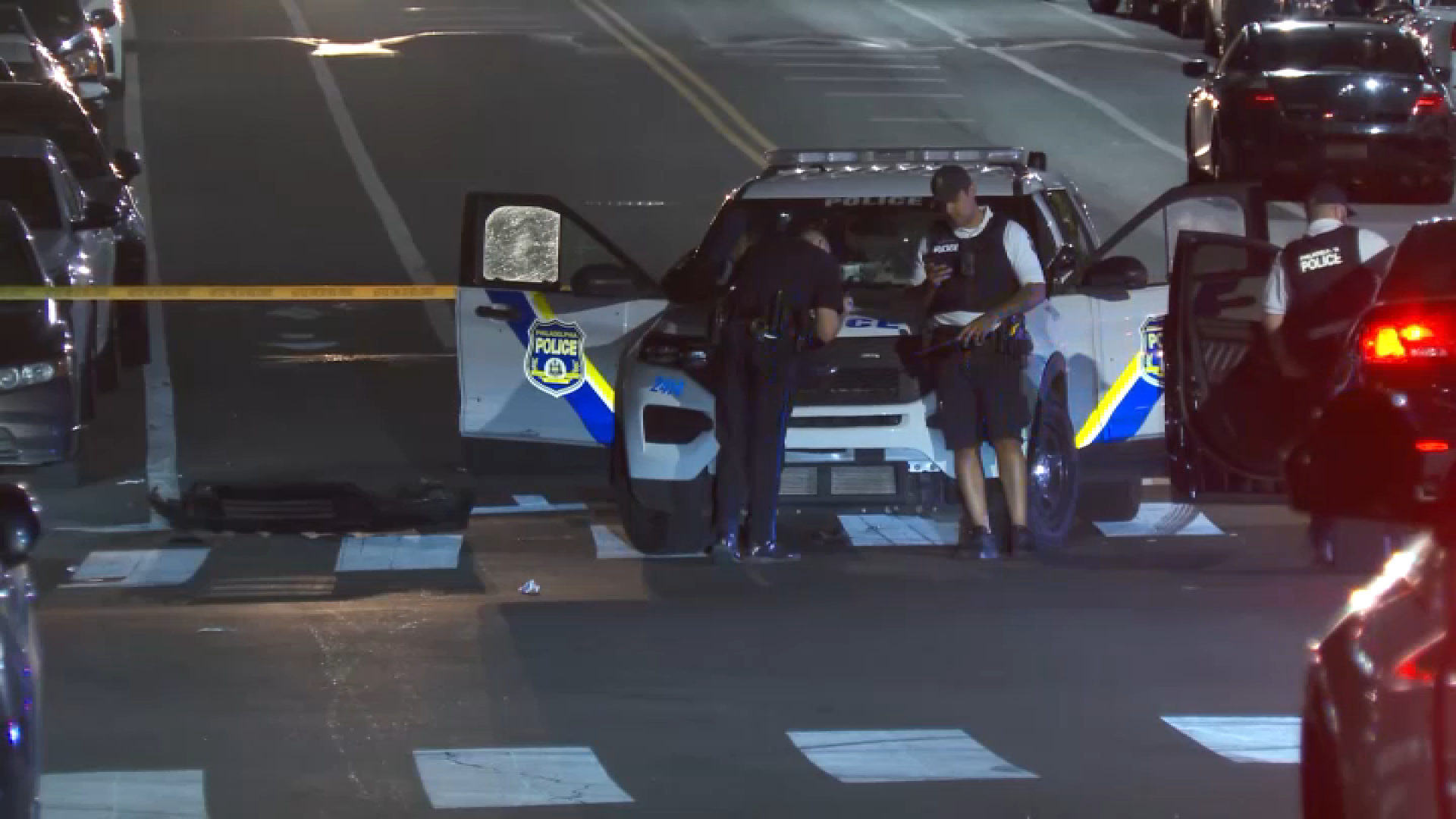
A late-night gathering in Philadelphia turned into a property damage incident early Sunday when officers responding to an unauthorized car meetup had one of their own vehicles struck by a participant trying to leave. It happened around 1:30 a.m. near G Street and Ramona Avenue in the city’s Juniata neighborhood, and if the timeline sounds familiar, that’s because it is.
No officers were injured, which is the genuinely good news here. No arrests were made either, which is the part that tends to frustrate people. The vehicle that struck the police car was gone before anyone could be taken into custody, and the meetup dispersed as quickly as these events typically do when blue lights show up. What police were left with was a damaged cruiser, a crowd that had evaporated into the early morning, and yet another entry in what has become a running log of enforcement headaches.
Philadelphia has been wrestling with the illegal car meetup problem for well over a year now. These events, typically organized through social media and announced just hours before they happen, draw crowds to intersections and parking areas for drifting, burnouts, and general automotive mayhem. They come together fast and scatter just as quickly. For a department trying to get ahead of something that moves at the speed of a group chat notification, that is not an easy equation.
What makes Sunday’s incident stand out slightly from the usual dispersal story is that a police vehicle was actually damaged in the process. A car leaving the scene made contact with a cruiser, and while it was not a dramatic collision, it does underscore how chaotic the margins of these events can be even during a routine response.
Philadelphia Has Made Illegal Meetups a Department Priority
The Philadelphia Police Department has been escalating its response to unauthorized gatherings for months.
After a large meetup dubbed “Project X” effectively shut down the intersection of Spring Garden Street, the department formed a dedicated car meetup investigative group and shifted from containment to proactive enforcement.
That is not a small policy change in a department the size of Philadelphia’s.
Police have also begun treating these meetups not as isolated one-off events but as organized operations with identifiable promoters, and social media investigators now actively monitor platforms to get ahead of scheduled gatherings.
The logic is straightforward: if you can find the announcement, you can find the address before the crowd does.
By mid-2025, the department had removed more than 600 vehicles from the streets as part of this effort, drawing notice from other departments around the country.
Philadelphia’s approach has apparently become something of a reference point for cities dealing with similar problems.
The Vehicles-Strike-Police Problem Is Not Unique to Philadelphia
What happened in Juniata on Sunday fits a pattern seen in cities across the country.
In Massachusetts, a crackdown on social-media-driven meetups followed incidents in which crowds actively targeted police cruisers, with participants sitting on hoods, striking vehicles with fists, and using fireworks against officers attempting to respond.
That is a considerably more hostile version of what happened in Philadelphia, but the underlying dynamic is similar: cars in motion, officers trying to manage the perimeter, and outcomes that are hard to predict.
In New York, the NYPD broke up a large illegal meetup as recently as April 2026, confiscating dozens of vehicles after reports of reckless driving and traffic disruptions.
The events keep happening, the response keeps escalating, and the cycle continues.
Why No Arrests Is the Detail That Matters
It would be easy to overlook the zero-arrest outcome as a minor footnote, but it is actually the central tension in how these events are being handled. When a crowd of 50 or 100 people scatters at the first sight of officers, the practical reality is that most participants walk away clean.
Philadelphia has tried to extend accountability beyond the moment of dispersal, working with the National Insurance Crime Bureau to report vehicle information to insurance companies and penalizing participants financially even when they are not caught immediately.
Spectators at these events, not just drivers, can also face fines of up to $300.
Whether that level of financial consequence registers with the people attending at 1:30 in the morning is a separate question.
What Legitimate Car Culture Looks Like by Comparison
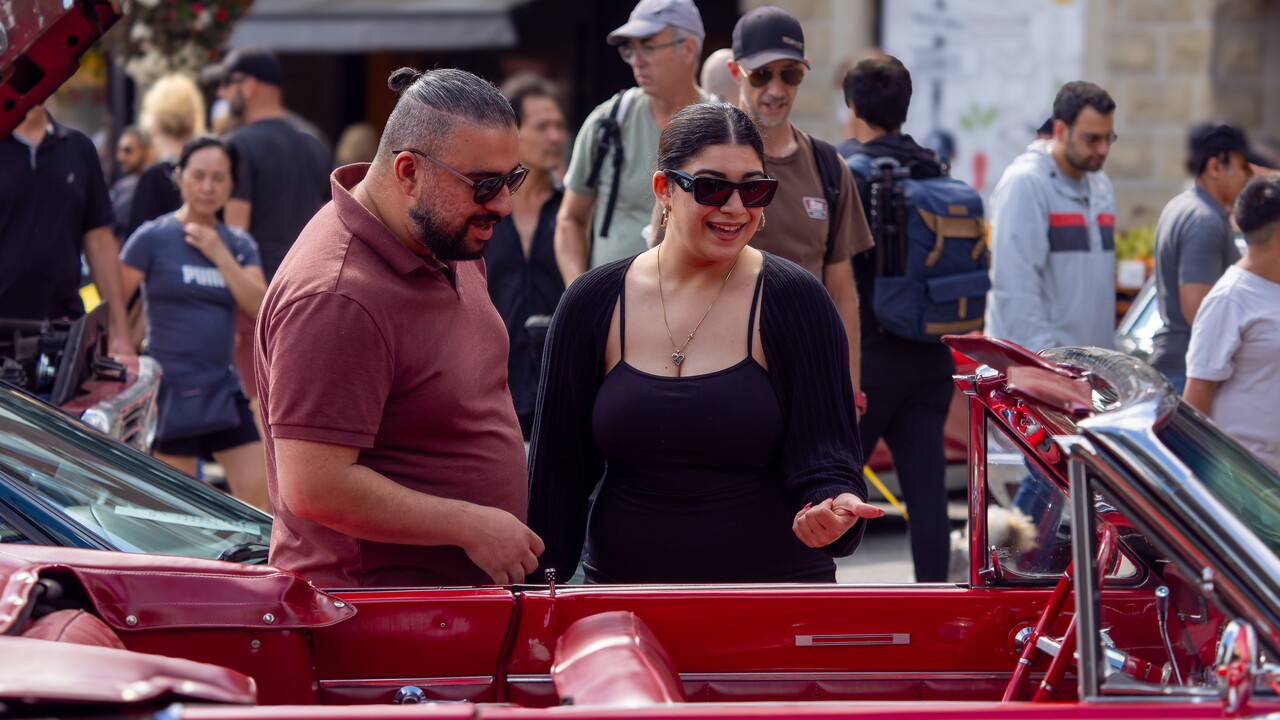
It is worth saying plainly, because someone always needs to: the people showing up to these late-night street events are not representing car culture in any serious sense of the term.
As one Massachusetts police chief put it directly, these are not car enthusiasts gathering on a Saturday morning in a parking lot to share their passion for automobiles. These are organized groups whose purpose is to cause disruption.
Actual car meets, the kind with insurance waivers, cones, and people who can describe the difference between understeer and oversteer, happen every weekend across the country without incident. The illegal variety gives that world a black eye it does not deserve, and that tends to be the part that sticks in the news cycle. Sunday’s damaged police cruiser in Juniata is a small incident in the larger story of how cities are trying to bring some order to a problem that, for now, keeps finding new intersections to take over.