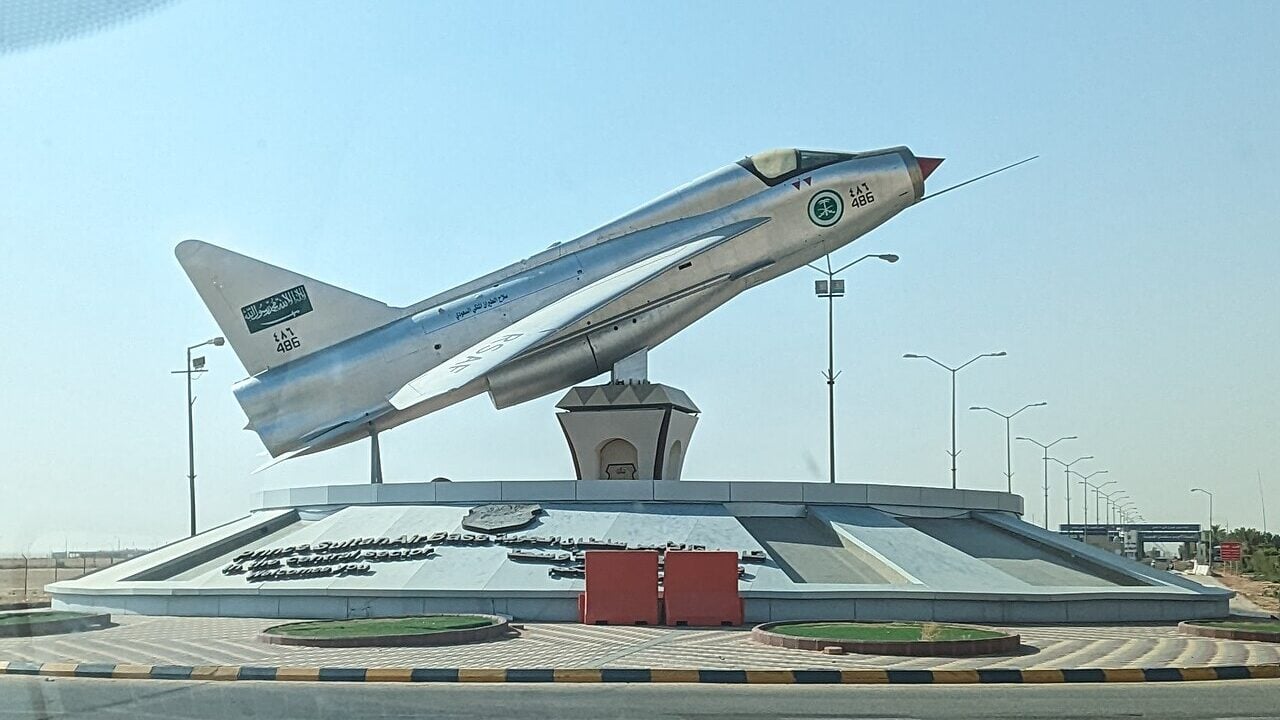

Rising tensions in the Middle East have now reached a point where even the logistics backbone of U.S. air operations is coming under fire. According to a report by The Jerusalem Post, five U.S. aerial refueling aircraft were damaged during an Iranian missile strike targeting a major American military hub in Saudi Arabia.
The incident reportedly occurred at Prince Sultan Air Base, a key installation used by the United States Air Force to support operations across the Middle East. The base hosts tanker aircraft, fighters, and support units that allow American aircraft to conduct long range missions across the region.
Five Tankers Damaged in Attack
According to the Jerusalem Post, Iranian missiles struck the base in recent days as part of Tehran’s broader retaliation for ongoing U.S. military operations linked to a campaign known as Operation Epic Fury. Five tanker aircraft were reportedly hit while parked on the ground.
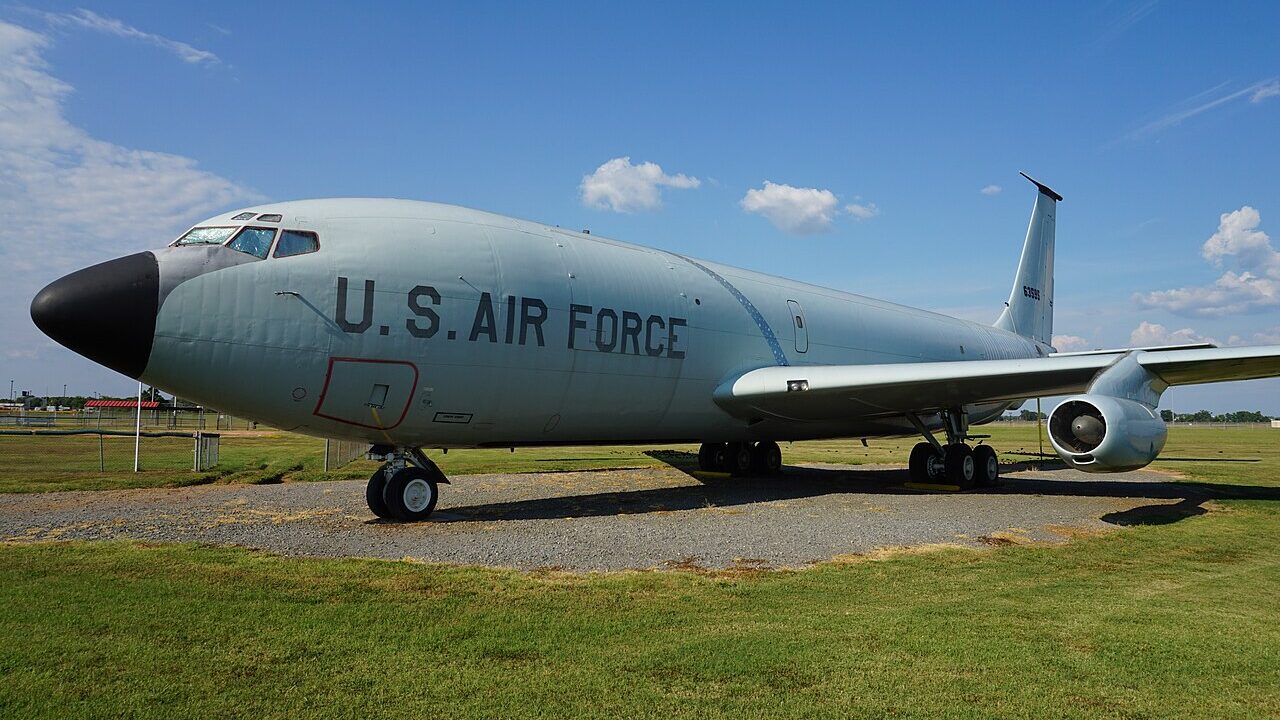
The aircraft involved are believed to be variants of the Boeing KC‑135 Stratotanker, one of the most important logistics platforms in the American military fleet. The aircraft’s main role is to refuel fighters, bombers, and surveillance aircraft in mid-air, allowing them to fly far longer missions than their internal fuel capacity would otherwise permit.
Despite the direct hits, the tankers were not completely destroyed. U.S. officials cited in multiple reports said the aircraft sustained damage but remain repairable and are currently undergoing maintenance. Importantly, no casualties were reported in the strike.
While the damage to the aircraft is significant, the attack also highlights the vulnerability of high value logistics platforms that are typically stationed at large regional bases. Tanker aircraft are essential to maintaining air superiority, particularly in conflicts that stretch across long distances.
A Series of Aviation Losses
The strike on Prince Sultan Air Base comes amid a series of aviation incidents tied to the escalating conflict. In a separate event just days earlier, two Boeing KC‑135 Stratotanker aircraft collided mid-air over western Iraq during a refueling mission.
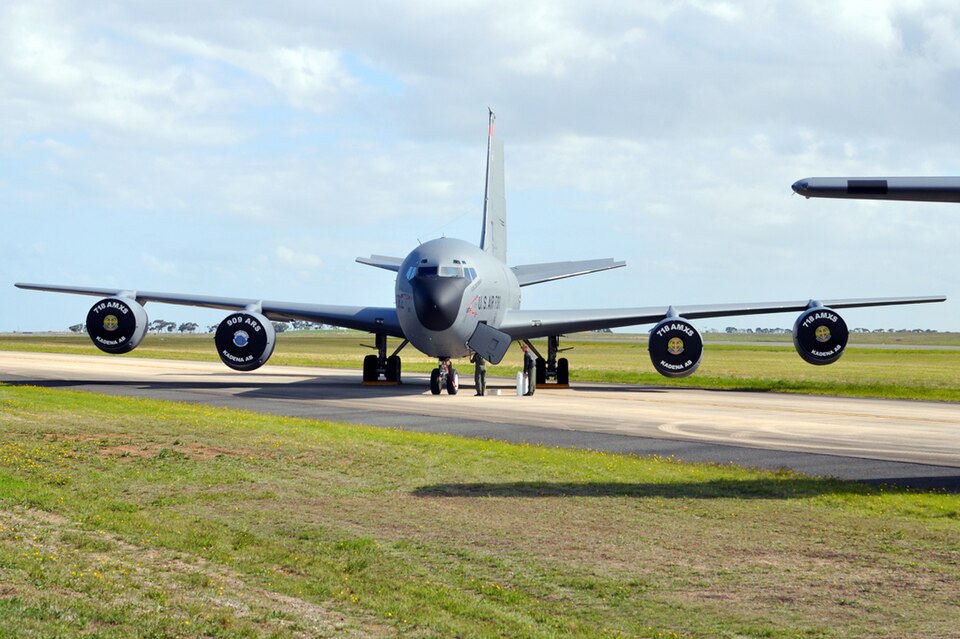
One of the tankers crashed, killing all six service members on board, while the second aircraft managed to land safely after sustaining major structural damage.
Pro Iran militia networks have also sought to claim responsibility for the crash. A group known as Islamic Resistance in Iraq said it had shot down the tanker. However, U.S. military officials rejected the claim and said the crash was not caused by hostile or friendly fire, suggesting the collision occurred during flight operations.
Taken together, these incidents have pushed the number of damaged or destroyed U.S. refueling aircraft in the current conflict to at least seven, according to reports citing American officials.
For military planners, the loss or damage of tanker aircraft carries serious operational consequences. Unlike fighters or drones, refueling aircraft act as airborne fuel stations that enable strike jets to reach distant targets and remain in the air longer. Without them, the effective combat radius of many aircraft is sharply reduced.
Strategic Implications
Prince Sultan Air Base has served as a major staging point for such missions. Located southeast of Riyadh, the base supports regional operations and hosts aircraft that provide mid-air refueling for strike missions and patrol flights across the Middle East.
As the confrontation between Washington and Tehran intensifies, attacks on bases, aircraft, and support infrastructure are increasingly becoming part of the battlefield equation.
While the damaged aircraft can likely be repaired, the incident underscores a broader strategic reality. Even the logistical lifelines that keep modern air power running are now within reach of enemy missiles.
Sources: The Jerusalem Post