
The United States military launched a major search and rescue effort after one of its aerial refueling aircraft was lost during an operation over western Iraq. The news raised fresh questions about what exactly happened during the mission, highlighting the risks involved in modern aerial refueling operations.
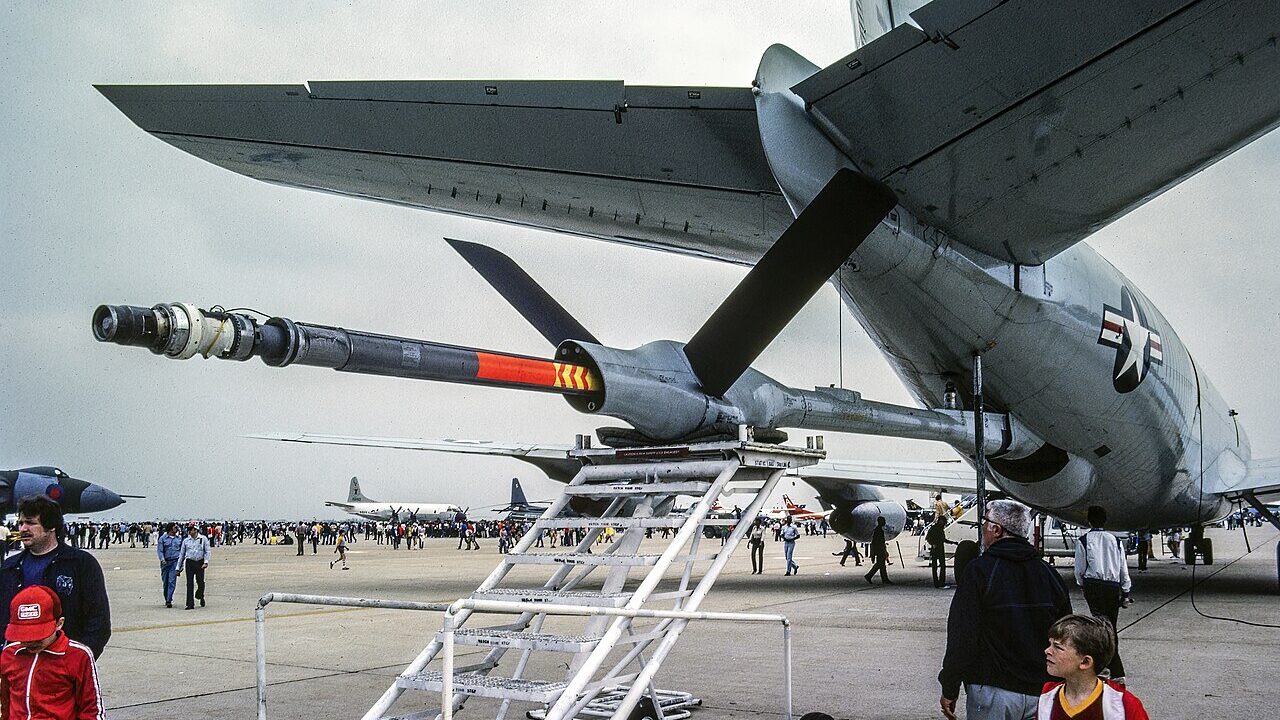
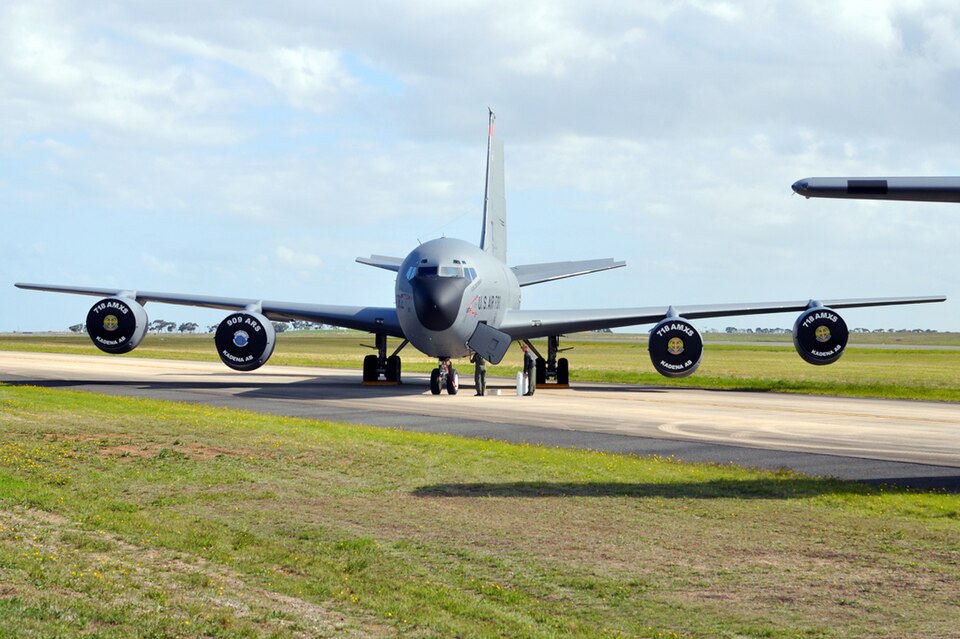
According to the US military’s United States Central Command, a tanker aircraft assigned to support ongoing combat operations crashed while flying over a remote part of western Iraq. The aircraft involved was a Boeing KC-135 Stratotanker, one of the US Air Force’s primary aerial refueling platforms and a critical component of long-range military air operations.
Officials said the tanker was part of a mission supporting combat activities connected to the broader regional conflict involving Iran and its allies. The aircraft was operating in Iraqi airspace when contact was lost, prompting an immediate response from US forces in the region.
CENTCOM confirmed that search and rescue teams were deployed soon after the aircraft was reported missing. The effort focused on locating the crew and determining the fate of the aircraft. At the time of the initial announcement, the military had not provided detailed information about the number of crew members on board or whether any survivors had been located.
The KC-135 and Its Mission
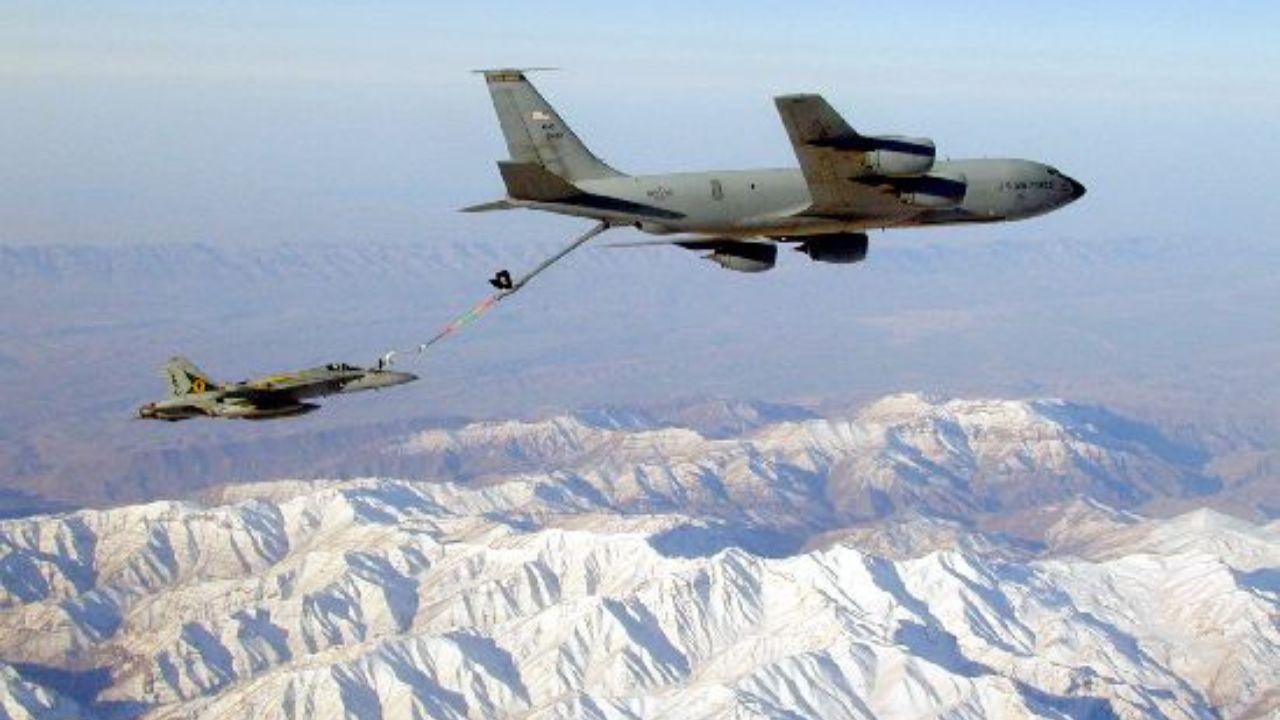
The KC-135 typically operates with a small crew that includes pilots and a boom operator responsible for transferring fuel to other aircraft during flight. The tanker plays a crucial role in enabling fighters, bombers, and surveillance aircraft to remain in the air for extended periods.
By refueling aircraft mid-flight, it dramatically extends operational range and endurance.
US officials said the aircraft had been flying alongside another tanker as part of the same mission. While the second aircraft was able to complete its operation and land safely, the lost tanker encountered a problem that resulted in the crash. The military has not yet disclosed what type of malfunction or incident occurred.
Early statements from CENTCOM suggested that the crash did not appear to be the result of hostile fire. The aircraft was operating in what officials described as friendly airspace at the time of the incident.
However, the situation became more complicated after an Iran aligned militia group operating in Iraq claimed responsibility for shooting down the aircraft.
The group, which is part of a network often referred to as the Islamic Resistance in Iraq, said it had targeted the tanker during the mission. US officials have not confirmed that claim and emphasized that the investigation into the crash is still in its early stages.
The Complexities of Aerial Refueling
Mid-air refueling operations themselves involve complex maneuvers that require aircraft to fly in extremely close formation. During a typical operation, the KC-135 extends a rigid boom from its tail to connect with a receiving aircraft. The process requires steady flight from both aircraft while fuel is transferred at high altitude.
Although aerial refueling is routine for modern air forces, it remains a technically demanding procedure that leaves little margin for error. Weather conditions, mechanical issues, or sudden maneuvering can complicate the process and potentially lead to accidents.
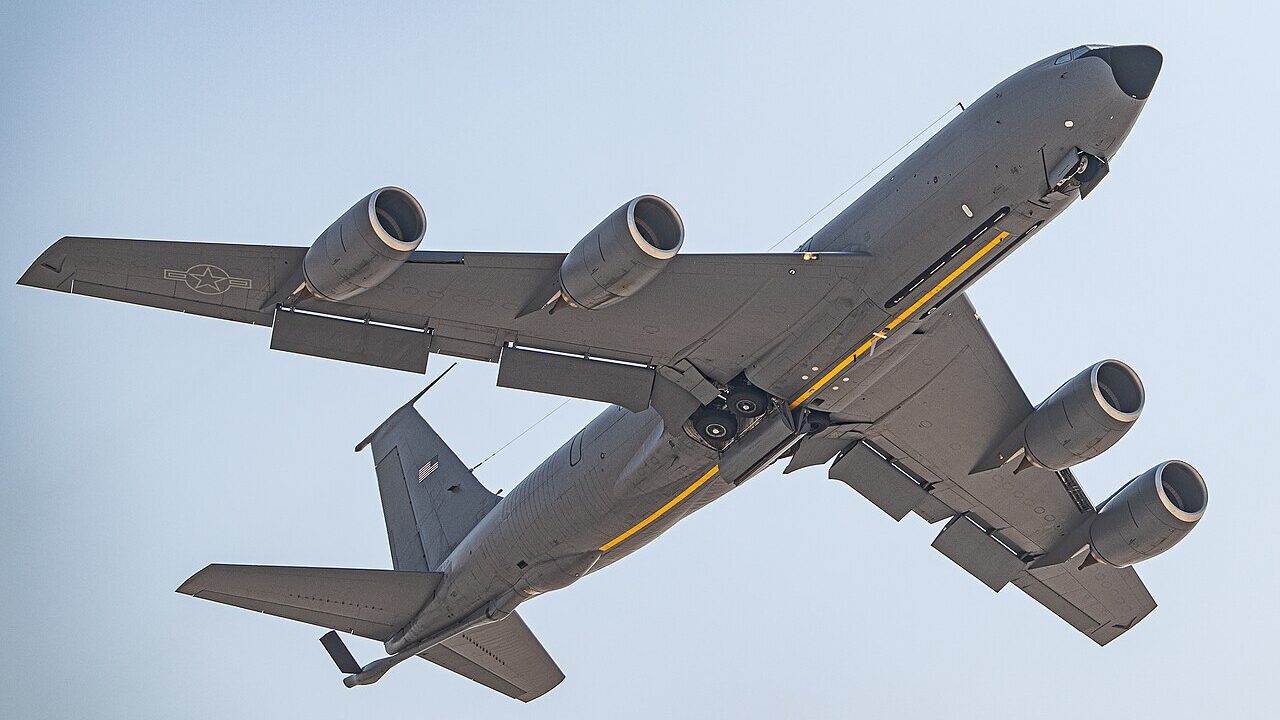
The United States Air Force has relied on the KC-135 for more than six decades. The tanker, developed from the Boeing 707 airliner platform, first entered service in the late 1950s and continues to play a central role in sustaining global US air operations.
Even as newer tankers enter service, the KC-135 remains widely deployed across multiple theaters. Its ability to support fighters and bombers over long distances has made it a cornerstone of American power projection.
Ongoing Investigation
The crash in Iraq is now under investigation as military officials work to determine what caused the loss of the aircraft and whether any operational or mechanical factors were involved.
For now, the focus remains on the search and rescue effort underway in the desert landscape of western Iraq, where crews continue to look for answers and, potentially, survivors from one of the most critical aircraft in the US military’s aerial fleet.
Sources: Aljazeera