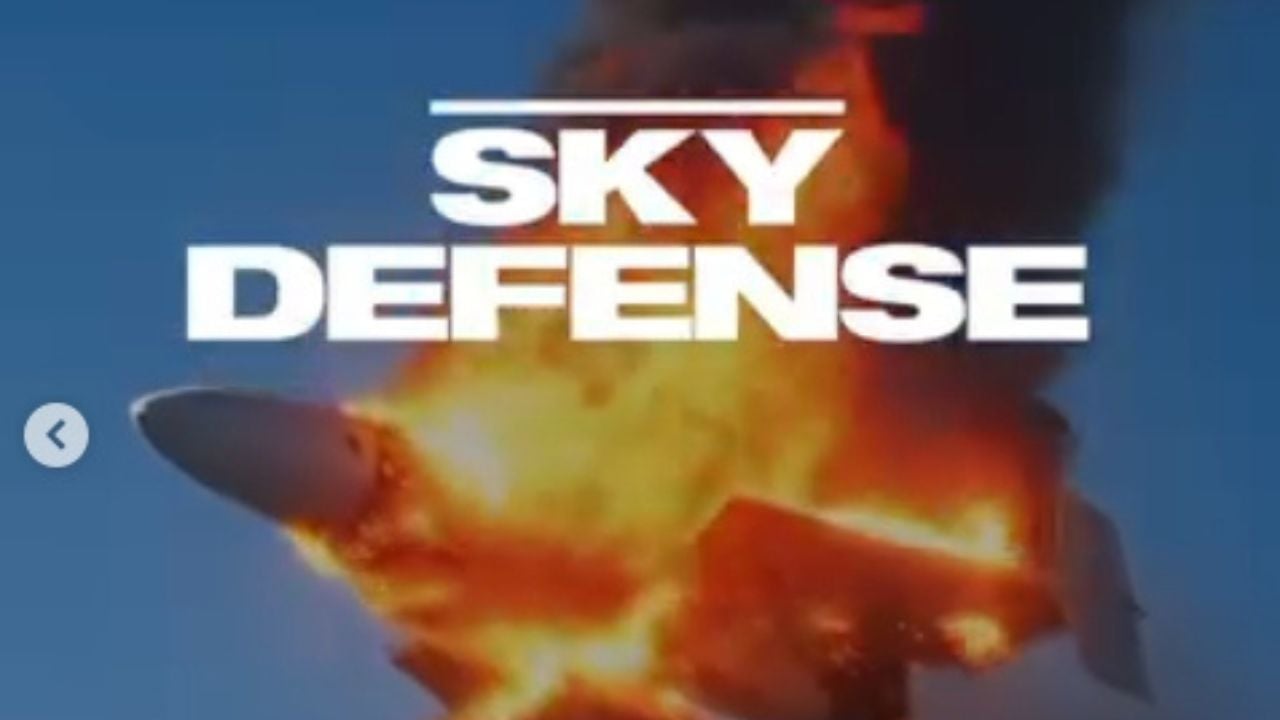

Ukraine’s rapidly evolving drone defense ecosystem is drawing intense international interest as countries search for affordable ways to counter the growing threat of loitering munitions and one-way attack drones.
The technology emerged out of necessity during the ongoing war between Ukraine and Russia, but it is now becoming one of Kyiv’s most sought-after military exports.
The Threat: Russia’s Shahed Swarms
Since the start of the full-scale invasion in 2022, Russian forces have relied heavily on the Iranian-designed Shahed series of loitering drones, originally developed in Iran.

These delta-wing UAVs are relatively simple weapons that use a small piston engine, GPS navigation, and pre-programmed targeting.
Russia has localized production of these drones, manufacturing them domestically in large numbers using Iranian blueprints and components. The drones typically carry warheads weighing between 30 kg and 50 kg and travel at speeds of roughly 112 mph to over 124 mph, making them slow but difficult to stop economically.
Russia frequently launches Shahed drones in coordinated waves that can involve dozens or even hundreds of aircraft. The strategy is designed to overwhelm traditional air defense systems and force defenders to expend expensive surface-to-air missiles on relatively cheap targets.
In response, Ukraine has built a layered defensive architecture specifically optimized for counter-drone warfare. According to Oleksandr Syrskyi, the commander-in-chief of Ukraine’s armed forces, the country’s interception rate against Shahed-type drones now sits at roughly 80 percent.
The Solution: Drones That Hunt Drones
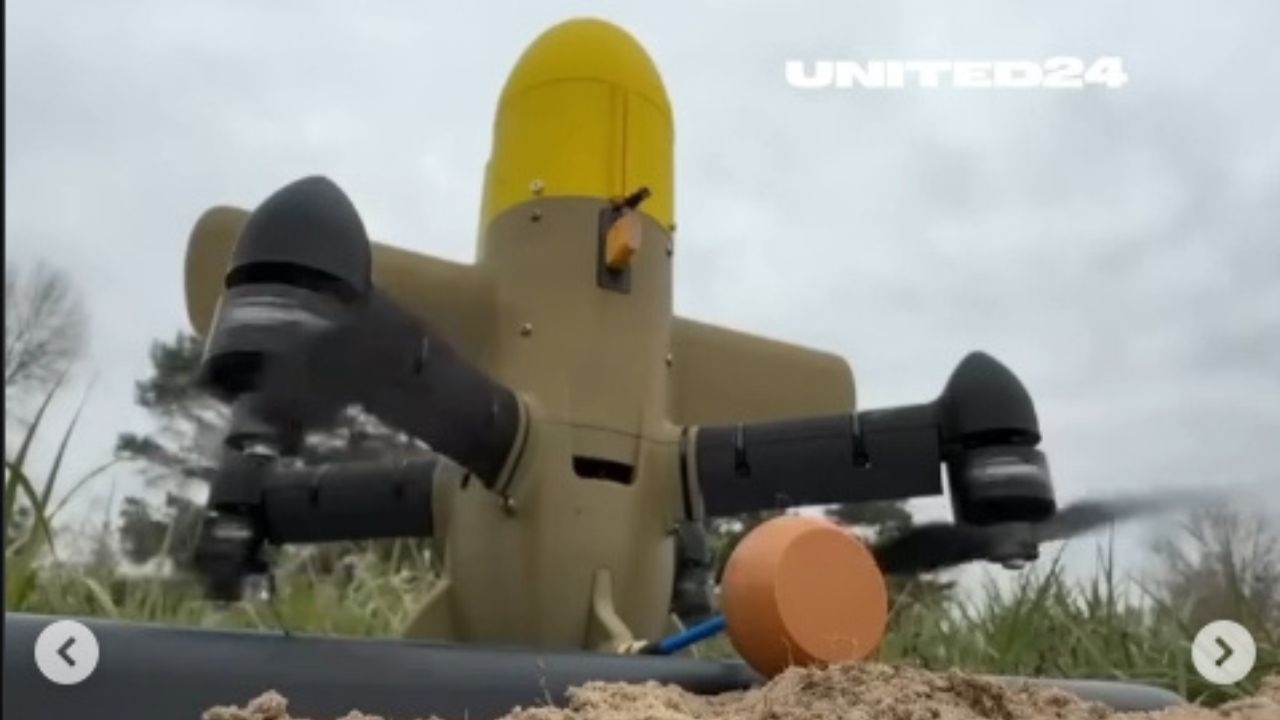
The system combines several complementary technologies. Mobile fire teams equipped with pickup trucks and heavy machine guns provide close-range defense. Electronic warfare units jam navigation signals and data links to disrupt incoming UAVs.
The newest and most innovative layer involves dedicated interceptor drones designed specifically to hunt and destroy hostile UAVs in flight.
Development of these interceptor drones reportedly accelerated in 2024 as Ukrainian engineers began adapting racing drone technology, high-speed FPV platforms, and autonomous targeting algorithms for air defense missions. By autumn 2025, the systems were being deployed widely across frontline and urban air defense units.
Production has scaled dramatically. Ukrainian defense officials say the armed forces now receive more than 1,500 specialized interceptor drones per day. The manufacturing surge is supported by a rapidly expanding domestic drone industry that includes hundreds of private startups and defense contractors.
The Economics: $1,200 vs. $3.5 Million
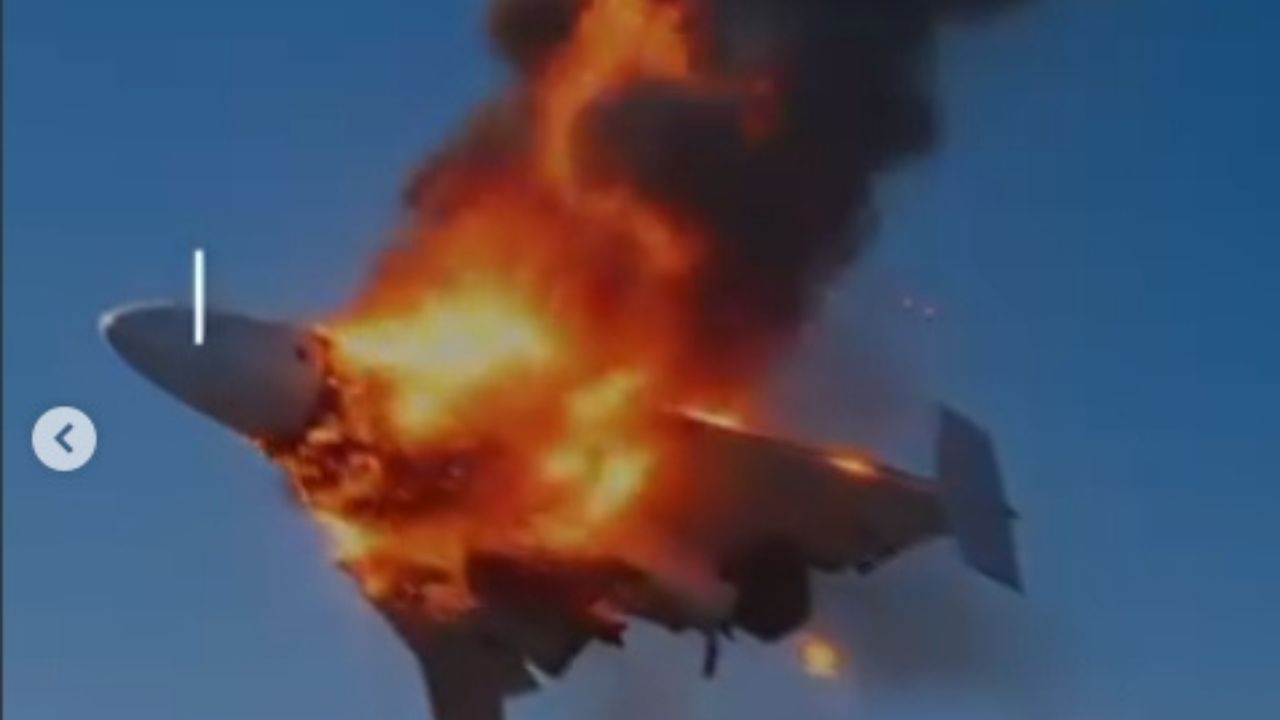
Cost efficiency is one of the biggest advantages of the system. Most interceptor drones cost between €1,000 (roughly $1,200) and €4,000 (around $4,650) depending on payload, sensors, and propulsion. By contrast, a typical Shahed attack drone cost between €25,000 ($29,000 approx.) and €40,000 ($46,400 approx.).
Traditional air defense missiles are dramatically more expensive.
For example, a single interceptor missile fired by the MIM‑104 Patriot air defense system can cost about €3.5 million. The system is optimized to intercept high-speed aircraft or ballistic missiles rather than slow propeller-driven drones.
Using such missiles against low-cost UAVs creates a severe economic imbalance for defenders.
View this post on Instagram
Ukrainian interceptor drones generally fall into two categories. The first type consists of agile quadcopters equipped with explosive payloads that detonate on impact with a target. These platforms use first-person-view control systems combined with optical tracking cameras. Operators guide them directly into the incoming drone.
The second type uses fixed-wing airframes capable of higher speeds and longer endurance. These drones can climb rapidly to intercept targets at altitude and may incorporate onboard radar or AI-assisted visual tracking to lock onto hostile UAVs.
One example is the Besomar-3210 interceptor platform, a compact fixed-wing drone designed for rapid launch and autonomous pursuit.
Ukrainian manufacturers are also developing systems with automated swarm coordination, allowing multiple interceptors to engage a large wave of incoming drones simultaneously.
Global Interests
The strategic impact of these systems is beginning to draw attention far beyond Eastern Europe. Ukrainian President Volodymyr Zelenskyy recently stated that the United States has requested Ukrainian assistance in defending against Shahed-type drones in the Middle East.
Ukraine has already begun showcasing its technology internationally. At the Dubai Airshow 2025, Ukrainian manufacturer SkyFall presented the P1-SUN interceptor drone to foreign military delegations, marking the first time one of the systems had been publicly displayed outside the country.
Domestic production continues to accelerate. Ukraine’s National Security and Defense Council reports that approximately 100,000 interceptor drones were produced in 2025 alone.
The country now hosts around 450 drone manufacturers, with roughly 40 to 50 considered top-tier developers capable of producing advanced military UAV systems.
With global drone warfare expanding rapidly, Ukraine’s experience has effectively turned the country into a testing ground for next-generation counter-UAV technology.
As nations confront the rising threat of inexpensive attack drones targeting cities, infrastructure and military bases, Kyiv’s low-cost interceptor model is emerging as one of the most scalable solutions currently available.