The 1990s were the decade when car culture hit its awkward teenage phase. Picture this: Clinton was in the White House, dial-up internet screeched like a dying modem, and everyone thought the world would end when Y2K rolled around. Meanwhile, America’s driveways were filled with cars that perfectly captured the era’s mix of optimism, questionable taste, and “good enough” engineering.
These weren’t the cars you saw in Road & Track or dreamed about while watching Miami Vice reruns. No, these were the rides that actually populated every suburb from sea to shining sea. They were the transportation equivalent of a Blockbuster Video membership, ubiquitous, reliable, and somehow deeply embedded in our cultural DNA. And we thought they’d be forever.
This was the era when cup holders became a selling point (revolutionary!), when “CD player” was a premium option, and when every car commercial featured a montage of people doing impossibly wholesome activities set to adult contemporary rock. It was beautiful in its own strange way.
How We Compiled the ’90s Parking Lot

These vehicles were chosen based on a mix of strong 1990s sales and sheer visibility in American driveways, ads, and rental lots. This is not a strict top fifteen sales ranking, because the goal is to capture the cars that felt unavoidable in the decade, not to run a data audit. These models were highly visible throughout the 90s, whether it was seeing them on the highway or all over TV ads. They’re now etched in our memories forever, like when you kept an Etch-a-Sketch there too long and no amount of erasing will get rid of those pesky outlines.
We settled on 15 because it lets us cover the familiar staples across a few segments without getting lost in regional one hit wonders or short lived spikes. Let’s stick with the ones we can say, without a doubt, defined 90s commuter culture.
Honda Civic
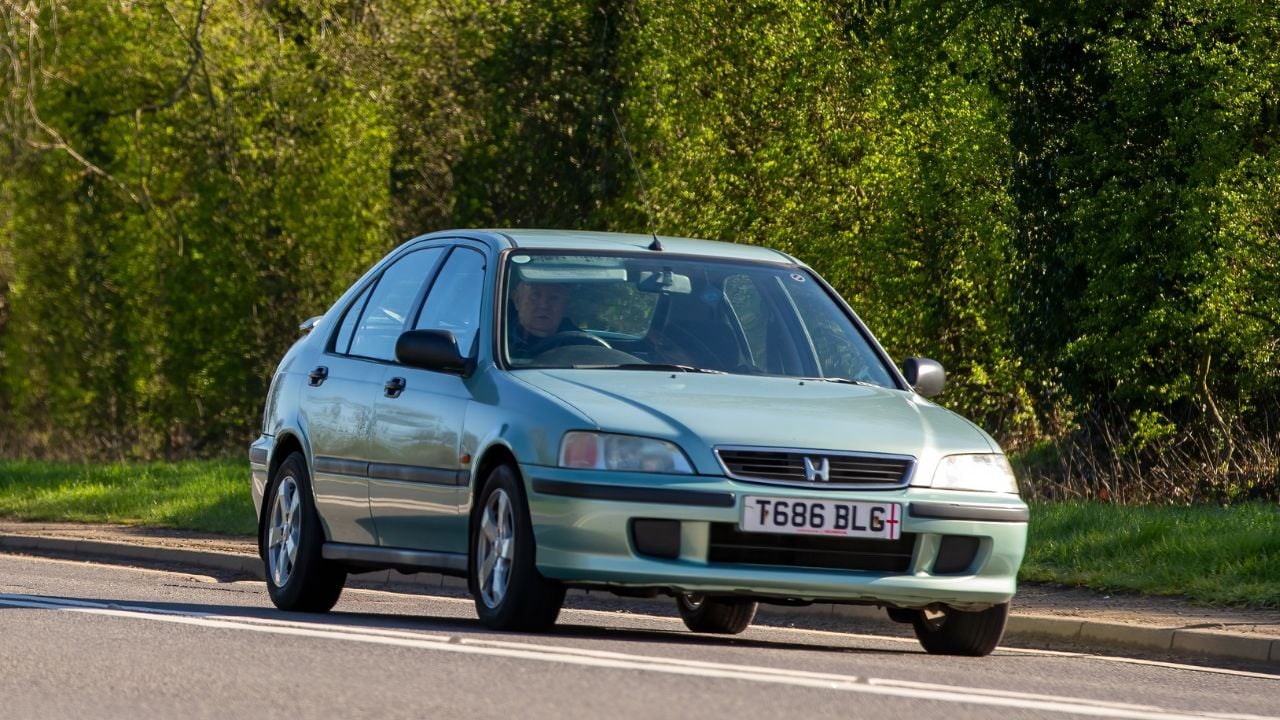
The Honda Civic was like the Accord’s scrappy younger sibling who listened to Nirvana and actually knew how to use a manual transmission. While other manufacturers were figuring out how to make cars that didn’t fall apart after 50,000 miles, Honda had already cracked the code with the Civic.
What made the Civic special wasn’t just its bulletproof reliability, it was the fact that it served as the Switzerland of automotive choices. Your conservative aunt Helen drove one to her book club. The kid from your high school with the backward cap and wallet chain drove one with an inexpensive exhaust. Both were equally valid life choices, somehow.
The real genius of the ’90s Civic was its democratic approach to modification. With a few hundred bucks and questionable judgment, you could turn a sensible commuter into something that sounded like an angry weed whacker and looked like it inspired the 2001 Fast & Furious movie (before that franchise became about stealing nuclear submarines or whatever). Body kits from JC Whitney? Check. Spoiler taller than Dennis Rodman’s hair? Double check.
Sales-wise, the Civic was crushing it. In 1996, Honda sold 286,350 Civics in the U.S. alone. That’s roughly one for every person who owned a pair of JNCO jeans. And unlike those pants, the Civics are still running today.
Ford Explorer

The Ford Explorer arrived in 1991 like America’s answer to a question nobody knew they were asking: “What if we took a pickup truck, put a roof on it, and convinced everyone it was sophisticated?” Genius.
This SUV was a cultural statement (and maybe not the most appealing one). Owning an Explorer in the ’90s meant you had transcended the lowly station wagon, that symbol of parental defeat. You were now commanding roughly 4,000 pounds of American steel and questionable aerodynamics. You sat up high, surveyed your suburban domain, and felt like the king of the Safeway parking lot.
The Explorer perfectly captured the ’90s family zeitgeist. It could haul a soccer team, tow a boat (in theory), and make you feel like you could drive to Alaska if the mood struck, even though the most off-roading most Explorers saw was driving over the speed bump at Target.
Ford sold about 3.3 million Explorers in the U.S. during the 1990s, putting it among the decade’s best selling SUVs. That’s a lot of people who decided they needed something bigger than a sedan but weren’t quite ready to commit to a full-size truck. It was the Goldilocks of utility vehicles: not too big, not too small, just right for hauling groceries and projecting an image of rugged capability you’d never actually use.
Toyota Camry

If reliability were a person, it would be the Toyota Camry, and it would be wearing khakis and New Balance sneakers. The ’90s Camry wasn’t just a car; it was a life philosophy wrapped in four doors and the emotional charisma of oatmeal.
Toyota engineered the Camry like they were building it for the apocalypse. While other manufacturers were still figuring out how to make cup holders that didn’t immediately break, Toyota was obsessing over making sure every Camry would outlive its owner. And their children. And possibly their children’s children.
The Camry’s secret weapon wasn’t performance or style, it was the complete absence of drama. Other cars had personalities, quirks, things that made them interesting. The Camry had none of that nonsense. It started every morning, got the mileage on the sticker, and never, ever left you stranded at a Denny’s at 2 AM.
This approach paid off spectacularly. The Camry became America’s best-selling car multiple times during the decade, moving over 400,000 units annually at its peak. It was the default choice for people who viewed cars the same way they viewed refrigerators: essential appliances that should work without thought or fanfare.
Jeep Cherokee
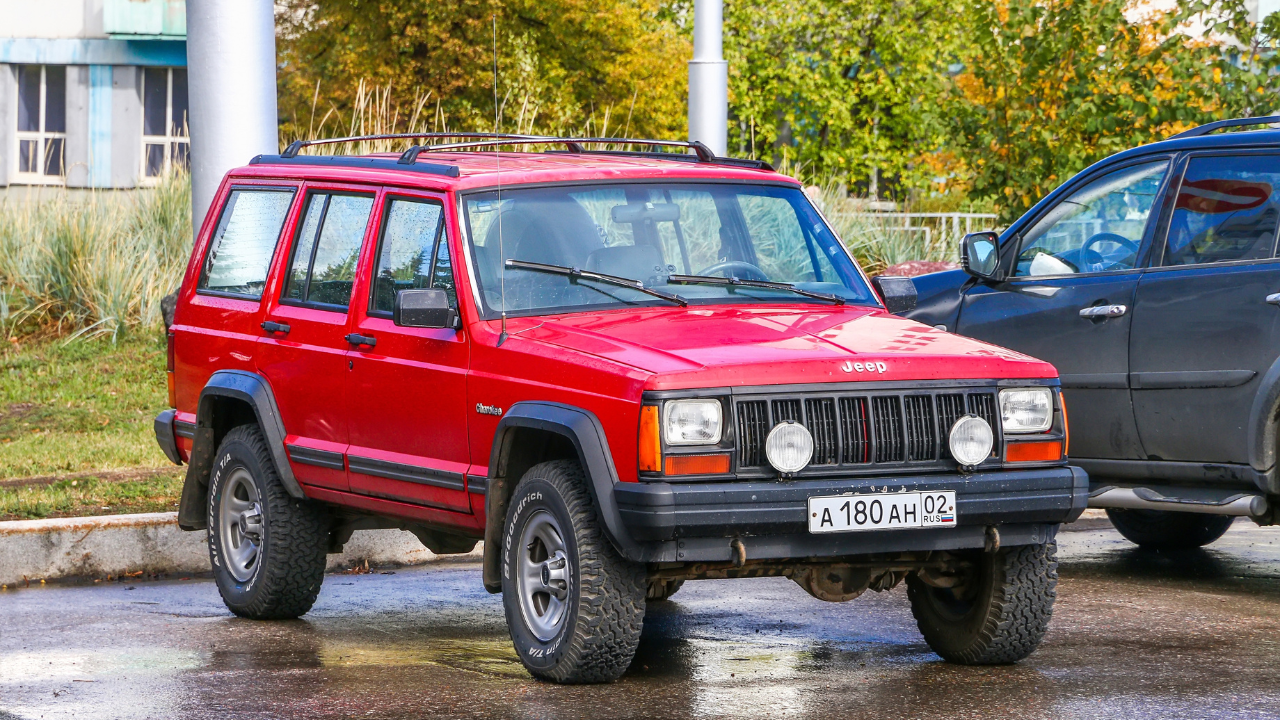
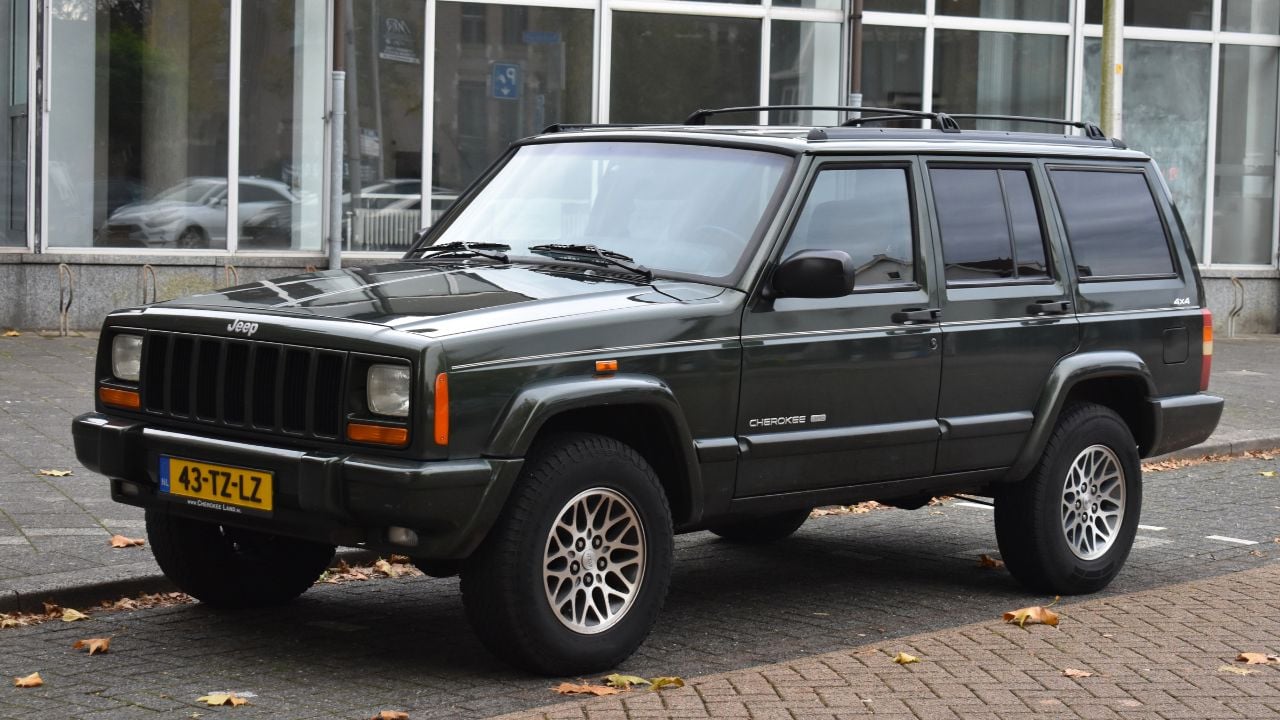
The Jeep Cherokee looked like someone had forgotten to smooth out the clay model before sending it to production, and somehow, this became its greatest asset. In an era when most cars were getting increasingly rounded and aerodynamic, the Cherokee stood proudly boxy, like a brick with wheels and attitude.
Launched in 1984 but hitting its cultural stride in the ’90s, the Cherokee was the SUV for people who wanted to look outdoorsy without necessarily being outdoorsy. It had that perfect “I could climb mountains” aesthetic, even though most Cherokee owners used that ground clearance primarily for getting over curbs at the mall.
What really set the Cherokee apart was its authentic ruggedness. Unlike some of its more refined competitors, the Cherokee looked like it was built to survive the apocalypse, which was a selling point in the era of X-Files and Y2K paranoia. Its straight-six engine was legendary for its reliability, often outlasting the rest of the vehicle.
The Cherokee also became the poster child for the emerging trend of vehicles being passed down through families like heirlooms. Dad bought it new, mom drove it for a few years, then it went to the teenager who promptly removed the muffler and added a lift kit. The circle of automotive life.
Dodge Caravan
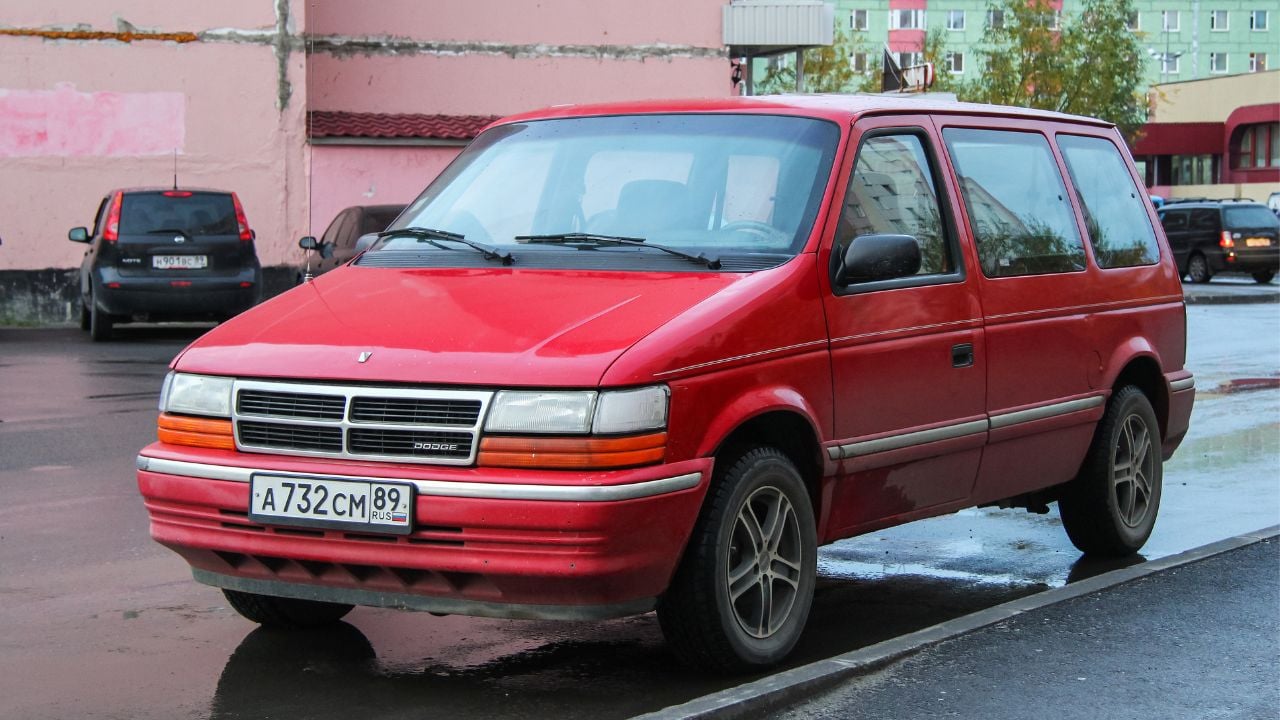
The Dodge Caravan was the transportation equivalent of giving up on your dreams and embracing reality. When you bought a Caravan, you were making a statement: “I have officially prioritized practicality over any remaining shred of automotive passion.”
But here’s the thing, it was brilliant at being exactly what it was. The Caravan pioneered the modern minivan when Chrysler introduced it in 1984, and by the ’90s, it had refined the formula to suburban perfection. Sliding doors that actually worked (revolutionary!), seats that folded into the floor, and cup holders strategically placed like a suburban command center.
The Caravan became the default choice for families who needed to transport more than two kids without requiring a commercial driver’s license. It could swallow car seats, strollers, soccer balls, and the occasional small piece of furniture from IKEA that you convinced yourself you could fit without measuring first.
Sales numbers tell the story: Chrysler sold over 3 million Caravans during the ’90s. That’s roughly one for every family who realized that dignity was a fair trade for the ability to haul an entire Little League team.
Chevrolet Tahoe
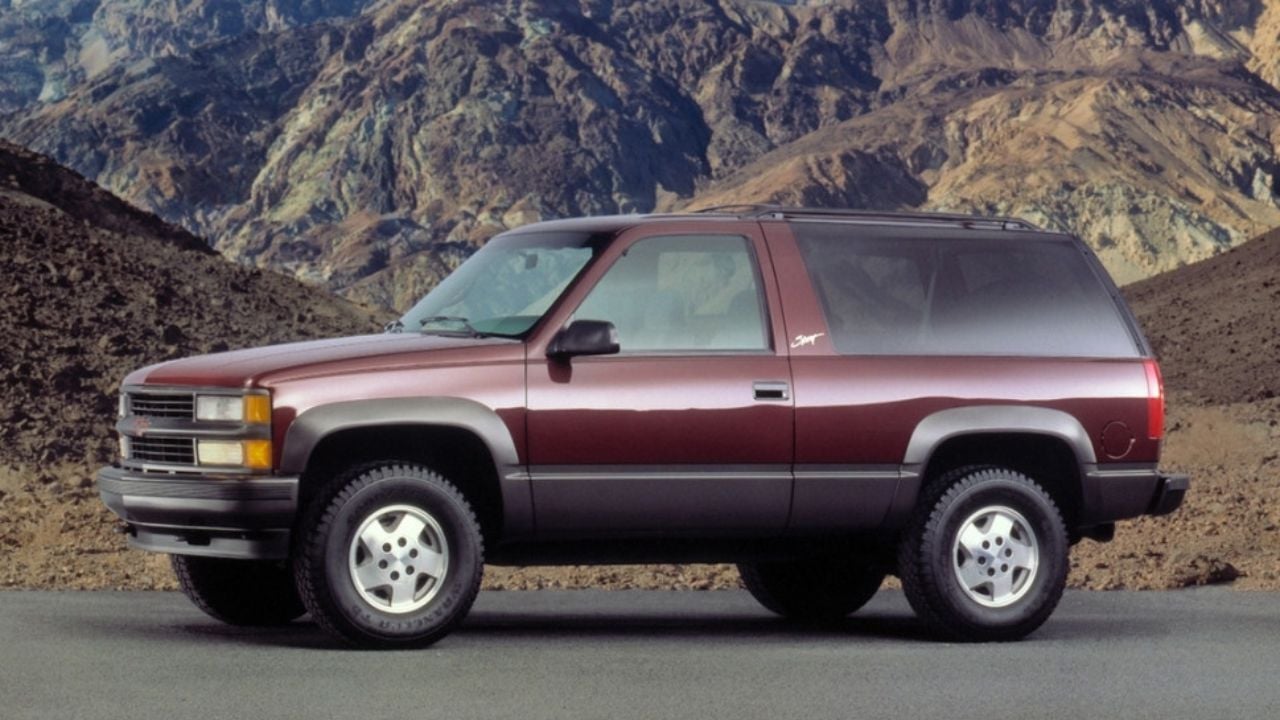
The Chevy Tahoe arrived in 1995 like America’s answer to the question “What if we made something even bigger?” Based on GM’s full-size truck platform, the Tahoe was for people who looked at the Explorer and thought, “That’s adorable, but I need something with real presence.”
This was peak American automotive excess distilled into a single vehicle. The Tahoe didn’t just occupy parking spaces; it conquered them. It didn’t sip fuel; it consumed it with the enthusiasm of a college freshman at an all-you-can-eat buffet.
But size wasn’t the Tahoe’s only party trick. It could actually do truck things: tow a boat, haul a trailer, carry eight people and their luggage to Disney World. In the ’90s economy boom, when gas was cheap and environmental consciousness was something for hippies and Europeans, the Tahoe made perfect sense.
The timing was impeccable. American families were getting larger vehicles just as they were getting smaller, creating a beautiful irony that perfectly captured the era’s contradictions.
Saturn SL
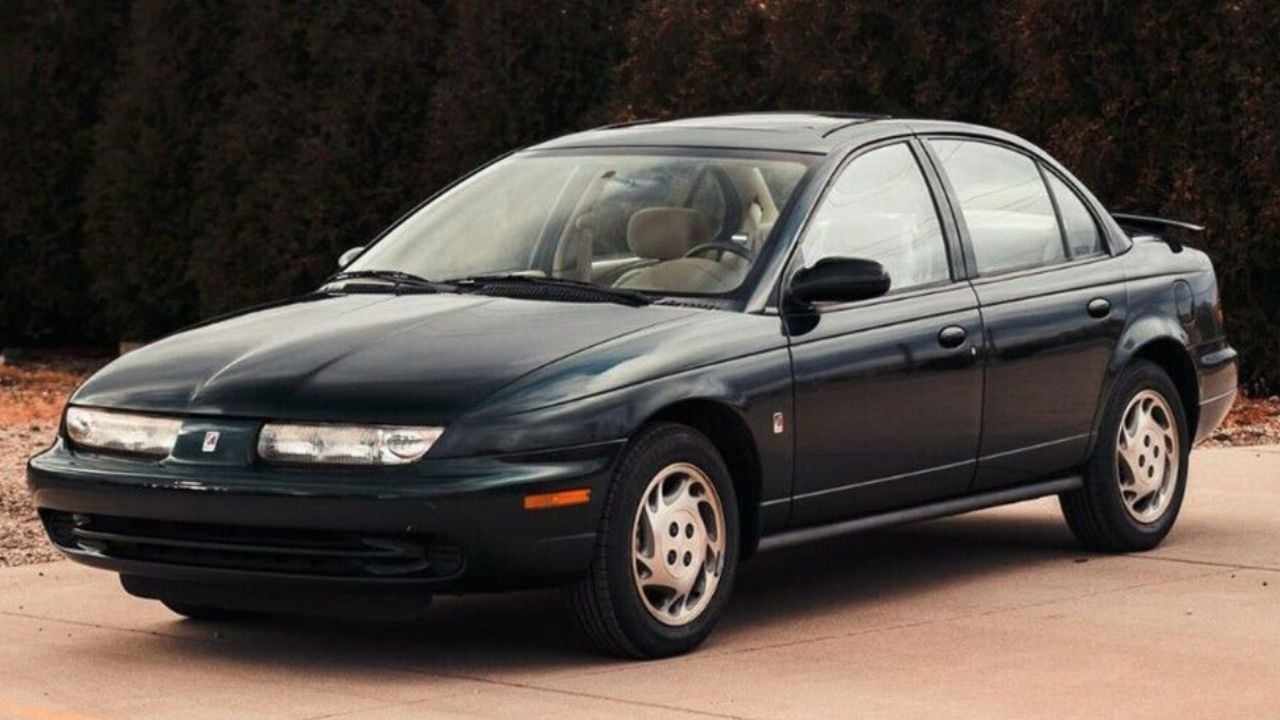
Remember Saturn? Of course, you do, their marketing department made sure of that. Saturn burst onto the automotive scene in the late ’80s with more enthusiasm than a Miata on a winding road and twice as much optimism. The SL was their bread and butter, a compact sedan that was supposed to revolutionize American car manufacturing.
Saturn’s big innovation wasn’t just the car, it was the entire ownership experience. No-haggle pricing! Polymer body panels that wouldn’t dent! Customer service that treated you like a human being! It was like they had reverse-engineered the traditional car-buying experience and fixed everything people hated about it.
The SL itself was aggressively competent. Not exciting, not particularly stylish, but reliable and affordable. It was the automotive equivalent of a good friend, not flashy, but always there when you needed them.
Saturn owners became evangelical about their cars in a way that was both endearing and slightly concerning. They attended Saturn barbecues, joined Saturn clubs, and defended their automotive choices with the fervor of people who had found religion. It was beautiful and weird in equal measure.
Nissan Sentra
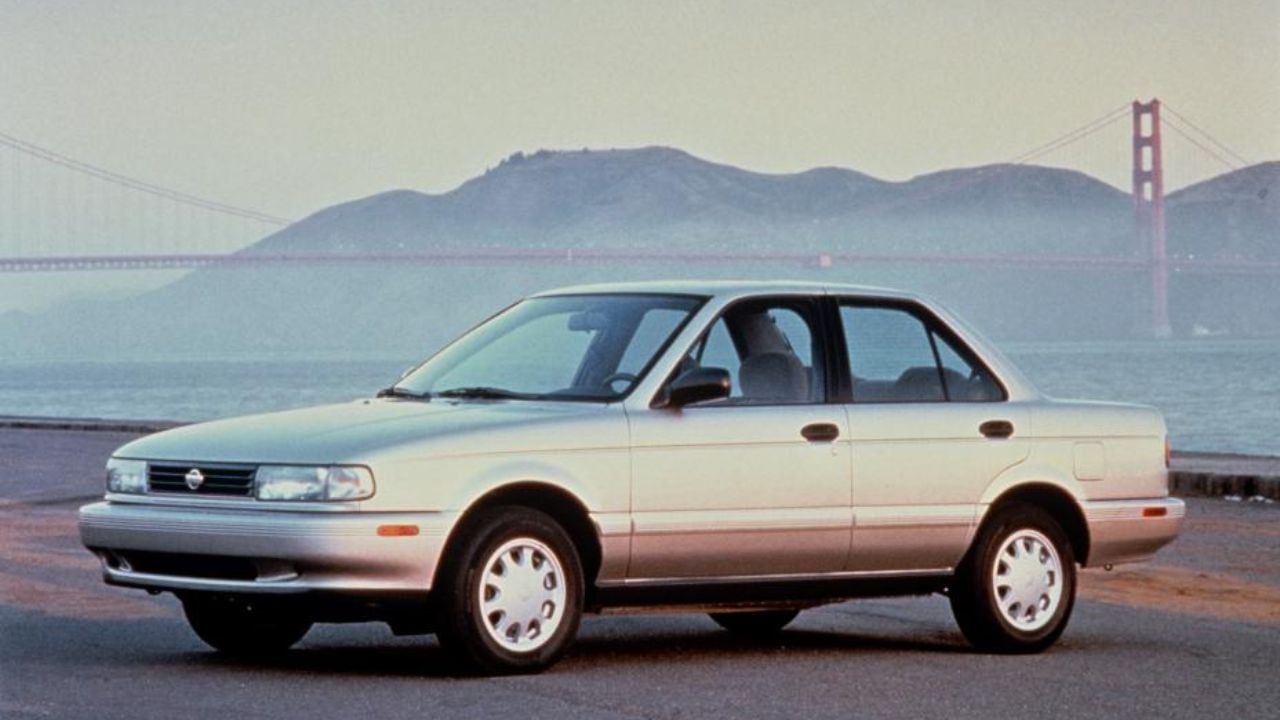
The Nissan Sentra was the master of automotive camouflage. It blended into traffic so effectively that you could probably park one in your neighbor’s driveway for a week before they noticed. But this invisibility was actually its superpower.
In the economy car segment of the ’90s, standing out wasn’t necessarily an advantage. People wanted transportation, not transportation statements. The Sentra delivered exactly what its name promised: sensible, economical mobility for people who had better things to spend money on than car payments.
The Sentra was particularly popular with the demographic that automotive marketers call “practical purchasers”, first-time buyers, college students, and people who viewed cars as appliances. It was cheap to buy, cheap to run, and cheap to maintain. In the era of economic uncertainty that bookended the ’90s, these were compelling selling points.
Nissan sold consistently strong numbers of Sentras throughout the decade, proving that sometimes the best way to succeed is to be so competent that people forget you exist.
Pontiac Grand Am
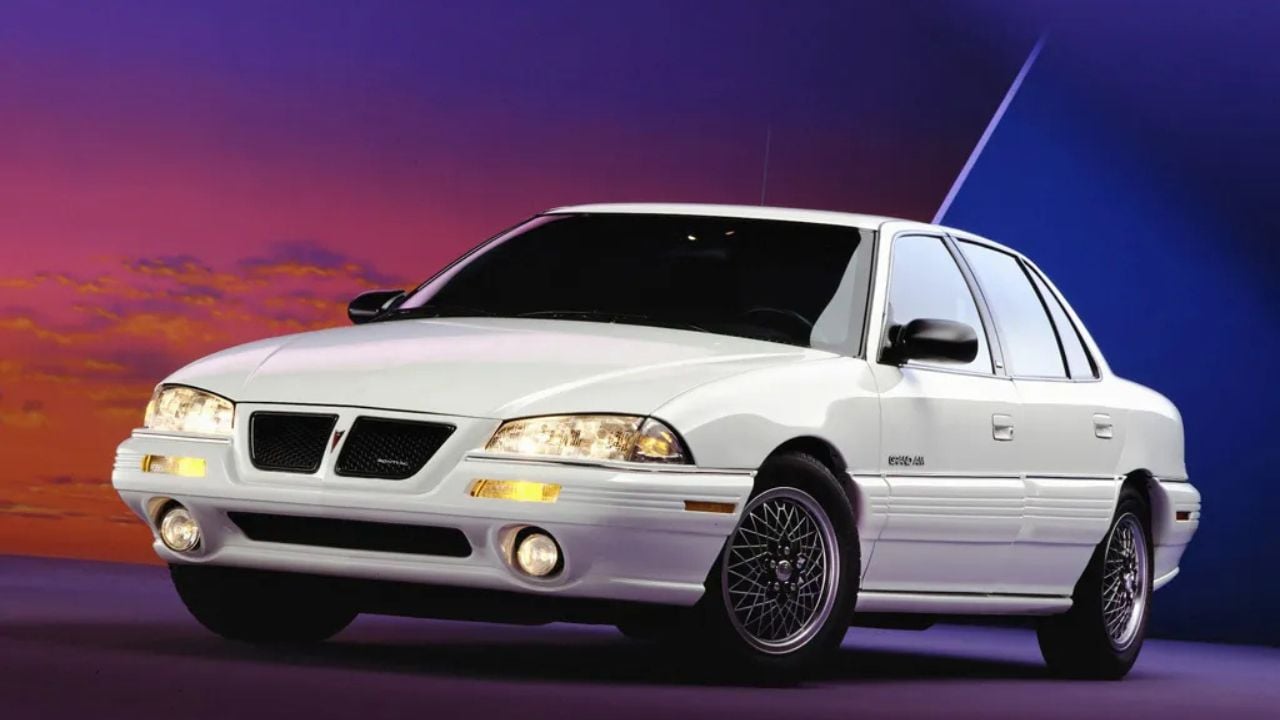
The Pontiac Grand Am was business in the front, party in the back, if by “party” you mean “plastic cladding and fake performance pretensions.” GM designed the Grand Am for people who wanted to look sporty without actually committing to sports car ownership or maintenance costs.
With its distinctive ribbed side panels and aggressive front end, the Grand Am stood out in a sea of bland mid-size sedans. It looked fast, even when equipped with the base four-cylinder engine that had all the performance characteristics of a determined hamster.
The Grand Am became hugely popular with younger buyers who wanted something that looked more exciting than a Camry but was more practical than an actual sports car. It was the perfect compromise for people who still had dreams but also had insurance premiums to consider.
Pontiac’s marketing positioned the Grand Am as “We Build Excitement,” which was technically true if you defined excitement as “having distinctive plastic body cladding.”
Acura Integra

The Acura Integra was Honda’s attempt to convince Americans that they could make something cooler than a Civic, and for once, the marketing matched reality. The Integra, especially in hatchback form, became the darling of the emerging tuner scene.
What made the Integra special was its combination of Honda reliability with actual sporting pretensions. The GSR model came with a high-revving VTEC engine that made beautiful noises and actually delivered performance to match its promises. This was revolutionary in the era when most manufacturers were still figuring out how to make reliable cars, let alone reliable AND fast cars.
The Integra became the platform of choice for the grassroots racing scene that was just beginning to emerge in the ’90s. It was affordable, modifiable, and had enough aftermarket support to keep every teenager with a part-time job and big dreams busy for years.
The cultural impact was immediate and lasting. The Integra showed up in movies, video games, and the fever dreams of every high school student who had ever watched a racing movie and thought, “I could do that.”
Volkswagen Jetta
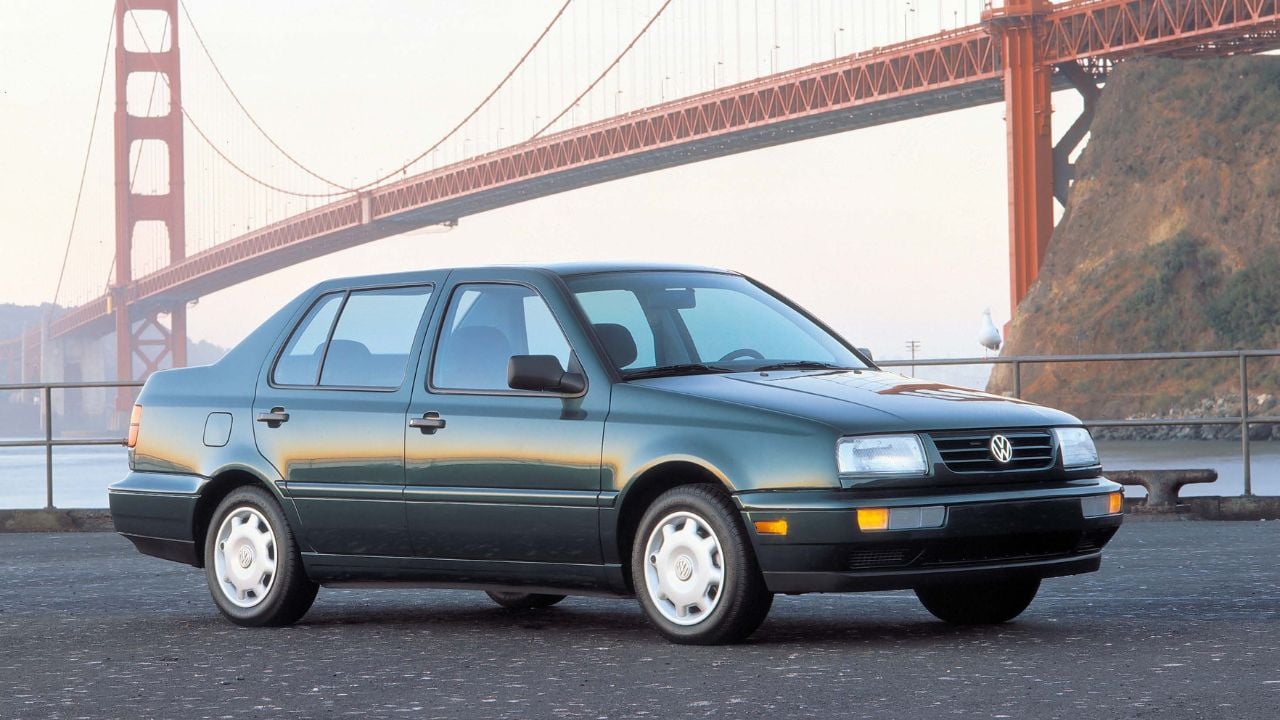
The Volkswagen Jetta was for people who wanted to seem more sophisticated than their neighbors but weren’t quite ready to commit to actual luxury car payments. It was European in heritage, which automatically made it more interesting than anything from Detroit, even if many were actually built in Puebla, Mexico for the U.S. market.
VW marketed the Jetta as a thinking person’s sedan, and the strategy worked. The Jetta attracted buyers who considered themselves slightly more cultured than the average car buyer, people who shopped at Whole Foods before anyone knew what Whole Foods was, who owned more than one book, who could name at least three European countries without looking at a map.
The interior felt more sophisticated than its Japanese competitors, with materials and design that suggested someone had actually thought about the human beings who would spend time inside. Revolutionary concept.
The Jetta also became popular with the college crowd, who appreciated its combination of practicality and subtle distinction. It was transport for people who wanted to announce that they had thoughts and opinions, but weren’t obnoxious about it.
Buick LeSabre
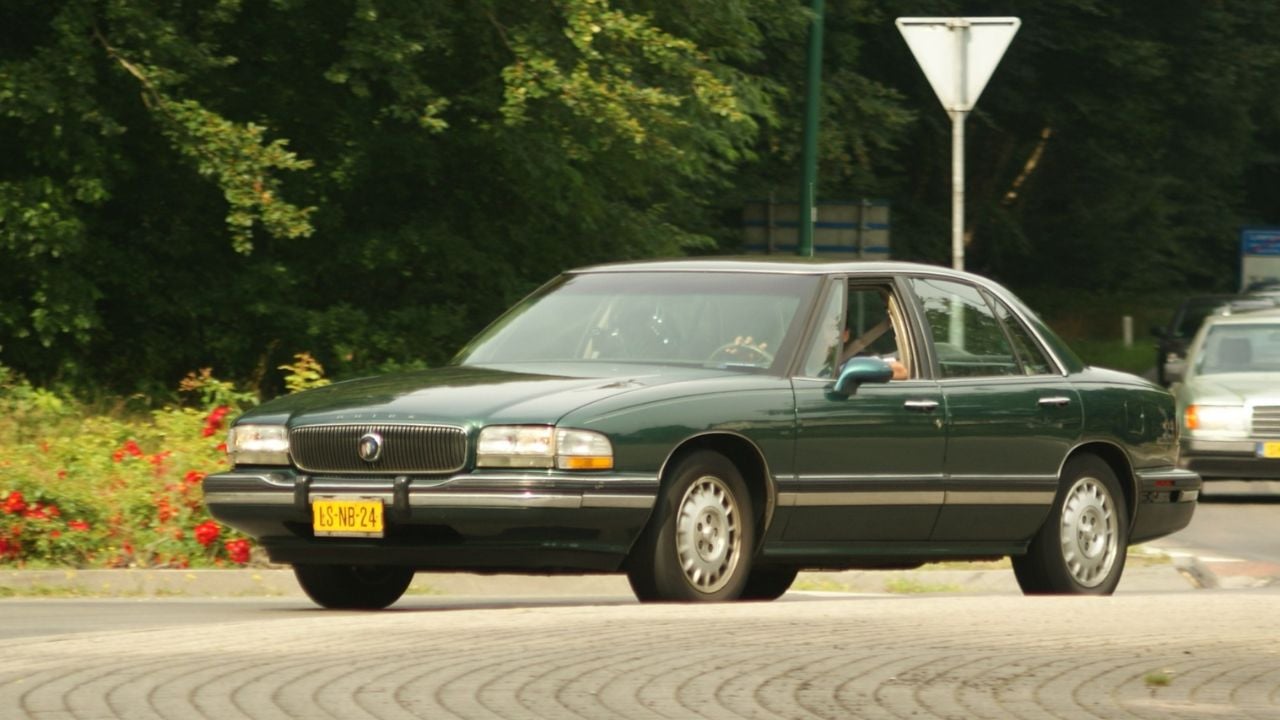
The Buick LeSabre was automotive comfort food: soft, predictable, and somehow always available when you needed it most. It was the car your grandparents drove to church, the car your parents borrowed when theirs was in the shop, and the car you inherited when you were too broke to be picky.
Buick engineered the LeSabre for maximum comfort and minimum drama. The suspension was tuned to absorb everything from potholes to small earthquakes. The seats were more comfortable than most people’s living room furniture. The interior was whisper-quiet, creating a serene environment that was perfect for NPR and contemplating mortality.
The LeSabre represented everything that was both wonderful and terrible about American luxury cars. It was spacious, comfortable, and built to last, but it had all the sporting pretensions of a living room sofa. It didn’t matter. LeSabre buyers weren’t looking for excitement; they were looking for transportation that wouldn’t embarrass them at the country club or break down on the way to their grandson’s graduation.
Mitsubishi Eclipse

The Mitsubishi Eclipse was the affordable sports car that actually looked like it meant business. In a decade when most manufacturers were still figuring out how to make front-wheel-drive cars that didn’t torque steer you into oncoming traffic, Mitsubishi created something that looked genuinely exciting.
The Eclipse’s styling was pure ’90s sports coupe perfection: low, wide, and aggressive without being cartoonish. The turbocharged GSX model could actually back up its visual promises with genuine performance, making it a legitimate alternative to more expensive sports cars.
What really made the Eclipse special was its accessibility. Here was a car that looked like it belonged on a poster but was priced like transportation. For young buyers who had grown up watching Knight Rider and dreaming of something more exciting than a sedan, the Eclipse was a revelation.
The Eclipse also became a tuning platform, though not to the same extent as the Civic or Integra. Still, seeing a heavily modified Eclipse with a huge wing and loud exhaust was a sure sign that someone was living their best automotive life, budget constraints be damned.
Subaru Legacy
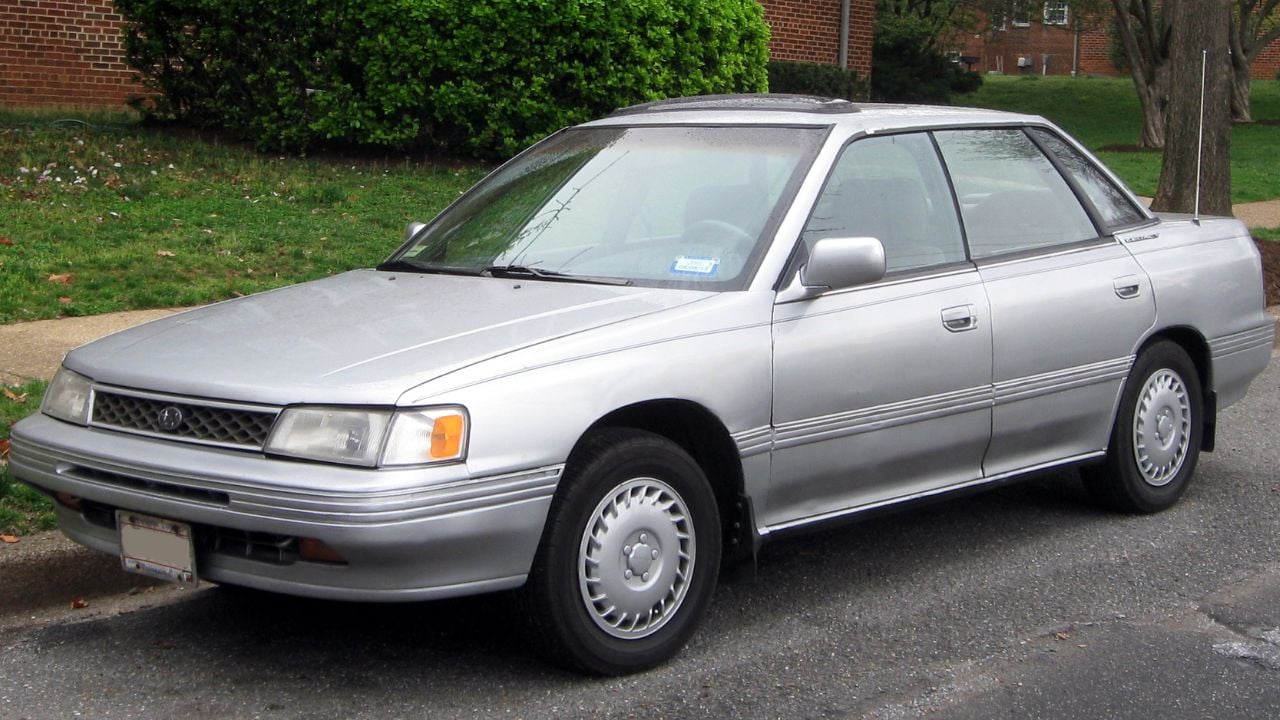
The Subaru Legacy was for people who needed all-wheel drive but weren’t ready to commit to the lifestyle statement of an SUV. It was the rational choice for buyers in snow country who wanted something more sophisticated than a pickup truck but more capable than a front-wheel-drive sedan.
Subaru’s marketing focused heavily on the Legacy’s all-weather capability, and they weren’t exaggerating. The symmetrical all-wheel-drive system was genuinely superior to the part-time systems found in most SUVs of the era. The Legacy could go places that would leave other sedans calling for tow trucks.
The Legacy attracted a specific type of buyer: outdoor enthusiasts, college professors, people who owned Patagonia jackets and actually used them for their intended purpose. It was the car of ski towns and college campuses, driven by people who valued capability over image.
This positioning worked brilliantly for Subaru. Legacy buyers were intensely loyal, often buying multiple Subarus over their lifetimes and recommending them to friends with the enthusiasm of people who had discovered a secret.
Mazda 626
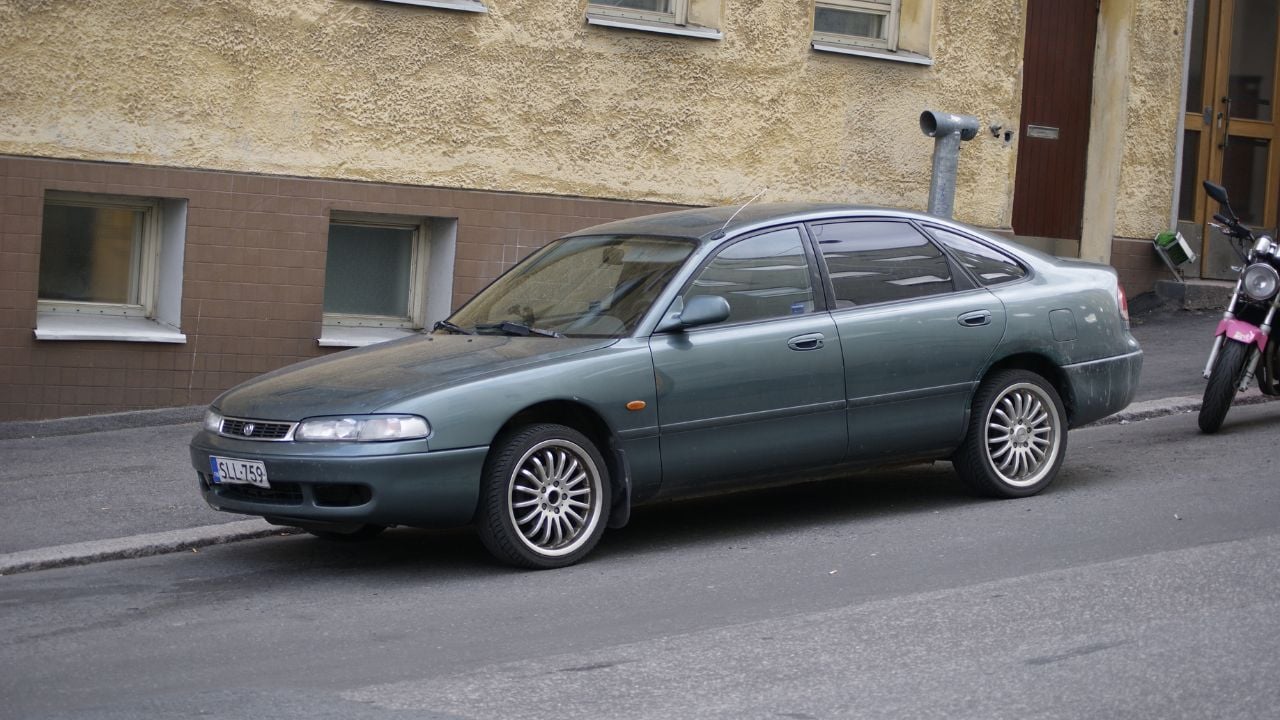
The Mazda 626 was the automotive equivalent of that reliable friend who’s always there for you but somehow never gets invited to the interesting parties. It was competent, reliable, and reasonably priced, but it suffered from being perfectly adequate in an era when “perfectly adequate” wasn’t enough to stand out.
Mazda positioned the 626 as a more stylish alternative to the Camry and Accord, and they weren’t wrong. The 626 had more personality than either of its more popular competitors, with better handling and more engaging driving dynamics. Unfortunately, “more engaging driving dynamics” wasn’t high on most buyers’ priority lists in the mid-size sedan segment.
The 626 represented everything that was both admirable and frustrating about Mazda in the ’90s. They built genuinely good cars that were often better to drive than their competitors, but they could never quite crack the code of making people actually want to buy them.
Blockbusters, Radio Shacks, and Driveways of the Past

These vehicles were the four-wheeled soundtrack to the last decade of the 20th century. They drove us through the end of the Cold War, the rise of the internet, and the death of puka shell necklaces. They survived boy bands, grunge music, and the confusing love affair with Beanie Babies.
Looking back, what’s remarkable isn’t just how ubiquitous these vehicles were, but how perfectly they captured the aspirations and anxieties of their era. The ’90s were a time of optimism mixed with uncertainty, of technological progress accompanied by cultural confusion. They reflected all of that: practical but hopeful, affordable but aspirational, reliable but not without their quirks.
Were they the best vehicles ever made? Not even close. But they were our cars, and they carried us through one of the most interesting decades in recent memory. And honestly, that’s more than enough to earn them a place in automotive history.
Plus, let’s be real, half of these vehicles are probably still running somewhere, which is more than we can say for most of the music, fashion, and technology from the same era. In the end, maybe that’s the ultimate compliment.