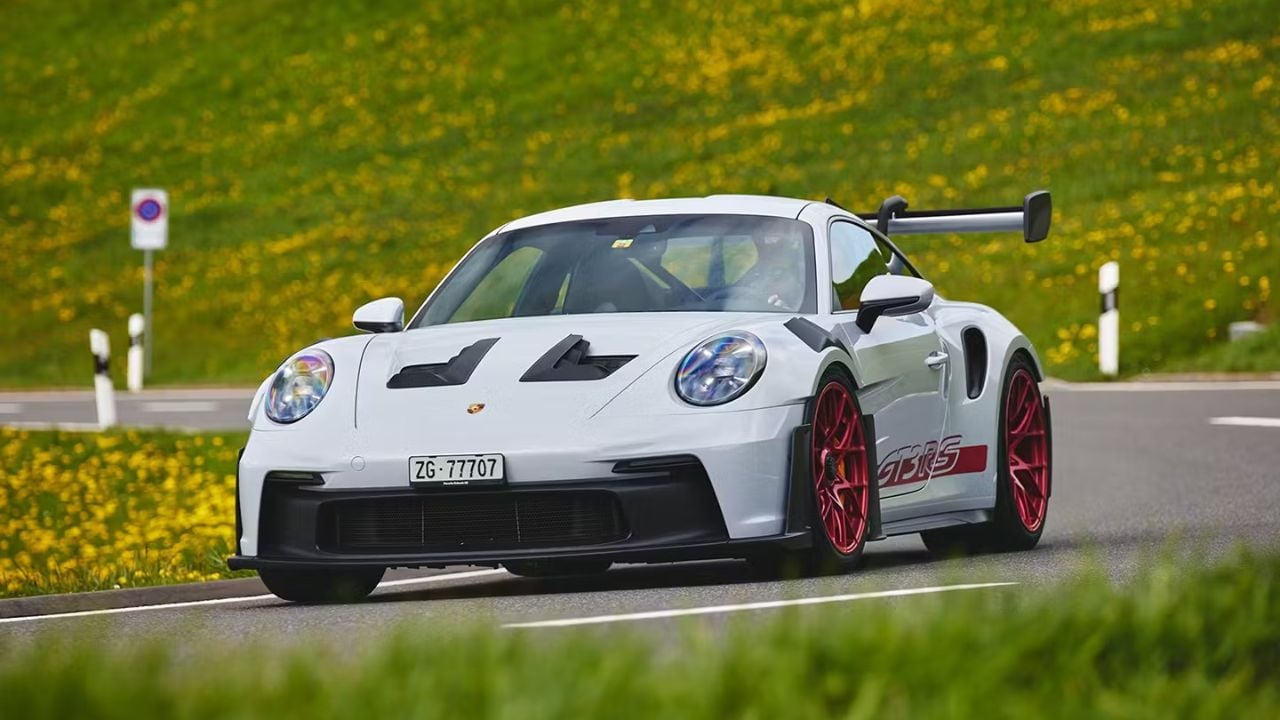
Porsche has finally given enthusiasts a clearer answer about the future of its most iconic sports car. If you were expecting a fully electric Porsche 911 anytime soon, it is not happening this decade.
According to Porsche Cars Australia managing director and CEO Daniel Schmollinger, the legendary rear-engined coupe will continue relying on combustion power and hybrid technology for the foreseeable future. While Porsche continues expanding its EV lineup aggressively, the company appears determined to move far more carefully with the 911 than many expected.
That decision reflects what’s currently happening throughout the automotive industry, as several automakers that once pushed aggressively toward all-electric timelines are now slowing their transitions as EV adoption grows more gradually than early forecasts predicted.
For Porsche, preserving the identity of the 911 remains a priority. Rather than replacing the car’s flat-six character with full battery-electric propulsion, the company believes hybridization currently offers the best balance between performance, emissions reduction, and maintaining the driving experience enthusiasts expect.
Porsche Says Hybrid Technology Is The Right Step For The 911

Speaking with Carsales, Schmollinger confirmed that Porsche’s recently introduced T-Hybrid system represents the company’s near-term direction for the 911 lineup. “The 911 for the moment stays what it is,” he explained while discussing Porsche’s future product strategy.
Instead of launching a battery-electric 911, Porsche plans to use hybrid technology to sharpen performance while preserving the car’s familiar character. The new T-Hybrid setup combines combustion power with electrified assistance designed to improve throttle response, reduce turbo lag, and add performance without fundamentally changing how the car feels.
That approach allows Porsche to modernize the 911 gradually rather than forcing a radical transformation onto one of the automotive world’s most recognizable nameplates. For many enthusiasts, that will come as a relief.
The flat-six soundtrack, rear-engine balance, and mechanical personality of the 911 remain central to the car’s appeal. Porsche appears well aware that moving too aggressively toward electrification risks alienating some of its most loyal customers.
The Electric 718 Will Arrive First

While the 911 stays combustion-powered, Porsche’s next-generation 718 Boxster and Cayman will become the company’s first fully electric two-door sports cars.
Porsche confirmed the upcoming electric 718 models will effectively serve as the brand’s first true test of how willing sports car buyers are to embrace battery-electric performance in a traditional enthusiast segment.
The company appears confident the smaller 718 lineup offers a safer opportunity to experiment with full electrification before attempting something similar with the 911.
The 718 and 911 occupy very different emotional positions within Porsche’s lineup. The 911 is not simply another sports car for the brand. It represents decades of motorsport history, engineering evolution, and customer loyalty. Changing that formula too quickly could carry enormous risk.
Porsche Admits EV Adoption Has Been Slower Than Expected
Part of Porsche’s caution comes from the reality of today’s EV market. Schmollinger acknowledged that consumer adoption of electric vehicles has not progressed as quickly as many automakers originally anticipated.
He pointed specifically to the electric Macan, which has reportedly struggled to match the sales success of the outgoing gasoline-powered version. According to Porsche, the issue is less about dissatisfaction with the vehicles themselves and more about customer readiness.
Factors such as charging infrastructure, regional regulations, battery costs, and varying consumer attitudes toward EV ownership continue shaping buying decisions around the world. As a result, Porsche increasingly believes flexibility is essential.
Rather than forcing buyers into fully electric vehicles, the company plans to continue offering a mix of gasoline, hybrid, and EV options across much of its lineup. Models like the Cayenne already follow that strategy with multiple available powertrains.
Porsche executives in Germany have also confirmed plans for a future combustion-powered Macan successor alongside the electric version.
Synthetic Fuels Still Remain Part Of The Conversation
Porsche has also continued investing in synthetic e-fuels as another possible pathway for preserving combustion engines in future performance cars.
The company has repeatedly argued that synthetic fuels could help reduce emissions while allowing iconic sports cars to maintain traditional engines and driving characteristics.
However, Schmollinger admitted the technology remains far from becoming mainstream. Production costs, limited infrastructure, and scalability challenges still prevent synthetic fuels from serving as a widespread solution today.
Even so, Porsche’s ongoing involvement highlights how seriously the company is exploring alternatives to full electrification for certain enthusiast vehicles.
The 911’s Future Will Likely Depend On Buyers
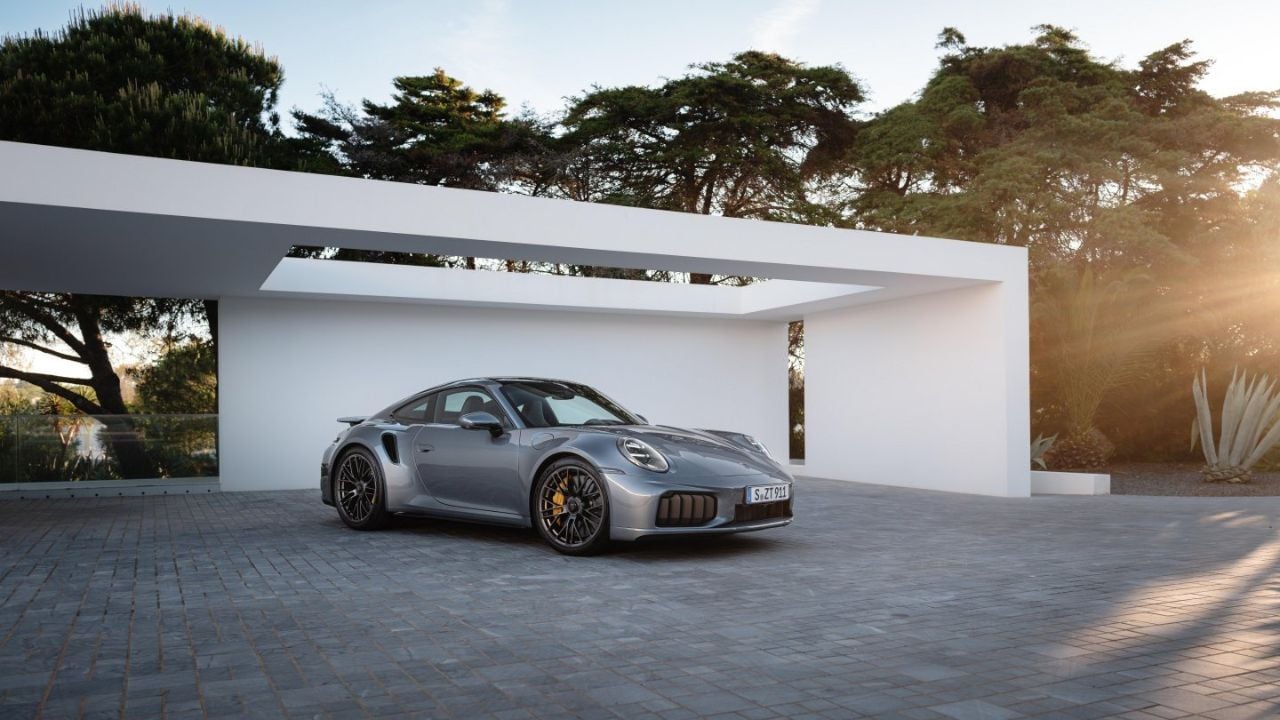
Long term, Porsche clearly understands that some form of deeper electrification for the 911 will eventually become unavoidable.
Regulatory pressure continues to increase globally, and battery technology will continue to improve throughout the decade. Eventually, Porsche may have little choice but to electrify the 911 more aggressively.
For now, however, the company believes buyers are not ready to abandon combustion-powered sports cars entirely. That leaves the 911 in a unique position within the modern automotive landscape. While rivals rush toward full EV lineups, Porsche is deliberately taking a slower, more cautious route with its most important model.
The success or failure of upcoming products like the electric 718 and Macan EV will likely shape what happens next. Until then, enthusiasts can breathe a little easier knowing the Porsche 911’s flat-six heart is not disappearing anytime soon.