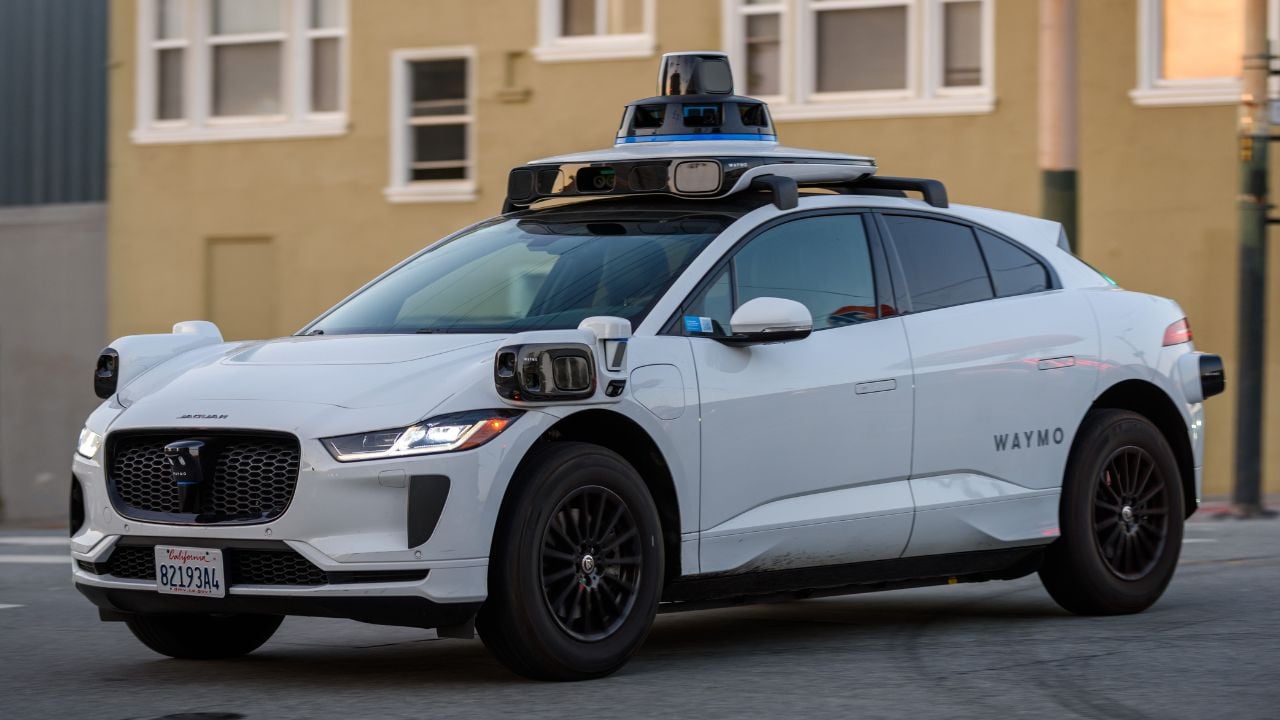
What began as a quiet policy crackdown has quickly turned into one of the biggest public controversies facing the robotaxi industry this year. Videos posted to TikTok and Reddit show Waymo support agents interrupting rides after onboard systems flagged passengers who appeared too young to travel alone. In some cases, adults in their 20s and 30s were mistakenly targeted.
The issue goes beyond awkward age checks. It exposes a growing problem for autonomous taxi companies. Parents are increasingly using robotaxis to transport children without supervision, even in places where the practice is banned. California regulators are now reviewing complaints accusing Waymo of knowingly allowing minors to ride alone, while privacy advocates are raising concerns about how closely passengers are monitored inside the vehicles.
Waymo says the checks are about safety and legal compliance, not surveillance. But the company’s latest enforcement push shows how quickly robotaxis are moving from futuristic novelty to regulatory headache.
Parents Quietly Turned Waymo Into a School-Run Service
@ihaveahottake Shoutout sculptra
The age-verification crackdown did not happen in isolation. For months, parents in cities like San Francisco and Los Angeles have reportedly been using Waymo vehicles as unofficial chauffeurs for teenagers heading to school, sports practice and social events. California law currently prohibits autonomous vehicles from carrying unaccompanied minors. Waymo’s own rider rules also require solo passengers to be at least 18 years old outside metro Phoenix.
Despite that, reports of children riding alone became common enough that labor groups filed a formal complaint against the company in March. The complaint accused Waymo of violating its operating permit by knowingly transporting minors without adults.
The situation reflects a larger reality facing urban families. School buses are limited in many districts, public transport can feel unsafe, and rideshare drivers often reject trips involving minors. For some parents, a driverless Jaguar arriving at the curb feels safer than sending a child into a stranger’s car.
Waymo has already leaned into that demand in Phoenix, where it launched supervised teen accounts for riders aged 14 to 17. Parents can track trips in real time and receive alerts during journeys. The program remains limited to Arizona for now.
Adults Are Getting Flagged Too
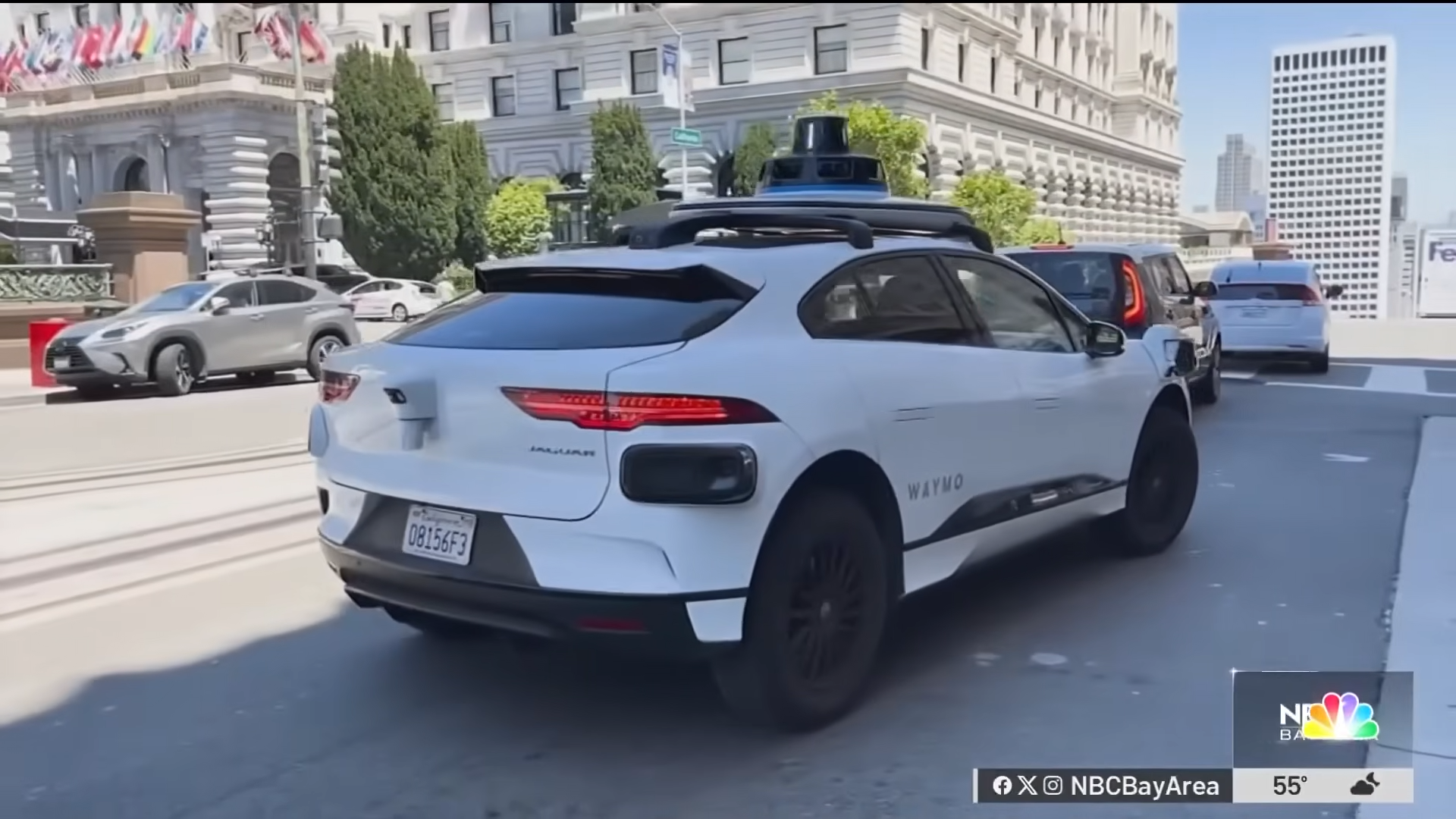
The company’s enforcement system is still struggling with accuracy. Several riders told media outlets they were contacted by Waymo support staff after onboard cameras incorrectly identified them as minors. One 35-year-old machine-learning engineer said he was asked to verify his age during a trip in San Francisco. Another passenger with dwarfism was reportedly flagged because the system assumed he was a child.
A viral TikTok video helped push the story into the mainstream. The clip showed a rider being interrupted mid-trip by a Waymo representative asking her age after the vehicle’s system flagged her appearance. Motor1 reported that the video quickly spread across social media, drawing criticism and jokes in equal measure.
Waymo says it does not use facial recognition technology. However, the company does record video inside its vehicles and allows support workers to review footage under certain circumstances. In urgent situations, staff can also access live video feeds during rides.
That has intensified debate around privacy. Riders are increasingly realizing that robotaxis function more like rolling sensor platforms than traditional taxis.
The Bigger Challenge Facing Robotaxis
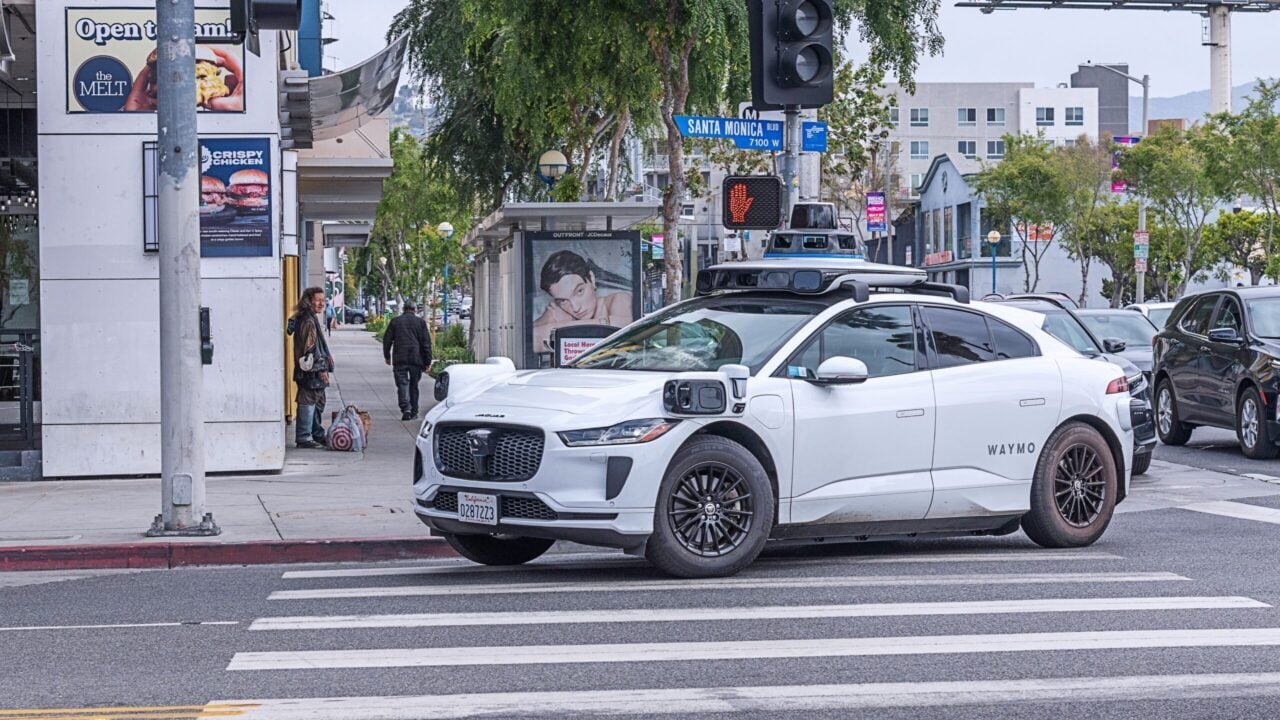
The controversy arrives at a sensitive moment for Waymo. The company is rapidly expanding across the US and now provides hundreds of thousands of paid rides every week. It is also facing increasing scrutiny from regulators over how its vehicles behave around pedestrians, school zones and emergency situations.
In January, federal investigators opened probes into incidents involving Waymo vehicles near school buses and one crash involving a child outside a school zone. Now the company faces a different question, which is how much monitoring the public will tolerate inside autonomous cars. Privacy researchers warn that even systems designed only to estimate age can create ethical and legal concerns if passengers are incorrectly profiled.
Recent academic research has also highlighted growing uncertainty around whether AI age-estimation systems should be treated as biometric technologies under future regulations. For Waymo, the issue is no longer just about stopping underage riders. It is about convincing passengers that driverless taxis can enforce rules without turning every ride into a surveillance exercise.