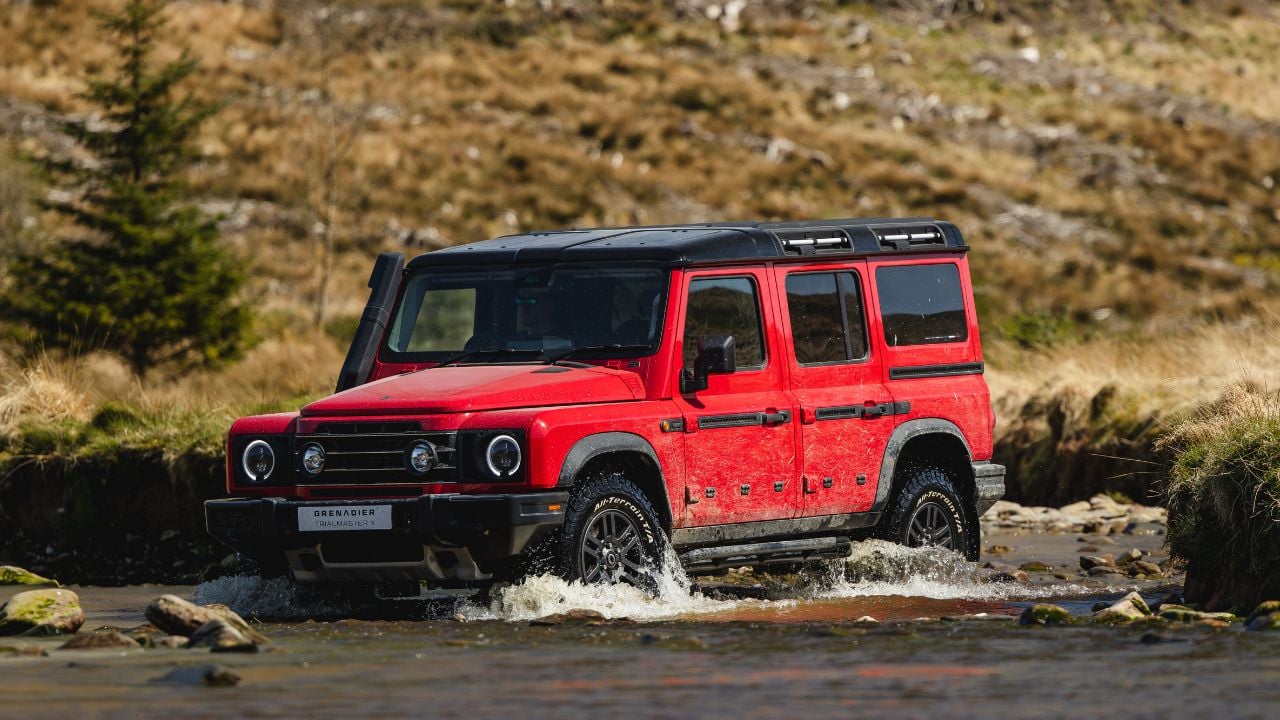
Most civilian 4x4s are bought for weather, towing, camping trips, image, and the occasional trail. A few go much further, carrying factory hardware that feels closer to expedition equipment than normal family transportation.
Over-engineered does not mean sensible. Here, it means locking differentials, low-range gearing, beam axles, long-travel suspension, advanced terrain software, underbody protection, air-suspension tricks, or driveline systems built for conditions far beyond a gravel road.
That excess is the point. These machines give private buyers access to equipment most SUV owners will never fully use, yet the hardware changes the way the vehicle feels before the trail even begins.
The strongest choices here are not basic crossovers with rugged styling. They are current U.S.-market 4x4s with real mechanical depth, serious factory capability, and enough engineering theater to make ordinary SUVs feel lightly equipped.
Mercedes-Benz G 550

The Mercedes-Benz G 550 is still the luxury benchmark for buyers who want real old-world off-road hardware under a leather-lined cabin. Mercedes lists the current G 550 at 443 hp and 413 lb-ft of torque, but the more important number is three.
The G 550 has center, rear, and front differentials that can be locked sequentially from the dashboard. That kind of mechanical traction hardware remains rare even among serious off-road vehicles, and it feels almost absurd in an SUV many owners will use for restaurants, ski trips, school runs, and highway travel.
The G-Class also keeps the engineering character that made it famous. It is handcrafted in Austria, rides on a ladder frame, carries upright military-born proportions, and still has the boxy shape that makes it recognizable from a block away.
The over-engineering comes from the contrast. The G 550 is a six-figure luxury SUV with status, quietness, tech, and comfort, yet underneath it still carries hardware designed for conditions far harsher than most owners will ever see.
Ineos Grenadier Trialmaster
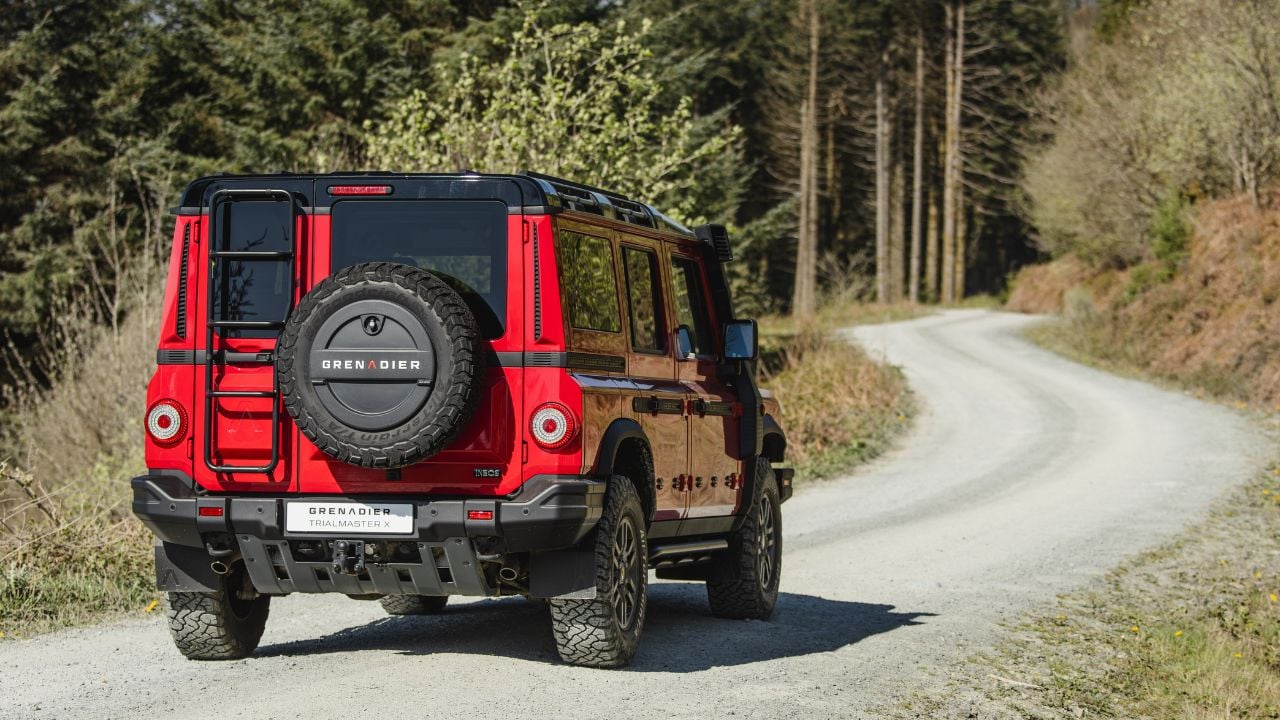
The Ineos Grenadier Trialmaster was created for buyers who still want old-school off-road engineering in a new retail vehicle. The Grenadier Station Wagon uses a full box-section ladder frame, Carraro beam axles front and rear, heavy-duty coil suspension, permanent four-wheel drive, a center differential lock, and a two-speed transfer case.
The Trialmaster sharpens that formula with off-road equipment aimed at people who actually plan to leave pavement. Its specification includes the Rough Pack, which adds front and rear differential locks and BFGoodrich All-Terrain T/A KO2 tires on top of the Grenadier’s already serious structure.
The cabin does not chase the soft crossover formula. The Grenadier uses visible switches, upright glass, squared-off bodywork, and a layout that feels more like a tool than a fashion accessory. That may not make it the smoothest daily driver, but it gives the vehicle a rare sense of purpose.
The appeal is durability and control. The Grenadier is built around axle articulation, service access, long-distance rough-country use, and mechanical confidence instead of pretending to be a luxury SUV with outdoorsy trim.
Lexus GX 550 Overtrail
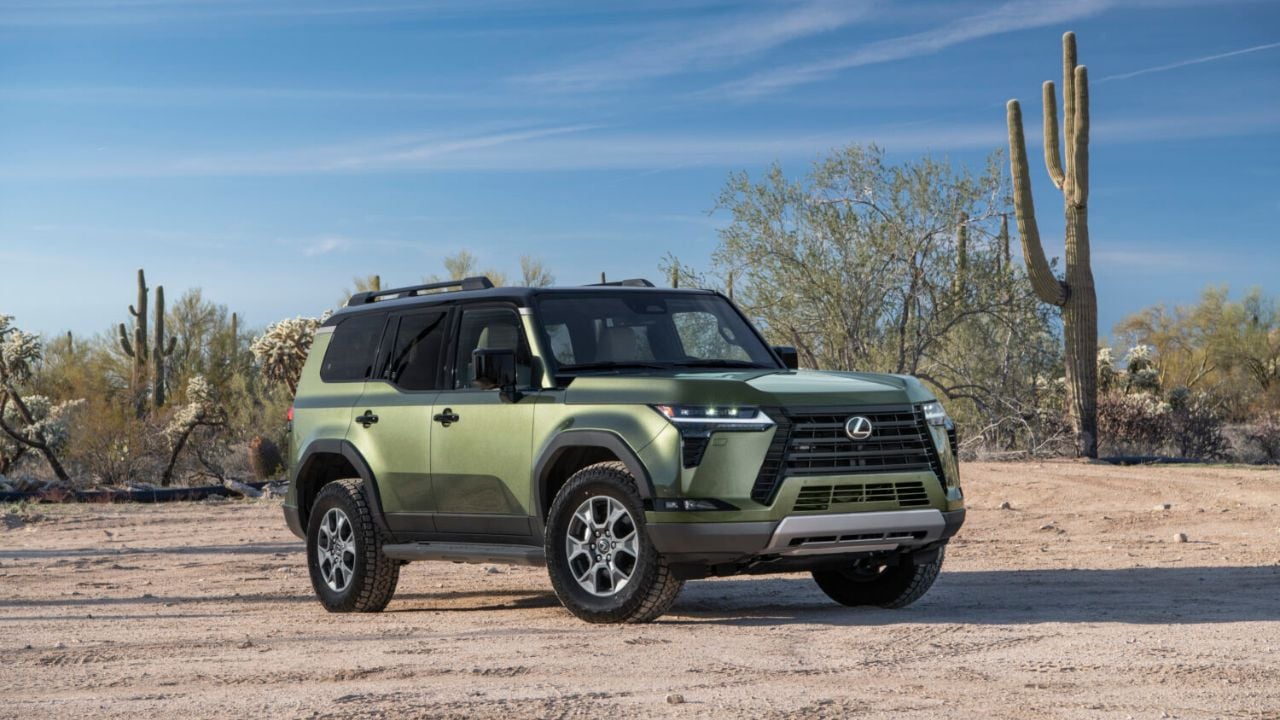
The Lexus GX 550 Overtrail brings Toyota truck engineering into a quieter and richer package. Lexus says full-time 4WD is standard across the GX lineup, and the system includes a Torsen limited-slip locking center differential.
The Overtrail and Overtrail+ grades add an electronically controlled locking rear differential. They also get E-KDSS, which can lock and unlock the front and rear stabilizer bars to help balance on-road stability with off-road wheel articulation.
The GX is not just a luxury SUV with tough styling. It rides on a body-on-frame GA-F platform, has low-range off-road credibility, and adds trail tools such as Crawl Control, Multi-Terrain Select, and a Multi-Terrain Monitor that shows views around and under the vehicle on the 14-inch display.
The result is a 4×4 that can tow, commute, carry a family, and crawl through terrain that would stop many softer luxury SUVs early. The Overtrail trim is the version that turns the GX from a comfortable premium SUV into a more serious trail machine.
Ford Bronco Raptor
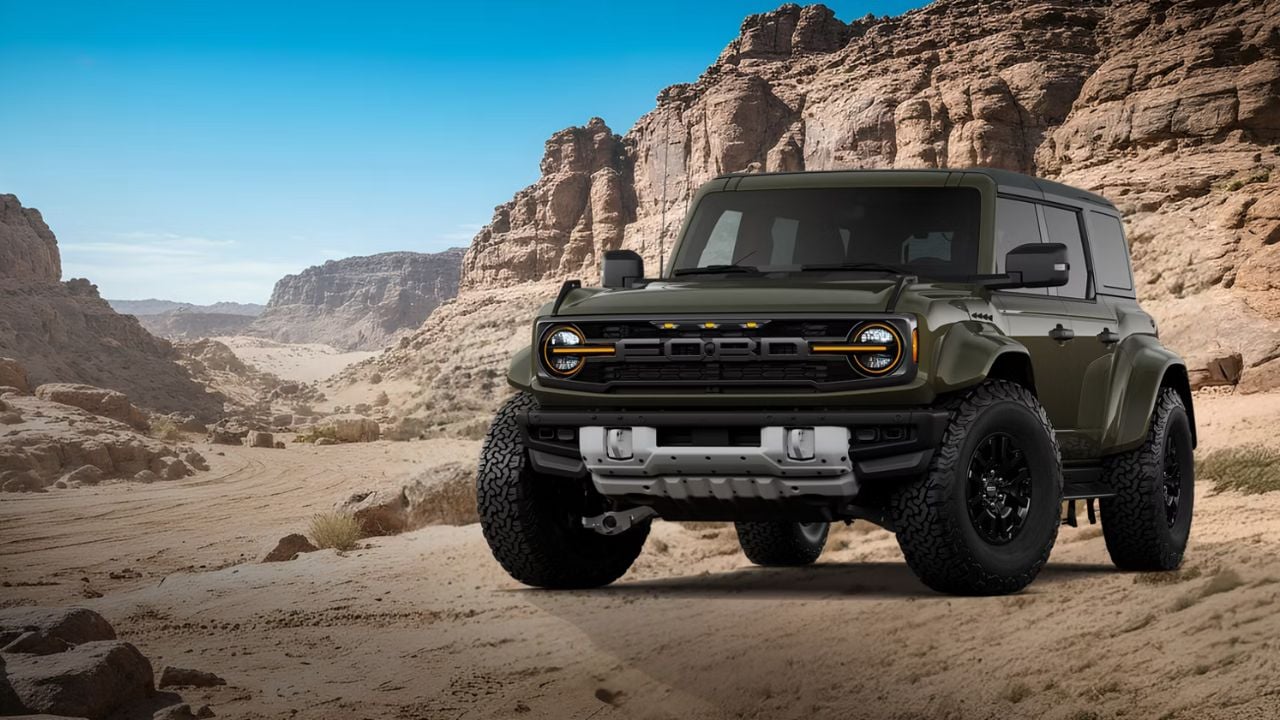
The Ford Bronco Raptor is what happens when a factory off-roader gets engineered with desert speed in mind. Ford lists the 2026 Bronco Raptor with a 3.0-liter EcoBoost V6 rated at 418 hp and 440 lb-ft of torque, standard 37-inch all-terrain tires, 13.1 inches of ground clearance, and Raptor-exclusive HOSS 4.0 suspension.
The suspension is the part that makes it feel truly excessive. FOX Live Valve internal-bypass dampers use terrain-monitoring sensors, while Ford Performance control arms help deliver 13 inches of front wheel travel and 14 inches in the rear.
This is not a normal SUV with a bolder grille. The Bronco Raptor is wide, heavy, expensive, and unapologetically specialized, with a stance and tire package that make its purpose obvious before the driver even selects a terrain mode.
Its hardware is visible from the outside: 37-inch tires, a wider body, reinforced structure, long-travel suspension, Baja mode, Rock Crawl mode, and removable body panels. It feels closer to a showroom desert racer than a family SUV that happens to have four-wheel drive.
Jeep Wrangler Rubicon X
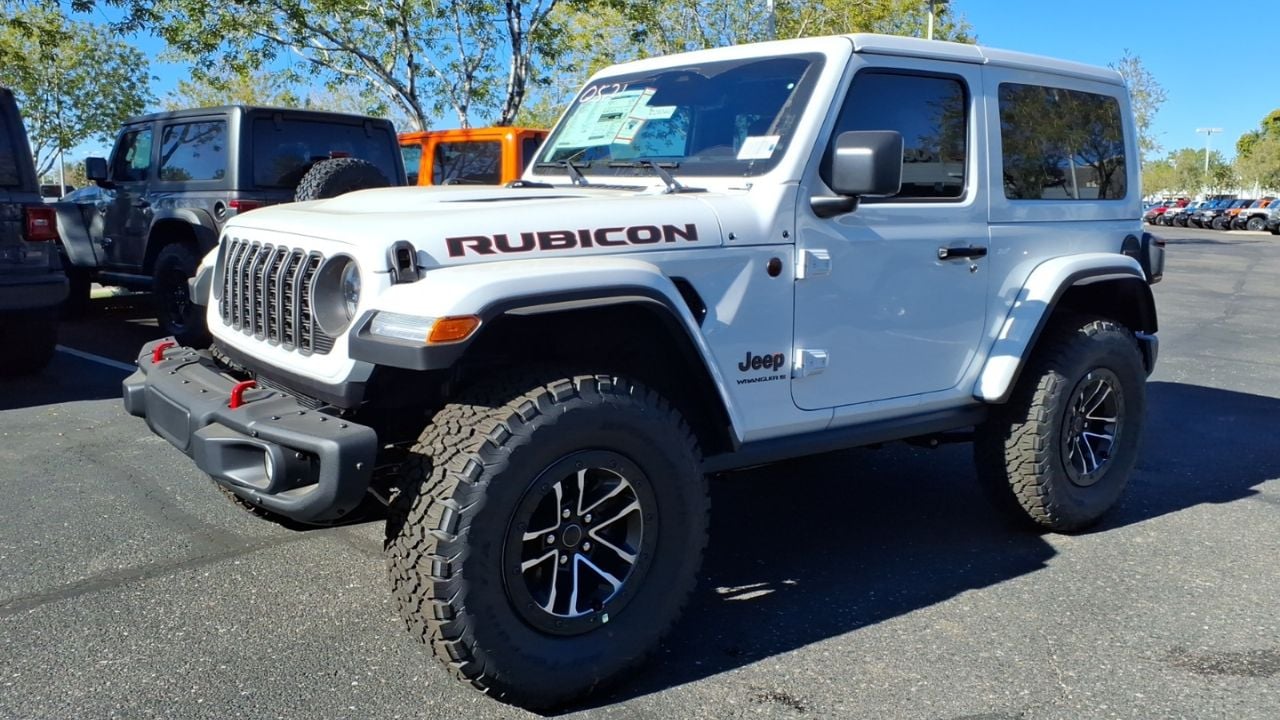
The Jeep Wrangler Rubicon X earns its place through hardware rather than polish. The Rubicon X builds on the Wrangler Rubicon’s serious trail foundation, including part-time 4WD, manual high- and low-range selection, front and rear locking differentials, an electronic sway-bar disconnect, rock rails, and available winch-capable steel bumpers.
The electronic sway-bar disconnect is one of the Wrangler’s defining factory tricks. It lets the front axle move with greater articulation on uneven terrain, helping the tires stay in contact where ordinary SUVs start lifting wheels.
The Wrangler has become a lifestyle vehicle for many buyers, but the Rubicon X still carries real trail engineering under the familiar shape. Solid axles, locking differentials, low-range gearing, removable doors, a removable roof, short overhangs, and strong aftermarket support give it a level of adaptability few modern vehicles can match.
It is louder and less refined than several models here, but that honesty is part of the appeal. The Rubicon X feels over-engineered for buyers who want real factory trail ability before adding a single accessory.
Land Rover Defender 110
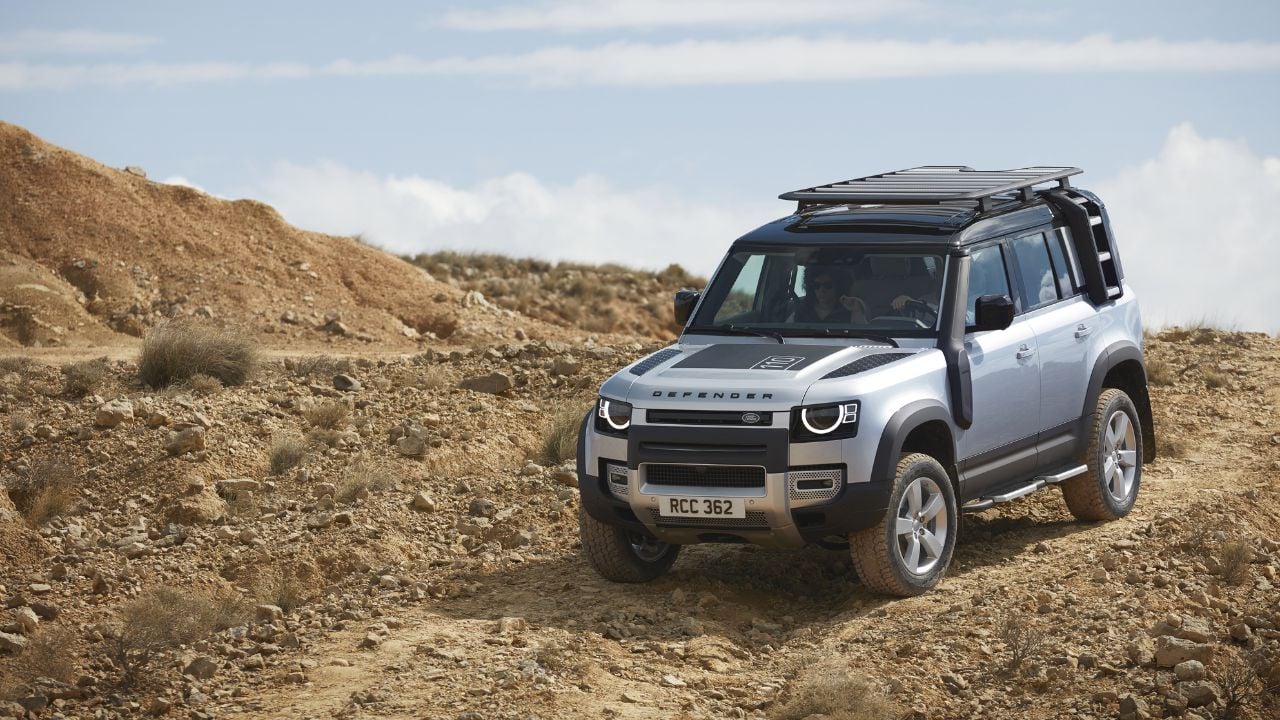
The Land Rover Defender 110 takes a different path to serious capability. Instead of returning to old body-on-frame construction, the modern Defender uses Land Rover’s D7x aluminum monocoque architecture, paired with all-wheel drive, a twin-speed transfer box, terrain software, and advanced chassis systems.
Land Rover USA lists the 2026 Defender 110 with Terrain Response, AWD, a high- and low-range transfer box, Hill Descent Control, electronic traction control, and roll stability control. Higher trims add Terrain Response 2, Configurable Terrain Response, Adaptive Off-Road Cruise Control, and an electronic active differential with torque vectoring by braking.
The Defender feels over-engineered through integration rather than old-school simplicity. Computers, terrain modes, cameras, air suspension availability, driveline logic, and luxury equipment work together to make rough conditions easier for regular drivers.
Purists may prefer the Grenadier or Wrangler, but the Defender proves that modern electronics can create real off-road depth when the underlying platform is built for the job. It can be a family SUV, luxury road-trip vehicle, tow rig, and serious trail tool in the same week.
GMC Hummer EV SUV 3X
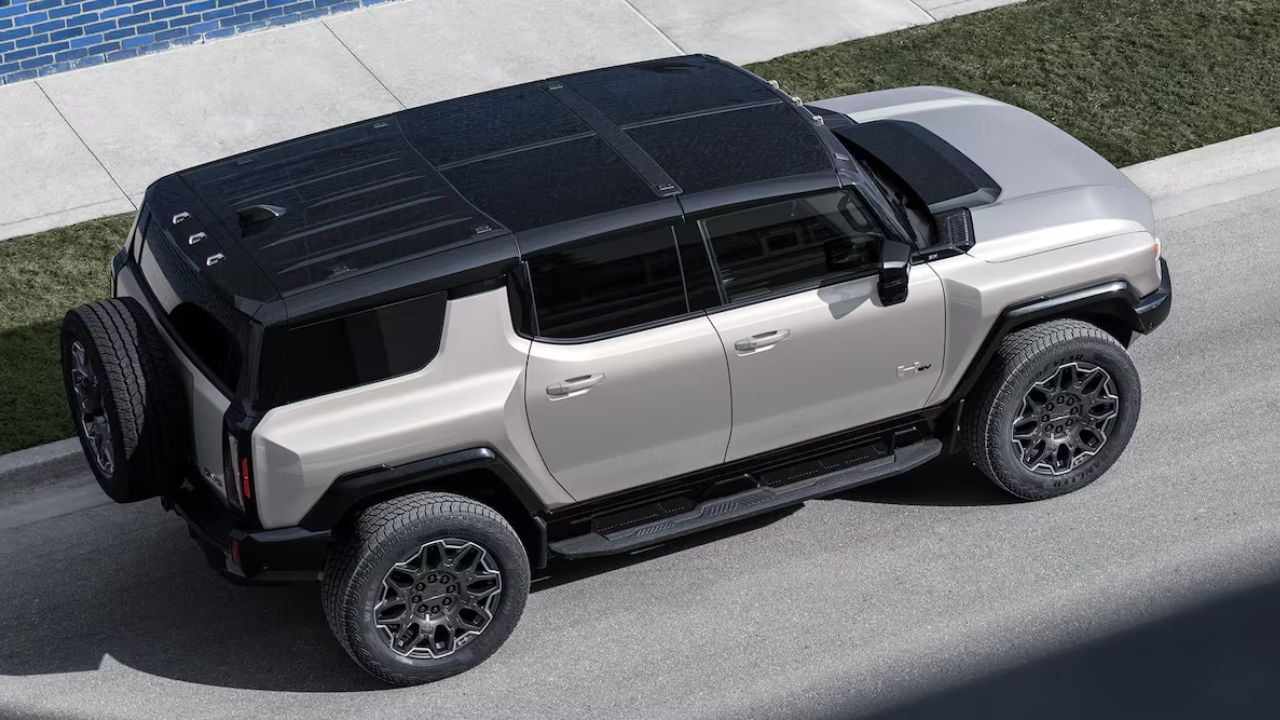
The GMC Hummer EV SUV 3X may be the most excessive civilian 4×4 on sale. GMC lists the 2026 Hummer EV SUV 3X with three motors, up to 830 hp, and up to 11,500 lb-ft of torque using GM’s nontraditional torque-rating method. It can also sprint from 0 to 60 mph in about 3.5 seconds with Watts to Freedom.
The off-road hardware is just as dramatic. The Hummer EV SUV offers 4 Wheel Steer, CrabWalk, King Crab mode, Extract Mode, available off-road protection, skid plates, rocker protection, available UltraVision camera views, and underbody camera views on properly equipped models.
Extract Mode can raise the adaptive air suspension by about six inches to help clear obstacles. CrabWalk allows diagonal low-speed movement when 4 Wheel Steer is active, while King Crab adds a more aggressive rear-steer effect for tight off-road maneuvering.
This is over-engineering with no apology. The Hummer EV SUV is huge, heavy, expensive, and filled with systems that sound like concept-car hardware, yet it is a retail vehicle civilians can buy from GMC EV dealers. It turns off-road capability into a technological event.
Why These 4x4s Make Normal SUVs Look Underbuilt

A normal SUV gives buyers space, traction, comfort, and a higher seating position. These seven vehicles go much deeper, with hardware aimed at terrain most owners will rarely experience.
None of them is the cheapest or most rational way to handle a dirt road. That is not the point. Their appeal comes from the feeling that engineers kept going long after basic usefulness had been satisfied.
The G 550 and Grenadier lean on old-school mechanical strength. The GX 550 Overtrail and Defender prove that modern chassis control, cameras, terrain software, and premium cabins can still support real off-road work. The Bronco Raptor, Wrangler Rubicon X, and Hummer EV SUV 3X show three different versions of excess: desert-speed suspension, factory rock-crawling hardware, and electric off-road theater.
For buyers who want a 4×4 with depth, personality, and hardware they may never fully use, these are the civilian choices that make normal SUVs feel lightly equipped.