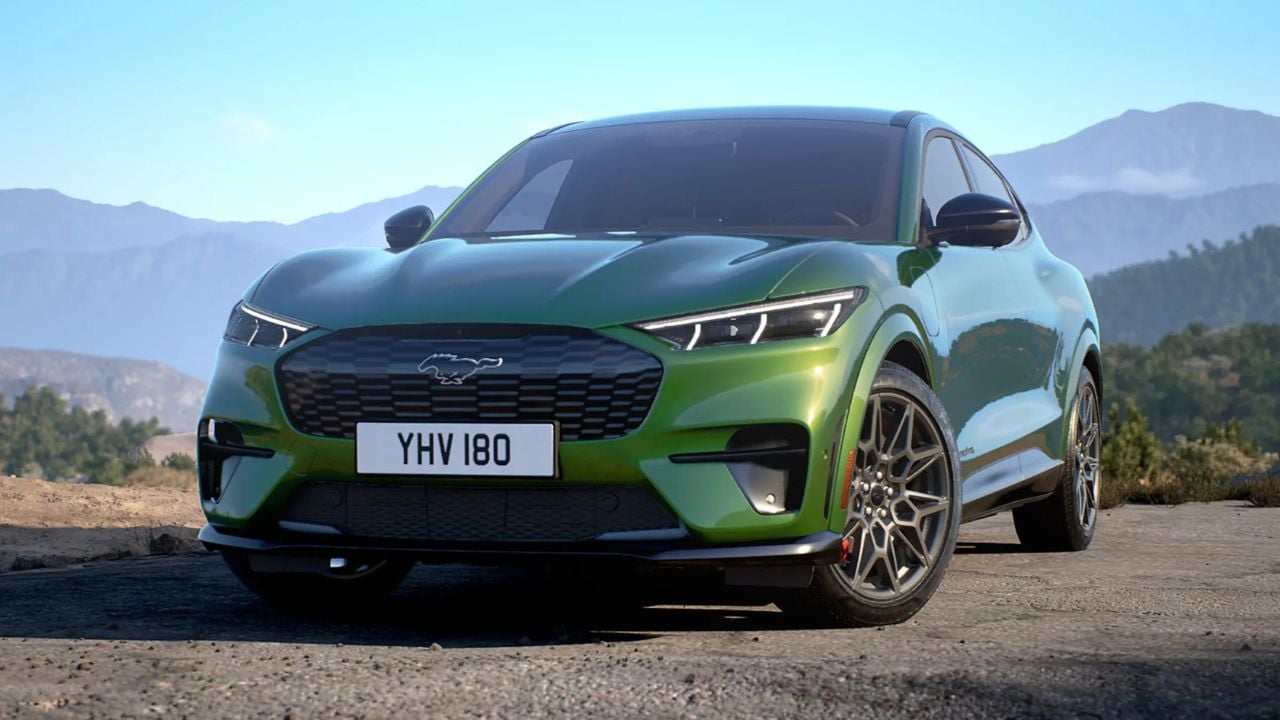
Ford is facing a proposed class-action lawsuit from a California customer who claims the automaker should return money to buyers after receiving an estimated $1.3 billion tariff-related benefit. The case centers on allegations that customers paid higher vehicle prices and destination charges while Ford was absorbing additional import costs.
The plaintiff, San Diego resident Jason Bullock, purchased a Ford Mustang Mach-E in February and claims the price he paid was affected by tariff-related adjustments. Because the electric crossover is assembled in Mexico, it became one of the vehicles caught in the broader debate surrounding tariffs and their impact on automotive pricing.
The lawsuit argues that Ford could effectively benefit twice if it receives money back for previously paid duties while retaining revenue allegedly collected from consumers through tariff-related price increases. Ford, however, has not been found liable, and the claims remain allegations that will need to work their way through the federal court system.
The dispute could have implications extending beyond a single Mustang Mach-E owner or even Ford itself. Similar consumer lawsuits have reportedly targeted companies in other industries, raising a broader legal question over whether businesses receiving tariff refunds have any obligation to compensate customers who claim those costs were previously passed along to them.
Mustang Mach-E Owner Takes Ford to Court
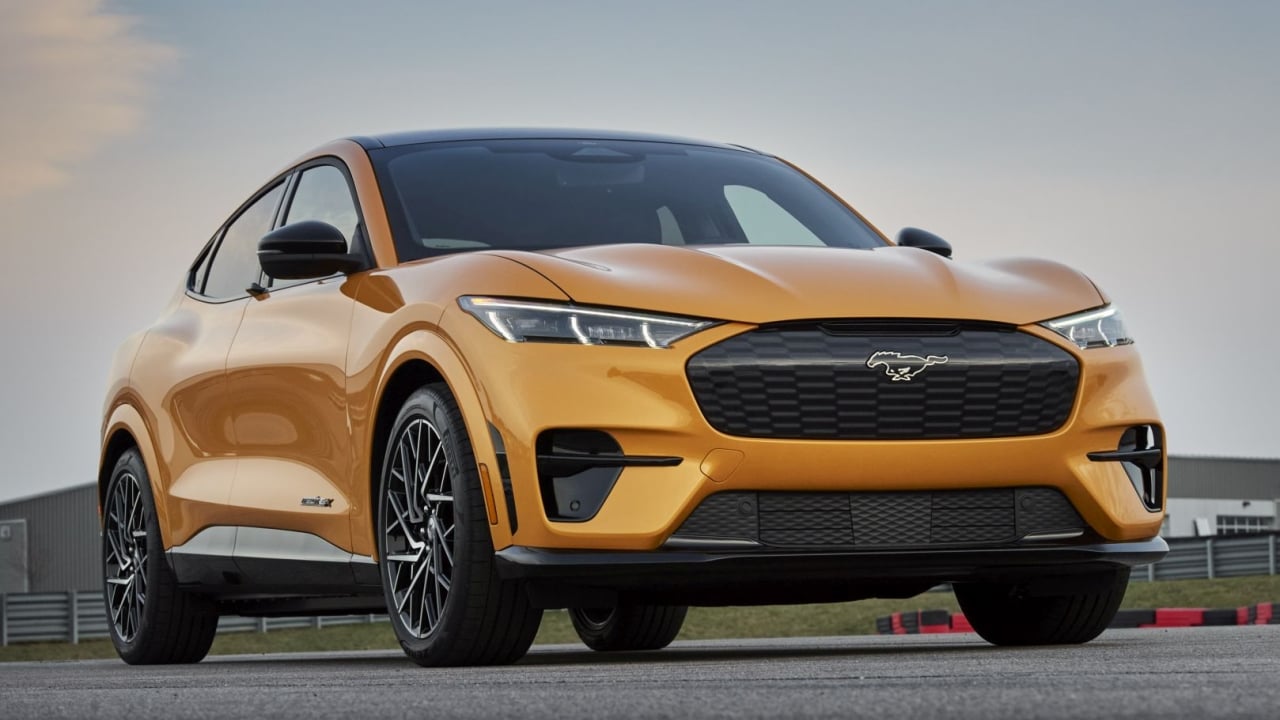
The proposed class-action lawsuit was filed in Michigan federal court on July 9. Bullock alleges that Ford responded to increased import costs by raising prices and destination charges on vehicles assembled in Mexico, including the Mustang Mach-E.
The argument now being presented is that the circumstances surrounding those costs have changed. Following a U.S. Supreme Court decision concerning tariffs imposed under the International Emergency Economic Powers Act, the federal government has moved toward refunding duties that were collected under the affected policy.
Ford previously disclosed that it expected a tariff-related benefit of approximately $1.3 billion associated with duties paid between March 2025 and February 2026. The lawsuit contends that customers who allegedly absorbed some of those costs through higher vehicle pricing should now receive a portion of that money.
The Lawsuit Alleges Ford Could Benefit Twice
At the center of the complaint is an unjust enrichment argument. The plaintiff claims that allowing Ford to retain both the tariff refund and the revenue allegedly generated through tariff-related price increases would give the automaker an improper financial windfall.
That does not necessarily mean every increase in the price of a Mustang Mach-E during the relevant period can be directly attributed to tariffs. Vehicle pricing is influenced by numerous factors, including production costs, transportation expenses, incentives, supply conditions, and broader market demand.
Establishing a direct connection between specific tariff payments and the amount ultimately charged to individual customers could therefore become an important part of the case. The court may also have to consider whether consumers have a legal claim to money refunded directly to an importer after a vehicle transaction has already been completed.
Ford Hasn’t Announced Customer Refunds
According to the lawsuit, Ford has not announced plans to provide refunds, credits, or other tariff-related compensation to affected vehicle buyers. The automaker’s reported $1.3 billion benefit is instead expected to support other areas of its business, including its Ford Blue combustion-engine and Ford Pro commercial operations.
The case is particularly notable because automakers did not necessarily apply tariff costs to every vehicle in a simple dollar-for-dollar manner. Manufacturers can respond to higher expenses in several ways, including absorbing some costs, adjusting incentives, changing destination charges, raising sticker prices, or spreading financial pressure across their wider product portfolios.
That complexity could make determining damages challenging if the lawsuit proceeds. A customer would potentially need to demonstrate not only that Ford faced additional tariff expenses, but that identifiable portions of those costs were incorporated into the specific price ultimately paid.
The Case Could Have Bigger Implications
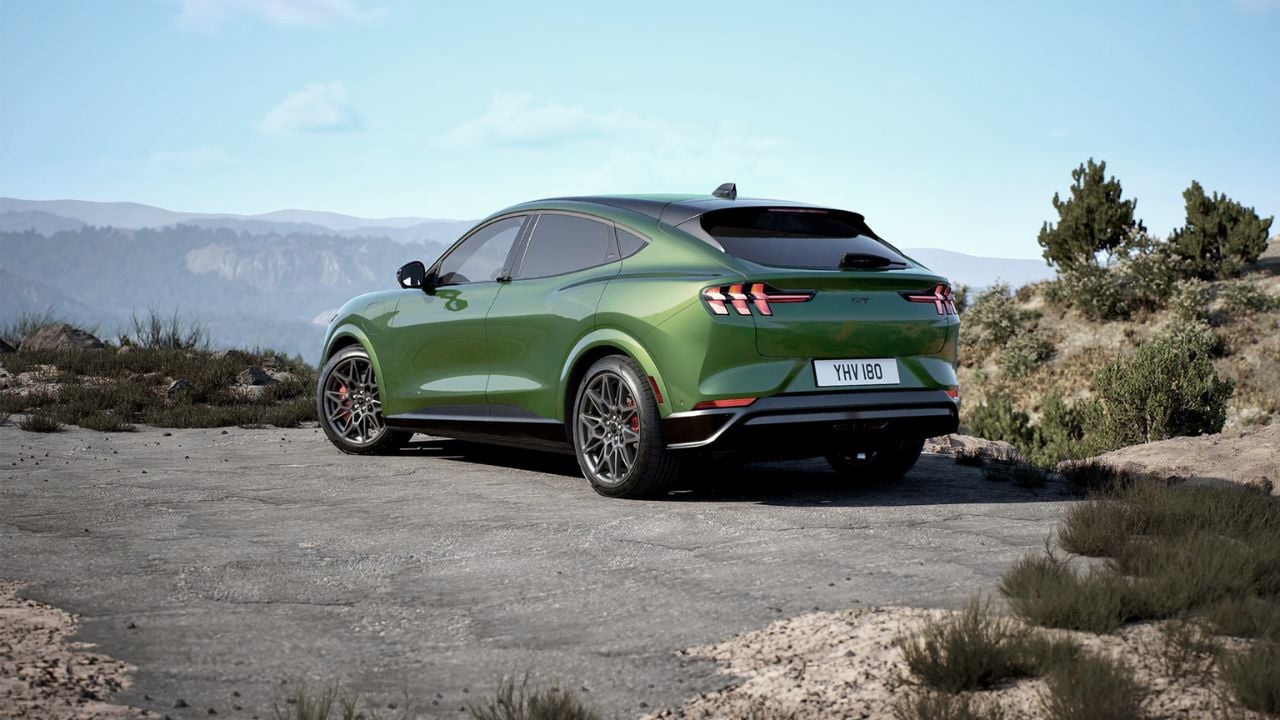
Ford is reportedly not alone in facing questions over what should happen to refunded tariff payments. Consumer lawsuits involving major companies, including Nike, Amazon, and Costco, are raising similar arguments about whether businesses can retain government refunds after allegedly passing the original costs along to customers.
For the auto industry, the outcome could attract considerable attention. General Motors and Stellantis are also expected to benefit from tariff refunds, according to reports, meaning any significant legal precedent could potentially influence how other automakers approach similar claims.
The Ford lawsuit remains at an early stage, and there is no guarantee that the proposed class will be certified or that customers will ultimately receive compensation. Still, the dispute introduces another complication to an already turbulent period for automotive trade policy, with a Mustang Mach-E buyer now asking a potentially consequential question: if an automaker gets its tariff money back, are customers who allegedly paid higher prices entitled to some of it too?