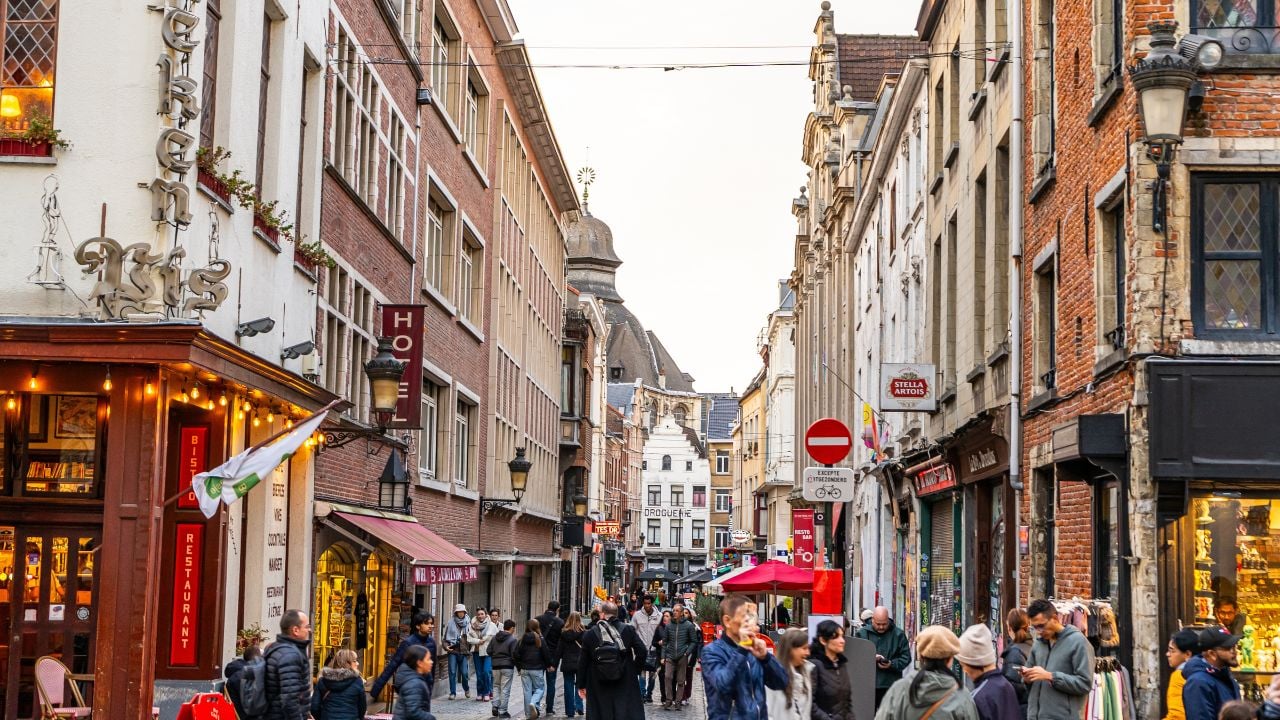
Some European city breaks cost less and feel easier when travelers walk the central route instead of treating every movement as a taxi ride. The right city puts the station, old streets, cafés, markets, museums, waterfront, and main squares close enough to connect in one day.
These seven cities are useful for travelers who want fewer short rides, fewer parking questions, and less time spent checking fares. A taxi still makes sense for luggage, late arrivals, heavy rain, or mobility needs. For most central sightseeing, the better plan is to choose a hotel near the main walking area and let the city unfold street by street.
1. Antwerp, Belgium

Antwerp gives train arrivals a useful starting point. Reuters describes Antwerp Central Station as close to Antwerp Zoo, Chocolate Nation, the Diamond District, and Meir, the main shopping street that leads toward the historic center.
That route gives visitors a simple first day. From the station, travelers can walk through Meir toward the Cathedral of Our Lady, Vlaaikensgang, Grote Markt, and Hendrik Conscienceplein. The route links shopping streets, old facades, squares, churches, food stops, and riverside detours without requiring several short rides.
Public transport is still useful for museums, outer neighborhoods, bad weather, or tired legs. For the central route, staying on foot keeps the day close together and avoids paying for taxis between places that already sit along the same line.
2. Lille, France
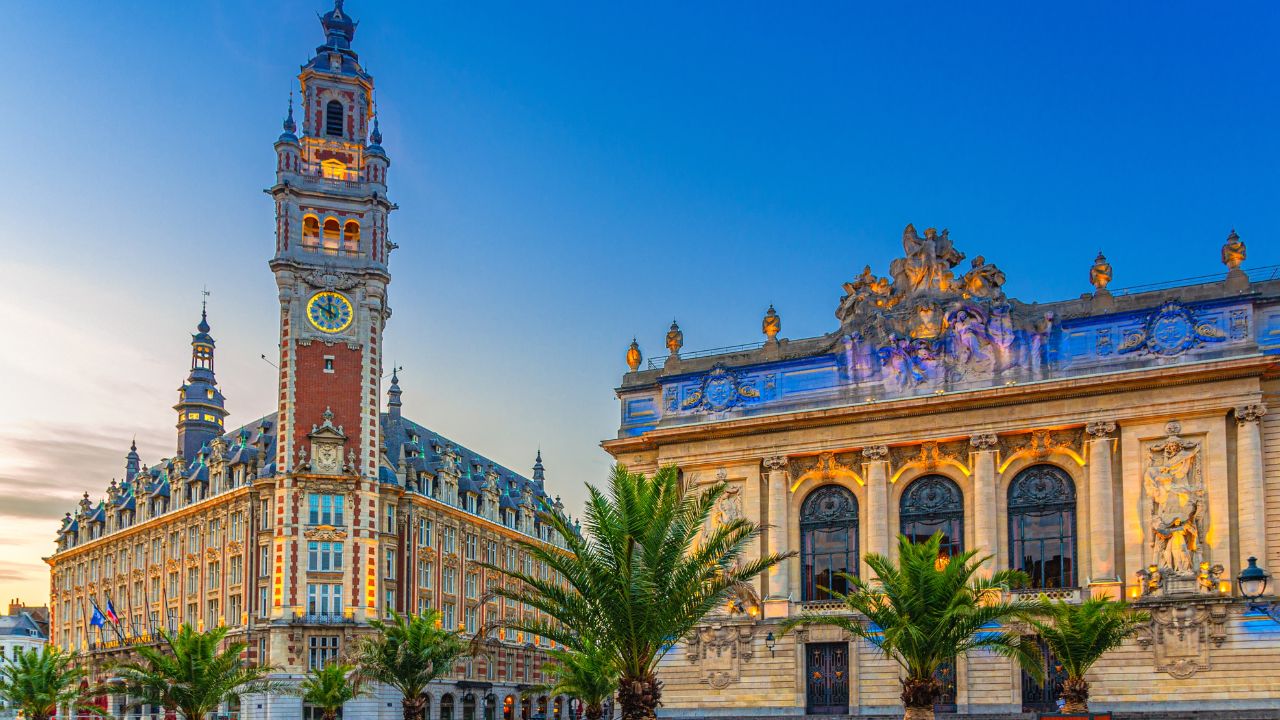
Lille is a good short-break city for travelers who want restaurants, cafés, old streets, and central sights close together. Lille Tourism describes Old Lille as the city’s old quarter, with cafés, bars, restaurants, terraces, and guided tours through its monuments and details.
A walking day can start around Grand Place and Place du Théâtre, then continue into Old Lille for shops, side streets, cafés, and dinner. Visitors can add the Vieille Bourse, churches, courtyards, pastry shops, and restaurant streets without planning the day around taxis.
Lille’s center gives enough variety for a weekend without spreading the trip across a large area. Travelers who stay near Grand Place, the station area, or Old Lille can save most rides for arrival, departure, or late-night returns.
3. La Rochelle, France
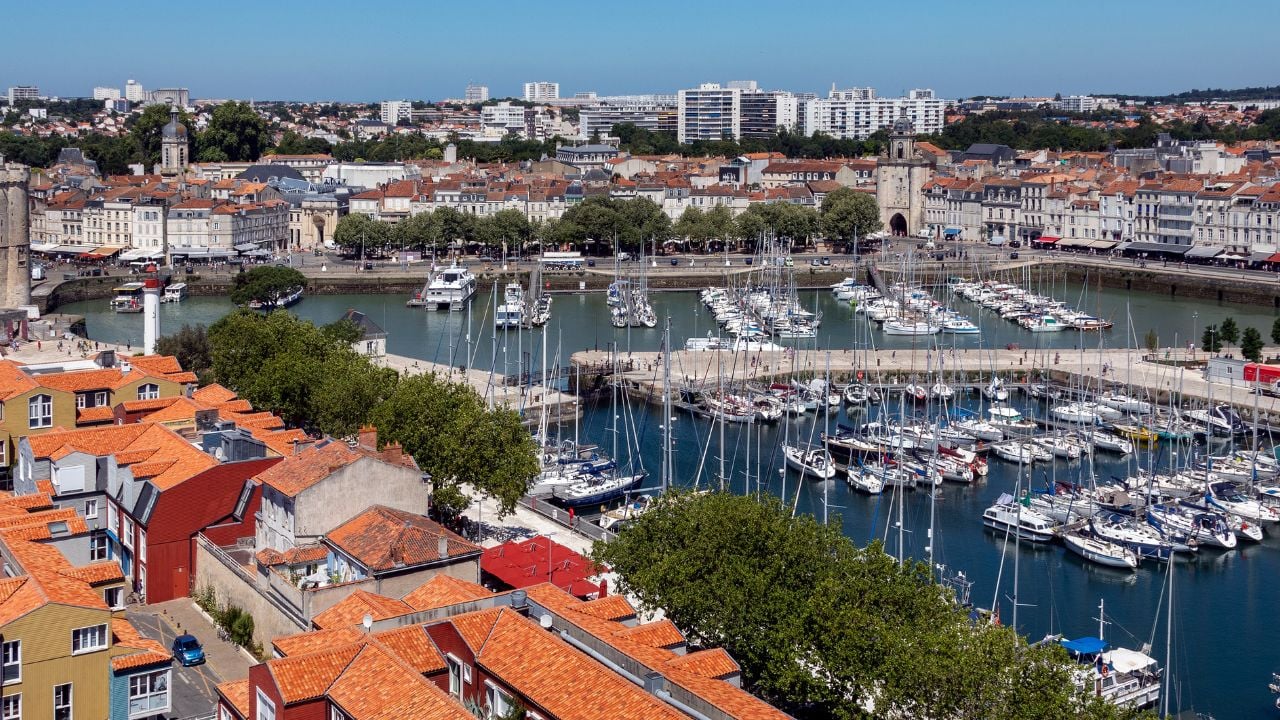
La Rochelle’s central visit naturally starts around the harbor. La Rochelle describes the Vieux-Port as the city’s oldest port and historical heart.
The old port, waterfront, marina views, arcaded streets, market area, cafés, and towers sit close enough for a full day on foot. Towers says La Rochelle’s three towers are remnants of medieval maritime fortifications, while the monument’s history page identifies Saint-Nicolas, la Chaîne, and la Lanterne as remains of the city’s medieval defensive program.
A practical route can begin at the Vieux-Port, continue past the towers, move into the arcaded streets for lunch or the market, and return to the waterfront later in the day. Taxis are more useful for outer beaches, luggage, or bad weather than for the central sights.
4. Haarlem, Netherlands
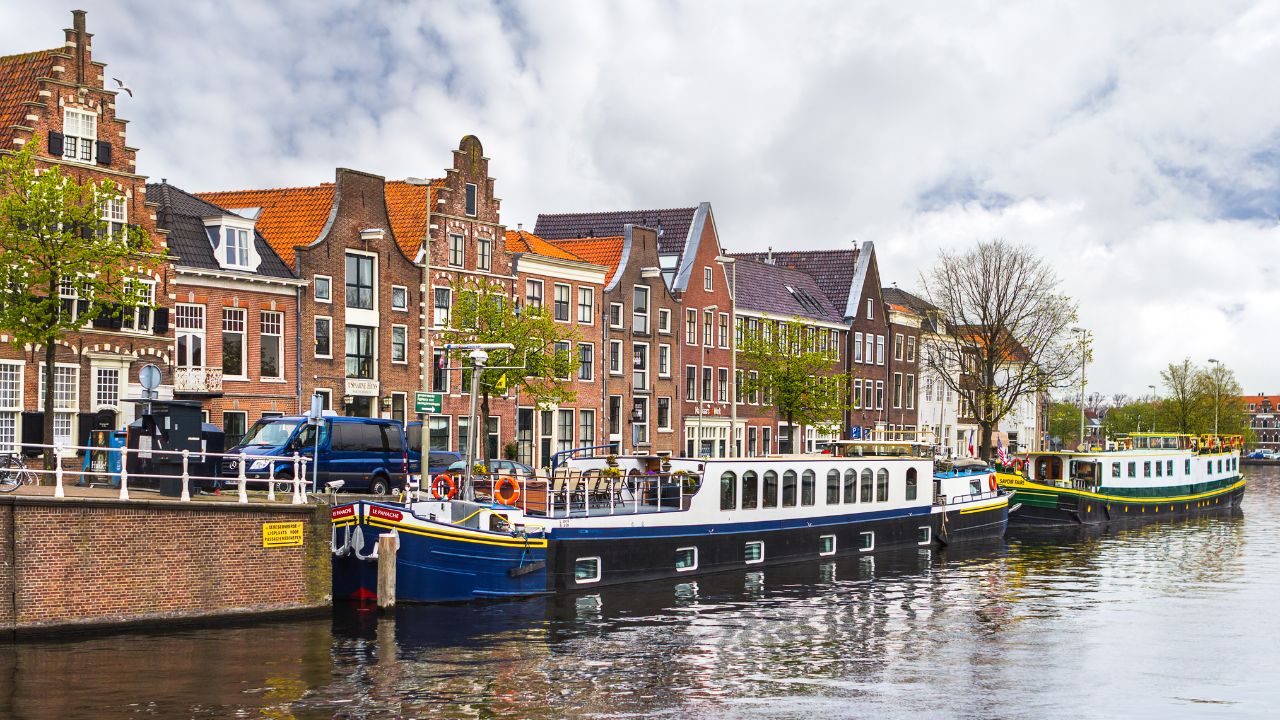
Haarlem gives travelers a smaller Dutch city where the main sights fit into one central walking plan. Visit Haarlem promotes a 10,000-step route through the city’s known and lesser-known spots, describing Haarlem through historic buildings, cafés, museums, and shopping streets.
Visitors can build a day around Grote Markt, the Grote Kerk, canals, museums, side streets, cafés, shops, and the station area. The distances stay manageable, so travelers can pause often and still cover the historic core.
Haarlem also suits visitors who want a Dutch base with less pressure than Amsterdam. Trains remain useful for regional travel, but the city center itself is better treated as a walking route than as a set of taxi points.
5. Lecce, Italy
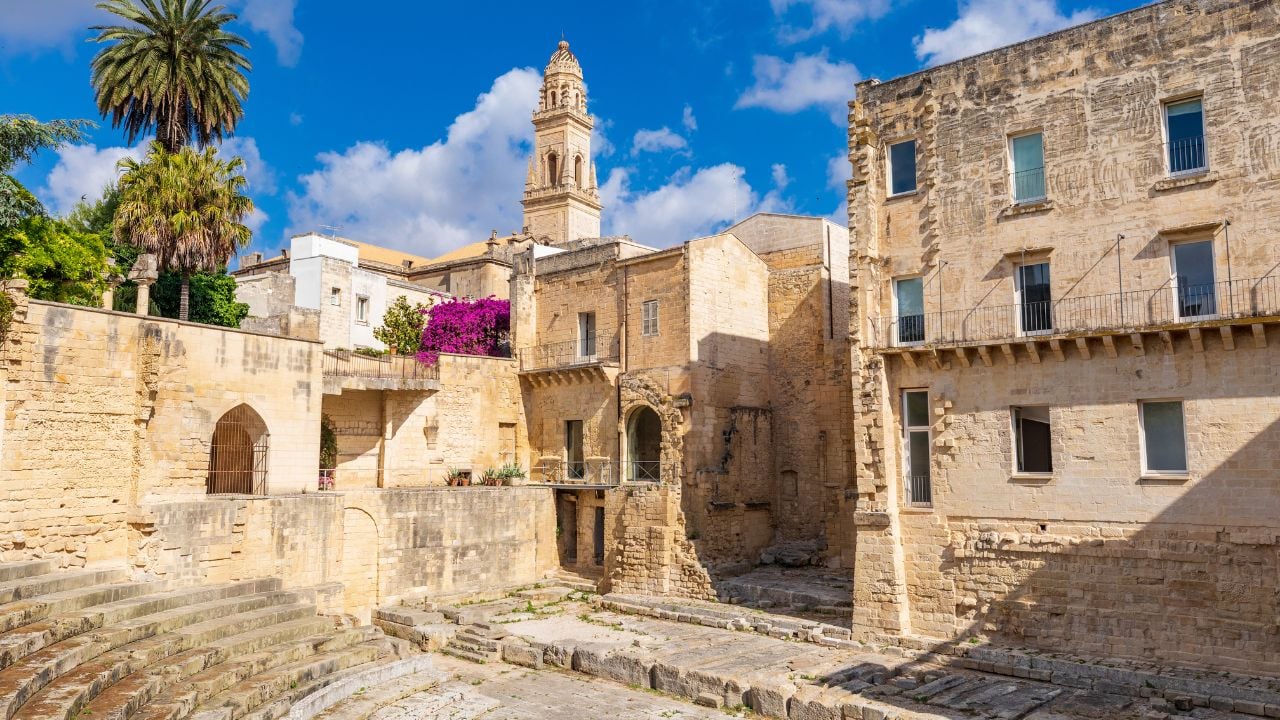
Lecce’s historic center is the reason to stay on foot. Italia.it describes Lecce as the heart of Salento, with a Baroque historic center, Roman-era monuments, and 17th-century buildings in the local pale stone.
A good central route can begin around Piazza Sant’Oronzo, continue to the Roman amphitheater, move toward Piazza del Duomo, and add the Basilica di Santa Croce, cafés, pastry shops, and smaller lanes nearby. The short distances allow visitors to notice carvings, balconies, church fronts, courtyards, and shop windows instead of passing them from a car.
A taxi or rental car may help for beaches, nearby towns, or late arrivals. Inside the old center, walking is usually the easier choice because the main sights sit close together and the streets reward slow movement.
6. Innsbruck, Austria

Innsbruck puts the old town and mountain access unusually close together. Innsbruck says the Golden Roof is in the old town and that the Nordkette mountain range is accessible by cable car from the city center.
The central walking route can include the Golden Roof, Maria-Theresien-Strasse, the Inn river, colorful facades, cafés, shops, and old-town streets. Visitors can keep the morning in the center without needing a car or several short rides.
The mountain connection is the practical advantage. Nordkette says visitors can take the cable car from the city center to Austria’s largest nature park in a few minutes. That means a traveler can walk the old town and reach a high viewpoint without renting a car for the day.
7. Graz, Austria
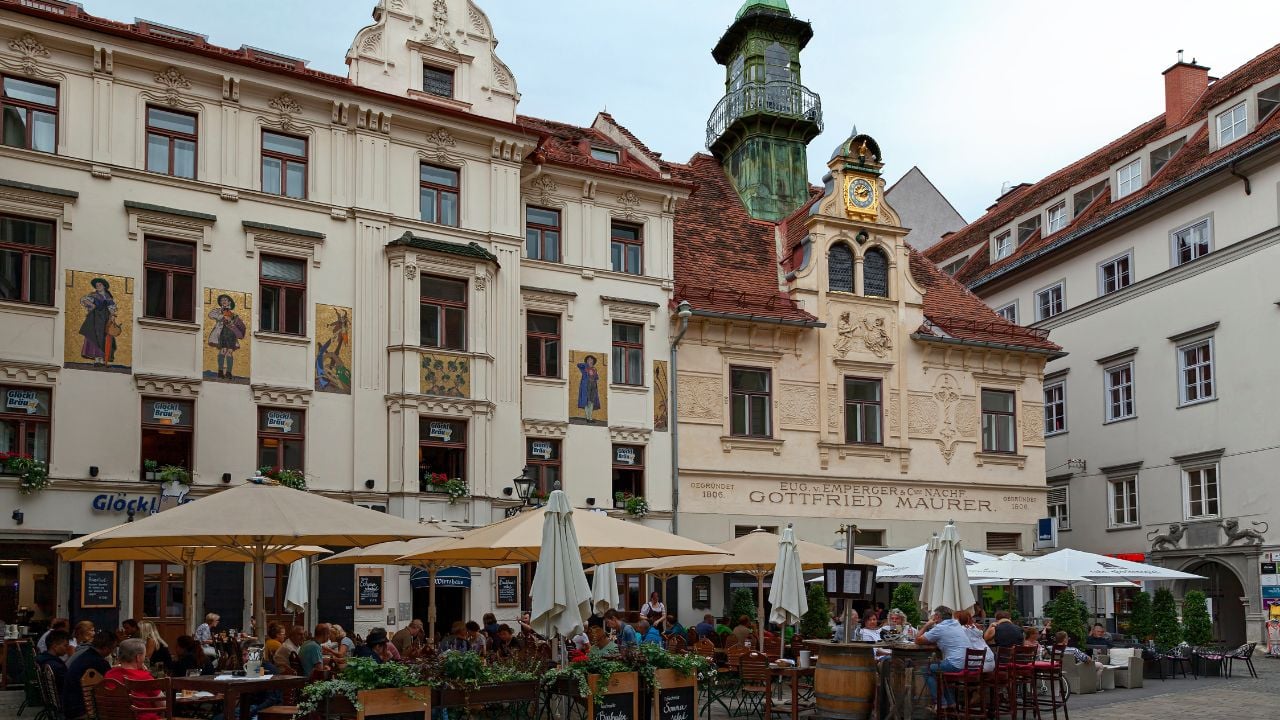
Graz gives walkers a compact historic center with markets, courtyards, facades, cafés, and hill views close together. Graz Tourism describes its historic-center walking tour as a route through a UNESCO World Cultural Heritage site.
The same tourism route highlights hidden alleys, courtyards, ornate facades, and Renaissance, Gothic, and Baroque architecture. A central day can move through Hauptplatz, old-town streets, courtyards, shops, and cafés before continuing toward Schlossberg or a market stop.
Graz is easiest when travelers choose a central base and keep the taxi budget for luggage, rain, or late returns. The main central sights are close enough that walking saves both money and the effort of planning repeated short rides.