Lower-demand months work best in destinations that still have usable routes after the beach crowds, cruise peaks, or blossom-season rush fades. The trip needs walkable streets, indoor stops, food plans, museums, festivals, mild weather, or landscapes that stay accessible outside the main summer window.
Madeira gives travelers Funchal, gardens, levada walks, viewpoints, natural pools, and mild year-round temperatures. Malta keeps Valletta, Mdina, the Three Cities, temples, fortifications, countryside walks, and ferry routes in play outside peak beach season. Dubrovnik offers the Old City, walls, churches, palaces, autumn food events, and winter cultural dates after the heaviest summer traffic leaves.
Kyoto’s winter calendar includes limited-time openings at temples, shrines, and historic buildings, while spring blossoms and late-autumn foliage bring the largest visitor numbers. Seville’s cooler months make longer walks around the cathedral area, Santa Cruz, Triana, María Luisa Park, and Plaza de España easier than the hottest summer weeks.
Travelers should still check weather, ferry schedules, trail status, opening hours, festival dates, and daylight before booking. A quieter month can reduce crowd pressure, but it does not remove the need for restaurant reservations, attraction tickets, or a backup indoor plan.
1. Madeira, Portugal

Madeira has the weather profile needed for a lower-demand trip with real outdoor time. The official tourism board says the archipelago has a mild climate throughout the year, with average temperatures ranging from 15°C in winter to 25°C in summer. That range supports walking, viewpoints, gardens, natural pools, and levada routes outside the hottest months.
Funchal can cover a slower day without a car-heavy plan. Travelers can build a route around the market, old streets, cafés, the waterfront, cable cars, gardens, seafood, and ocean views. Cloudy mornings do not automatically ruin the day, but mountain weather can differ from coastal weather, so trail plans need a same-day forecast check.
The levadas and Laurissilva Forest give the island a stronger off-season case than a standard beach destination. Visit Madeira says the Laurissilva Forest has been a UNESCO World Heritage site since 1999 and can be explored through trails and levadas.
Route choice still needs care. Some levada walks include tunnels, wet stone, narrow sections, exposure, or longer distances than casual walkers expect. Travelers should check distance, trail status, footwear, daylight, and transport before choosing a route.
2. Malta
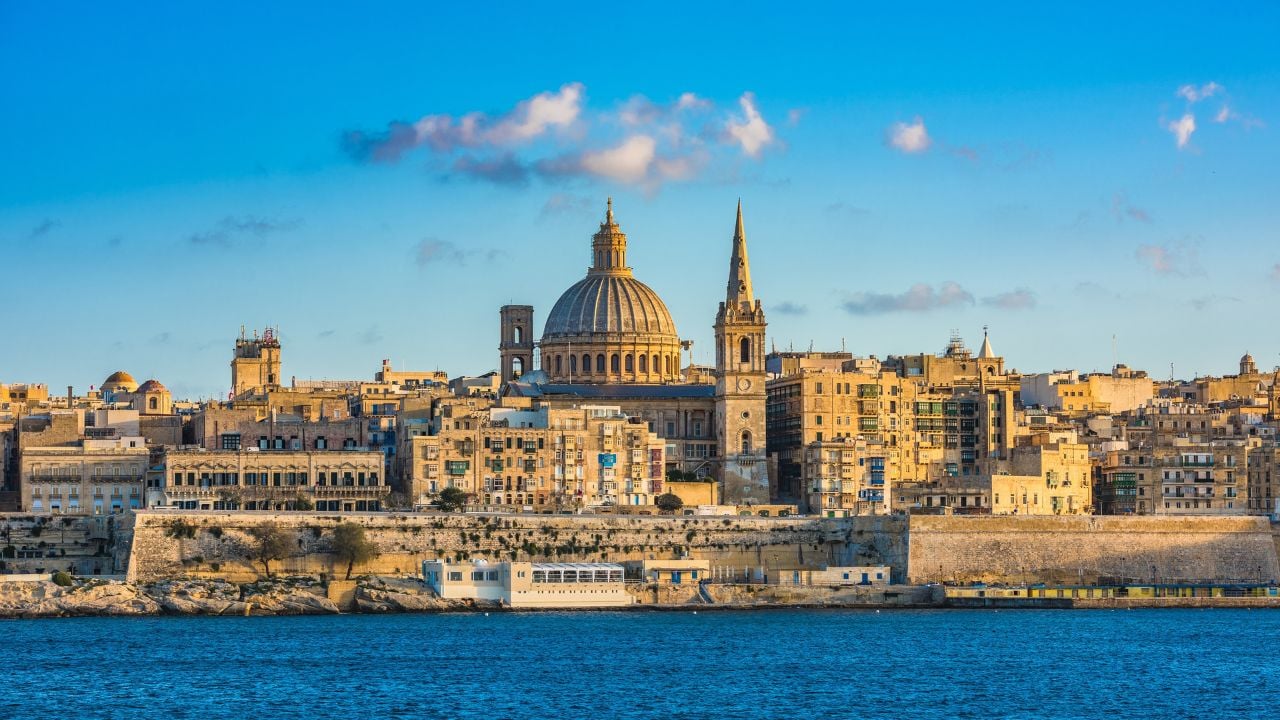
Malta has enough history and walking routes to carry a trip outside peak swim season. VisitMalta says the islands have a favorable climate with 300 days of sunshine, mild winters, countryside walks, beaches, diving, cultural sites, Gozo, and Comino. That mix lets visitors plan around Valletta, Mdina, harbor views, prehistoric sites, and local food instead of relying only on beach weather.
Valletta can anchor the first day with museums, fortifications, churches, harbor views, cafés, and evening walks inside a compact capital. Mdina and Rabat can take another block, while the Three Cities work better with a separate harbor-focused plan. Gozo needs ferry time, so it should not be treated as a casual late-afternoon add-on.
Winter and shoulder months can bring wind, rain, and rougher sea conditions. Travelers planning Comino, boat trips, coastal walks, or Gozo should check ferry operations and the forecast before locking in a day. Indoor stops in Valletta or Mdina make useful backups.
A Malta trip outside summer should be built around culture first and swimming second. Temples, fortifications, museums, bakeries, village streets, waterfront walks, and ferry routes can fill the itinerary even when a beach day becomes a walking day.
3. Dubrovnik, Croatia
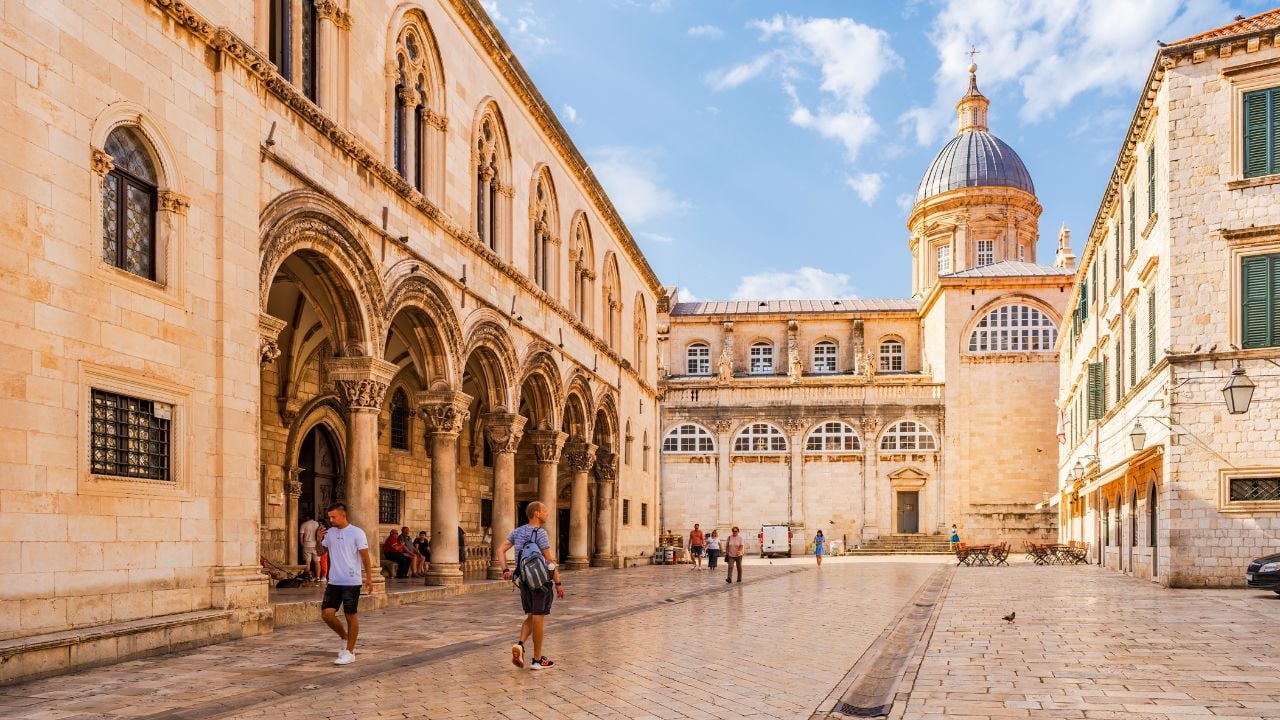
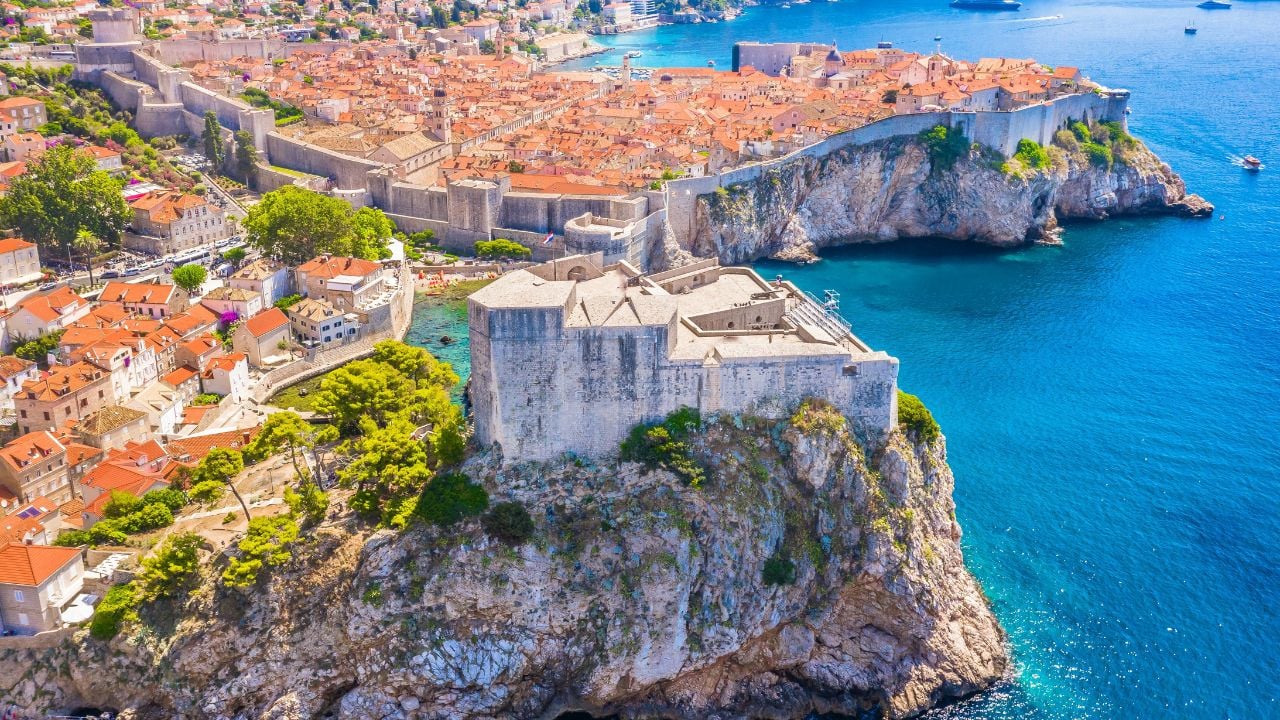
Dubrovnik’s Old City is easier to read outside the heaviest summer flow. The Dubrovnik Tourist Board describes the city as a preserved treasury and museum with Baroque, Renaissance, and Romanesque churches and palaces, including the Old City, Stradun, Rector’s Palace, Sponza Palace, St. Blaise’s Church, Orlando’s Column, historic streets, and cathedrals.
The Old City walls, Stradun, church stops, palaces, cafés, harbor edges, and museums can fill a day without summer heat controlling every hour. Lower-demand months also make narrow lanes and viewpoints easier to handle, especially for travelers who want photography, history, and food stops rather than a swim-focused itinerary.
Autumn adds a food reason to consider Dubrovnik after summer. The Dubrovnik Tourist Board says the Good Food Festival returns from October 5 to 18, 2026, with a culinary program tied to gastronomy, wine, and local food experiences.
Travelers should still check cruise schedules, museum hours, restaurant openings, and seasonal transport before booking. Some services reduce frequency outside high season, while major festivals and holiday periods can raise hotel demand even when summer beach crowds are gone.
4. Kyoto, Japan
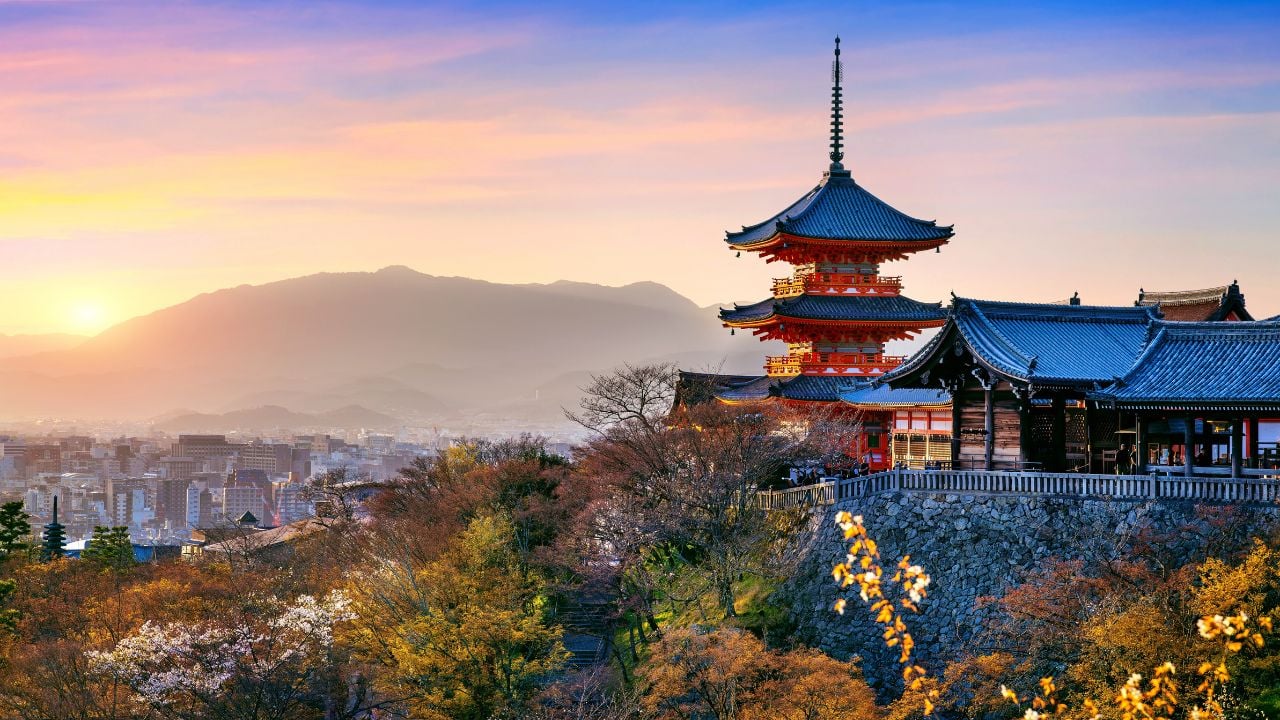
Kyoto’s off-season case starts with avoiding the largest crowd periods. Kyoto’s official tourism FAQ says late March to early April cherry blossoms and mid-November to early December autumn foliage see the largest tourist numbers. Winter changes the trip from blossom and foliage chasing to temples, museums, food, gardens, and limited-time cultural openings.
The Kyoto Winter Special Openings give winter visitors a specific planning target. Kyoto City Tourism says the 2026 event period runs from January 9 to March 18, with venues including Kodai-ji Temple, Hōkō-ji Temple, Toyokuni-jinja Shrine, Daitoku-ji Daikō-in Temple, Kekō-ji Temple, Ninna-ji Temple, Tō-ji Temple, and others.
The same official notice says opening dates and hours vary by location. Travelers should check the individual site pages before booking a day around one temple, shrine, or historic building. Some sites may have limited hours, different admission rules, or closures tied to ceremonies or weather.
Winter Kyoto still needs cold-weather planning. Temples, gardens, and old streets can involve outdoor waiting, unheated spaces, and early sunsets. A practical winter route should group nearby sites, reserve meals where needed, and keep one indoor museum, market, or café stop available for cold or wet hours.
5. Seville, Spain

Seville rewards travelers who avoid the hottest part of the year. Andalucía’s official tourism site describes the region’s climate as warm Mediterranean, with mild winters, dry hot sunny summers, an average year-round temperature of about 18°C, and more than 300 days of sunshine per year. Cooler months allow longer walks around the cathedral area, Santa Cruz, Triana, María Luisa Park, and Plaza de España.
A lower-demand Seville day can start around the cathedral and Giralda area, continue through Santa Cruz, pause for lunch, and move toward Plaza de España or María Luisa Park later in the day. Triana can take another block with ceramics, tapas, riverside walks, and a different neighborhood route across the Guadalquivir.
Summer heat can force visitors to plan around shade, siesta hours, hydration, and shorter outdoor sections. Cooler months give travelers more usable hours for walking, photography, patios, markets, churches, and tapas without building the whole day around midday avoidance.
Major holidays, fairs, Holy Week, and local events can change prices and crowd levels even outside summer. Travelers should check the calendar before booking a supposedly quiet Seville trip, especially around spring celebrations and long weekends.