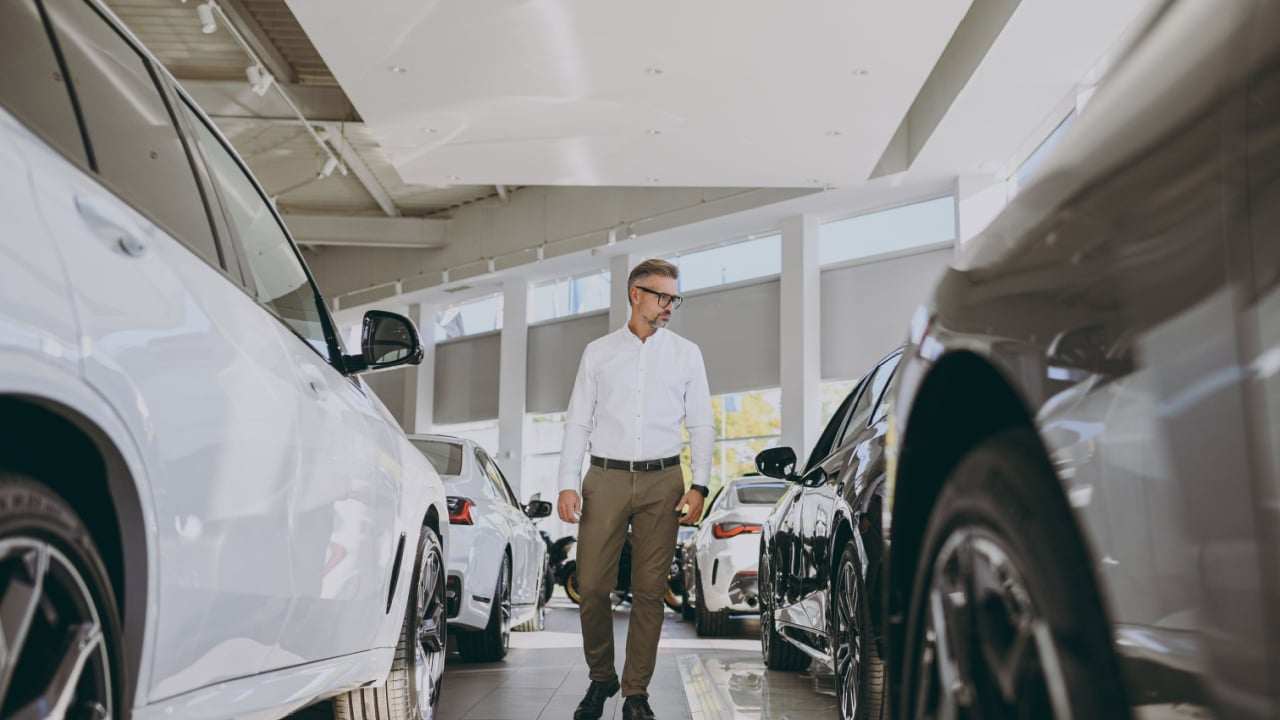
Buying a new car has become significantly more expensive than many drivers realize, and not just because sticker prices remain high. Rising interest rates, longer loan terms, and increasing monthly payments are making vehicle ownership far more costly in 2026 than it was even a decade ago.
For many potential car shoppers, the smarter financial decision right now may simply be keeping the car they already own. If a vehicle is reliable, reasonably maintained, and nowhere near the end of its lifespan, replacing it with a newer model could create years of unnecessary financial pressure.
Modern vehicles are also lasting longer than ever before. Many properly maintained cars can comfortably exceed 150,000 miles, and some go far beyond that with regular upkeep.
At a time when automakers, social media, and advertising constantly push consumers toward the newest technology and latest redesigns, there is growing value in recognizing that a car’s primary job is still fairly simple: dependable transportation.
Car Loans Have Become Much More Expensive

One of the biggest reasons buying a new car feels so difficult today is financing. Vehicle prices have climbed steadily, but loan terms have stretched even further.
Back in the 1980s, four-year loans were common. Today, 72-month financing has become standard, while seven-year loans are increasingly common across dealerships.
At the same time, average interest rates remain elevated unless buyers have exceptional credit. According to Experian data from April 2026, borrowers with strong but not elite credit scores often face rates between roughly 6% and 10% for new vehicle loans.
A buyer financing $25,000 on a $35,000 vehicle after a down payment could easily spend thousands of dollars in interest alone over the course of the loan. Stretching payments across five or six years lowers the monthly bill but dramatically increases the total amount paid over time.
The average new car payment reportedly reached $773 per month during the first quarter of 2026, a figure that rivals mortgage payments in some areas of the country.
Your Current Car May Have More Life Left Than You Think
Many people replace vehicles long before they are truly worn out. A car that no longer feels exciting often still has years of reliable service remaining.
Instead of taking on a massive monthly payment, investing some money into improving an existing car can often provide a surprisingly satisfying alternative.
A professional detail alone can dramatically refresh an aging vehicle. Deep-cleaned interiors, paint correction, restored headlights, and fresh coatings can make older cars feel far newer than many owners expect.
Technology upgrades can also modernize daily driving. Wireless Apple CarPlay adapters, updated infotainment systems, improved audio equipment, and refreshed cabin materials can make a several-year-old car feel significantly more current without requiring a new loan.
Small Improvements Can Make A Big Difference
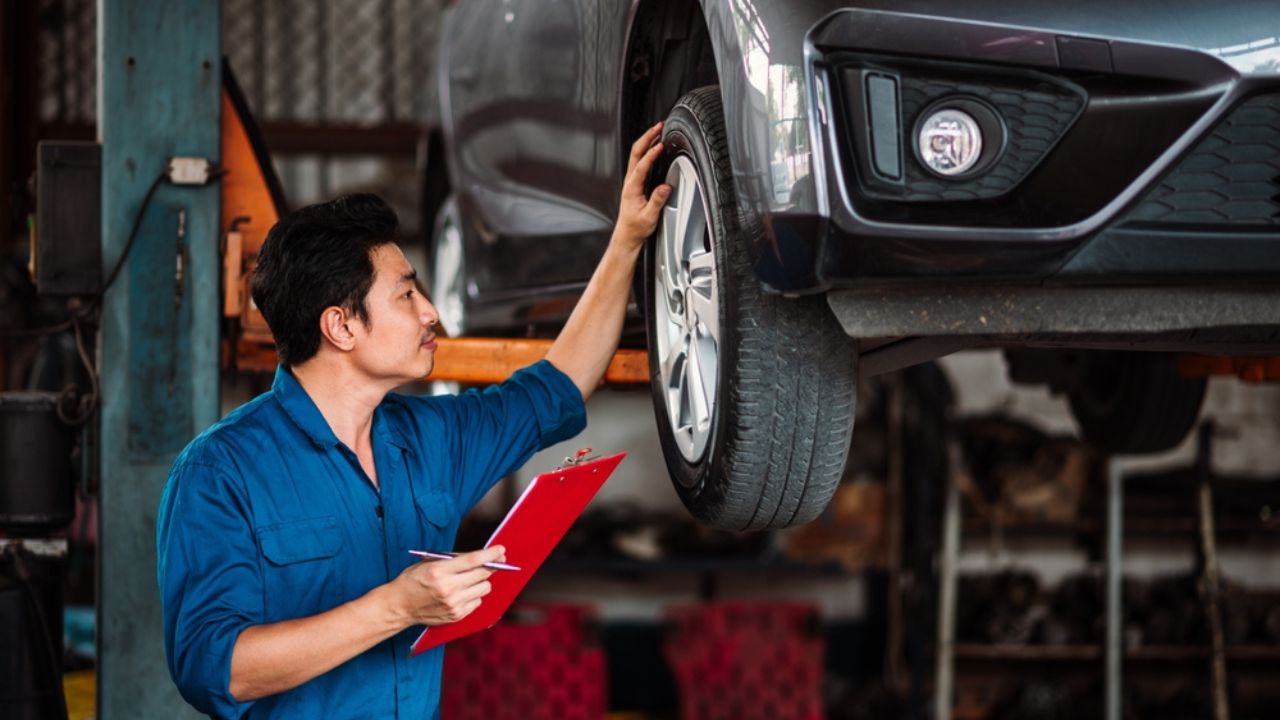
Suspension wear, faded tint, worn shift knobs, cracked trim pieces, or aging tires can slowly make a car feel tired over time. Replacing those components can dramatically improve how a vehicle drives and feels without requiring major spending.
Fresh tires, especially higher-quality touring tires, can reduce road noise and improve ride comfort. New wheels can also visually transform a car without the financial commitment of replacing the entire vehicle.
For enthusiast owners, maintaining and upgrading an existing car can also create a stronger emotional connection than simply trading into something newer every few years.
There is also something increasingly appealing about owning a car outright. Avoiding monthly payments entirely gives drivers far more financial flexibility during uncertain economic periods.
The Used Market Still Makes More Sense For Many Buyers
Of course, some vehicles genuinely do reach the end of their useful lives. Major mechanical failures, rust, safety concerns, or excessive repair costs can eventually make replacement unavoidable.
Even then, certified used vehicles often represent a smarter value than buying brand-new. Much of the steep initial depreciation has already occurred, while buyers still benefit from modern safety features and factory-backed warranties.
Going slightly older can also dramatically reduce financing needs. Smaller loans mean lower interest costs, shorter repayment periods, and less financial strain overall.
For some buyers, inexpensive “beater” cars may even make sense temporarily while waiting for market conditions to improve. Older vehicles with cosmetic flaws but solid mechanical reliability can provide cheap transportation without creating years of debt.
Enjoying The Car You Already Own

One overlooked benefit of keeping an older car is freedom from constant financial pressure. A vehicle that is already paid off allows owners to spend money on experiences rather than monthly loan obligations.
Simple things like weekend road trips, scenic drives, or refreshing a favorite older car can often bring back the appreciation that daily commuting slowly wears away.
Ironically, the less people obsess over chasing the newest car, the more enjoyable their current vehicle sometimes becomes. In a market where prices, insurance, and financing costs continue climbing, patience may end up being one of the smartest automotive decisions drivers can make right now.