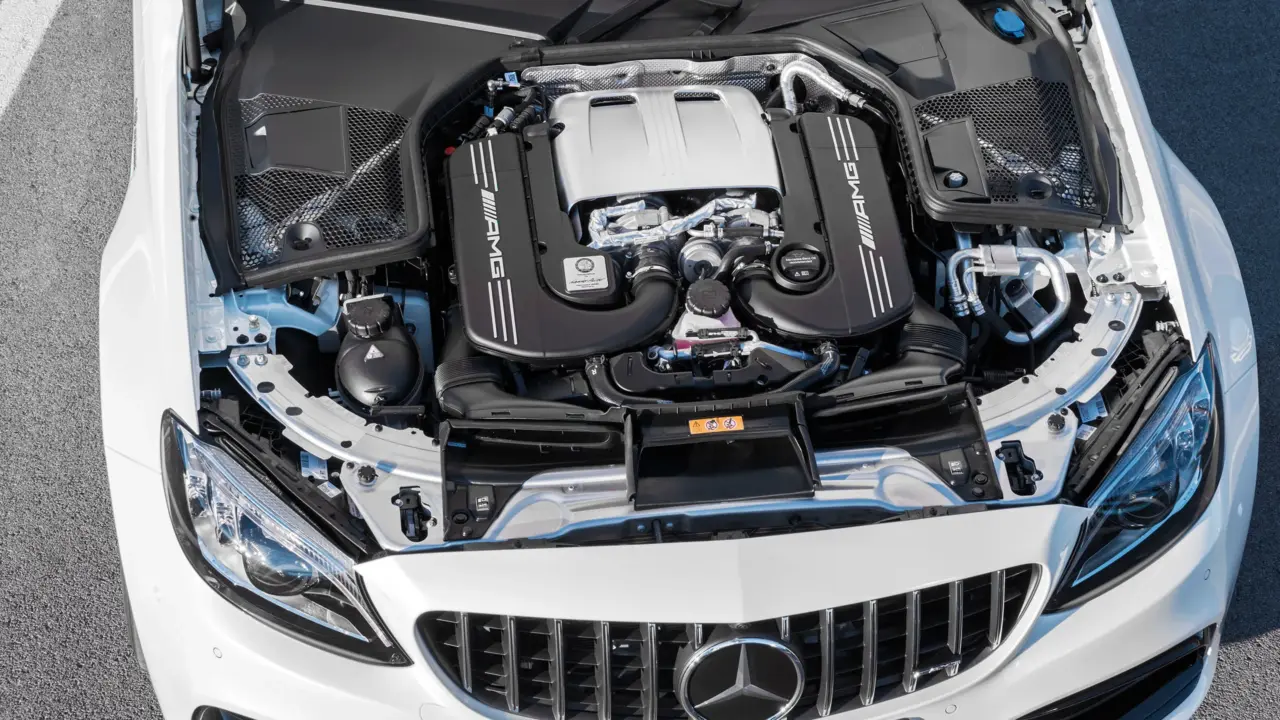
Mercedes-AMG is officially bringing back V8 power after years of downsizing and controversial hybrid experimentation. AMG CEO Michael Scheibe confirmed that new V8-powered AMG models will arrive before the end of 2026, marking a major change in direction for the performance brand.
The announcement comes after widespread criticism of AMG’s recent four-cylinder plug-in hybrid strategy, particularly the electrified Mercedes-AMG C63. While the hybrid setup delivered huge power figures on paper, many enthusiasts felt it lacked the character, sound, and emotional appeal traditionally associated with AMG.
In an interview with Car Magazine, Scheibe now says AMG is “doubling down” on combustion engines again while continuing to expand its EV lineup in parallel. The company plans to offer customers both traditional V8-powered performance models and fully electric alternatives, depending on market demand and buyer preferences.
For longtime AMG fans, the return of the V8 will likely feel like a major course correction after several years of backlash surrounding the brand’s smaller hybrid powertrains.
AMG’s V8 Will Return First In SUVs
According to Scheibe, the first AMG models receiving the revived V8 will be SUVs arriving later this year. Although he did not confirm exact vehicles, the most likely candidates are high-performance versions of the Mercedes-Benz GLE and Mercedes-Benz GLS. Additional AMG coupes and sedans are also expected to follow shortly afterward.
The returning engine is widely believed to be an evolved version of Mercedes’ M177 V8, incorporating mild-hybrid technology and a flat-plane crank design similar to the updated engine recently introduced in the Mercedes-Benz S-Class.
Scheibe suggested the V8 would remain somewhat exclusive rather than becoming standard across the entire AMG lineup. That likely means higher-end flagship AMG models will receive the engine while smaller performance cars continue using six-cylinder or hybrid setups.
The Four-Cylinder AMG Experiment Is Fading Away
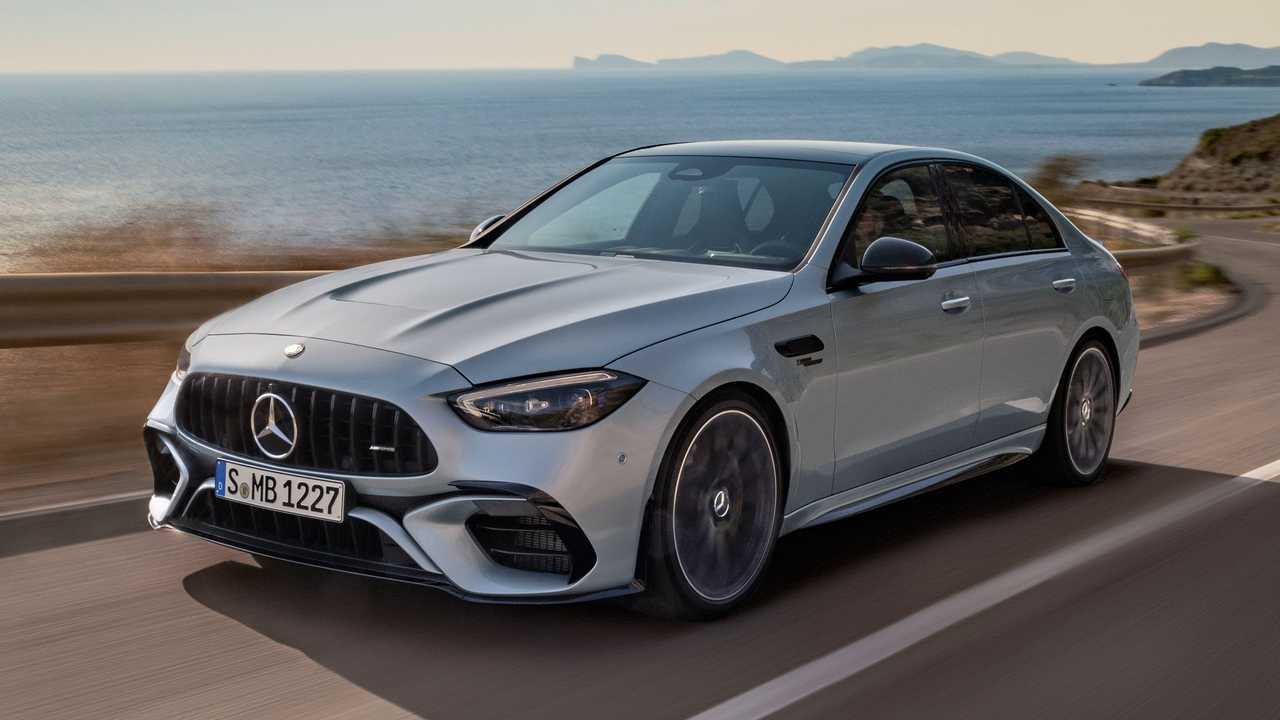
One of the biggest revelations from Scheibe’s comments involves the future of AMG’s controversial four-cylinder plug-in hybrid system.
The electrified C63’s turbocharged four-cylinder setup generated enormous output figures thanks to electric assistance, but many buyers and reviewers criticized the car for feeling heavy, complicated, and disconnected compared to older V8-powered AMG models.
Scheibe acknowledged some of those concerns directly, noting that plug-in hybrid systems add significant weight and packaging compromises. He specifically referenced the challenge of fitting large batteries into performance cars while maintaining practicality and handling balance.
AMG now plans to replace the C63’s current hybrid setup with a new “free-revving” six-cylinder engine similar to the one already found in the refreshed Mercedes-AMG GLC 53.
That effectively confirms AMG is backing away from the four-cylinder flagship formula after years of criticism from enthusiasts.
Plug-In Hybrids Aren’t Completely Dead
Despite the shift back toward combustion engines, AMG is not abandoning electrification entirely. Scheibe said certain plug-in hybrid models will remain important in markets with stricter emissions regulations.
Vehicles like the Mercedes-AMG E53 and Mercedes-AMG GLE 53 are expected to continue using hybrid powertrains because they offer a balance between performance and lower emissions.
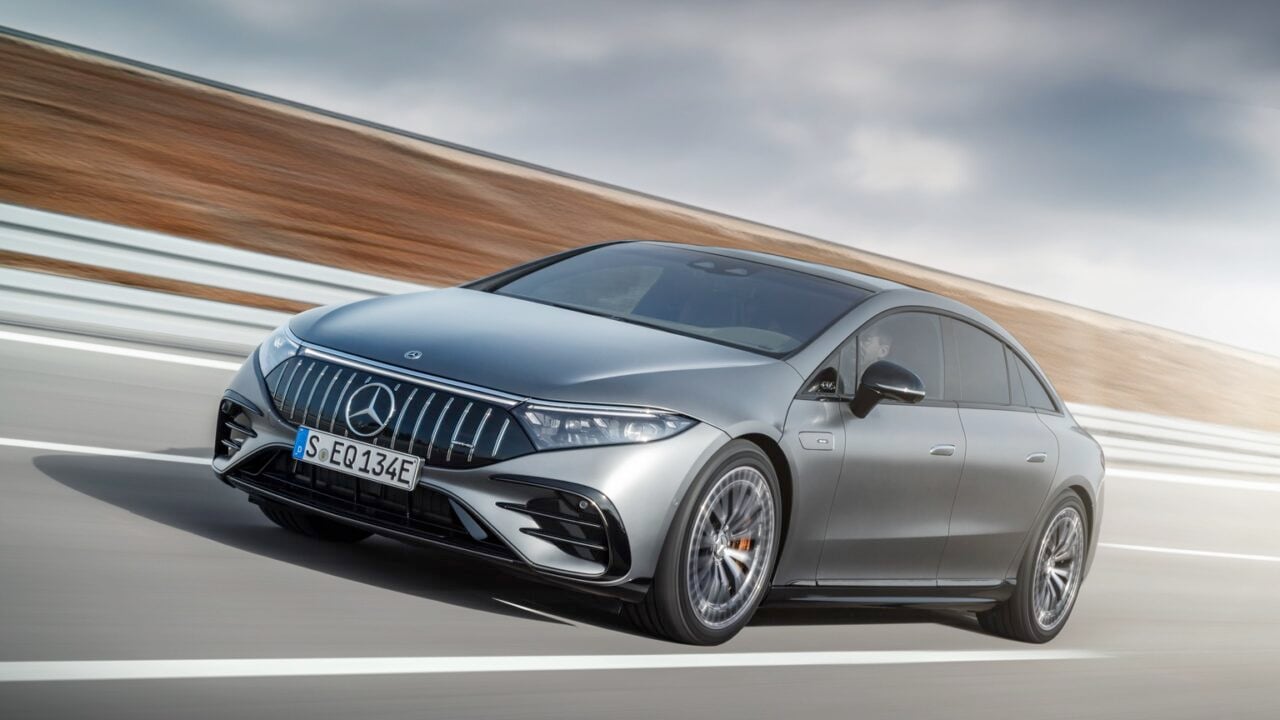
AMG also still plans to launch multiple fully electric models. The next-generation electric AMG GT four-door remains under development and will reportedly use advanced axial-flux electric motors supplied by YASA.
Future AMG EVs are also expected to include electric SUVs and potentially high-performance versions of upcoming Mercedes-Benz EV sedans and crossovers.
AMG Is Trying To Balance Tradition And Electrification
Scheibe’s comments reflect the difficult balancing act performance brands now face. Many markets continue pushing aggressively toward electrification, while a large portion of AMG’s customer base still strongly prefers combustion engines.
The United States remains especially important in that equation. Scheibe specifically acknowledged that American buyers still have a strong attachment to gasoline-powered performance cars.
For AMG, the solution appears to be offering both technologies side by side rather than forcing a rapid transition away from internal combustion.
That strategy could help preserve AMG’s identity during a period when many enthusiasts worry performance brands are losing the emotion and personality that made them special in the first place.
The return of the V8 also suggests Mercedes-AMG may have realized something important: enormous horsepower numbers alone are not enough. For many buyers, the sound, feel, and character of a handcrafted AMG V8 still matter just as much as outright performance.