
Leaving Prague behind does something funny to your brain: the pace drops, the scenery gets more storybook, and suddenly every square feels like a set. The Czech Republic is stacked with small, walkable places where towers, arcades, and castle silhouettes show up without effort
Train hops and short drives connect them, so you can build a trip that feels rich without feeling rushed.
Think in simple blocks: one base for two nights, a compact old town for daylight wandering, and one landmark that anchors the day. Many of the best stops are UNESCO-listed, which is a good shorthand for “this is the real thing.” Even when the weather turns moody, the architecture holds the scene together, and cafes become part of the itinerary.
1. Český Krumlov

A tight medieval core curls inside a river meander, with a castle complex rising above the rooftops. The historic center is on the World Heritage List, praised for staying remarkably intact through centuries of change. Renaissance and Baroque layers sit on medieval bones, which is exactly the fairytale mix travelers hope for.
Start early to catch quiet lanes before day-trippers arrive, then drift uphill toward viewpoints over the Vltava. After lunch, aim for a slow loop that keeps the river in sight, because reflections do half the beauty work. When evening lights come on, the town feels calmer and more intimate.
2. Kutná Hora
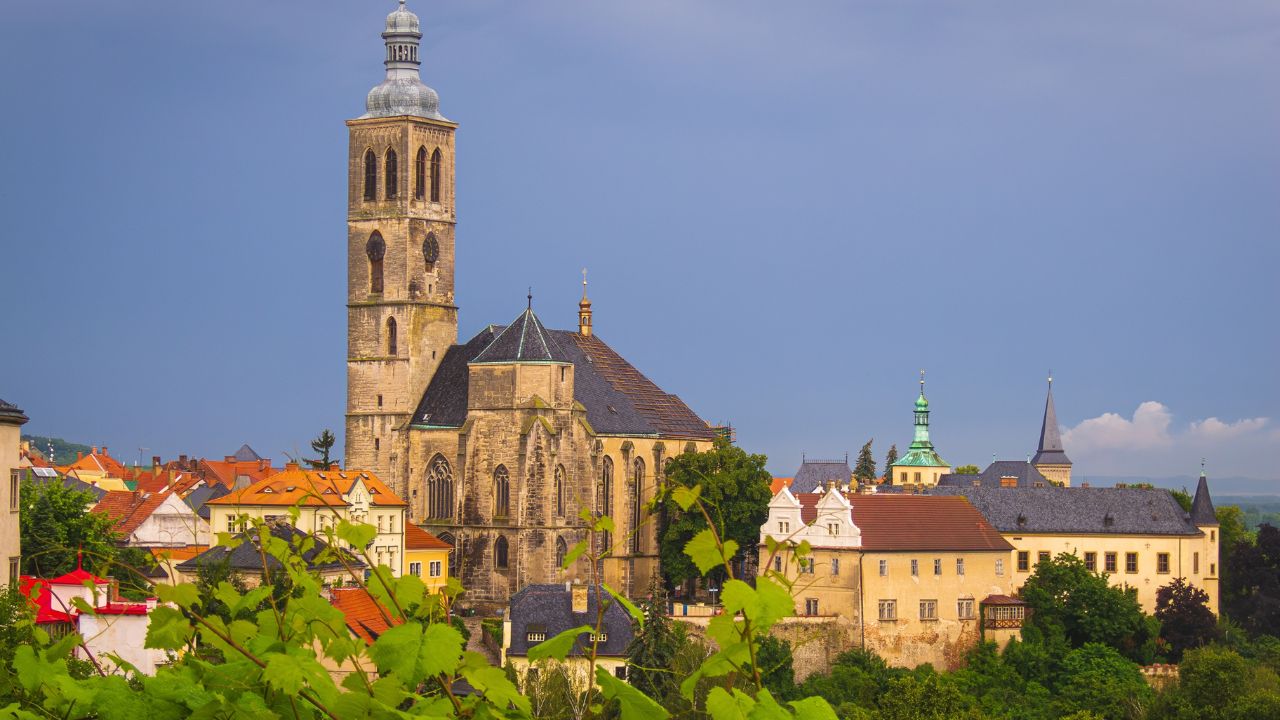
Silver built this place, and the wealth shows in stone. The World Heritage listing covers the historic center along with the Church of St. Barbara and the cathedral at Sedlec, tied to the mining boom that turned it into a royal city in the Middle Ages. It’s dramatic without being huge, so sightseeing stays easy on foot.
Walk from the center toward St. Barbara’s for big Gothic drama, then switch gears at Sedlec for a completely different atmosphere. Keep a little time in reserve, because the best moments here are often the quiet ones between monuments. A late coffee in the old town is a perfect landing after a history-heavy day.
3. Telč
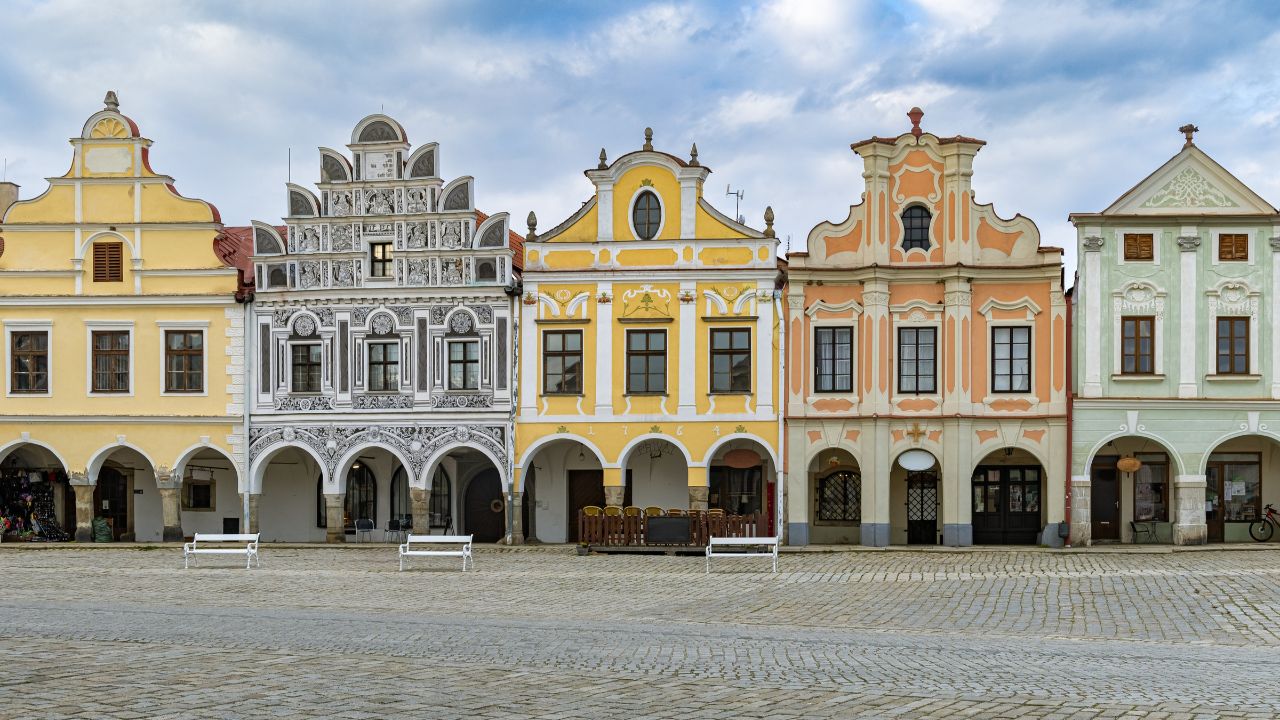
A triangular main square lined with Renaissance and Baroque burgher houses makes Telč feel almost unreal. UNESCO even calls out the continuous arcades and the variety of facade decoration, which reads like a live architecture textbook. Add a fountain and a plague column in the center, and the whole scene looks composed.
Arrive in the late afternoon when the light warms the pastel fronts, then do one slow circuit under the arches. From there, choose one interior stop, either a church or the chateau, and let the rest be strolling. Night is quiet here, which suits travelers who want a soft reset rather than a packed schedule.
4. Litomyšl
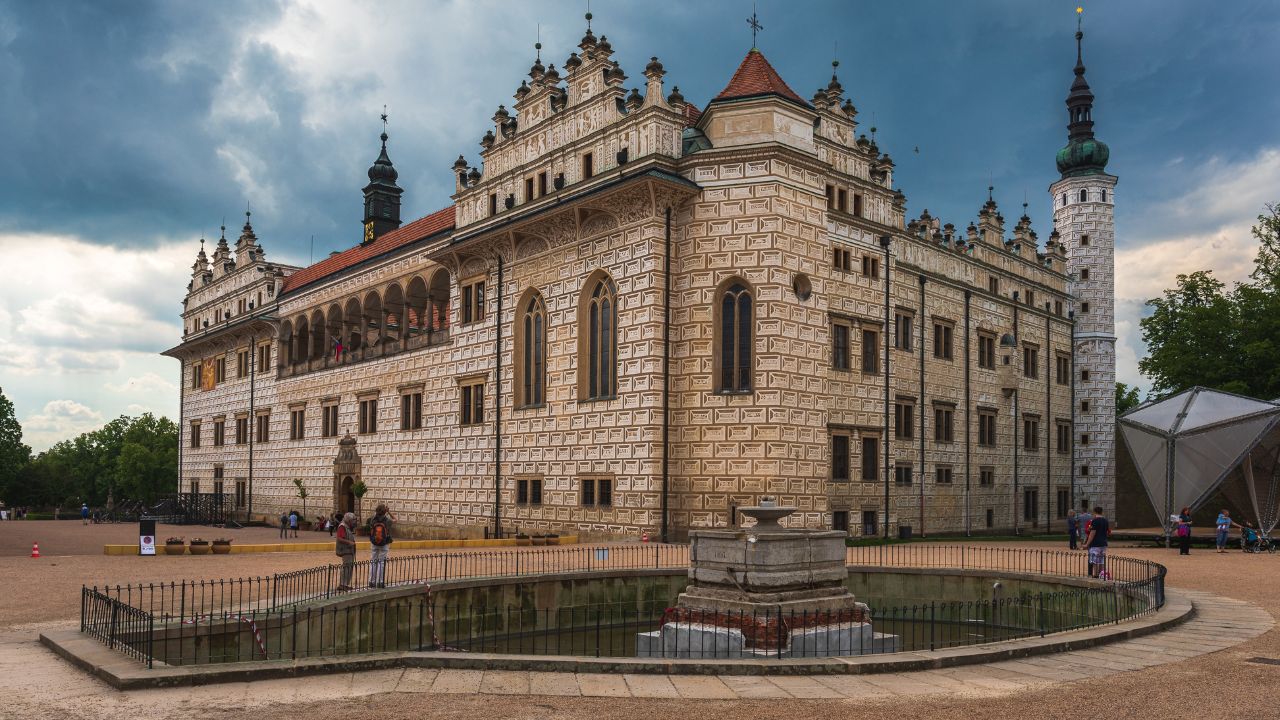
This is a Renaissance showpiece anchored by a chateau that sits on the World Heritage List. UNESCO highlights it as an arcaded country residence type that originated in Italy and evolved into a distinctive Czech form. The town’s size keeps it friendly, while the main landmark feels grand.
Plan for a guided visit at the chateau, then wander the nearby streets without a route, because the center rewards curiosity. If you’re traveling in summer, the place pairs well with open-air evenings and long dinners. For colder months, the architecture still shines, and museums make an easy warm-up break.
5. Mikulov
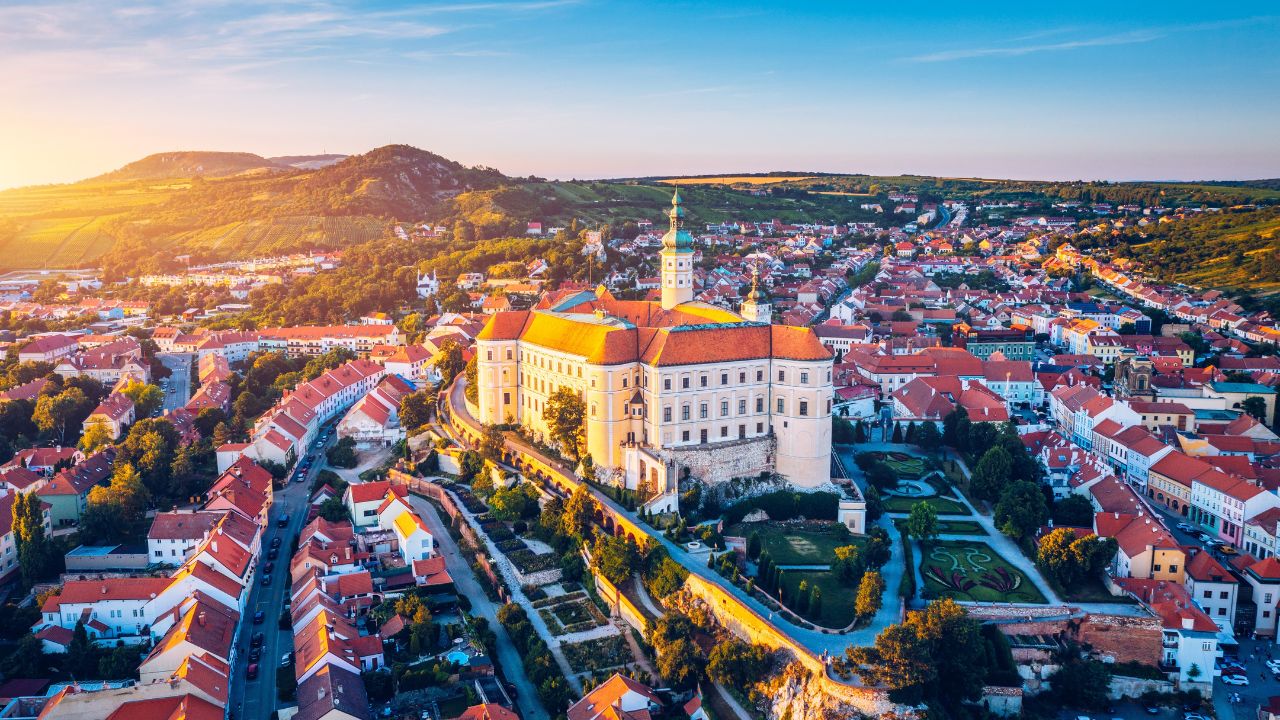
Vineyards climb the hills around Mikulov, giving it a hillside amphitheater look that feels instantly romantic. CzechTourism describes the town as spread across the last hills of the Pálava Mountains, with wine culture woven into streets and chateau life. The chateau itself sits high on a rocky cliff and dominates the skyline.
Start with a viewpoint walk, then drop into a cellar for a tasting that fits the pace of the day. This area is at its best in early autumn when the landscape turns golden, but spring can feel just as dreamy with fewer visitors. End simply: one hearty meal, a short stroll, and sleep comes easily.
6. Olomouc
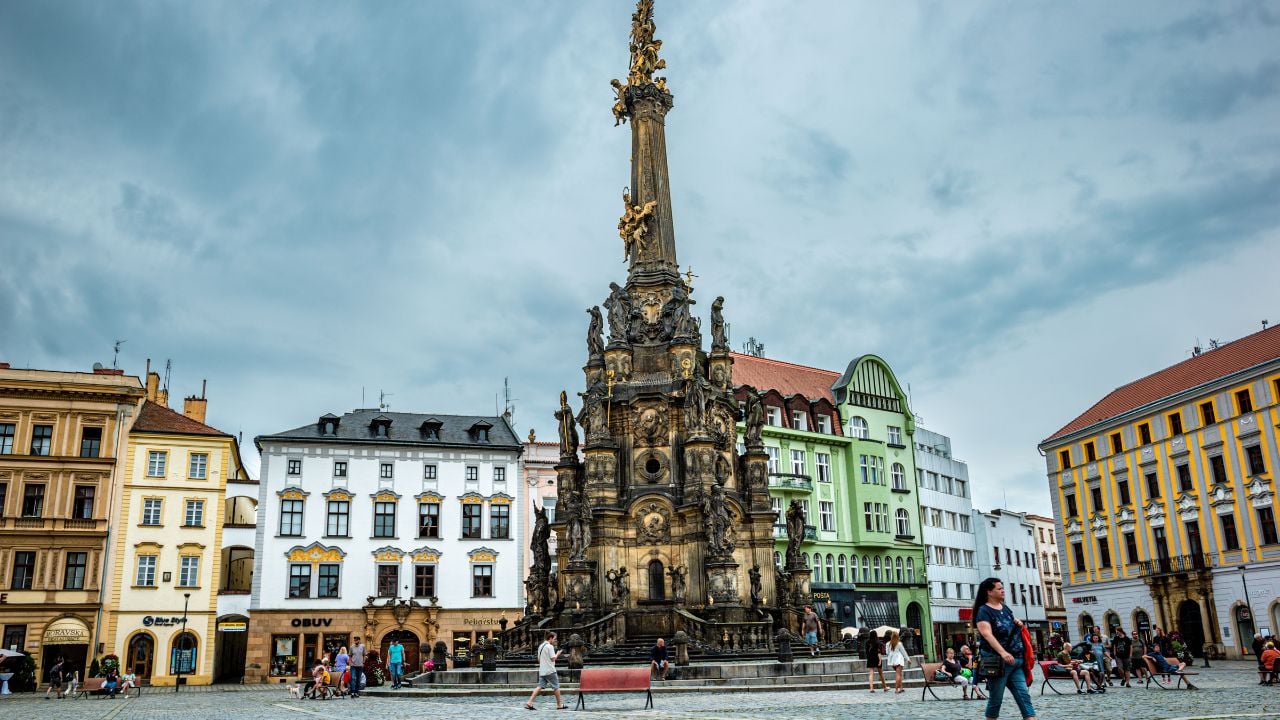
Olomouc delivers big-city beauty without the capital’s crowds, anchored by one spectacular monument. The Holy Trinity Column is a World Heritage Site, an early 18th-century memorial in regional Baroque style, rising to over 32 meters and packed with sculpture. It’s the kind of centerpiece that makes a square feel theatrical.
Make the historic core your main focus, then let cafes and side streets slow things down. The city works well as an overnight stop because evening walks feel local and relaxed. A chilly day actually suits the Baroque mood, especially when lights pick out the details on the column.
7. Kroměříž
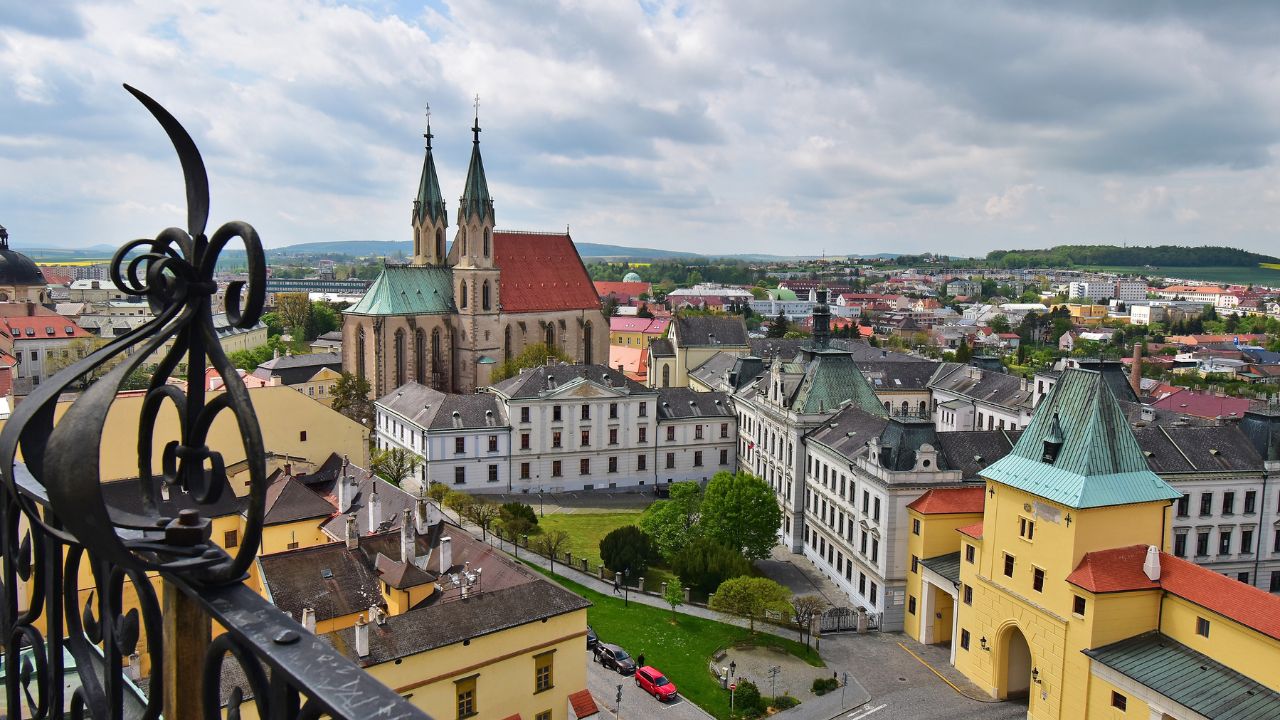
Kroměříž is about elegance: a princely residence paired with formal gardens that UNESCO calls exceptionally complete and well preserved. The World Heritage listing covers the castle and its garden ensembles, a strong example of European Baroque planning. It’s polished, serene, and strangely calming.
Go early for the gardens when paths are quiet and the geometry feels crisp. After that, head into the center for a relaxed lunch and a slow look at facades and small shops. This stop shines for travelers who want beauty without adrenaline; the whole experience is about strolling.
8. Karlovy Vary
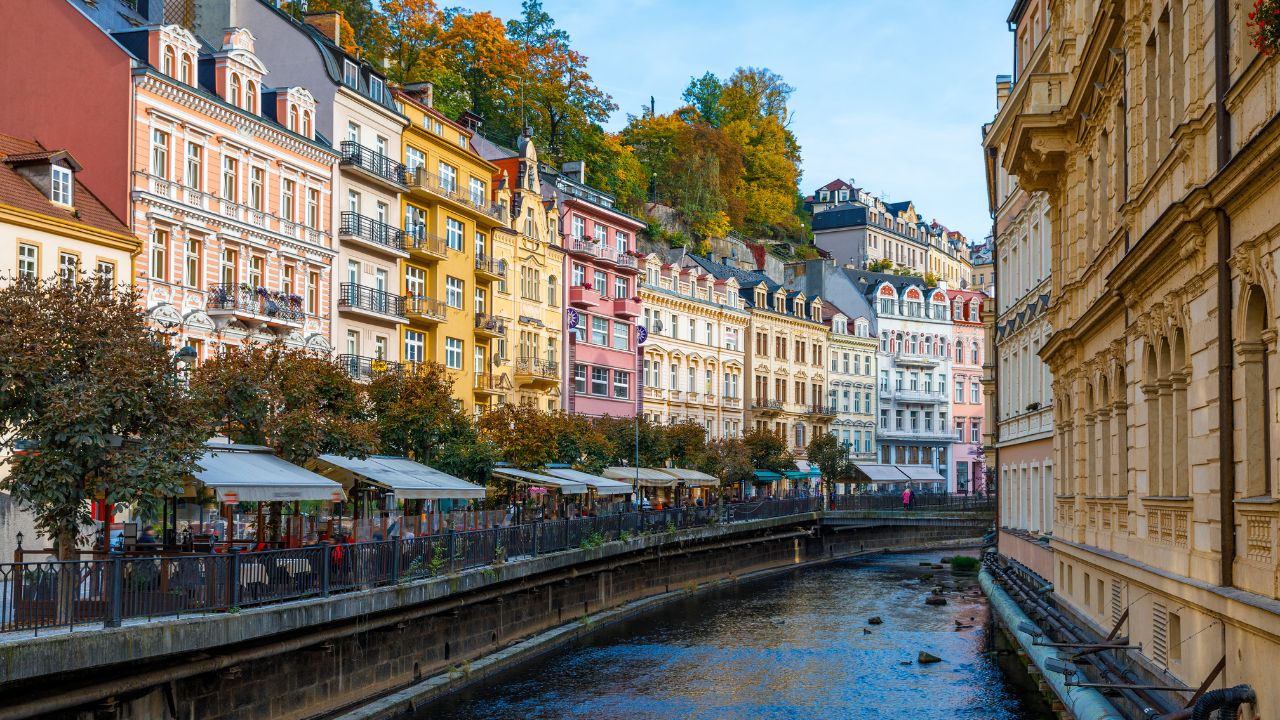
Karlovy Vary is part of the UNESCO-listed Great Spa Towns of Europe, a group that developed around mineral springs and peaked as a spa phenomenon from about 1700 to the 1930s. Colonnades, hillside hotels, and riverside walks give it a classic grand-getaway look. The setting feels old-fashioned in a satisfying way, like time decided to slow down.
Treat this as a walking city: promenade, sample the waters, then climb to viewpoints when the sky clears. Cool weather can be an advantage because the hot spring culture feels extra inviting. End the day with a long dinner and an early night; spa towns reward unhurried habits.
9. Loket
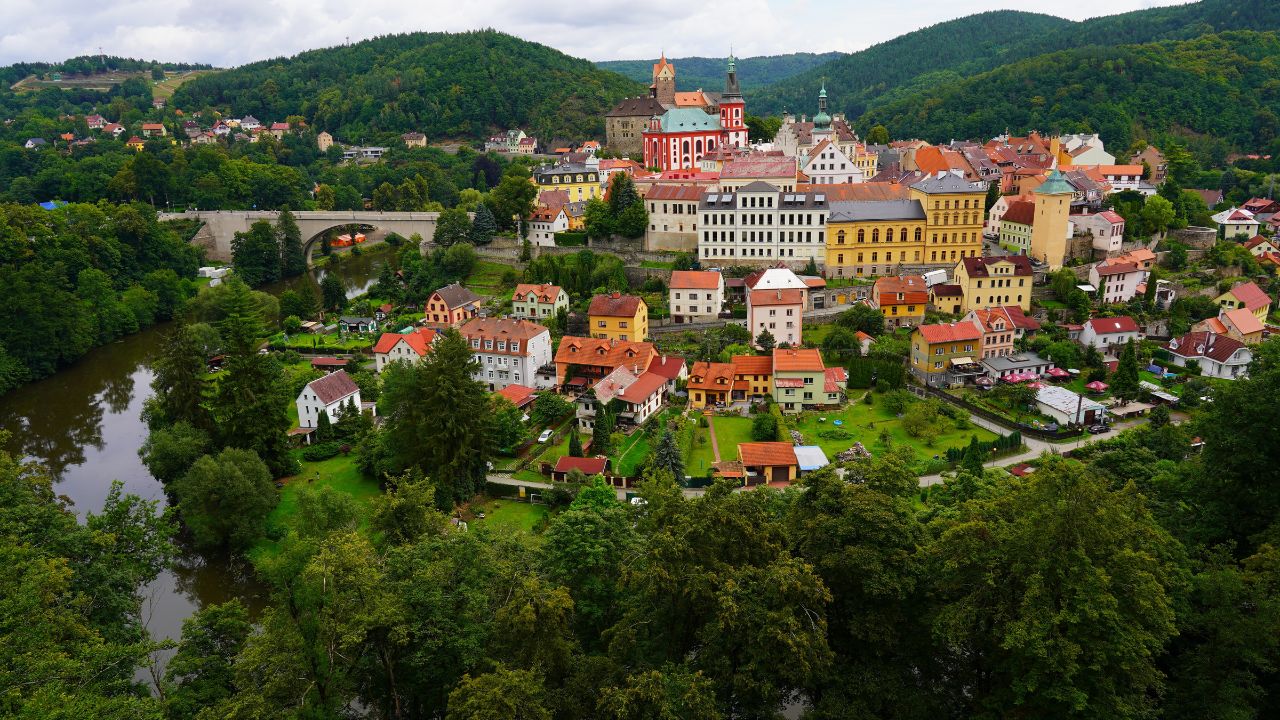
A medieval castle sits on a rocky promontory, with the Ohře River wrapping around it on three sides, which is basically nature doing defensive architecture. VisitCzechia leans into the fairytale vibe, and it’s hard to disagree once you see the bend in the river below the walls. The town center is small enough to absorb in a single, satisfying wander.
Combine the castle with a slow stroll through the square, then pause on a terrace for river views. This is an ideal add-on to a West Bohemia itinerary, especially if you’re already near Karlovy Vary. Late afternoon light is the sweet spot because the stone warms up and the river turns glossy.
10. Třeboň
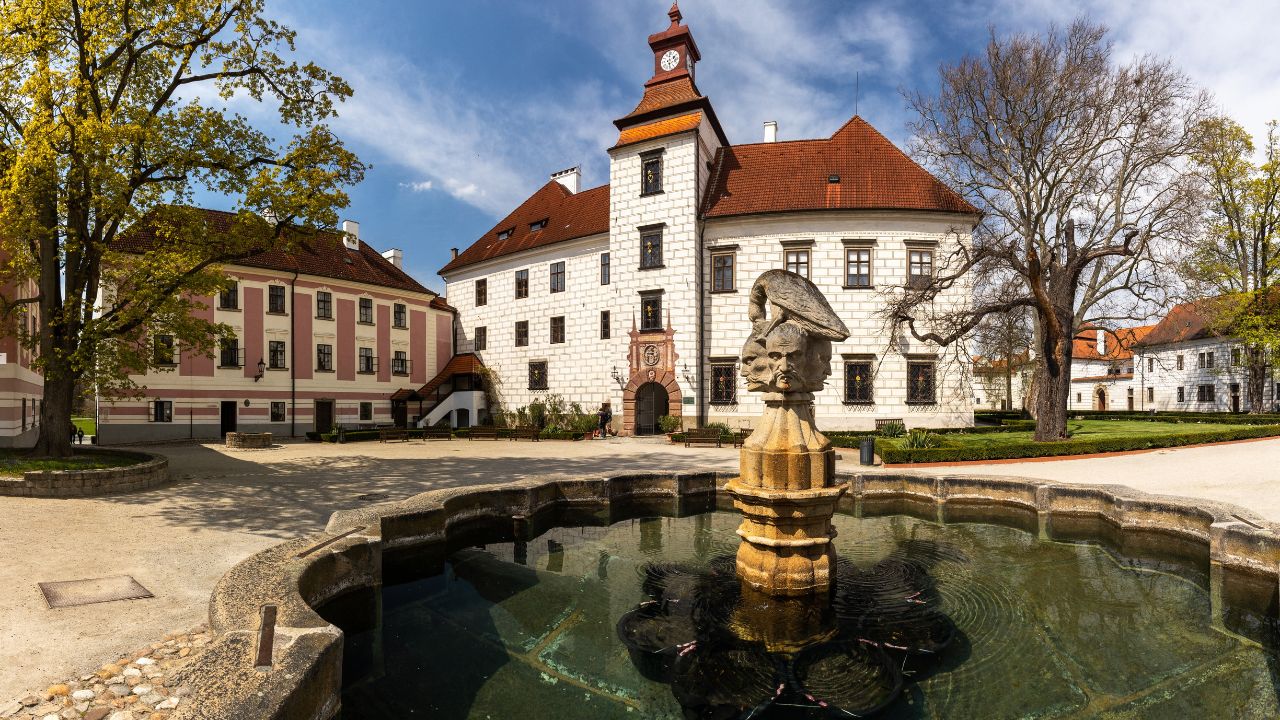
The Třeboň Basin landscape is famous for its fishpond system, shaped over centuries into a water-and-forest patchwork. UNESCO’s biosphere reserve profile notes hundreds of artificial ponds and long-standing fish-farming traditions, which helps explain the region’s distinctive look. It’s serene rather than flashy, perfect for a slower countryside chapter.
Rent a bike for a gentle loop along pond paths, then return for an easy meal built around local fish. Misty mornings can be magical here, and summer evenings stay bright long enough for unhurried rides. When rain shows up, museums and cafes in the historic center keep the day cozy.
11. Štramberk
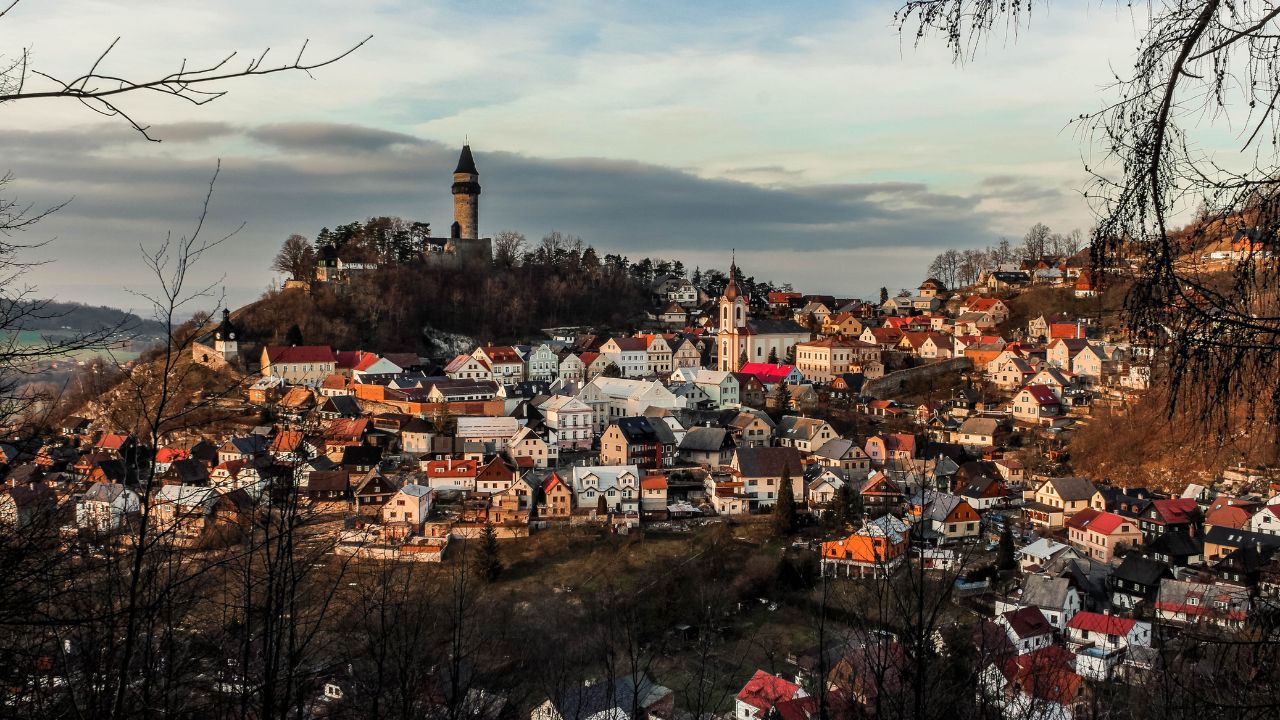
Štramberk earns the storybook label with a hillside setting and a signature tower. The Trúba tower is what remains of the castle fortifications, and local tourism sources describe it as a Gothic tower serving as an observation point with wide views. Below it, lanes and stairways twist through a compact historic core.
Climb the tower when visibility is good, then spend the rest of the time drifting through the old streets at a calm pace. This is a brilliant stop for travelers who want something charming that many itineraries skip. Pair it with one nearby region base, and the day feels full without feeling busy.