The auto industry has always been extremely cutthroat. You never truly know how the market will react to a new model until you put it on the market, and this is the kind of thing that keeps executives up at night. You can spend years and billions developing what seems to be a perfect car, only for a minor miscalculation, a bad review, or just a stroke of bad luck to kill sales and cause massive losses or, even worse, take down an entire company. It’s every automaker’s worst nightmare.
Over the years, we’ve seen cars whose designs, performance credentials, and technological advancements made them look exceedingly attractive on paper, but for different reasons, they ended up being catastrophic failures that dealt huge financial blows to their brands. Let’s explore some of them and the reasons why they failed.
Volkswagen Phaeton
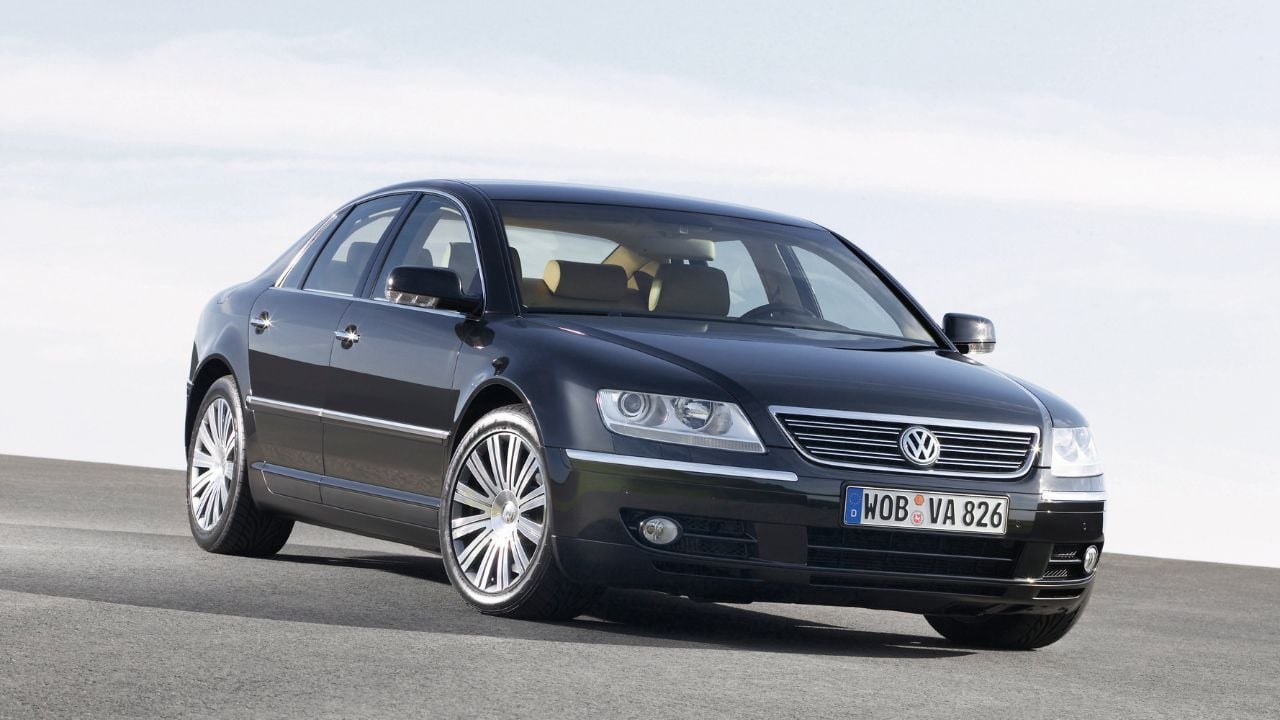
In the early 2000s, renowned Volkswagen Chairman Ferdinand Piëch hatched a plan to disrupt the full-size luxury sedan market with a new model called the Phaeton. Piëch had high standards for the Phaeton and reportedly required it to cruise all day at 186 mph (300 km/h) in 122°F heat while keeping the cabin at 72°F. It would have an optional W12 engine and a 4MOTION all-wheel-drive system, adding to its allure.
While the Phaeton was indeed an engineering marvel, well-equipped examples pushed toward $100,000, a price that not many were willing to pay for a Volkswagen. For that price, luxury sedan buyers typically preferred BMWs and Mercedes-Benzes, and after poor sales, Volkswagen ended North American sales after the 2006 model year.
DeLorean DMC-12
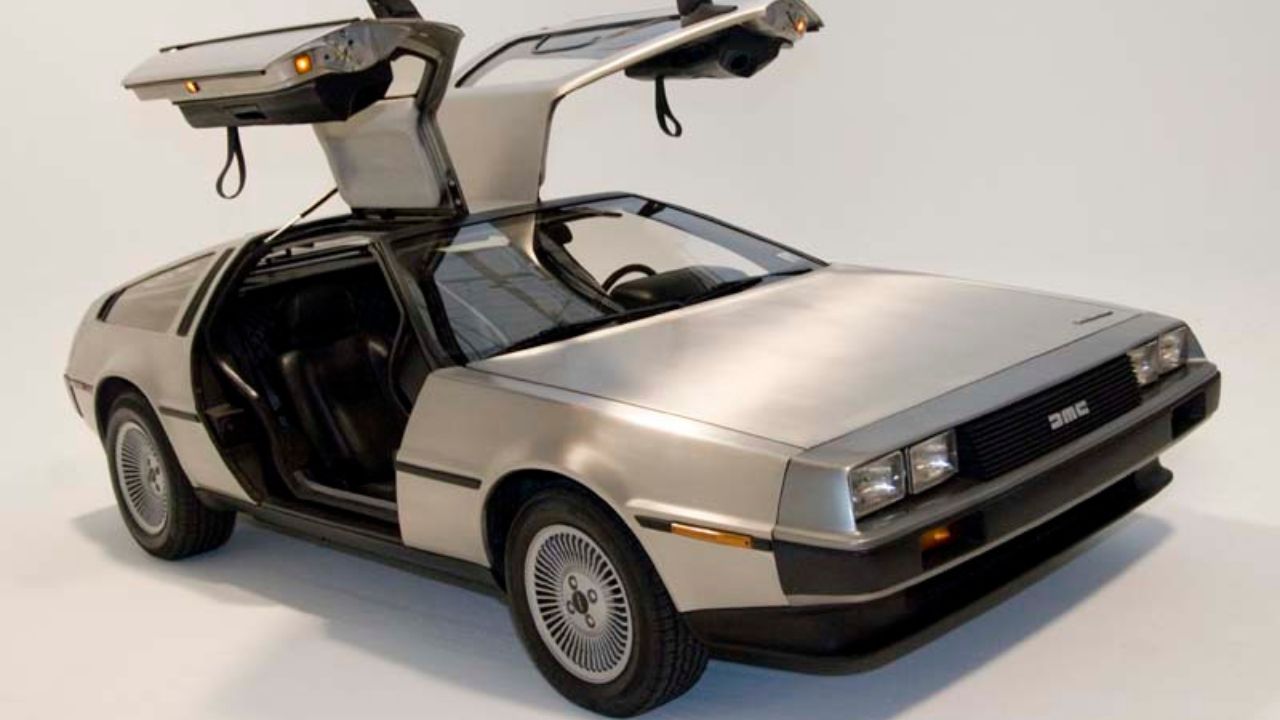
John DeLorean was heavily involved in the development of iconic Pontiac models like the GTO and Firebird, but he always had a dream to start his own company to build “ethical sports cars.” So after resigning from GM in 1973, he established the DeLorean Motor Company in 1975 and began developing its first production car – the DMC-12.
When the DMC-12 finally debuted in 1981, it left gearheads in awe. It had a futuristic wedge-shaped design penned by renowned Italian designer Giorgetto Giugiaro, complete with gullwing doors that made it look like it belonged in a sci-fi movie. The DMC-12 looked like the kind of car that could shake up the American automotive landscape, but sadly, it failed on arrival. A 130-hp PRV (Peugeot-Renault-Volvo) V6 motor was too weak for the heavy stainless steel body panels, and since it was built in a new factory in Northern Ireland, it was plagued by build quality issues. A high sticker price and DeLorean’s infamous legal issues were the final nail on the DMC-12’s coffin. However, despite its failure, the DMC-12’s futuristic design earned it an iconic role in the Back to the Future franchise.
Pontiac GTO (2004-2006)
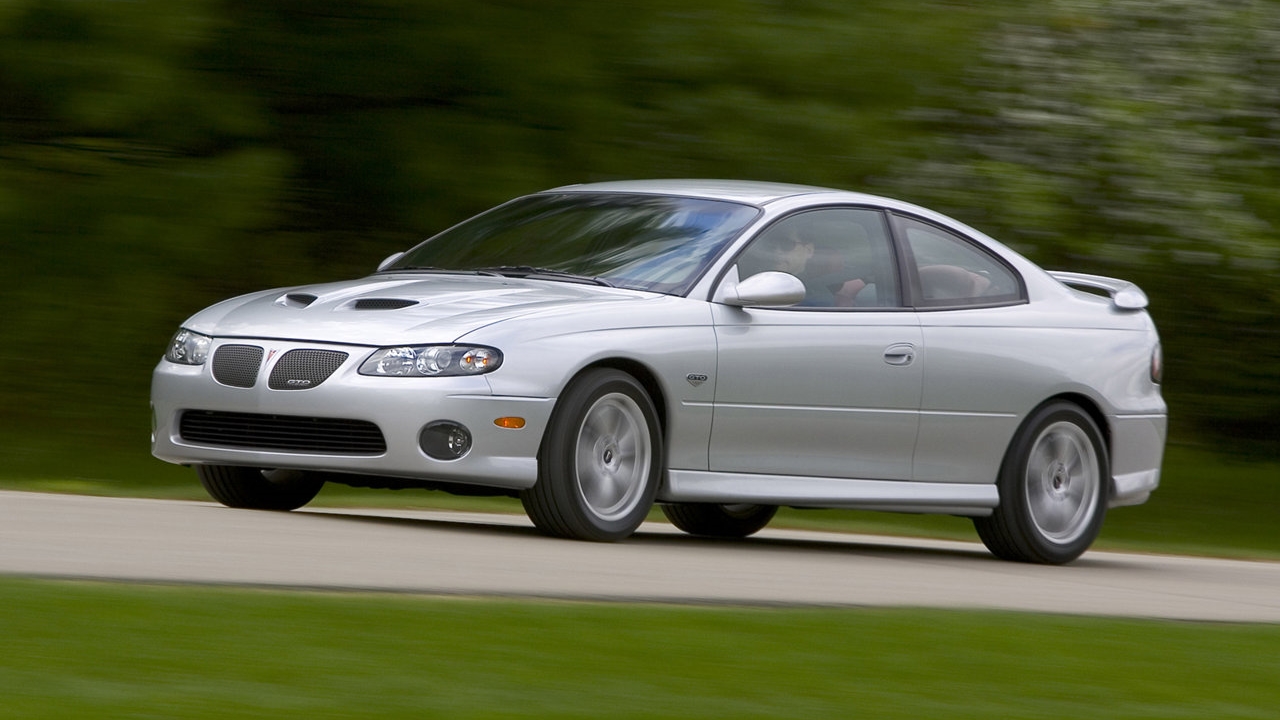
Speaking of the Pontiac GTO, the fifth-generation version was a fantastic car on paper. It was a sleek, comfortable, rear-wheel-drive coupe with Corvette-sourced V8 engines making up to 400 ponies, and it could be ordered with a six-speed manual. A purist’s dream, right?
Wrong! As great as the car was, Pontiac made a huge error naming it after the venerable GTO, and muscle car purists weren’t having it. For one, it was a rebadged Australian coupe that had none of the muscle car DNA gearheads associated with the GTO. The retro-styled 2005 Mustang also landed around the same time, making the GTO look even worse.
Bugatti EB 110
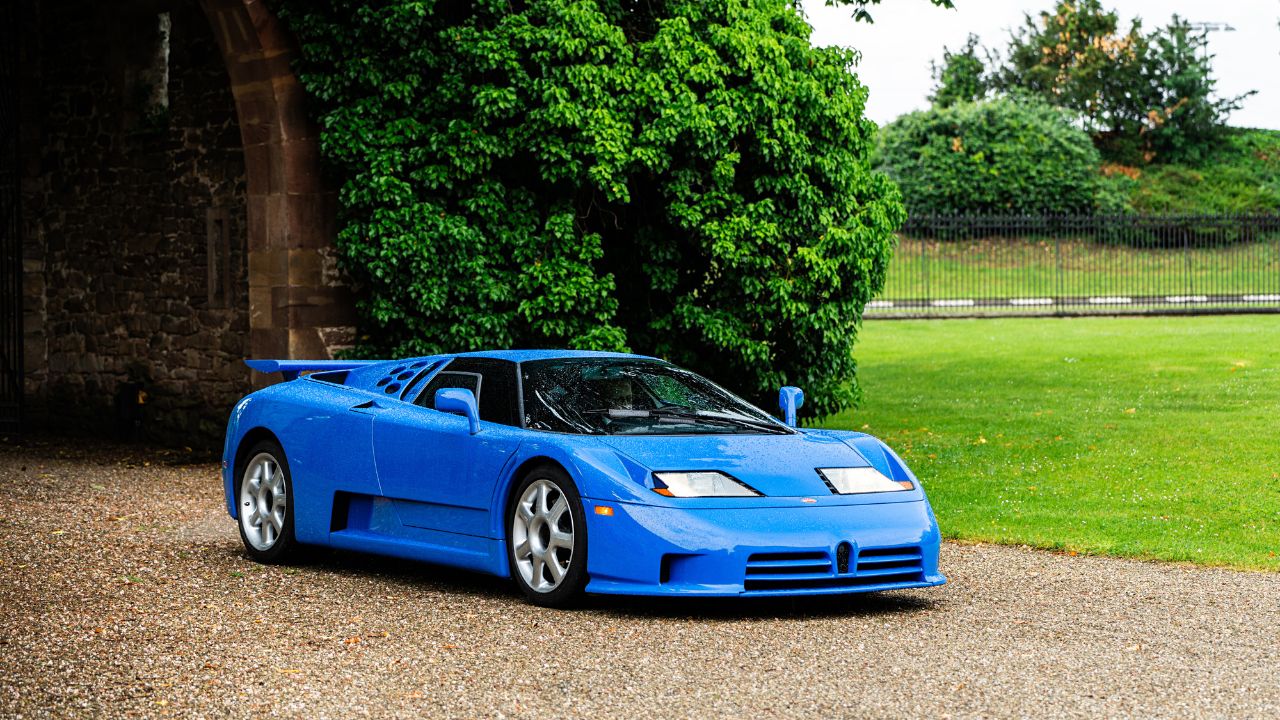
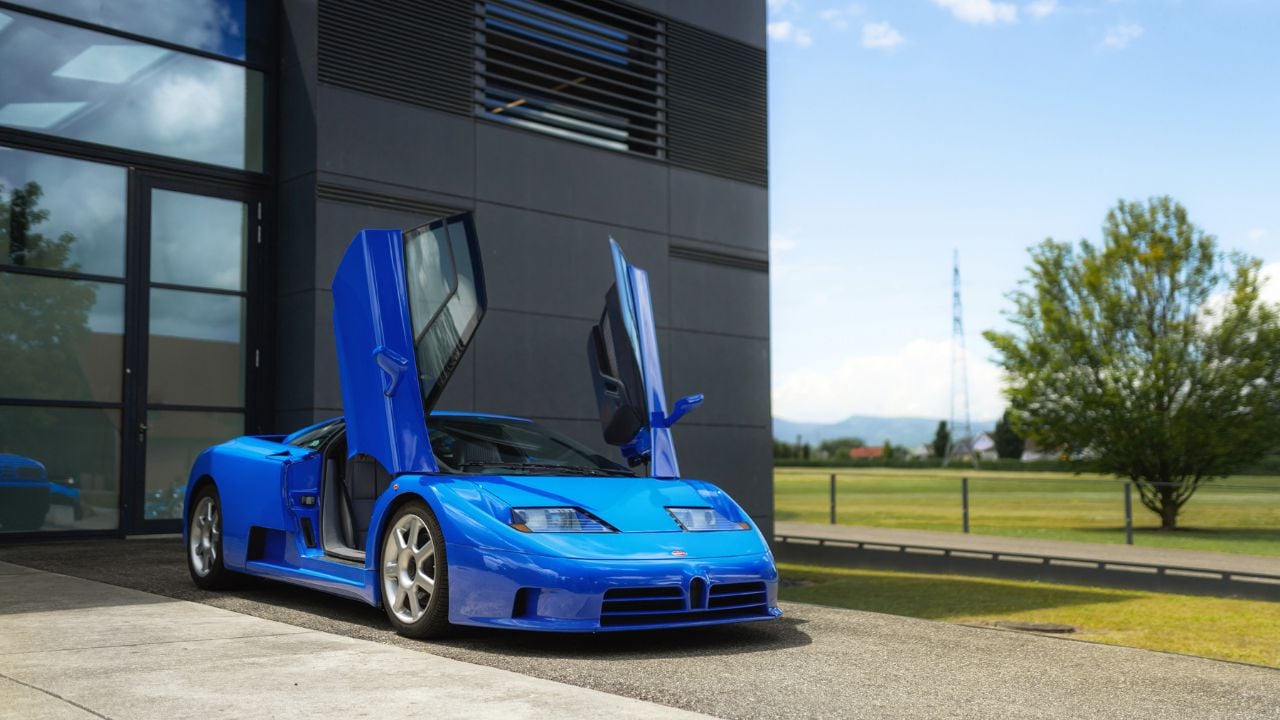
Remember when we said that one car’s failure can take down an entire company? Well, the Bugatti EB 110 is one such case. Introduced in the early ’90s during Romano Artioli’s reign, the EB 110 was a technological masterpiece with features like a quad-turbocharged V12 that helped put it in the conversation for the world’s fastest production cars of the early 1990s, active aerodynamics, and one of the earliest uses of a carbon-fiber monocoque in a production car.
Unfortunately, the EB 110 debuted just as a recession was kicking off in North America, killing its demand. Artioli also made some financial errors that drained the company’s cash reserves, further affecting the EB 110’s production efforts. The emergence of the McLaren F1 further overshadowed the EB 110. Bugatti says only 128 series produced EB110 vehicles were built, with production running until 1995.
Chevrolet SS Sedan
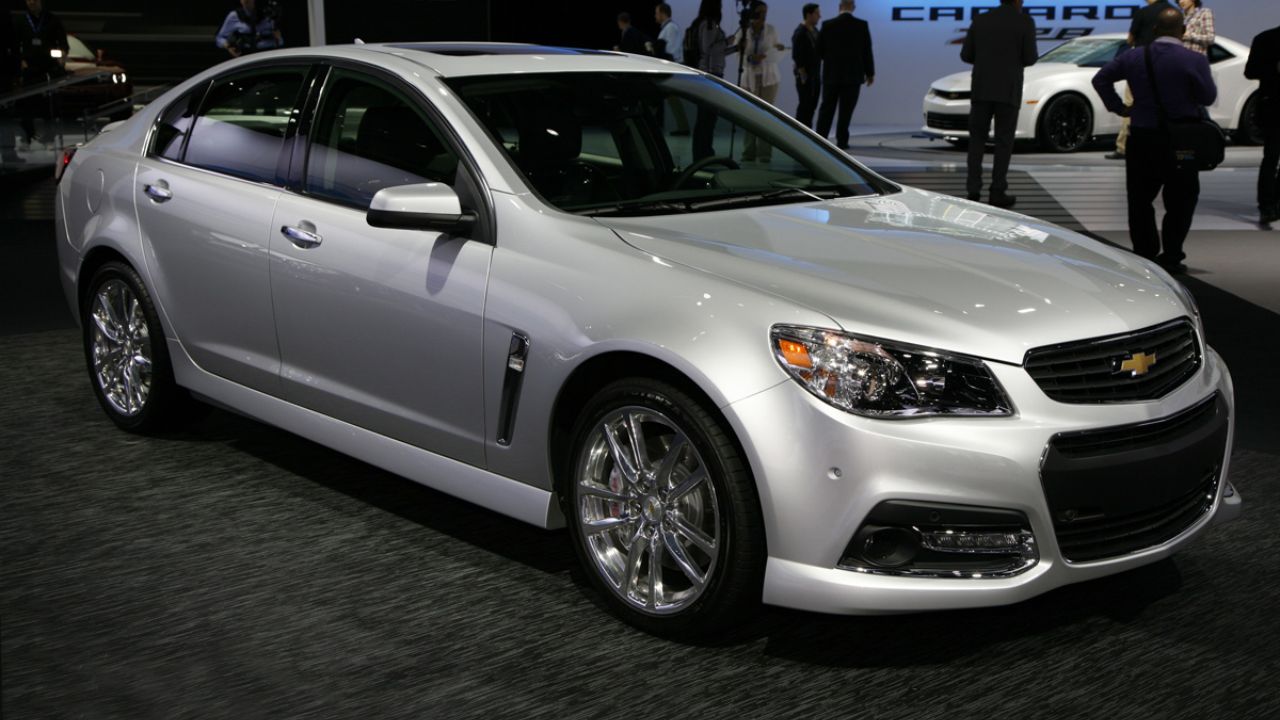
Picture this: a four-door rear-wheel-drive sleeper sedan with a 415-hp Corvette-sourced V8 engine, an available stick shift, Magnetic Ride Control suspension, and Brembo brakes. Sounds cool, right? Well, that’s the kind of package the Chevy SS sedan offered for the roughly four years it was in the American market.
Essentially a rebadged Holden Commodore (VF) that looked intentionally understated, the Chevy SS was one of the best sleeper sedans on the market, but the same sleeper aspect that earned it acclaim from gearheads was one of the reasons it failed. Poor marketing and a sticker price in the mid-$40,000s for a car that, at a glance, looked like a fairly ordinary Chevy sedan were some of the reasons the Chevy SS failed to resonate more with gearheads.
Gumpert Apollo
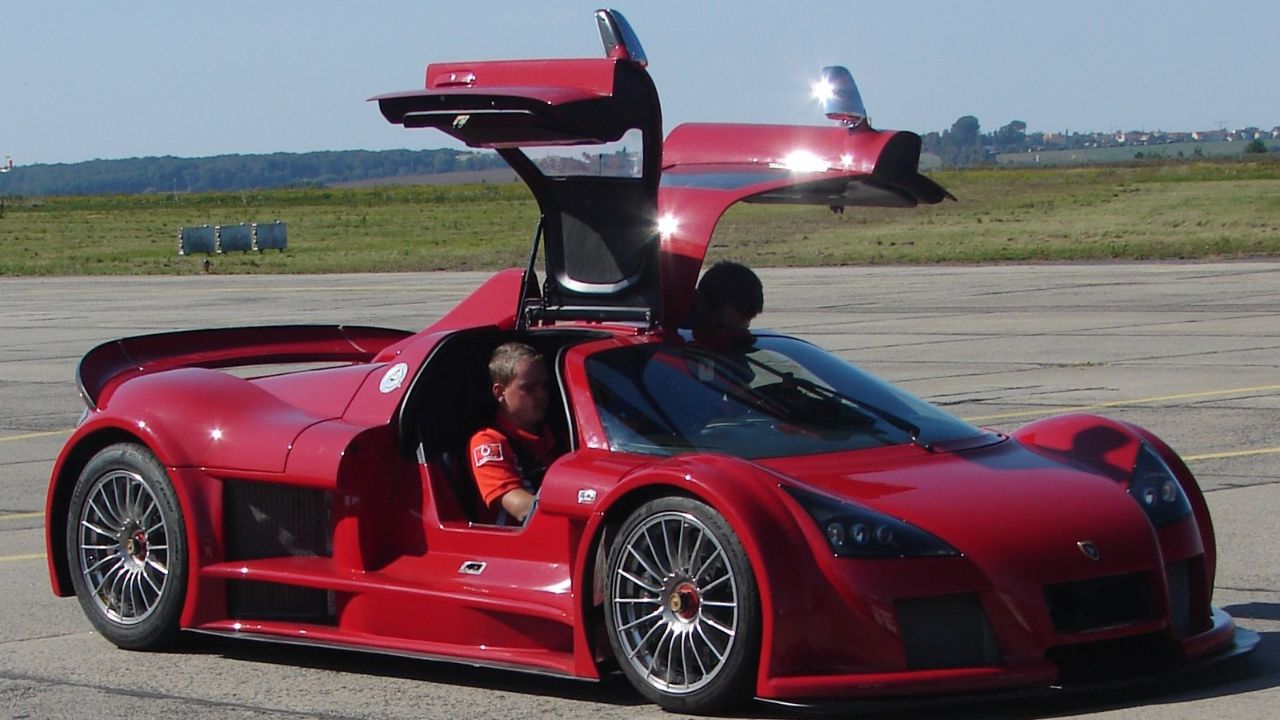
The Gumpert Apollo was an uncompromising road-legal track weapon built in the mid-2000s using Audi-sourced twin-turbo V8s. The Gumpert had a mid-mounted 4.2-liter biturbo V8 capable of producing up to 800 hp in top-spec variants, aerodynamic enhancements that provided enough downforce to theoretically drive upside down in a tunnel per Gumpert’s claims, tubular chromoly frame with fiberglass or optional carbon fiber panels, and a sequential gearbox. This recipe allowed the Gumpert to prove its mettle at the Nürburgring with a widely reported lap time of 7:11.57.
While the Gumpert was a road and track monster, it was widely criticized for its ugly, polarizing design. The 2008-2009 financial crisis coupled with its failure to break into the Chinese market further hurt sales, and in the end the company never came close to its ambitious production target.
Cadillac XLR
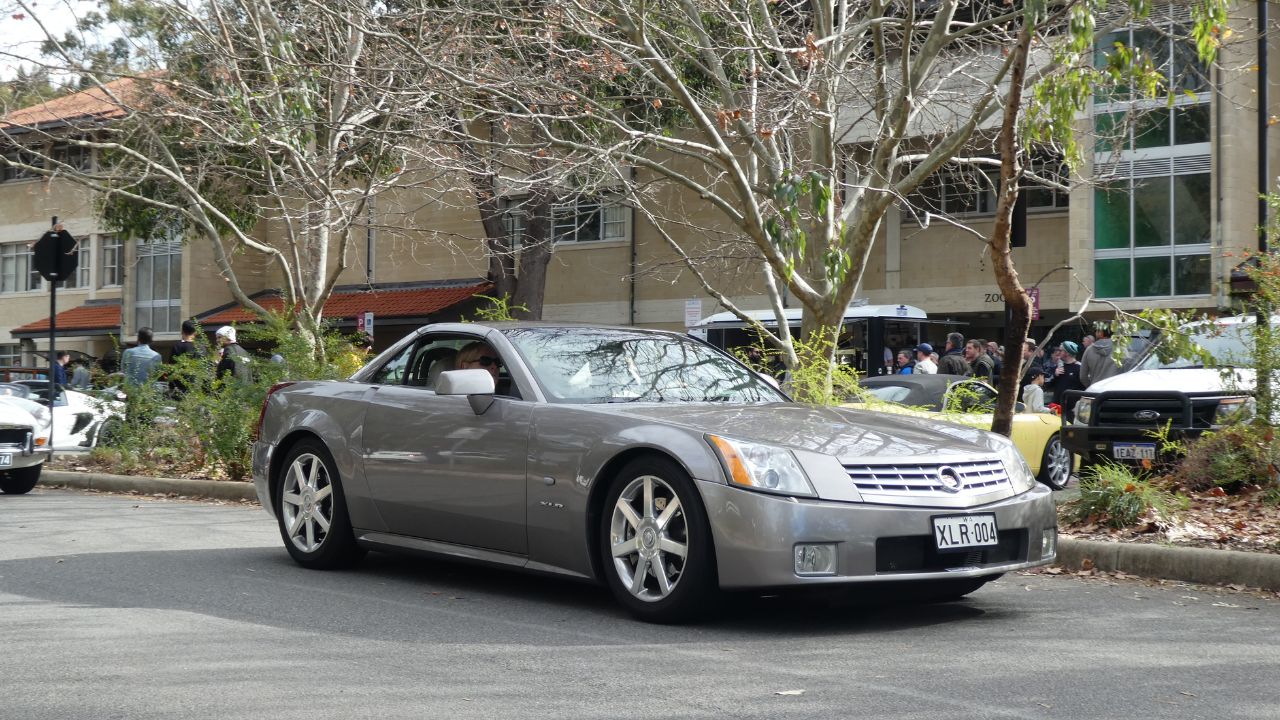
Take the successful GM Y-platform architecture that underpinned the Corvette, give it the new Art and Science design language, give it the Cadillac treatment in the cabin, and create the ultimate American luxury roadster that will outclass the Mercedes-Benz SL-Class. That’s how easy it sounded to the Cadillac top brass when they were cooking up the XLR, but things didn’t quite work out as they had hoped.
While the XLR nailed the styling and upscale interior, and featured a high-tech retractable hardtop and Magnetic Ride Control, Cadillac made a costly mistake in the engine department. The standard XLR used the 4.6L Northstar V8 rather than an LS-series engine, while the XLR-V used a supercharged 4.4L Northstar V8. Fine on paper, but it didn’t deliver Corvette-style performance and the Northstar’s reputation worried some buyers. On top of that, it cost a lot more than the Corvette, and there were far more established European options in its price range. Simply put, gearheads were unwilling to pay more for a heavier, slower, “dressed up” Corvette.
Lexus LFA
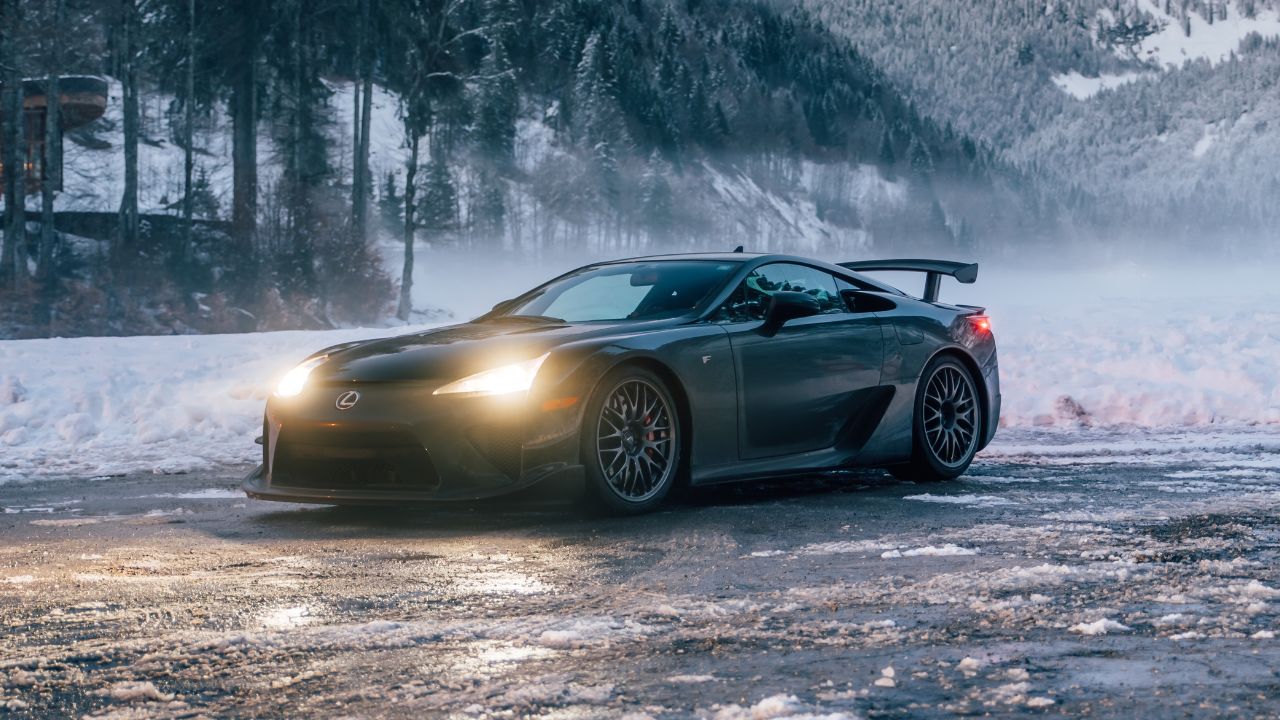
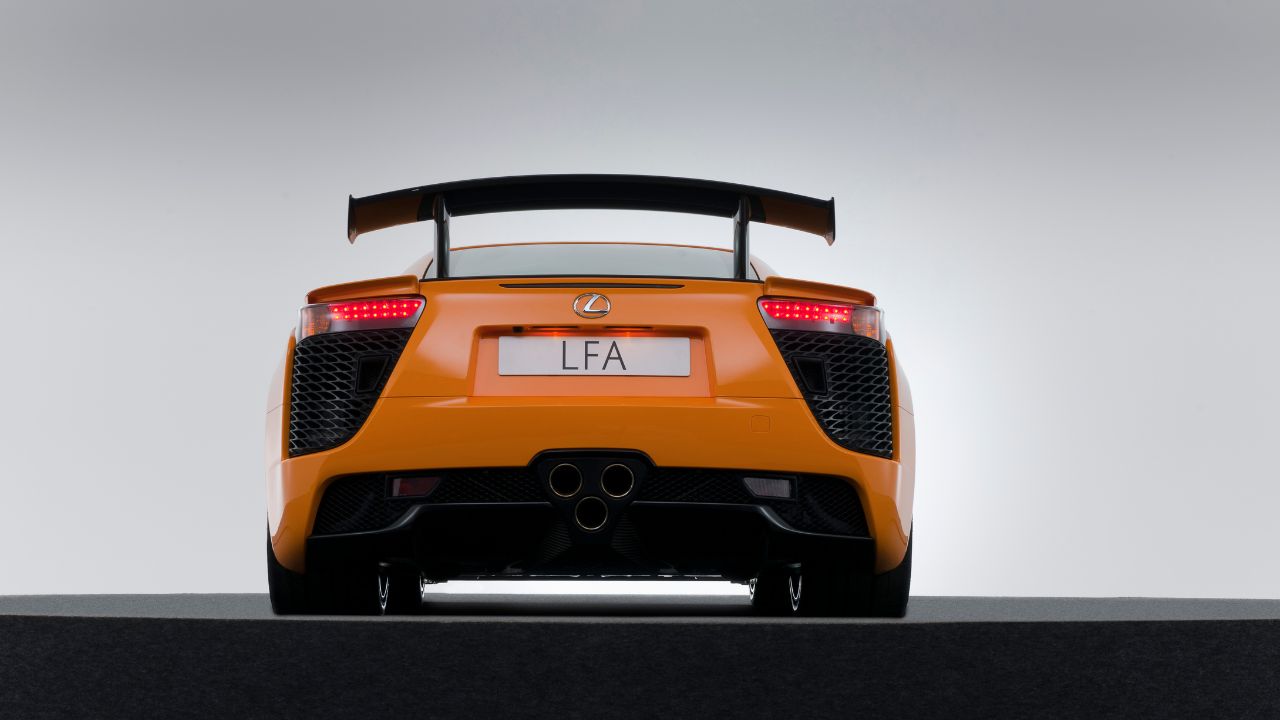
Saying the word “failure” in the same sentence with the Lexus LFA will certainly earn you a few dirty looks, as it’s considered to be one of the greatest Japanese cars ever built, and rightfully so. Its unique design, powerful V10 engine that could rev to a grin-worthy 9,000 rpm, and its sonorous F1-inspired soundtrack make the LFA a highly sought after collectible, which is why it’s hard to believe that it didn’t hit the ground running. Although Lexus built 500 units (2010–2012), some cars reportedly remained unsold for years afterward.
The LFA’s main reason for flopping was its $375,000 price tag. While it was worth every penny, the fact that it wore a Lexus badge meant that it lacked the exotic pedigree that its target market typically got from brands like Ferrari and Lamborghini. A slow development process also hurt sales, and by the time it hit the market, buyers had already moved on.
Vector W8
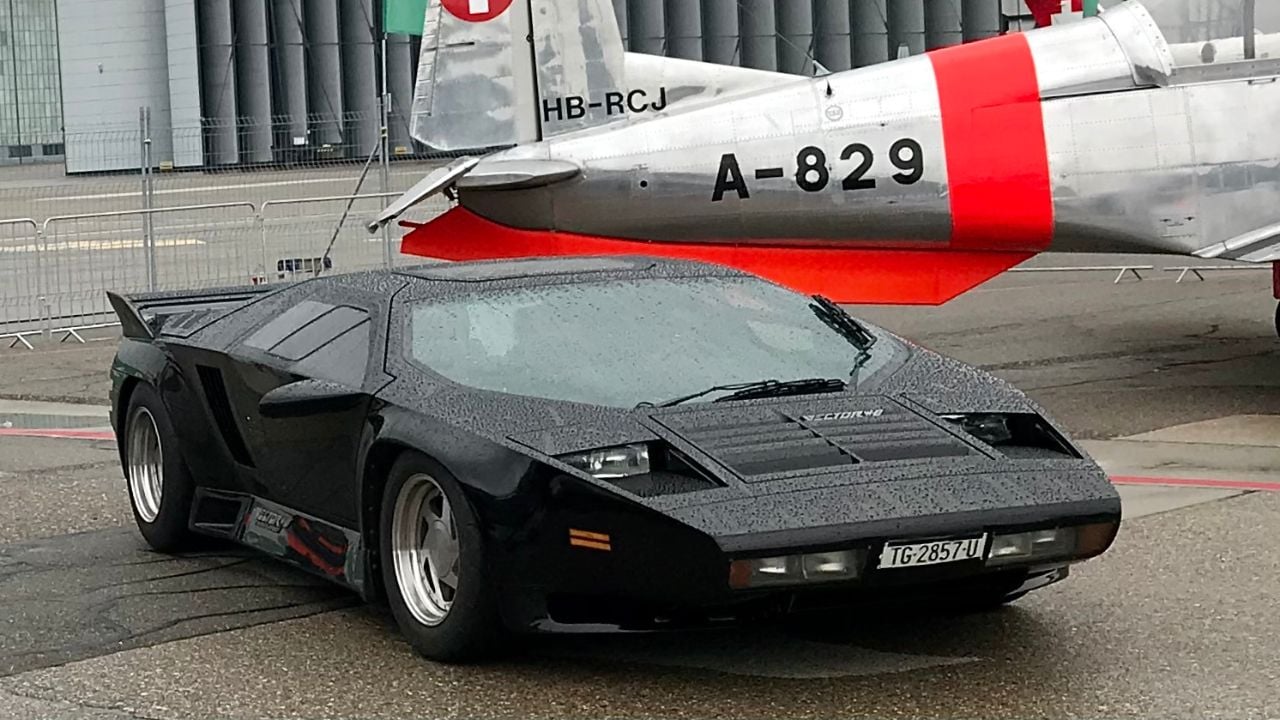
In 1978, American automotive engineer and entrepreneur Gerald “Jerry” Wiegert founded Vector Aeromotive with the primary goal of building supercars that could rival the Ferraris and Lamborghinis of the world, and its first production car, the W8, almost succeeded.
The W8 nailed the exotic look with its wedge-shaped design and scissor doors, but even more impressive was its aerospace-inspired lightweight construction, featuring a carbon fiber and kevlar body bonded to an aluminum monocoque chassis. On top of that, its 6.0-liter twin-turbo V8 generated enough power (625 hp) to propel it to a claimed top speed of 218 mph, beating icons like the Ferrari F40 on paper.
Unfortunately, the W8 had a huge publicity disaster when famous tennis star Andre Agassi drove his pre-production W8 against Vector’s advice, and when the exhaust ran too hot and melted the carpeting, the high-profile refund that ensued tainted the W8’s image. Three W8s provided for a Car and Driver review reportedly broke down in different ways, leading to more bad press. Production totaled about 22 units before a hostile takeover scrapped the W8 project.
Second-Generation Acura NSX
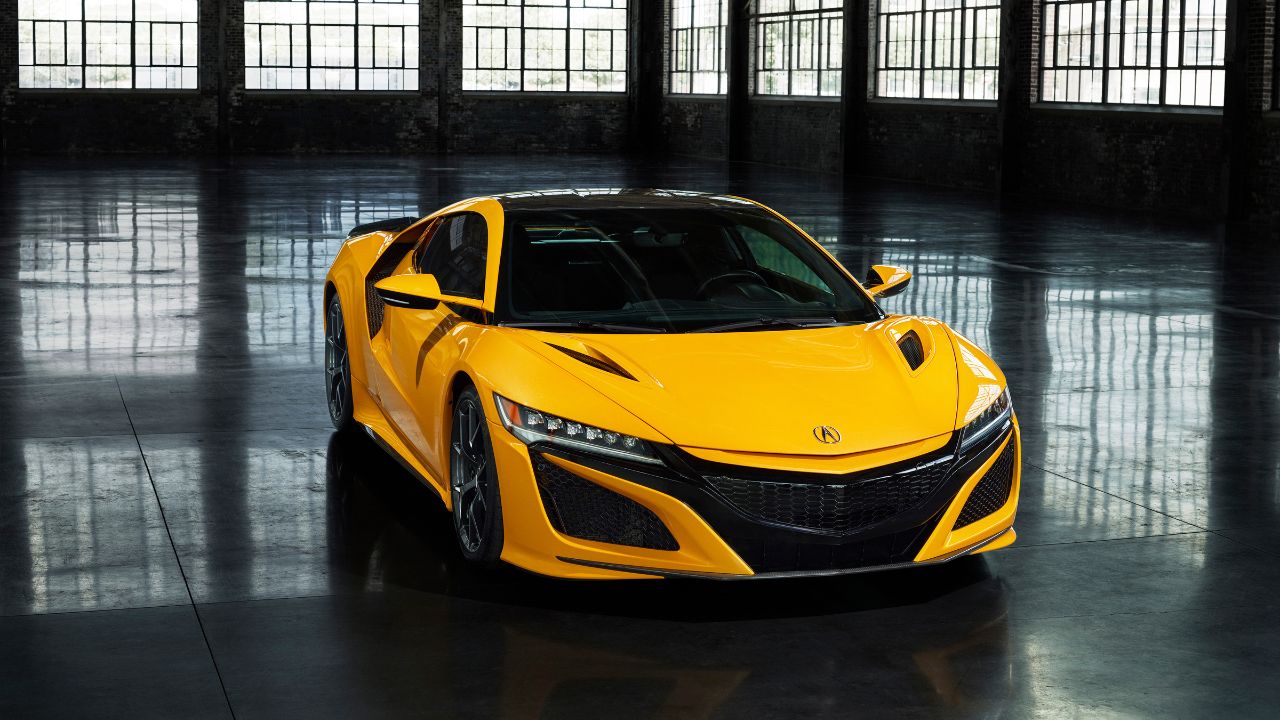
Ever since Honda turned the supercar world upside-down with the original NSX in the ’90s, gearheads spent decades begging Honda to create a worthy successor. Unfortunately, the second-generation NSX failed to meet those expectations despite being a technological marvel.
The second-generation NSX had a bespoke 3.5-liter twin-turbo V6 cranking out 573 hp, a complicated three-motor hybrid AWD system that allowed for incredible torque vectoring and handling, and a nine-speed dual-clutch transmission.
Unfortunately, the second-generation NSX went against the original’s lightweight, analog, and driver-focused nature, angering purists. Its six figure price tag also didn’t sit right with the target market, and Acura says total U.S. sales were 1,814, with more than 2,800 global sales over the model’s run.
Greatness Doesn’t Always Equal Success
These cars are a stark reminder of the harsh realities of the auto industry, where greatness on paper doesn’t always translate to showroom success. Some were targeted at the wrong audience, others were kneecapped by top-level missteps, bad timing, quality issues, or external conditions that were out of the manufacturer’s control, while a few were simply ahead of their time.
However, some haven’t allowed the ‘flop’ label to dim their shine. Several of these machines eventually earned cult status among gearheads, and deservedly so, proving that long-term legacy can be secured even without short-term sales success.