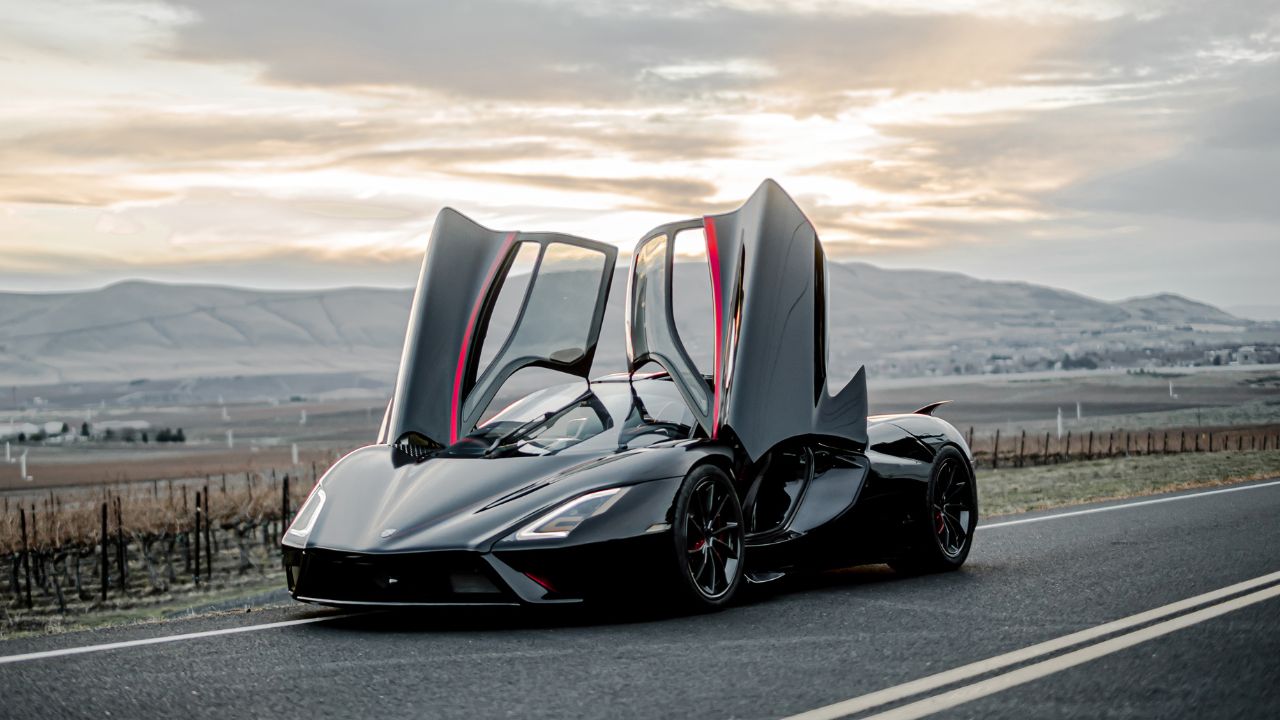
The American auto industry has often been perceived as inferior when compared to European cars, especially when it comes to sports cars and other types of performance cars. This perception mostly stems from a divergence in engineering philosophies, where European performance cars prioritize precision, agility, and technological sophistication, while American manufacturers favor raw power and straight-line speed.
However, Americans have a long history of building “European-killers” designed to humiliate the world’s most prestigious brands on their own turf. From iconic race cars that dominated at the 24 Hours of Le Mans to electric cars that accelerate to 60 mph in the blink of an eye, we’ve assembled a list of 10 American cars that went toe-to-toe with the Europeans and came out on top.
Ford GT40
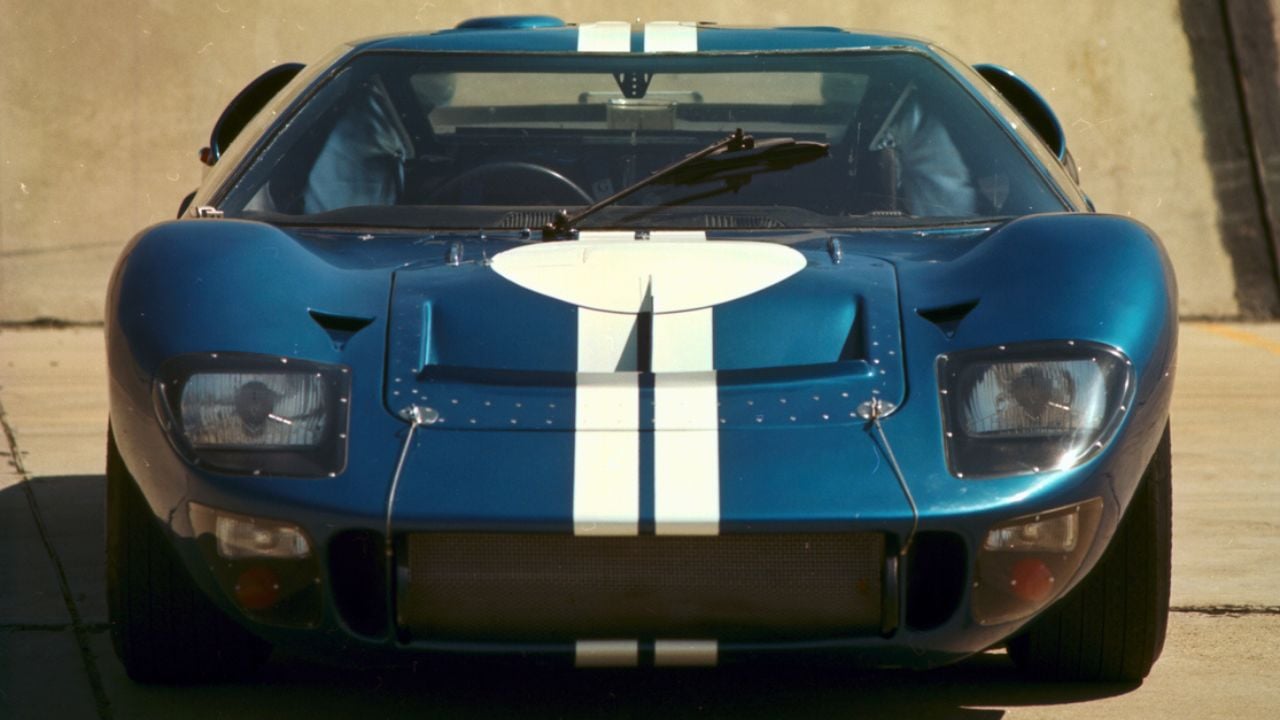
It’s only right that we kick off this list with the most famous and iconic case of an American car absolutely owning the Europeans—the Ford GT40. The GT40’s story started in the early ’60s, when Enzo Ferrari reportedly backed out of a takeover deal by Ford in the final stages. This move left Henry Ford II angry and hungry for revenge, and he instructed his engineers to develop a race car that could win at the 24 Hours of Le Mans, hitting Ferrari where it hurt most.
Equipped in 1966 with a NASCAR-proven 427 cubic inch “side oiler” V8 and run by Shelby American, the GT40 program crushed Ferrari at the 1966 24 Hours of Le Mans with a 1-2-3 finish. Ford then won again in 1967 with the Mk IV and again in 1968 and 1969 with Mk I cars running a smaller 4.9-liter V8, cementing the GT40 legacy as one of the greatest Le Mans programs of all time
Corvette C8 Z06
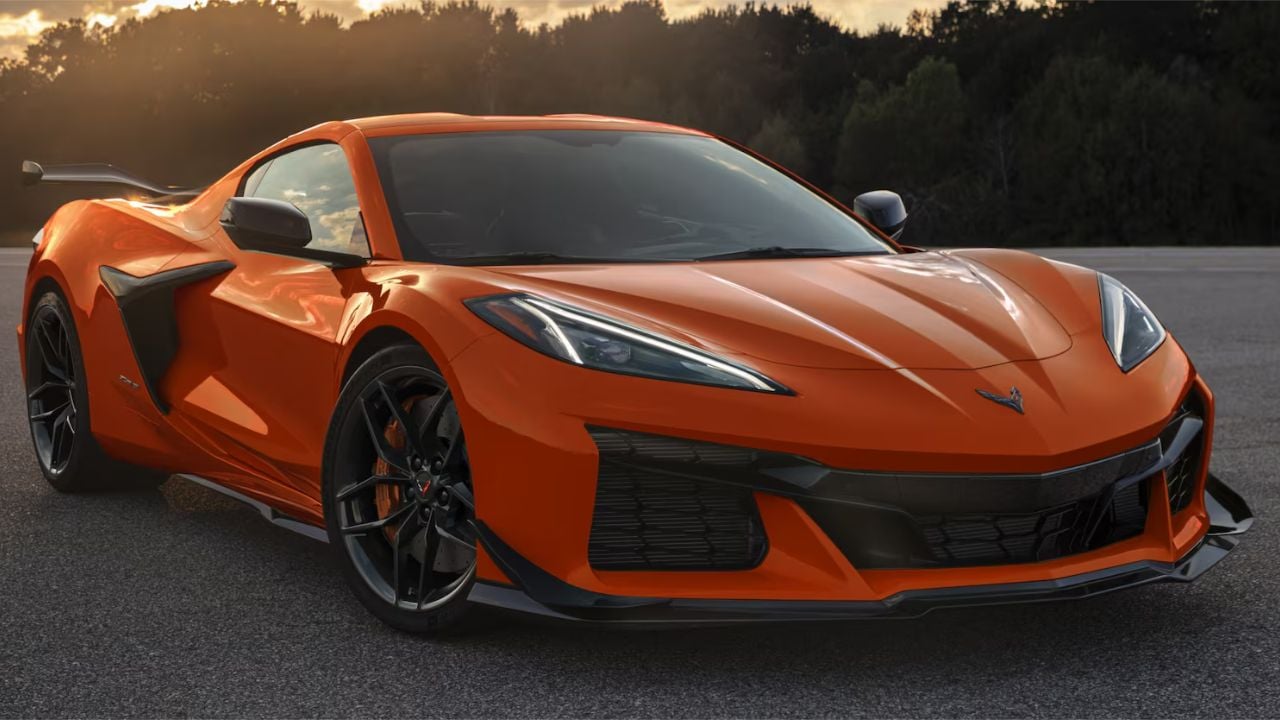
Ever since its introduction over seven decades ago, the Chevy Corvette has always been about offering European-rivaling looks and performance at a fraction of the price. The latest and greatest Corvette generation arguably does it the best, as it’s the first one that adopts the same mid-engined layout favored by exotic sports cars and supercars.
The C8 Corvette has spawned several trims and versions that all qualify for this list, but we’ve gone with the Z06, as it’s truly special. The Z06 is powered by a hand-built 5.5-liter V8 with an exotic flat-plane crankshaft design, which not only makes it the most powerful naturally aspirated production V8 car ever with an output of 670 hp at a stratospheric 8,400 RPM, but it also produces a sonorous exhaust note that could easily be mistaken for a Ferrari. All that can be had for around $120,000, which is marginal compared to its closest European rivals in performance.
GMC Syclone
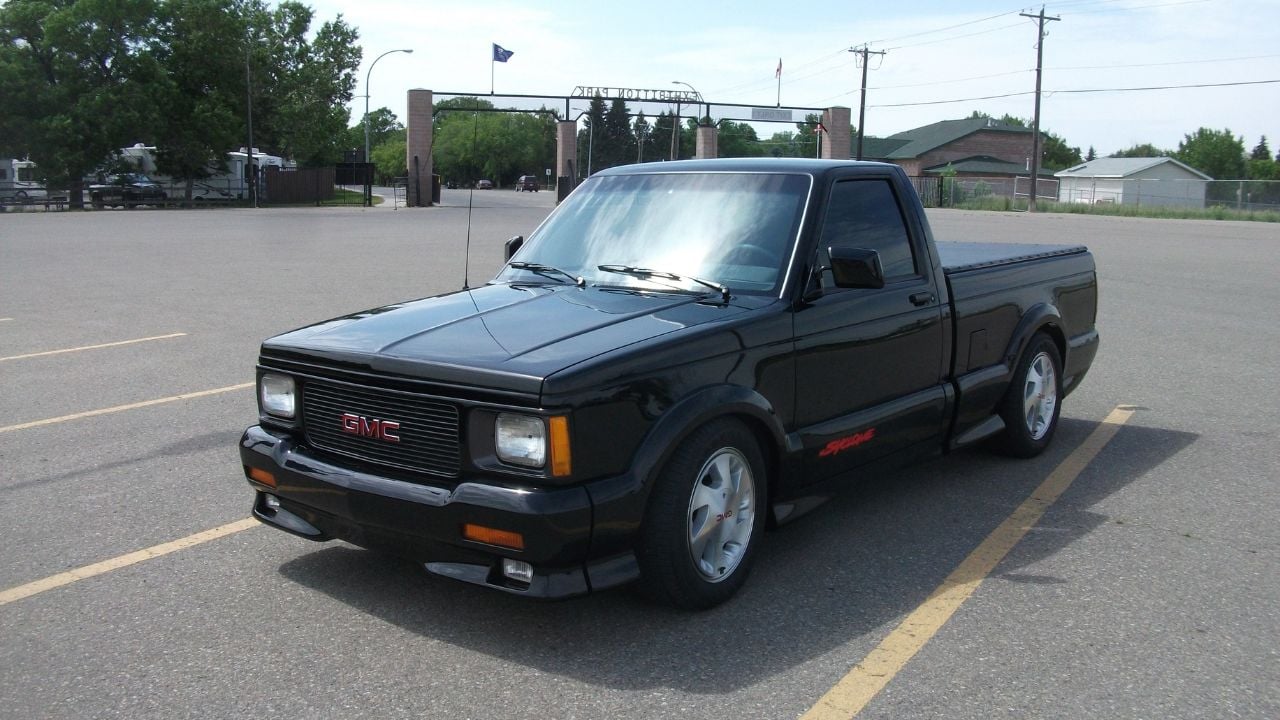
In the early ’90s, the concept of “performance pickup trucks” wasn’t as widespread as it is today. That changed when GMC built a special version of the Sonoma called the Syclone and turned the industry on its head.
Equipped with a turbocharged 4.3-liter V6 sending 280 hp and 350 lb-ft to all wheels via a sophisticated AWD system, the Syclone had the hardware needed to famously beat the Ferrari 348ts in a Car and Driver 0-60 mph and standing quarter-mile runs. Several decades later, performance pickup trucks like the Ram TRX and Ford F-150 Raptor R are preserving the Syclone’s legacy.
SSC Ultimate Aero TT
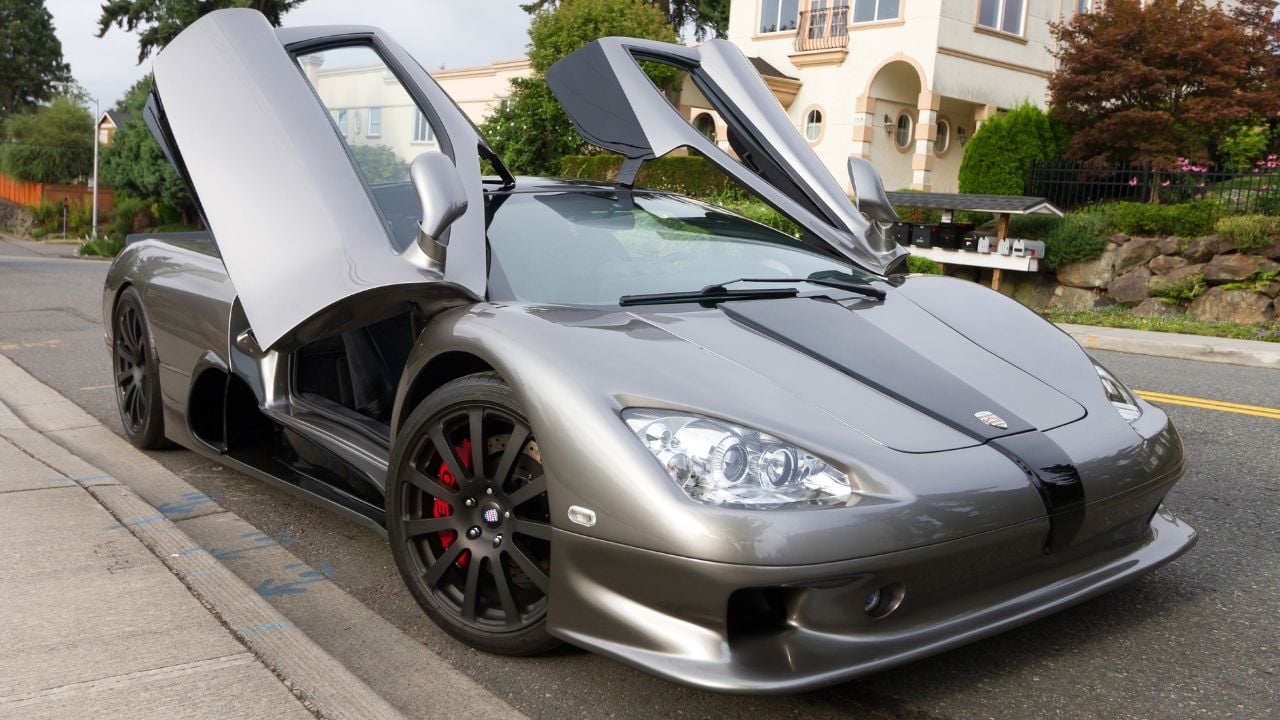
SSC North America didn’t start attempting top speed runs with the controversial Tuatara (more on that later). When Jerod Shelby (not affiliated with the renowned Carroll Shelby) established SSC North America in 1998, he wanted to challenge the dominance of European hypercars and prove that American cars could compete at the highest levels of performance. It didn’t take long for him to achieve his goal, as the company’s first production car, the Ultimate Aero, showed that it meant business.
The Ultimate Aero had all the hallmarks of a proper 2000s hypercar—a sleek, aerodynamically efficient design featuring butterfly doors, lightweight carbon-fiber construction, active aero (added in 2009), and the star of the show, a GM-derived 6.3-liter twin-turbo V8 making about 1,183 hp and about 961 lb-ft of torque in the updated 2007 “TT” version.
The Ultimate Aero TT didn’t just threaten European dominance on spec sheets; on September 13, 2007, in West Richland, Washington, it recorded a two-run average top speed of 256.18 mph, beating the production car speed record set by the Bugatti Veyron in 2005. Bugatti regained the record in 2010 with the Veyron 16.4 Super Sport.
Vector W8
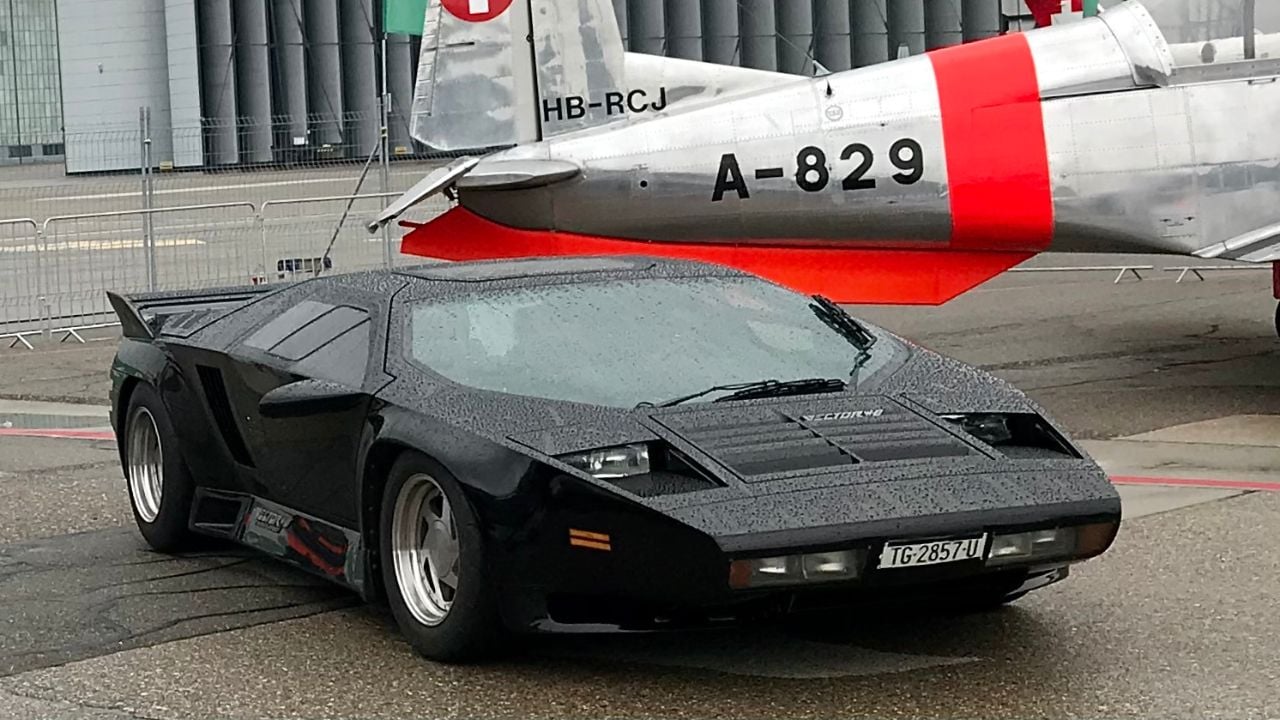
Marketed as “America’s first supercar,” the Vector W8 is an early ’90s beast that was designed to outclass European giants like Ferrari and Lamborghini through aircraft-inspired technologies. The W8 looked just as extreme as the European icons it was trying to compete with. It had a wedge-shaped design, a carbon-fiber and Kevlar body bonded to an aluminum honeycomb monocoque chassis with about 5,000 aircraft specification rivets, and a mid-mounted 6.0-liter twin-turbo V8 producing a factory-rated 625 hp.
Vector claimed that the W8 had a 0 to 60 mph time of under 4 seconds and a top speed of 242 mph, which would have made it the fastest production car in the world at the time by a stretch. However, Road & Track reportedly estimated a more realistic top speed of around 218 mph based on the redline RPM of the W8’s top gear in its three-speed automatic transmission, which would still be enough to beat many top European supercars.
Cadillac CTS-V
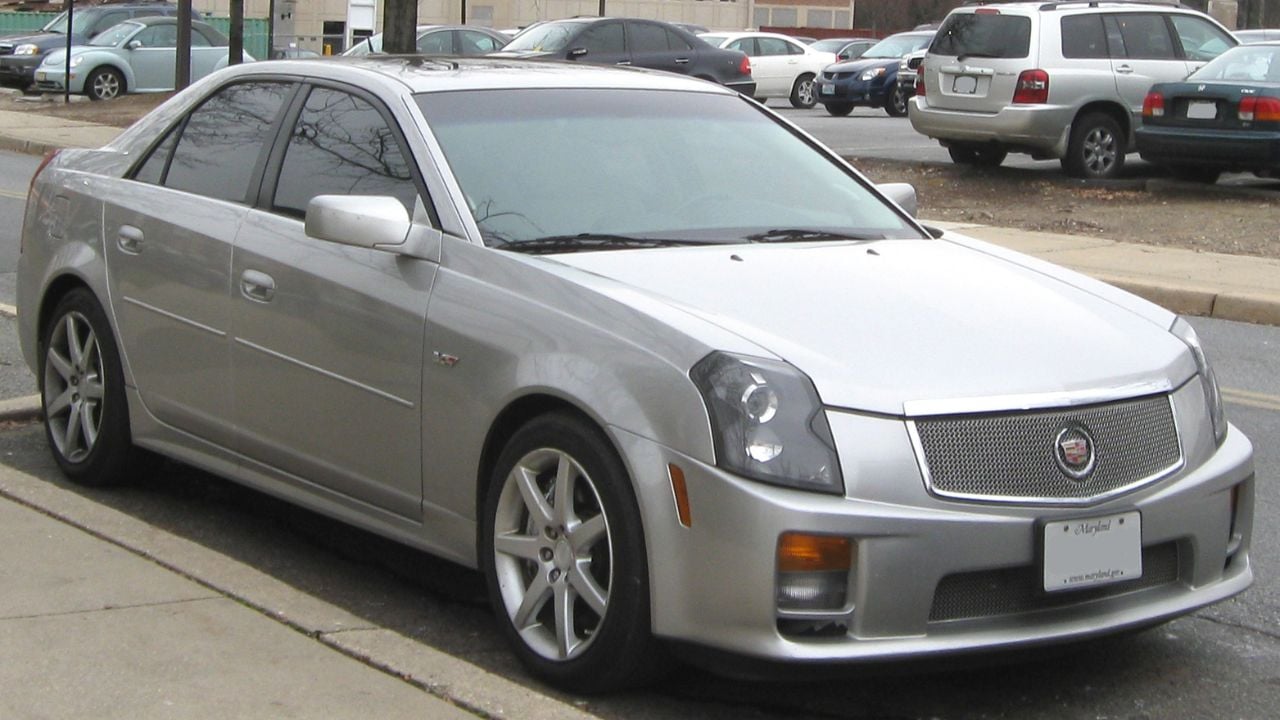
European brands popularized the modern super-sedan in the 1980s, and by the 2000s, Mercedes-Benz, Audi, and other top European automakers had their own models. As the leading American luxury car brand, Cadillac has always wanted to beat European manufacturers in the domestic luxury car market, which is why it built the CTS in the early 2000s and its performance-oriented version, the CTS-V.
The first-generation CTS-V was equipped with powerful Corvette-sourced V8 engines and the equipment needed to handle such power, making it one of the best sports sedans of the day. The CTS-V’s successor, the CT5-V Blackwing, is still one of the most powerful sports sedans in the world thanks to a supercharged V8 dishing out 668 ponies, and since it’s one of the few cars left with a manual, it offers a more engaging driving experience than many European sports sedans on the market today.
Dodge Viper
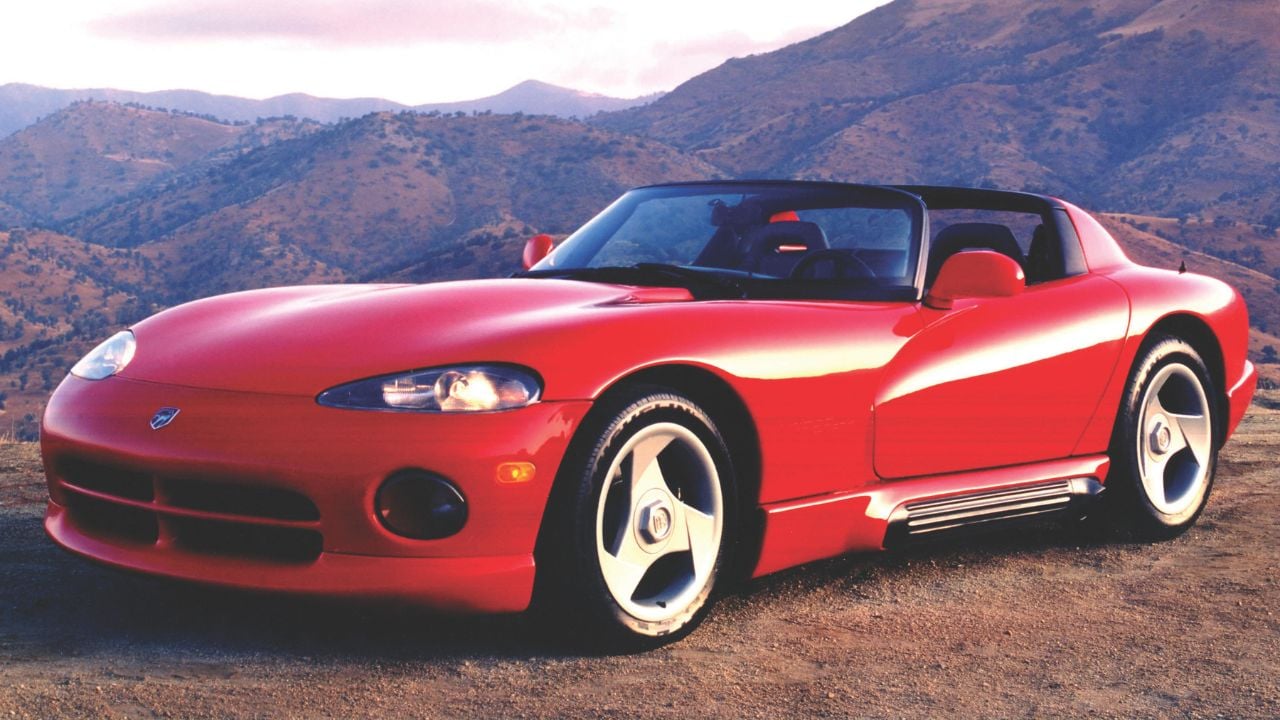
The phrase “there’s no replacement for displacement” had started losing its meaning in the early ’90s, with forced induction already a fairly common thing, but Dodge had other ideas. The Dodge Viper, which started as a secret project by Chrysler executive Bob Lutz, was all about using displacement to provide the power needed to run with or beat European supercars.
While the Europeans were perfecting high-revving V8s and flat-sixes, the Viper was equipped with a gargantuan 8.0-liter V10 engine that produced 400 hp and 465 lb-ft of torque in Gen 1 versions, enough to outperform more expensive overseas rivals. Despite having all that power, Gen 1 Vipers famously lacked driving aids like traction control and anti-lock brakes (ABS), demanding absolute respect and skill from the drivers.
Dodge Challenger SRT Demon 170
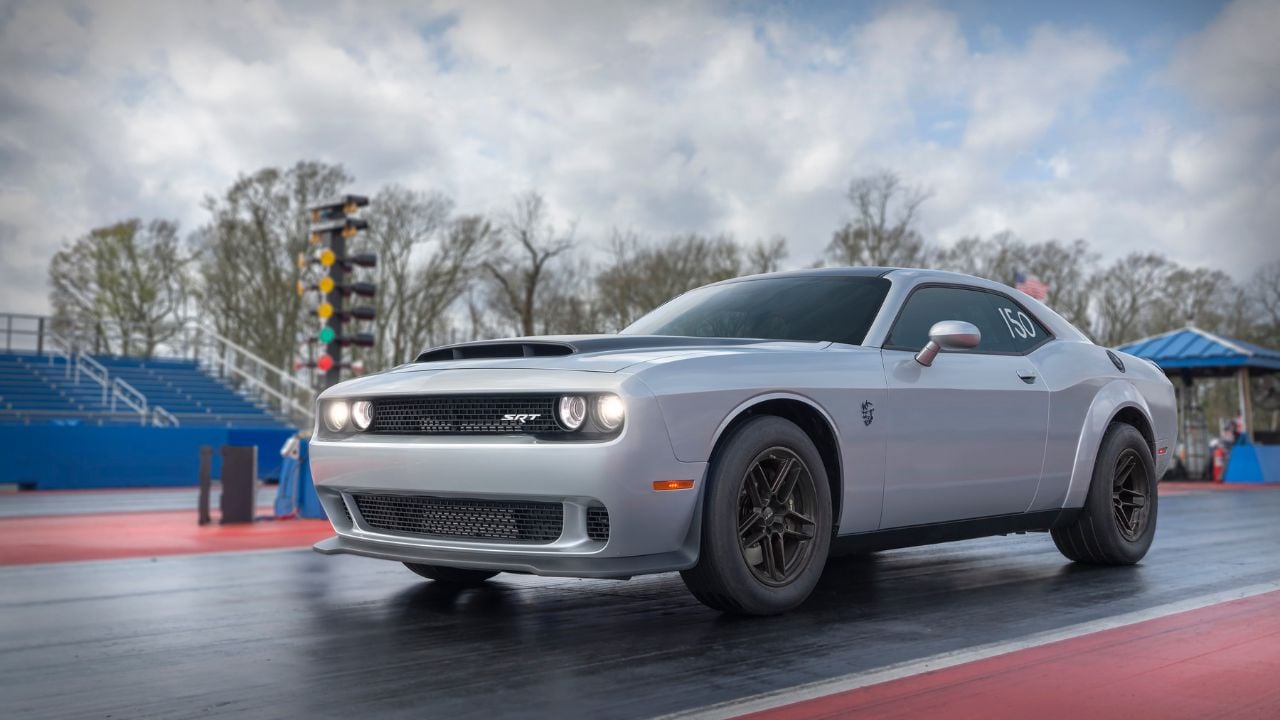
One of the saddest developments in the auto industry in recent years has to be the discontinuation of the Dodge Challenger, which was one of the few models keeping the spirit of the American muscle car alive. And yes, we’re aware it’s technically a pony car. Thankfully, Dodge gave it a proper sendoff with the fastest and most extreme version ever, the SRT Demon 170.
The SRT Demon 170 was the final “Last Call” special edition of the Challenger and featured an upgraded 6.2-liter supercharged HEMI V8 producing a crazy 1,025 hp and 945 lb-ft of torque on E85 fuel. Despite all the power going to the rear wheels, Dodge claims 1.66 seconds to 60 mph on a prepped drag surface using a 1-foot rollout, leaving multi-million dollar European hypercars in the dust.
Tesla Model S Plaid
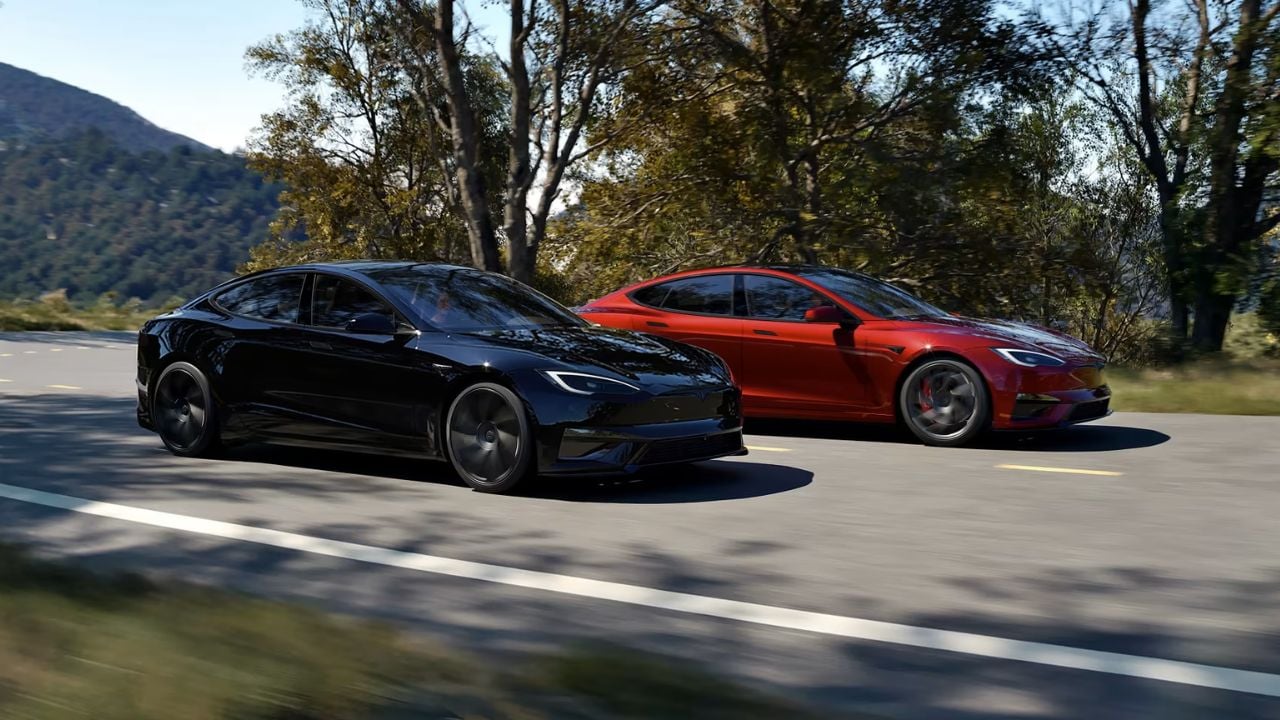
The Tesla Model S is one of the most important cars in history, as it proved that electric vehicles could be fast, desirable, and practical, forcing the global auto industry to pivot toward electrification. The Model S also proved that relatively affordable, everyday EVs could compete with genuine supercars in the performance department, particularly the Plaid version.
Debuting in 2021, the Model S Plaid was the first Tesla model to be equipped with a tri-motor powertrain. With a combined output of 1,020 hp, the Model S Plaid is marketed with a 1.99-second 0 to 60 mph claim that uses a 1-foot rollout, and independent testing has recorded sub-2-second runs on a prepped surface.
SSC Tuatara
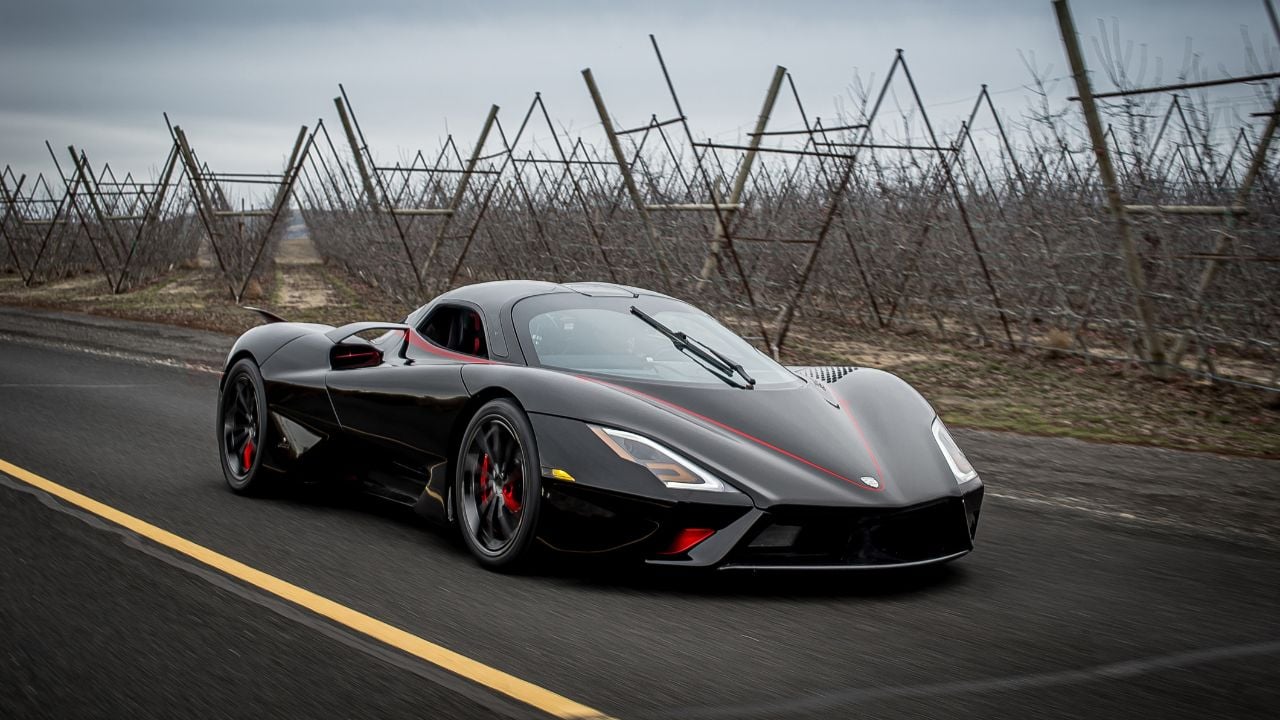
The Ultimate Aero TT set a ridiculously high bar for future SSC North America models when it one-upped the Bugatti Veyron to clinch the production car speed record in the 2000s, which is why SSC reportedly spent years developing a worthy successor—the Tuatara. The Tuatara was engineered from the ground up with the sole purpose of becoming the fastest car in the world. It had a low-slung, aircraft-inspired design, carbon-fiber construction, and a 5.9-liter twin-turbo flat-plane crank V8 dishing out 1,750 hp on E85, which is everything it needed to take aim at the Koenigsegg Agera RS’s 2017 record of 277.87 mph.
In October 2020, SSC claimed a two-run average speed of 316.11 mph on a closed road in Nevada, but outside analysis of the published video and data raised major questions, and the claim became widely disputed. SSC repeated the test on January 17, 2021, at the Kennedy Space Center Shuttle Landing Facility, where Racelogic verified a two-way average of 282.9 mph.