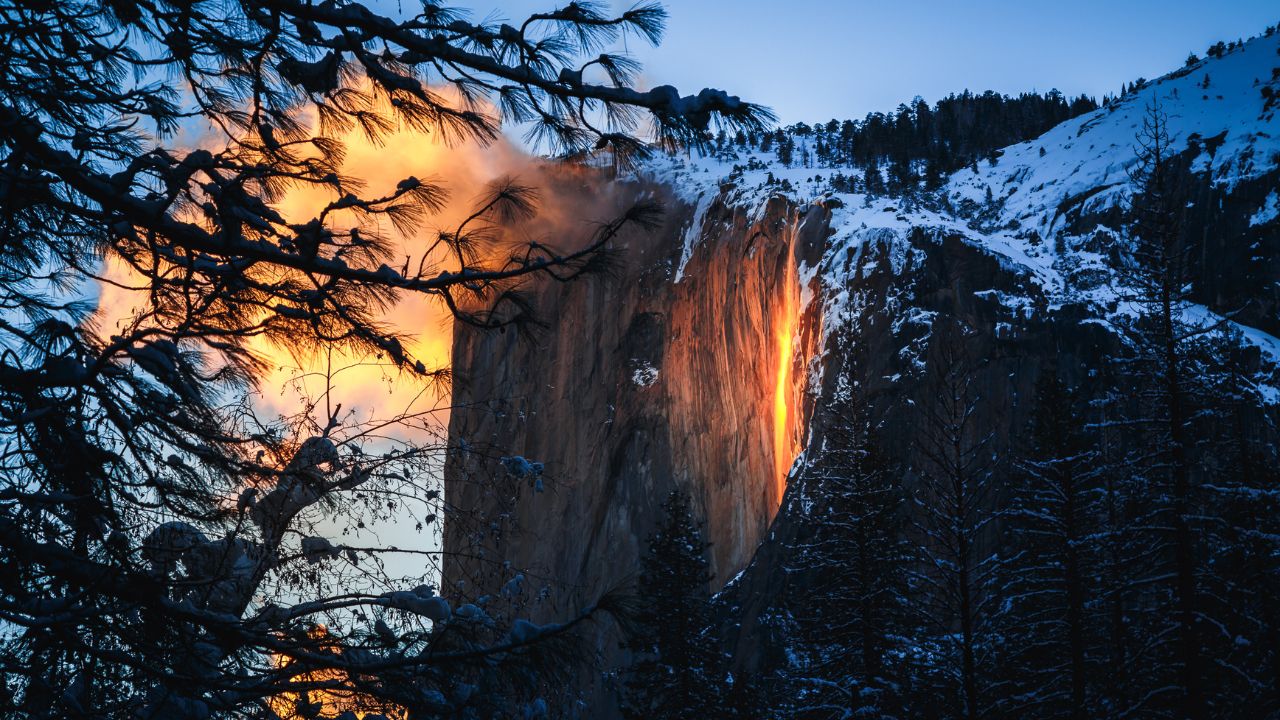
For a few minutes on a clear midwinter afternoon, Horsetail Fall can look like liquid ember on El Capitan. The effect depends on three things lining up at once: enough flowing water, a mostly clear western sky, and a late-afternoon sun angle that hits the fall at the right moment.
For 2026, the National Park Service projects the viewing window from February 10th through 26th and notes that no reservation is required to enter Yosemite or visit the Horsetail Fall viewing area during that February period.
That does not mean it is effortless, though. Popular evenings can draw big crowds, and the “fire” effect can peak quickly and then disappear just as fast. A little planning, plus a willingness to treat the forecast as a moving target, is what separates a frustrating miss from a smooth, memorable night.
1. Check Conditions, Not Social Media
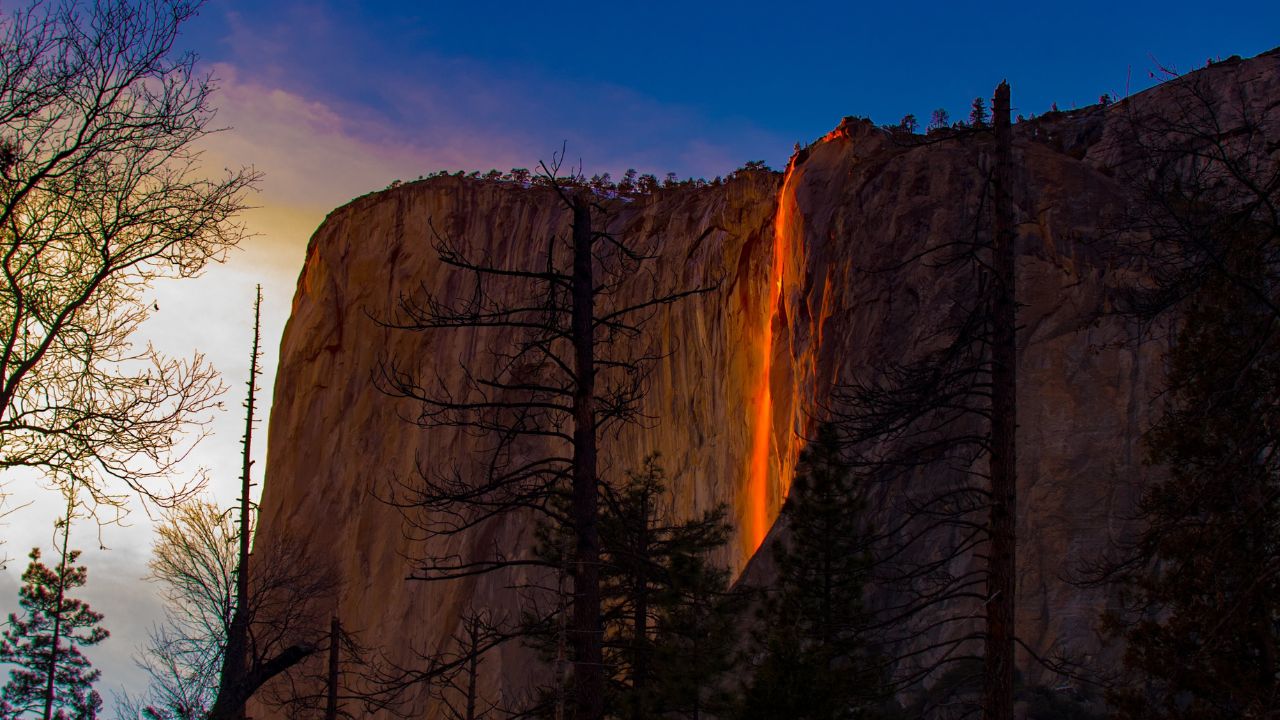
Color can vanish with thin cloud haze, and low water flow can cancel the whole illusion. Check the forecast for the valley close to your visit, especially cloud cover near sunset. Also verify that Horsetail Fall is actually flowing, because timing shifts with weather and snowpack.
Treat every prediction as provisional. If your schedule allows it, keep two possible evenings open instead of betting everything on one date. A flexible plan turns “missed it” into “we try again tomorrow.”
2. Reduce Travel Variables
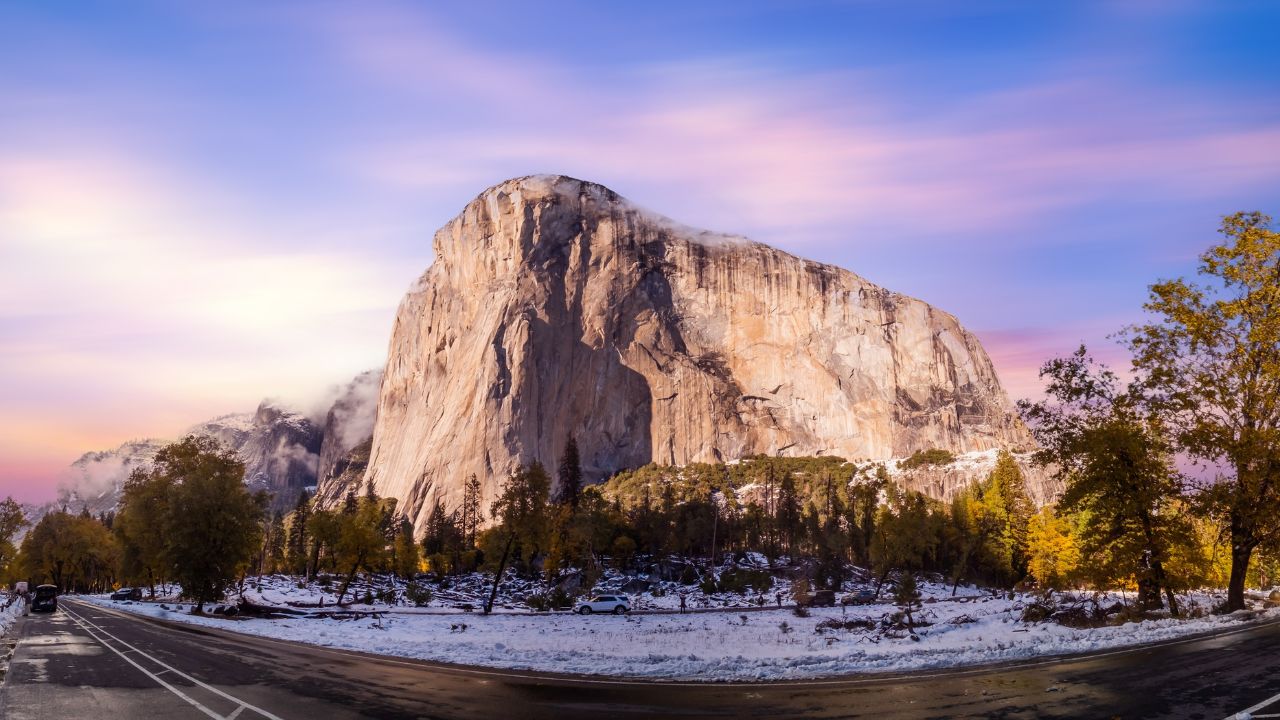
Long winter commutes add risk, especially if you hit delays and lose the last light window. Staying closer to Yosemite Valley makes the day simpler, even if it costs a little more. If you cannot stay nearby, plan an early start so you are already parked before afternoon traffic builds.
Bring a small buffer kit: snacks, water, a power bank, and an extra warm layer. A delay stays manageable when you are fed, charged, and comfortable. Your future self will thank you on the walk out.
3. Follow the Official Approach

For 2026, NPS directs visitors to park at Yosemite Falls parking, then walk about 1.5 miles each way to the viewing area. If that lot fills, the park advises parking at Yosemite Village or Curry Village and using the free shuttle to reach the Yosemite Falls area.
Save your vehicle location in a map app before you leave it. Carry a headlamp, because the walk back happens in real darkness, not “phone flashlight is fine” darkness. Expect the return trip to feel colder since you have been standing still.
4. Learn the Road Restrictions Before You Come

Traffic rules are strict during peak evenings, and they are meant to keep people safe and protect sensitive areas. On Northside Drive, one lane becomes a pedestrian lane, and no parking, stopping, or unloading is allowed between Lower Yosemite Fall and El Capitan Crossover. On busy weekends, Northside Drive may close for about half an hour immediately after sunset to clear congestion.
On Southside Drive, vehicles can continue through, but no stopping is allowed from El Capitan Crossover to Swinging Bridge Picnic Area, and pedestrians are prohibited from traveling on or adjacent to that roadway segment. The park also closes the river-adjacent area between Cathedral Beach and Sentinel Beach.
5. Dress for Waiting, Then Walking Out
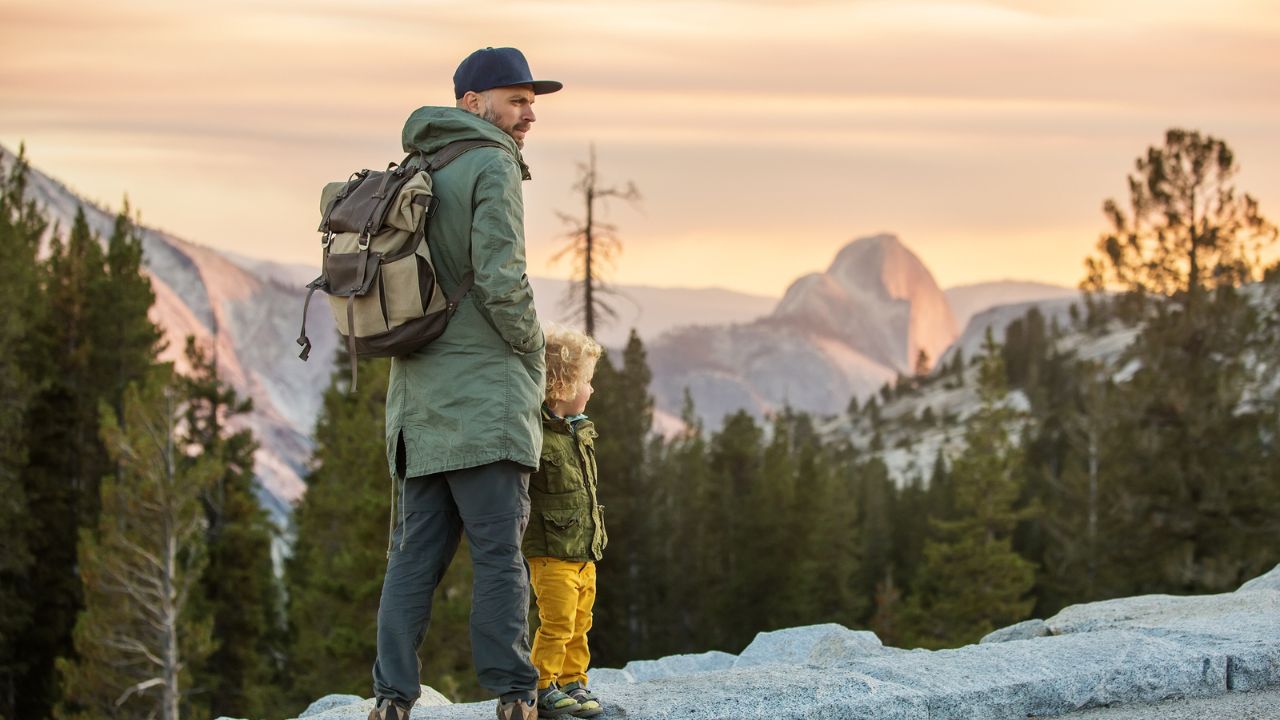
Standing still gets cold fast. Layer up, and prioritize warm feet, because you will be planted in one spot longer than you expect. If conditions are icy, traction devices can turn a slippery shuffle into a confident walk.
Hands get miserable first when you adjust camera settings. Wear thin liners under warmer gloves so you can operate buttons without exposing skin for long. A warm drink in a sealed bottle helps comfort and patience.
6. Stay on Durable Surfaces

Meadows and riverbanks in Yosemite Valley are fragile, and crowd pressure can turn soft ground into damage fast. Stick to paved paths and the designated viewing corridor near El Capitan. Toilets and dumpsters are available at El Capitan Picnic Area, which is your hint about where the park expects people to concentrate.
If your vehicle displays a disability placard, NPS allows access to El Capitan Picnic Area with parking in north-side turnouts. Otherwise, plan to walk, and do not expect curbside drop-offs, since stopping and unloading are restricted.
7. Make Photography Straightforward
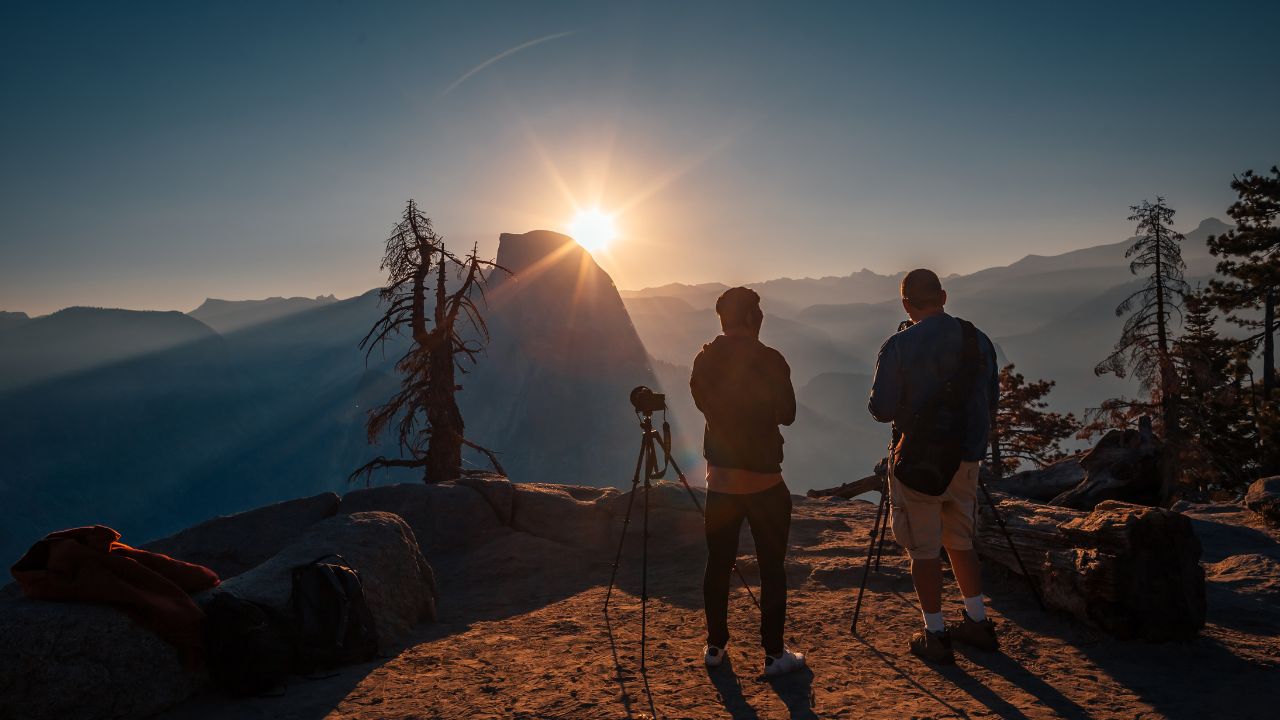
Pick your framing early, because once people settle in, moving a tripod through a tight crowd is stressful and discourteous. A modest zoom often beats fighting for the very front, and it lets you stand where you can breathe. Set focus and exposure before the glow starts so you are not scrambling when the color peaks.
For phones, keep it simple. Lock exposure, take a short burst during the brightest moments, then stop tapping and watch. The whole scene changes quickly, and it is worth seeing with your own eyes too.
8. Exit With Patience and Leave No Trace
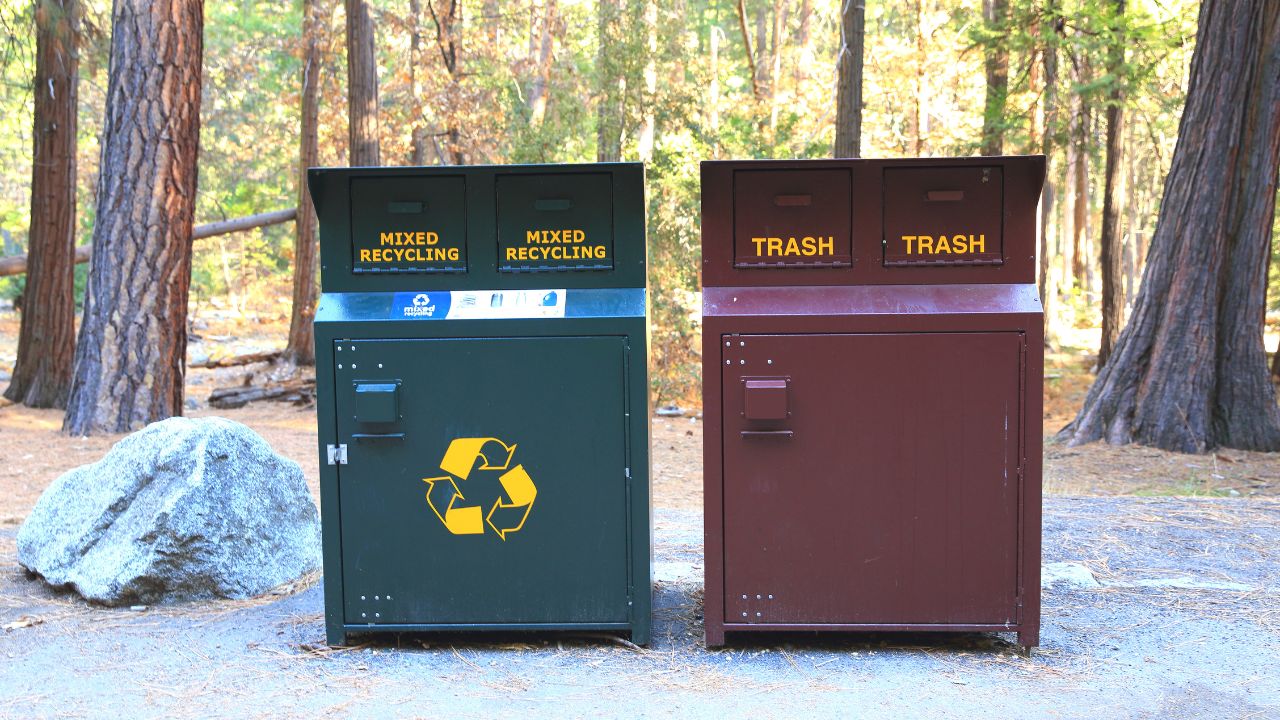
The biggest stress spike happens after the light fades, when thousands of people all decide to leave at once. Waiting 15 to 30 minutes can make your walk out calmer, and it pairs well with any short road closure that may happen after sunset on busy nights.
Pack out every wrapper, and use the dumpsters near the toilets if needed. Yosemite keeps this viewing plan sustainable only if visitors treat the valley like a home, not a stage set. A clean exit helps protect access for the next night’s crowd.