Trucks are often treated as disposable. They work hard, accumulate miles, get replaced, and eventually fade from everyday use. Most follow that path without much notice, quietly cycled out as newer models promise more power, more technology, and more convenience. But a small group of Toyota trucks never quite does.
Long after production ends—or after newer, faster, and far more complex replacements arrive—these vehicles are still being sought out. Owners keep them instead of trading them in. Buyers search widely for well-kept examples. Some are even brought in from overseas years later, simply because they’ve earned a reputation for being dependable in ways newer vehicles often aren’t.
This isn’t about finding the “next big investment.” Most vehicles lose value over time, and modern trucks—built in large numbers and filled with technology—are especially unlikely to become untouchable classics. What this is really about is something much rarer: vehicles that resist becoming obsolete.
These trucks stay relevant because they proved themselves through real-world use. They endured harsh conditions, inconsistent maintenance, and years of hard work without losing their core purpose. They’re straightforward to own, practical to maintain, and still capable of doing the jobs people expect from a truck today. That kind of longevity builds trust, and trust tends to last.
That refusal to fade away is why people keep paying for them. While prices vary widely by condition and market, these trucks stand out because people keep seeking them out—not because they promise financial returns.
A Quick Reality Check for U.S. Readers
Toyota’s truck legacy is global, and not every legend made it to American showrooms. Some of the trucks on this list were sold new in the United States and built their reputation here. Others were never officially offered in the U.S., but became legendary overseas and later gained cult status among American enthusiasts through imports, media, and word-of-mouth.
Where that’s the case, we’ve clearly noted it. Whether sold here or not, each of these trucks earned its reputation the same way: by lasting longer, working harder, and staying relevant when others quietly disappeared.
Toyota Hilux (1980s–1990s)
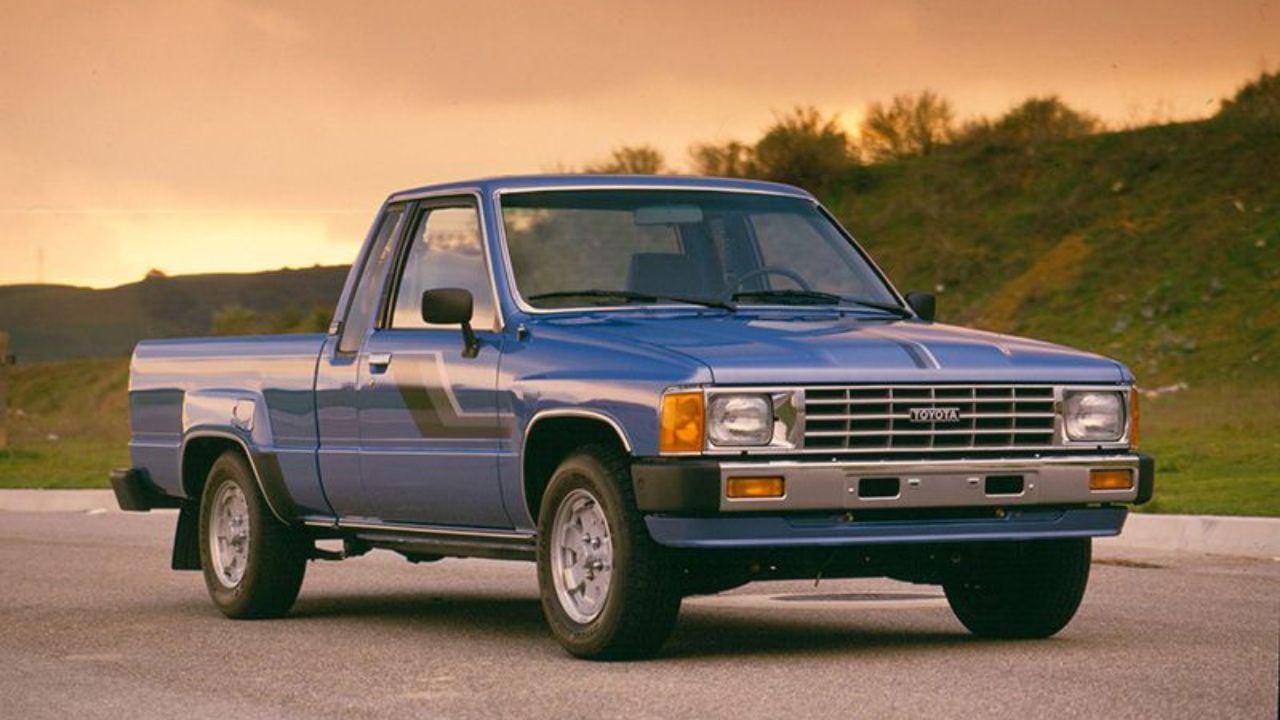
Few trucks have a reputation as globally bulletproof as the Hilux. Lightweight, simple, and mechanically honest, it earned its legend in places where failure meant real consequences.
Americans never had the chance to buy one new, which only amplified its mystique. Today, clean examples are hunted worldwide not because they’re rare collectibles, but because they proved—again and again—that simplicity works.
Toyota Tacoma (First Generation) (Sold new in the U.S.)
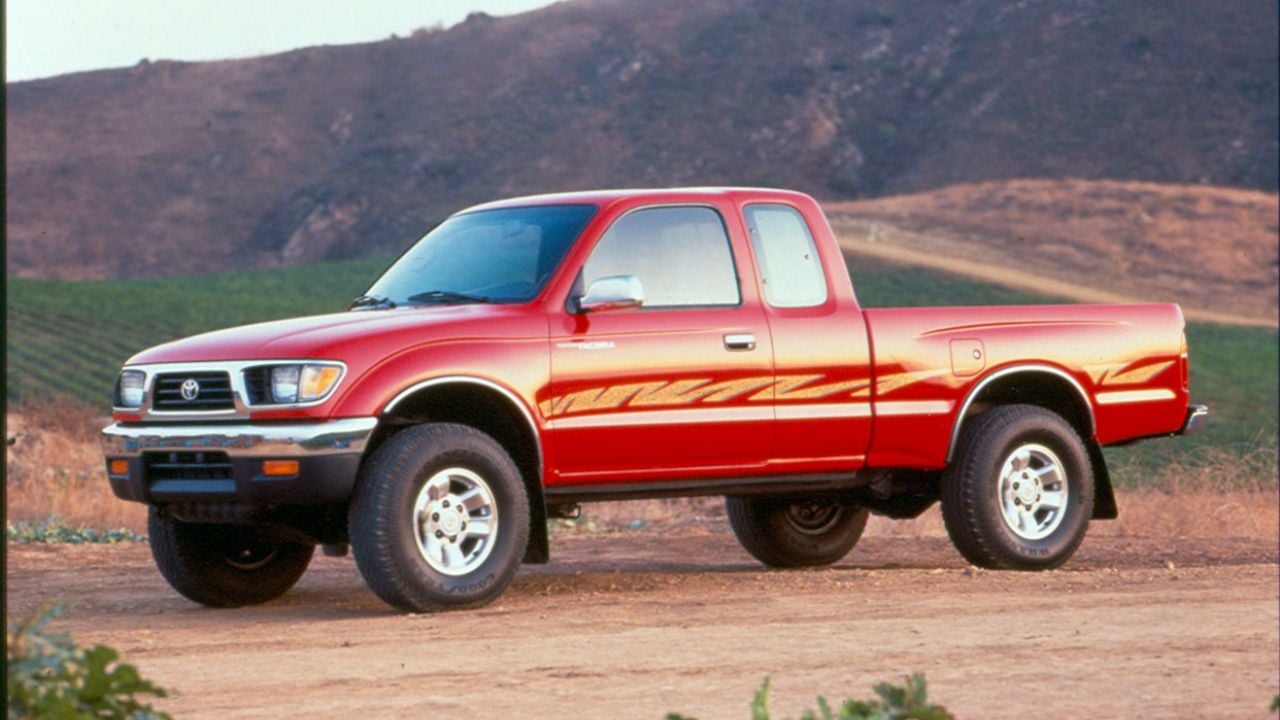
When Toyota introduced the Tacoma in the mid-1990s, it nailed a balance that modern trucks still struggle to replicate. Compact dimensions, real off-road ability, and everyday usability made it an instant favorite.
The frame-rust warranty-enhancement program matters for buyers today, but properly addressed examples remain in demand. These trucks represent a size, feel, and honesty that quietly disappeared from the market.
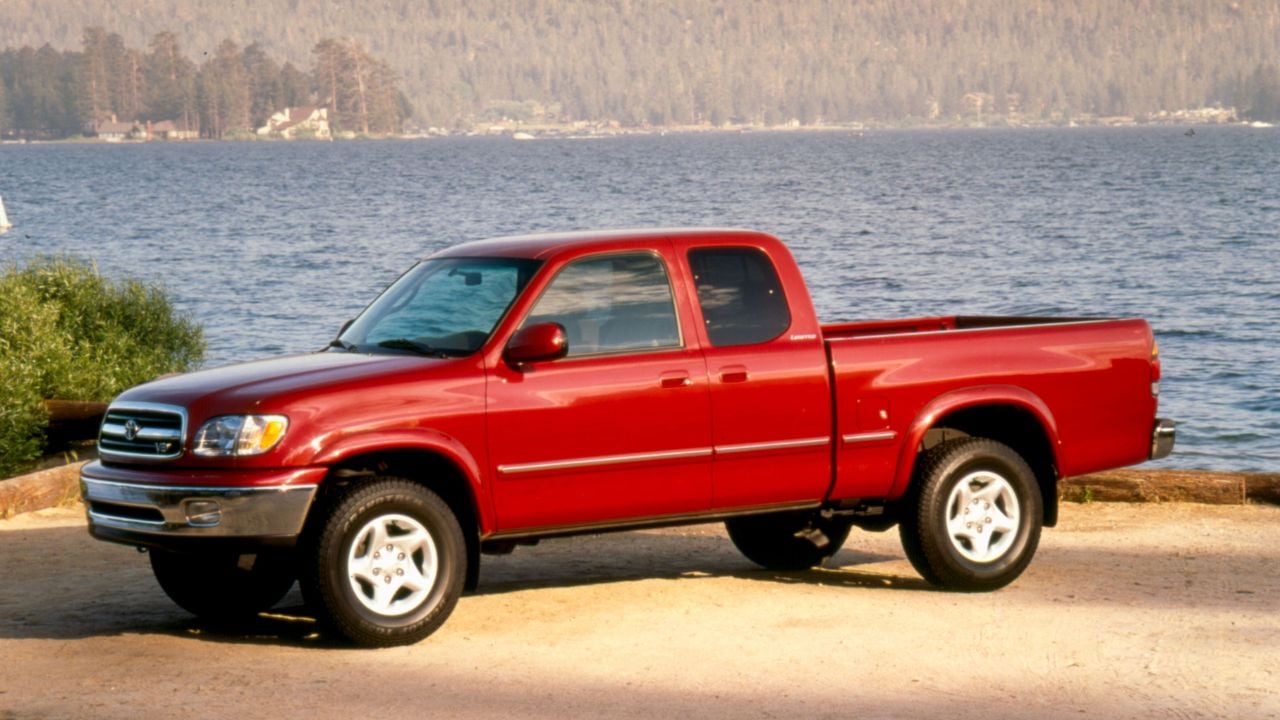
Toyota Tundra (First Generation) (Sold new in the U.S.)
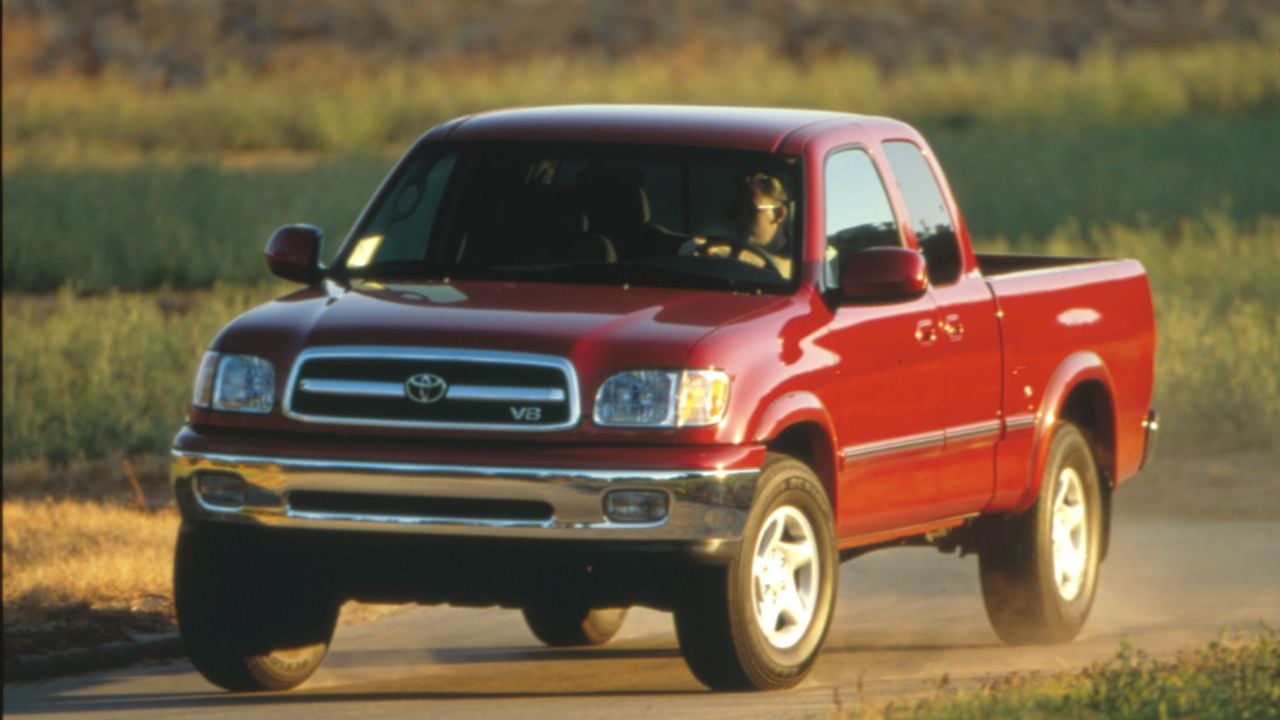
Toyota’s first full-size pickup didn’t arrive with chest-thumping bravado. Instead, it focused on reliability, manageable size, and long-term ownership.
Early sales were modest, but the reputation grew over time. Clean first-gen Tundras appeal to buyers who want a full-size truck without the excess that followed in later generations.
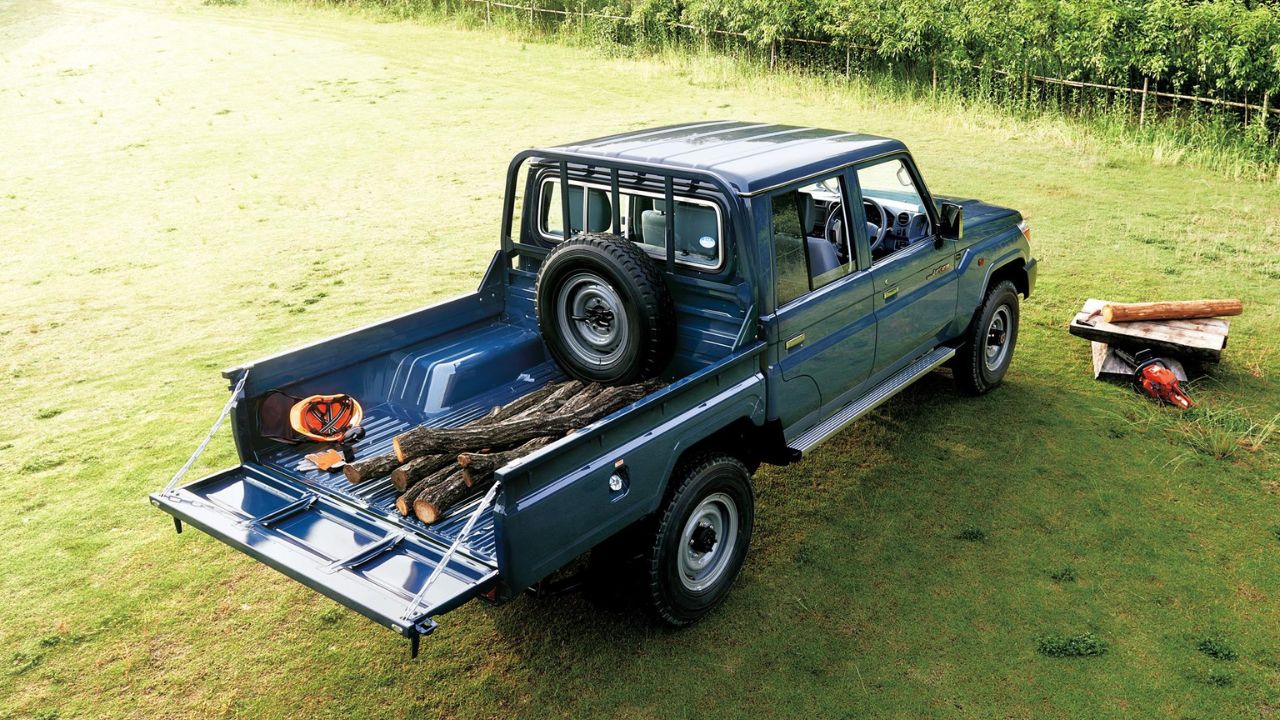
Toyota Land Cruiser 70 Series (Global model, not sold new in the U.S.)
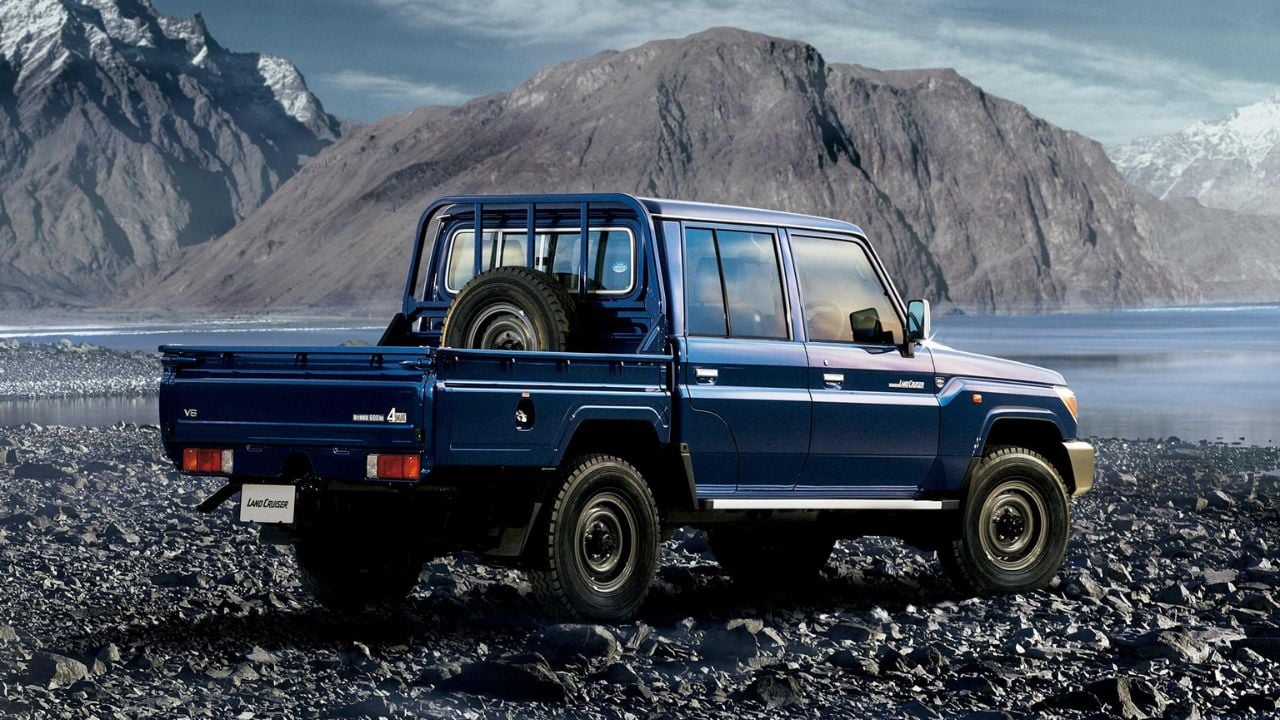
The 70 Series is automotive stubbornness given a VIN. Solid axles, simple engines, and minimal electronics define a truck designed to survive decades, not product cycles.
While never officially sold in its true utilitarian form in the U.S., imported examples are revered. It’s a reminder that toughness doesn’t need to be complicated—or modern.
Toyota Hilux Surf / Toyota 4Runner (First & Second Generation)
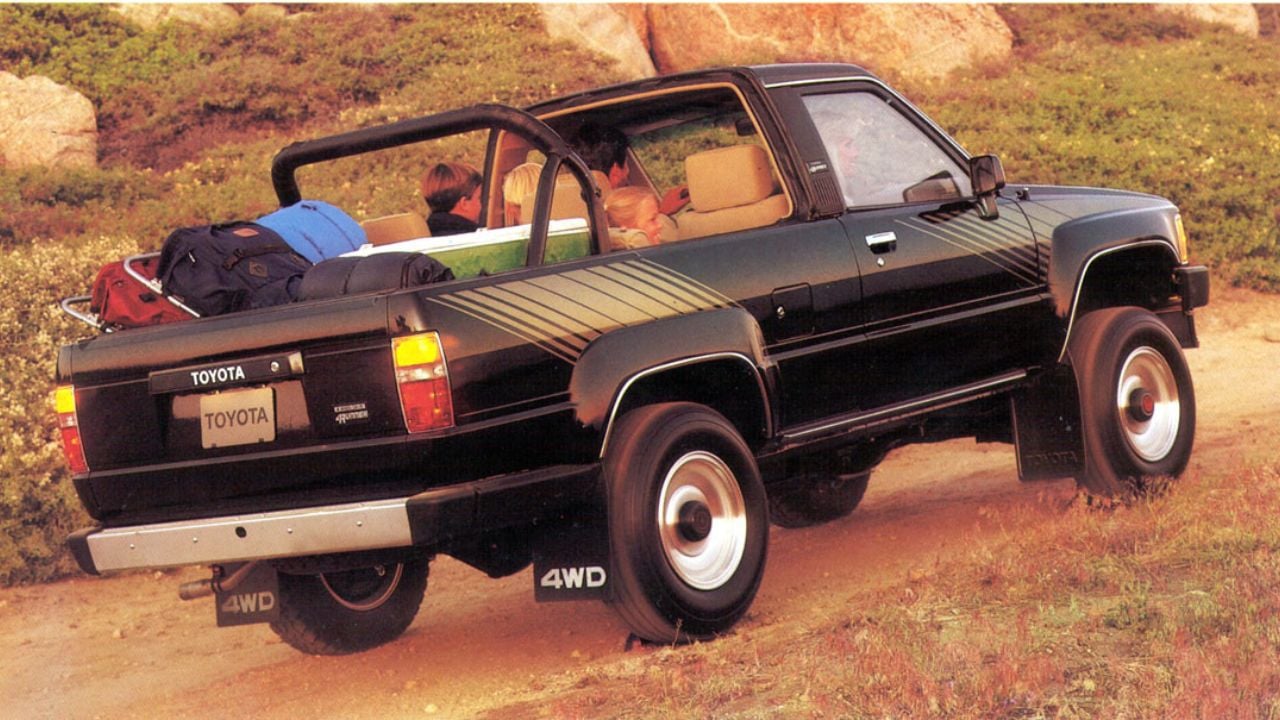
(Sold in the U.S. as the 4Runner)
Overseas, it was known as the Hilux Surf. In the U.S., it became the early 4Runner. Either way, the formula was the same: pickup toughness paired with enclosed versatility.
These trucks aged well by staying simple. Proven drivetrains and limited electronics make them easier to keep alive than many newer SUVs, which is exactly why they haven’t disappeared.
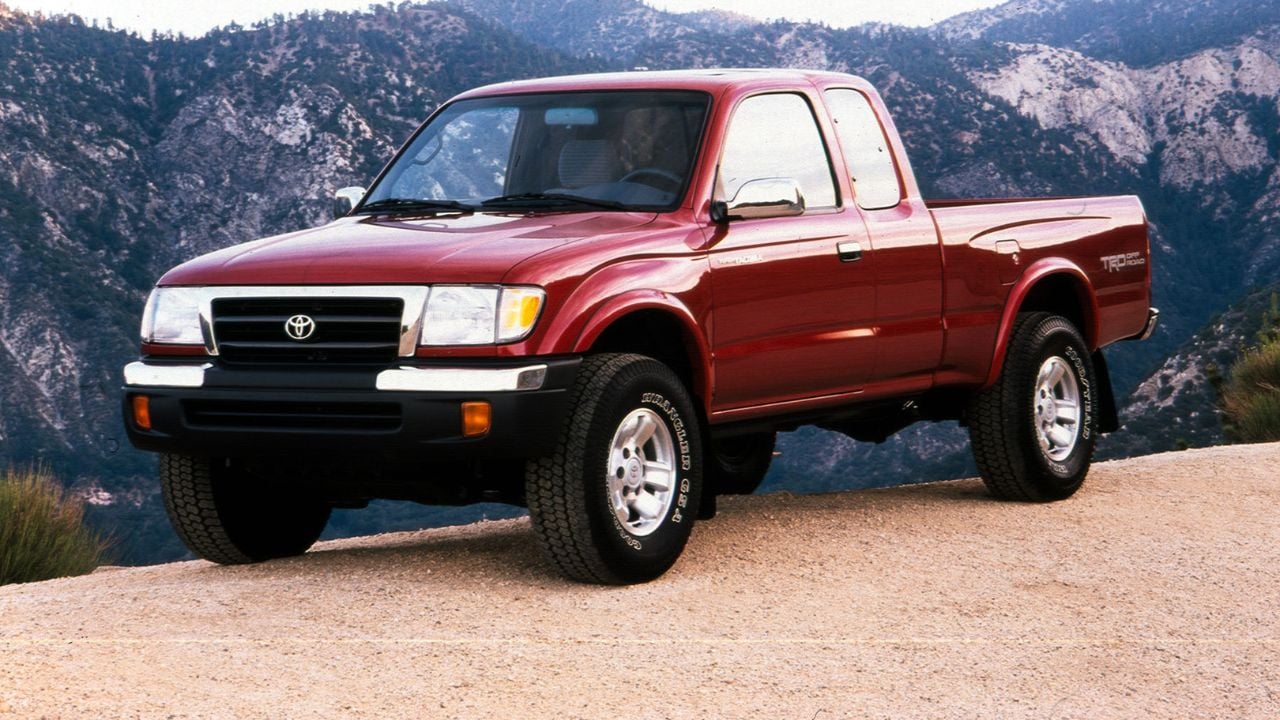
Toyota Tacoma (Second Generation) (Sold new in the U.S.)
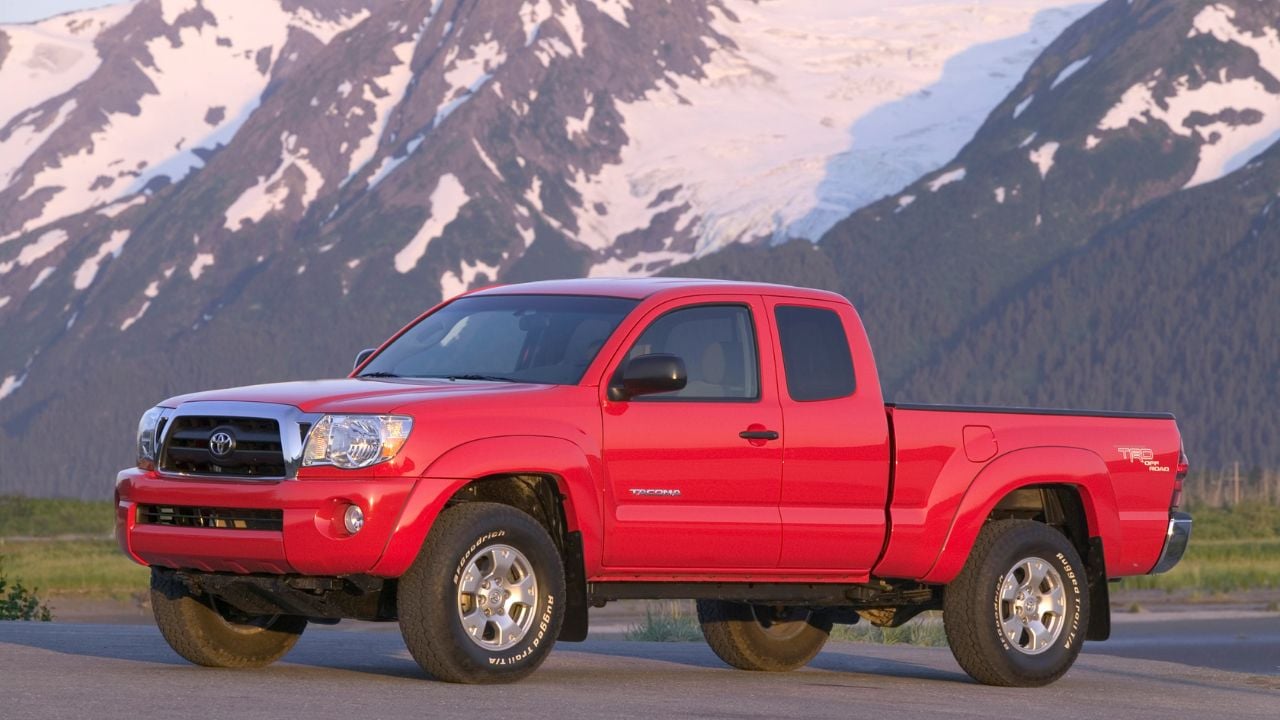
The second-gen Tacoma added power, comfort, and refinement without abandoning its roots. Factory TRD off-road trims expanded its appeal while keeping reliability front and center.
These trucks sit at the edge of old-school toughness and modern convenience, which helps explain why demand remains steady even years later.
Toyota Tundra (Second Generation) (Sold new in the U.S.)
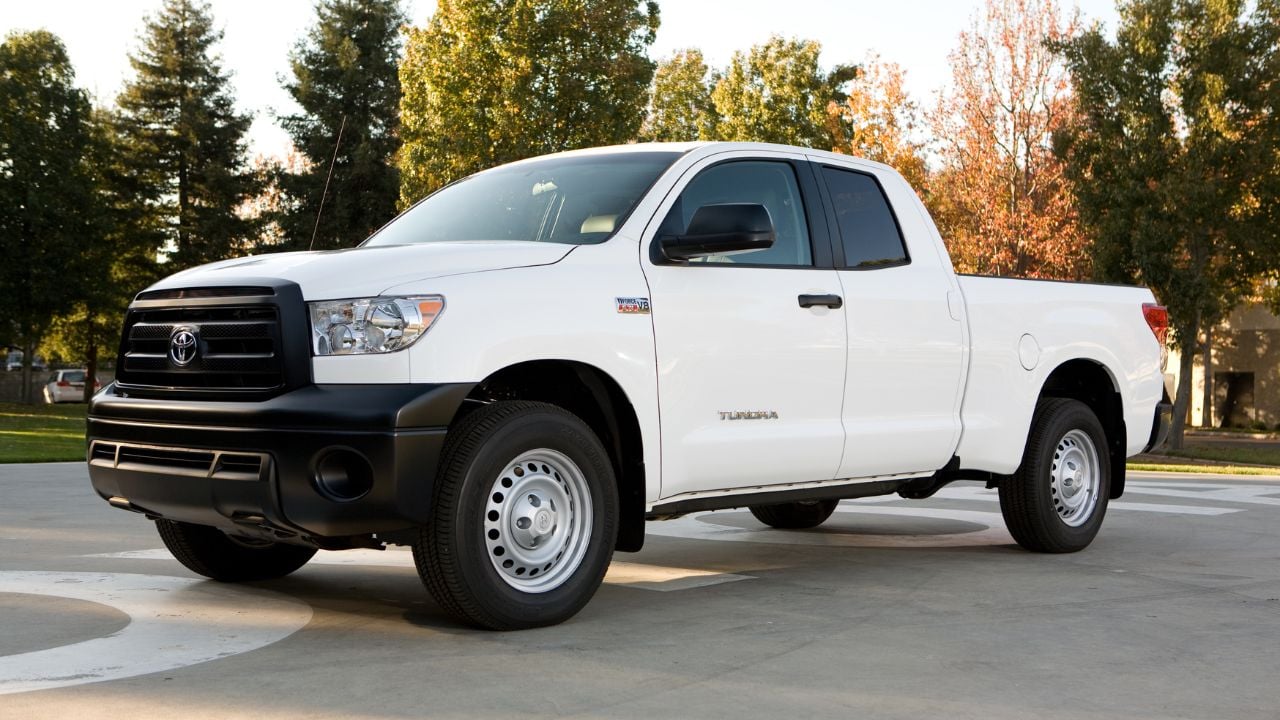
With stronger V8 engines and improved interiors, the second-gen Tundra quietly matured into a dependable long-term truck.
Early second-gen (2007–early 2010s) examples—especially well-kept or off-road-oriented trims—are increasingly appreciated for being capable without being excessive.
Toyota Hilux (2000s Models) (Not sold new in the U.S.)
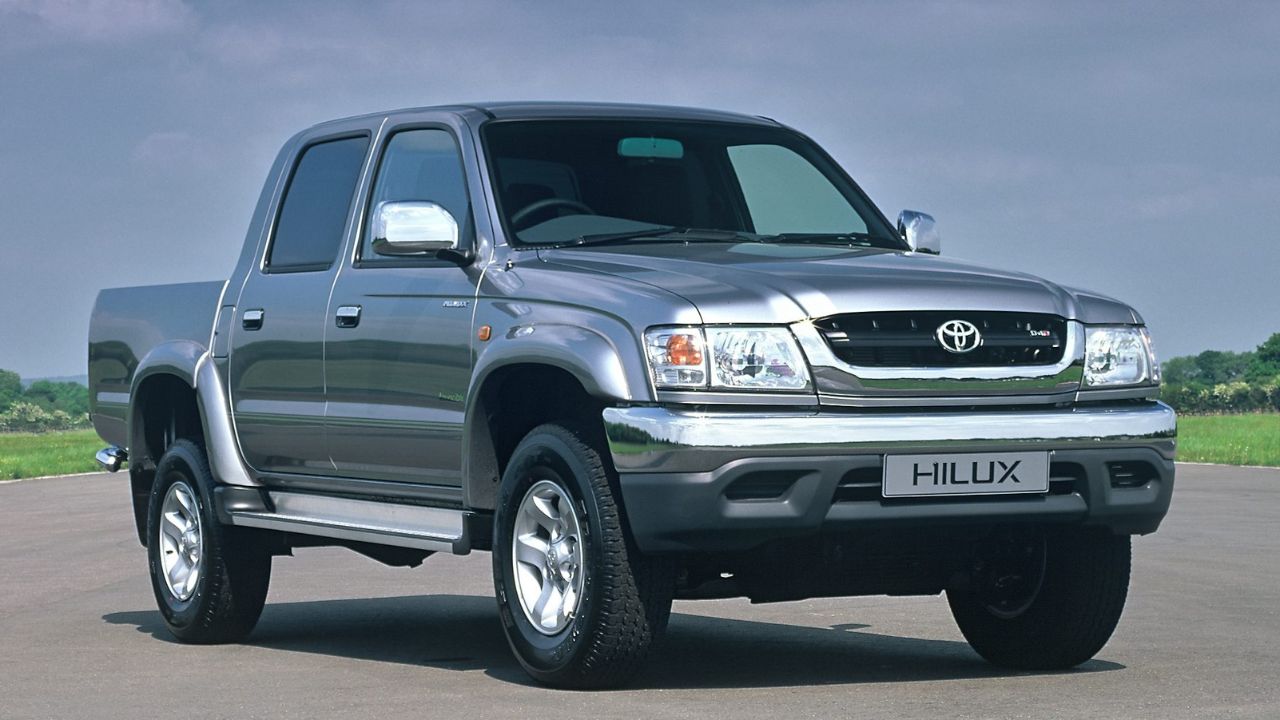
Later Hilux generations kept the global reputation intact. Proven engines and straightforward engineering made them dependable in virtually any environment.
They don’t rely on rarity—just usefulness. As long as people need trucks that work without drama, demand remains.
Toyota Tacoma (Third Generation) (Sold new in the U.S.)
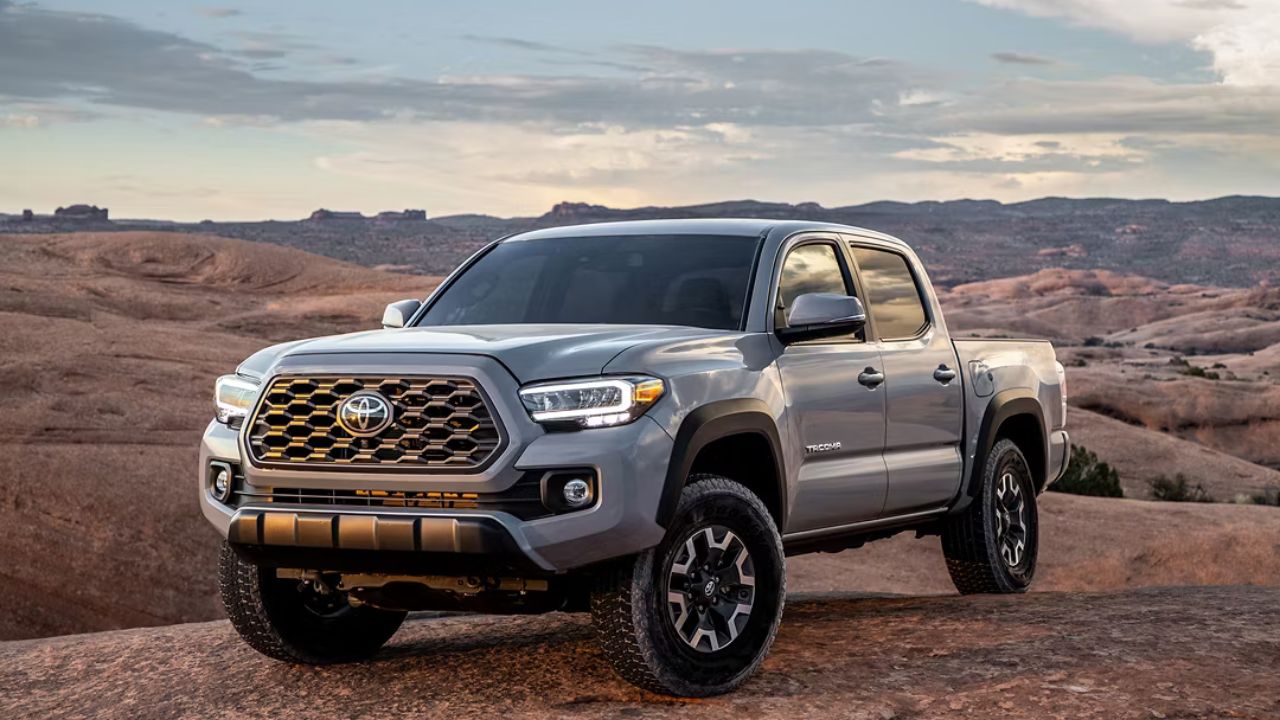
The current Tacoma walks a fine line between modern complexity and traditional trust. Its strong resale value reflects confidence more than speculation.
Whether it earns true long-term legend status remains to be seen, but few modern trucks have a stronger foundation.
Toyota Tundra (Third Generation) (Sold new in the U.S.)

The move to turbocharged and hybrid power marked a major shift for the Tundra. Early interest—especially in TRD Pro trims—has been strong, though long-term durability will ultimately define its place in history.
Even so, it continues Toyota’s pattern of building trucks people actually keep.
Toyota Hilux GR Sport / TRD Models
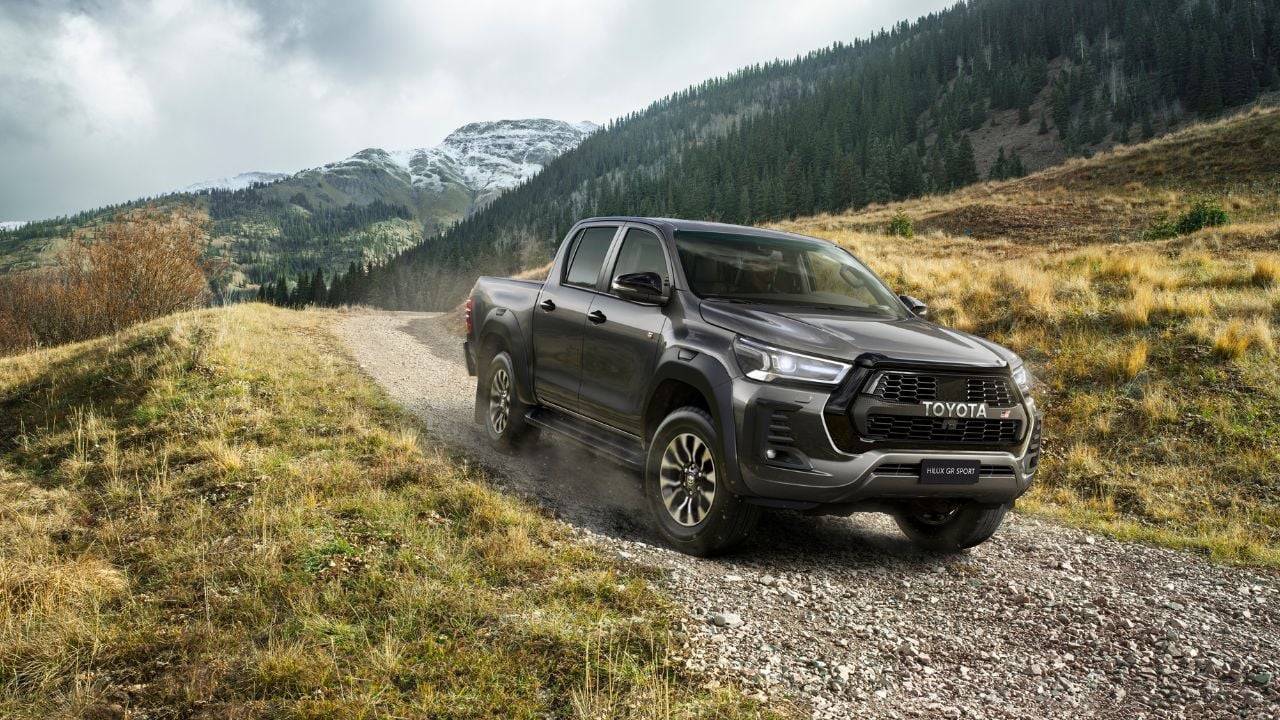
(GR Hilux not sold in the U.S.; TRD Tacomas and Tundras are)
Performance-oriented trims add suspension upgrades and visual presence to proven platforms. Overseas GR Hilux models and U.S.-market TRD trucks represent the most expressive versions of Toyota’s pickup DNA.
Whether they become future classics or simply remain desirable longer than average, they benefit from decades of earned trust.
Why These Toyota Trucks Stand Out
Across decades, Toyota trucks have earned a reputation for reliability, thoughtful engineering, and practical design. That combination doesn’t just create loyal owners—it creates vehicles people choose to keep. Long after newer alternatives arrive, these trucks remain in regular use because they continue to do what’s asked of them with minimal fuss.
Whether they’re used for backcountry travel, daily commuting, or weekend projects, each of these trucks carries a piece of Toyota’s long-running approach to durability. Choosing one isn’t about chasing trends or status. It’s about driving something that still feels capable and relevant years later.
They’re rare vehicles that make you appreciate age not as a drawback, but as proof of everything they’ve endured—and why they’re still around.