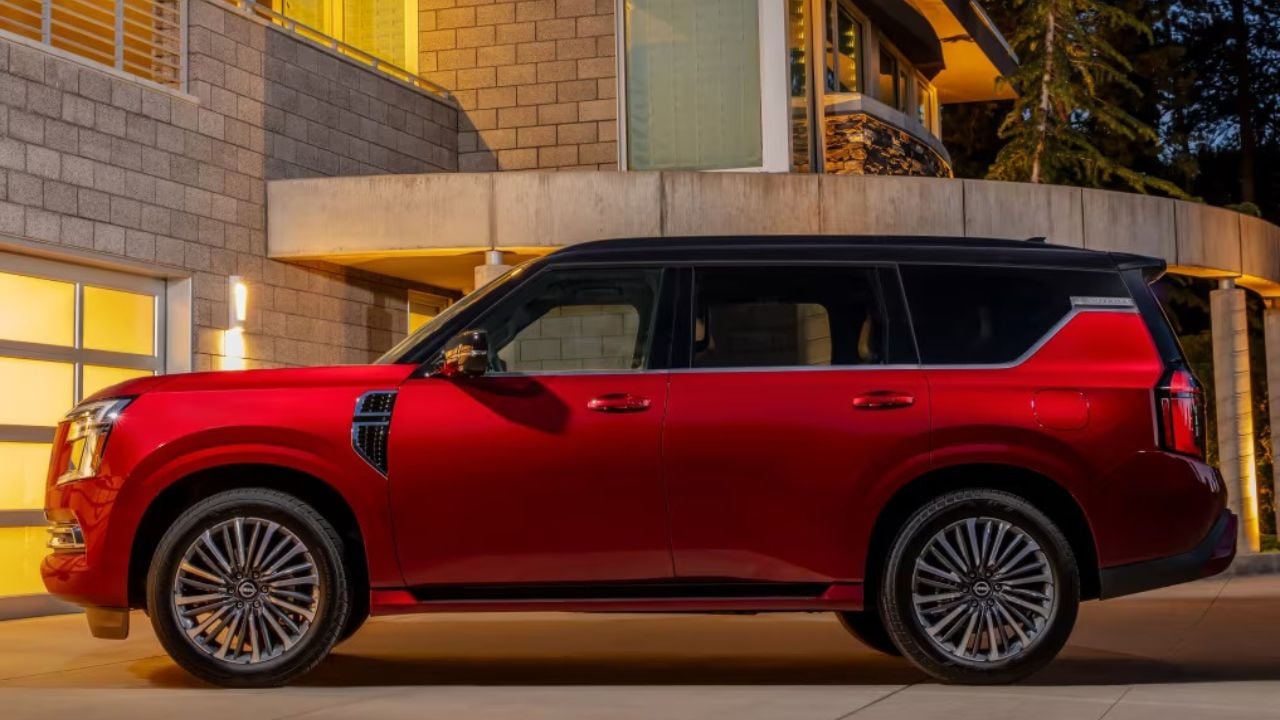
Nissan is entering 2026 with more optimism than many analysts expected only a few months ago. The Japanese automaker is still coming out of a very difficult financial period, but the first signs of recovery are becoming visible.
Company management now says the restructuring program is moving faster than planned. That gives Nissan a stronger position as it prepares for a crucial new product cycle.
During fiscal 2025, Nissan recorded a loss of 533.1 billion yen, or about $3.37 billion. New tariffs and trade barriers were the biggest blow, costing the company more than $1.8 billion.
Without that pressure, Nissan’s total losses would have been almost cut in half.
Sales Declines Made The Situation Worse
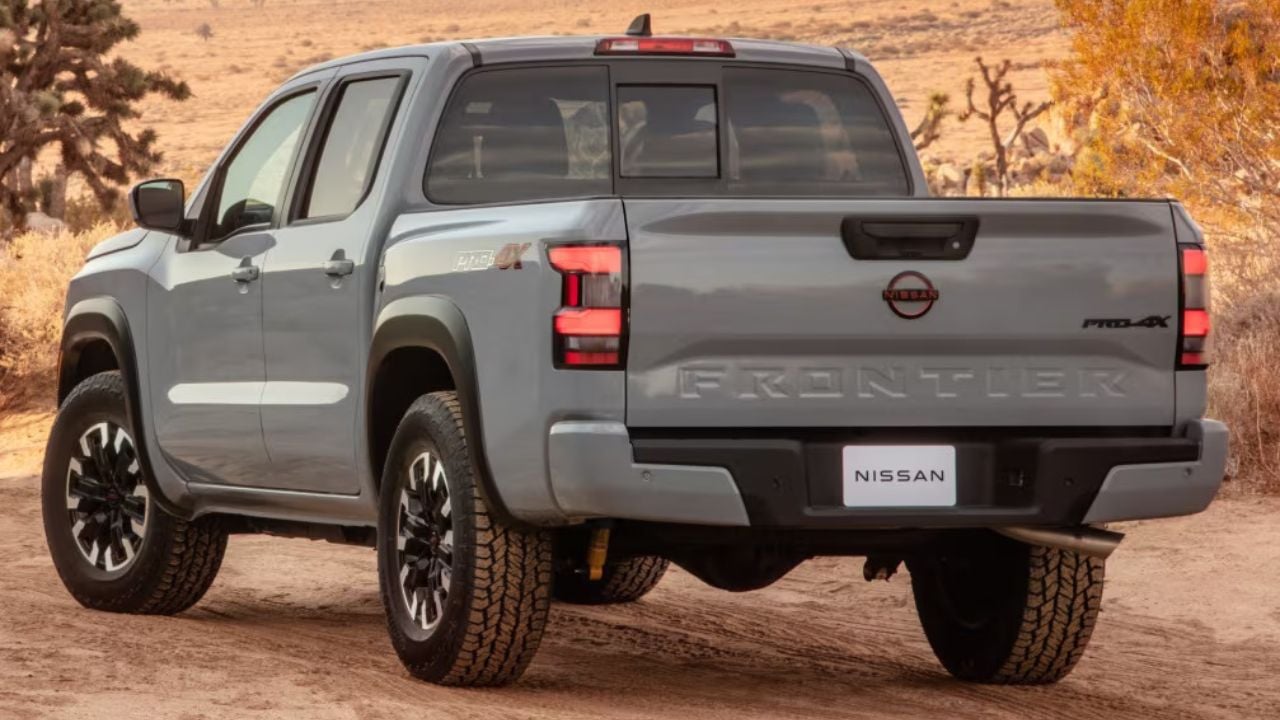
Lower sales added to the pressure. Nissan sold 3.151 million vehicles during the fiscal year, down 5.8% from the previous period.
The biggest problem came in Japan, where sales fell by 13.5%. Europe was also weak, with volume down 9.7%.
North America remained more stable, with a much smaller decline of 0.9%. That helped soften the overall result, but it was not enough to offset the wider global slowdown.
Rising raw material prices, inflation, and unfavorable exchange rates also hurt the final numbers.
Cost Cuts Are Starting To Help
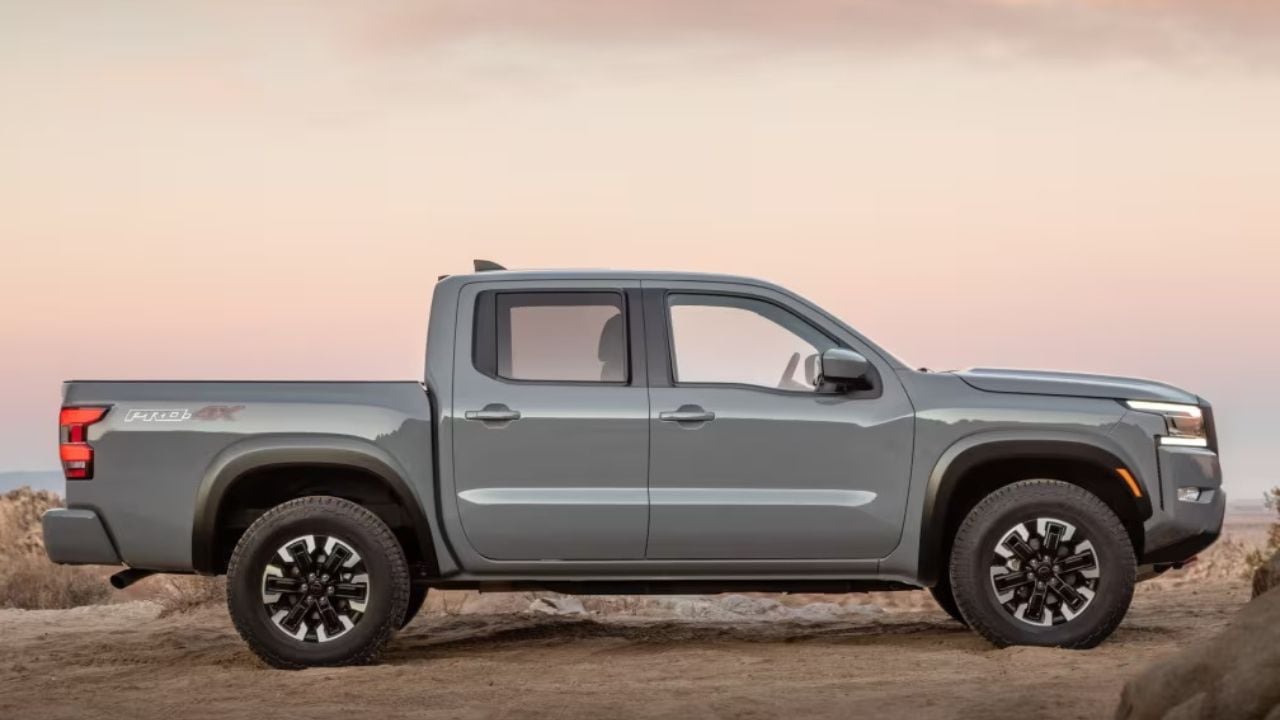
Despite those challenges, Nissan managed to generate positive cash flow of about $709 million in the second half of the fiscal year. That is one of the key reasons management believes the company is finally moving toward stabilization.
Nissan has also made major cuts to operating costs. The company has optimized production, closed or merged some facilities, and reduced development costs per working hour by 18%.
Those changes now allow Nissan to offer a much more optimistic forecast for fiscal 2026. The company expects an operating profit of about $1.3 billion.
That would be a dramatic improvement compared with what Nissan could offer investors only a short time ago.
New Models Will Be Critical
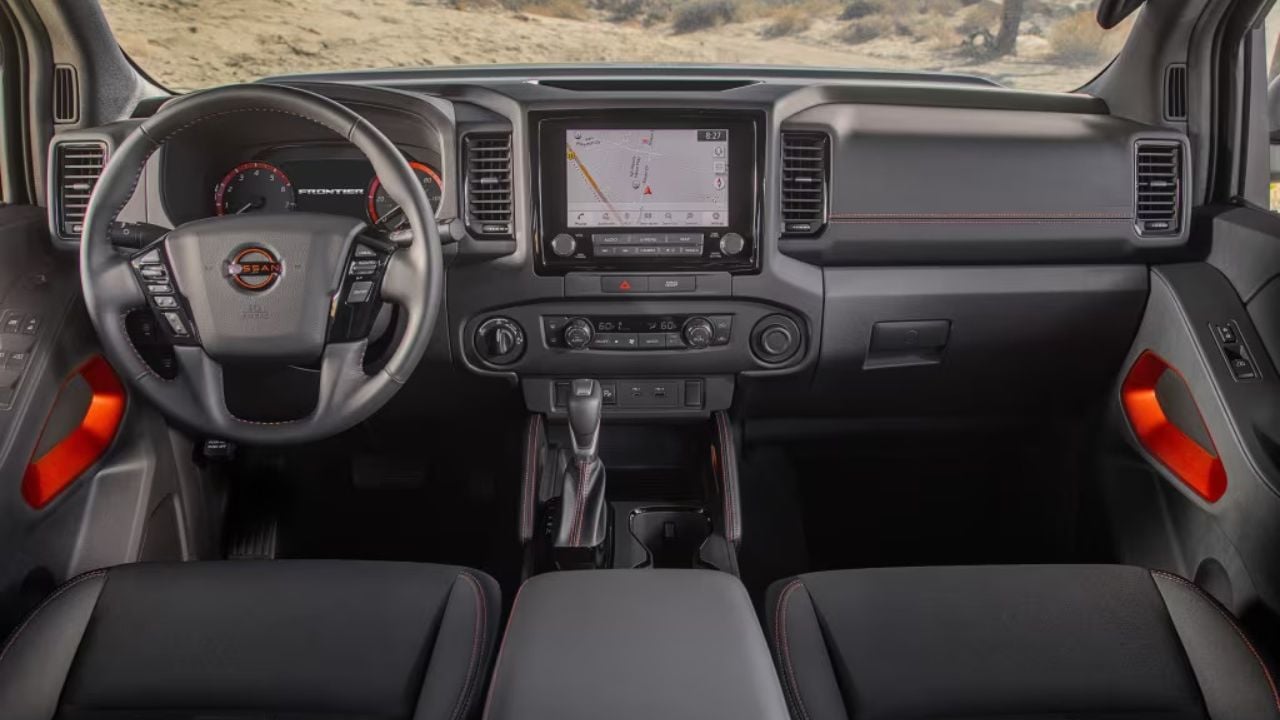
The challenges have not disappeared. Geopolitical tensions in the Middle East, unstable oil prices, and ongoing trade barriers remain serious problems for the entire auto industry.
Because of that, Nissan will continue its aggressive cost-cutting program and further simplify its business. Still, savings alone will not define the recovery.
The real key will be Nissan’s next generation of models. The company has high hopes for the new Juke, which should help bring European buyers back into Nissan showrooms.
At the same time, the next Rogue, known as the X-Trail in many markets, will play a central role in global sales growth.
Nissan Also Needs Its Identity Back
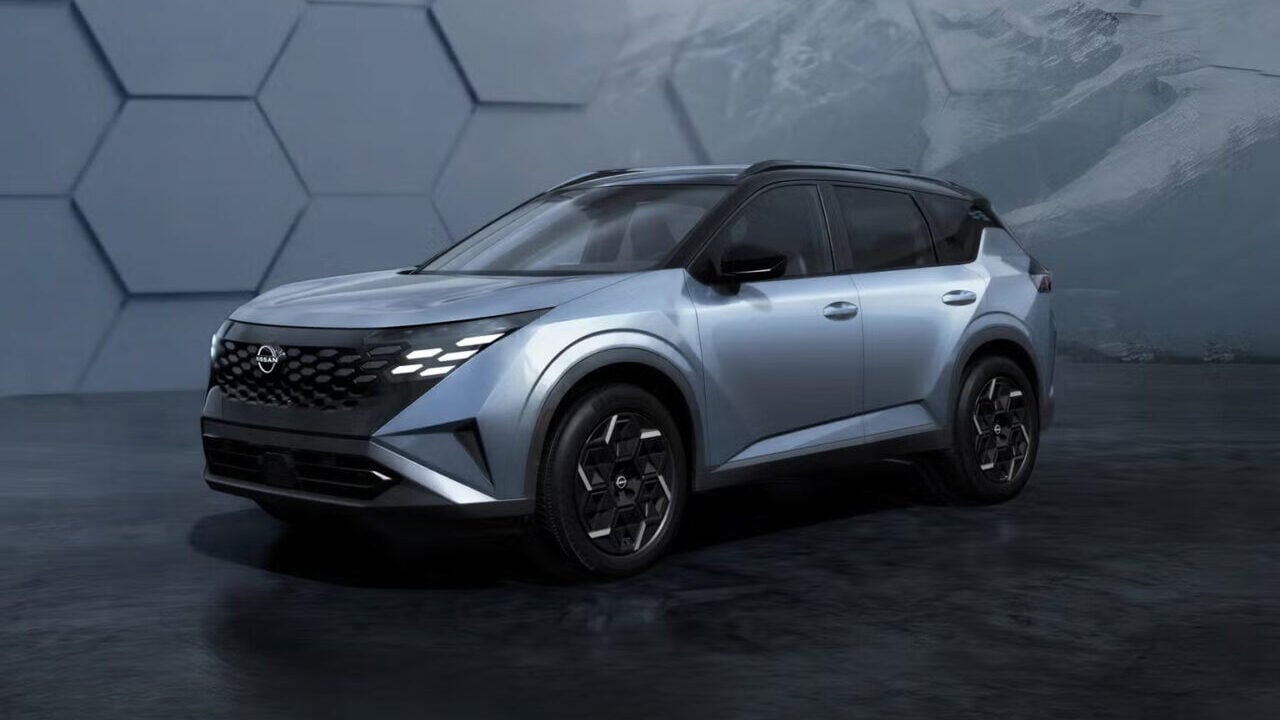
Nissan is also preparing region-specific models for different markets. Part of its Chinese production will be used for export, allowing the company to make better use of existing factory capacity.
Car fans are paying close attention to possible returns of famous nameplates. The Xterra is increasingly being discussed inside the industry, while the Skyline could return to global markets through Infiniti.
Those models could matter for more than financial recovery. They could also help Nissan rebuild some of the identity and recognition it has lost in recent years.
This article originally appeared on Autorepublika.com and has been republished with permission by Guessing Headlights. AI-assisted translation was used, followed by human editing and review.