
As a fan of JDMs, pop-up headlights, and wedge-shaped cars, I have to say that I like the Toyota MR2. However, for some reason, it never got the attention of other cars that fit those three categories. Driving enthusiasts and tuners have often overlooked it, which is a big shame. In fact, the W30 generation was my personal gateway drug into the glorious, slightly terrifying world of mid-engine, rear-wheel-drive platforms. From that moment on, I never looked back. My life officially peaked right there.
Despite its baffling lapse in mainstream popularity, the MR2 has quietly cultivated a well-deserved cult following. And frankly, they’re probably already sharpening their pitchforks that I’m even mentioning this car, because we, the enlightened few, vastly prefer the market to keep it hidden, affordable, and just plain undesirable to the masses. We like our secrets. So, if you’re not already an MR2 fan, or you think “mid-engine” means the engine is just, like, kinda in the middle, then by all means, scroll on. We’ll keep our little automotive conspiracy theory to ourselves.
But for those of you with an open mind and a healthy respect for proper driving dynamics, let’s pull back the curtain on this underappreciated gem. The Toyota MR2 had three distinct generations, each with its own quirky personality and fiercely loyal fanbase. So, for our new initiates, let’s start with the basics.
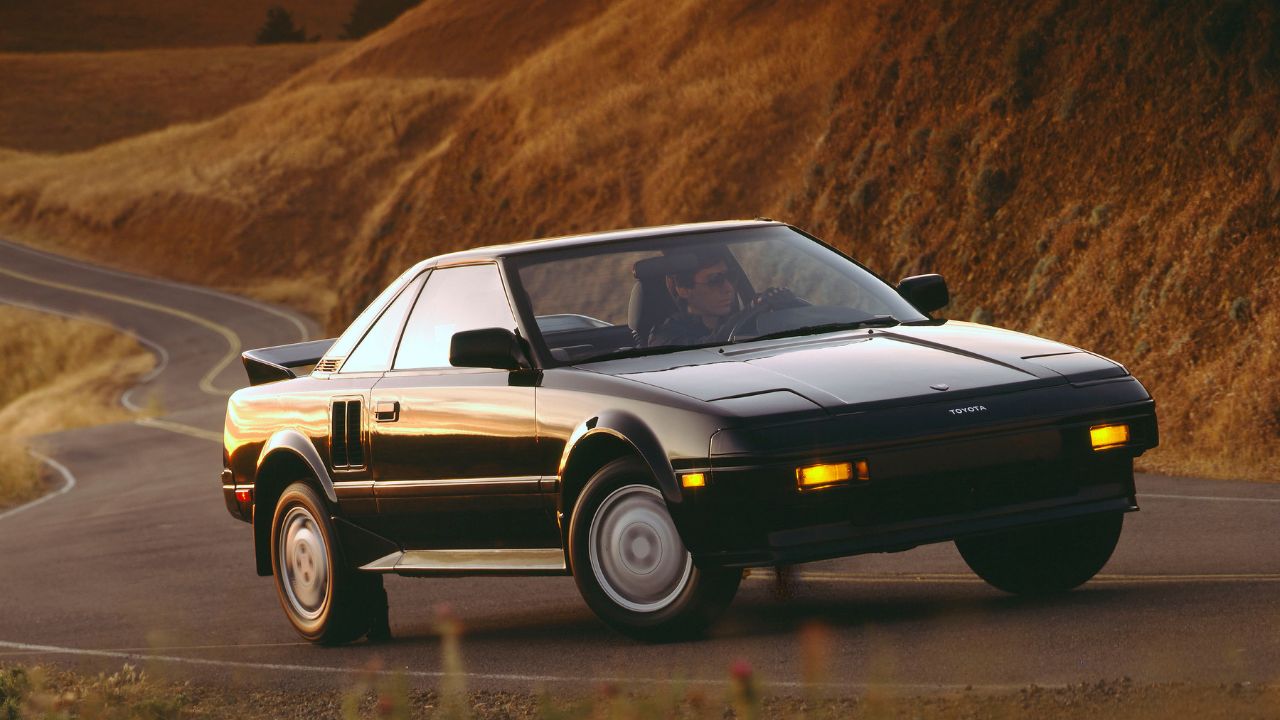
AW11 (1984–1989) – The Original Wedge

The first-gen AW11 MR2 looked like a 1:1 scale Hot Wheels car that escaped a blister pack and found its way onto public roads. Lightweight (curb weight is commonly cited around 2,300 lb, with some specs dipping closer to ~2,200 lb depending on year/market/equipment — lighter than a hearty breakfast these days!), aggressively angular, and packed with either the legendary 1.6L 4A-GE engine (the same one that made the AE86 Corolla famous) or the surprisingly punchy supercharged 4A-GZE engine.
This thing was all about nimble handling, razor-sharp reflexes, and pure ’80s flair, plus, of course, those gloriously mechanical pop-up headlights that made every drive feel like a scene from Knight Rider. It was basically a Japanese Lotus Europa, but without the questionable British electricals.
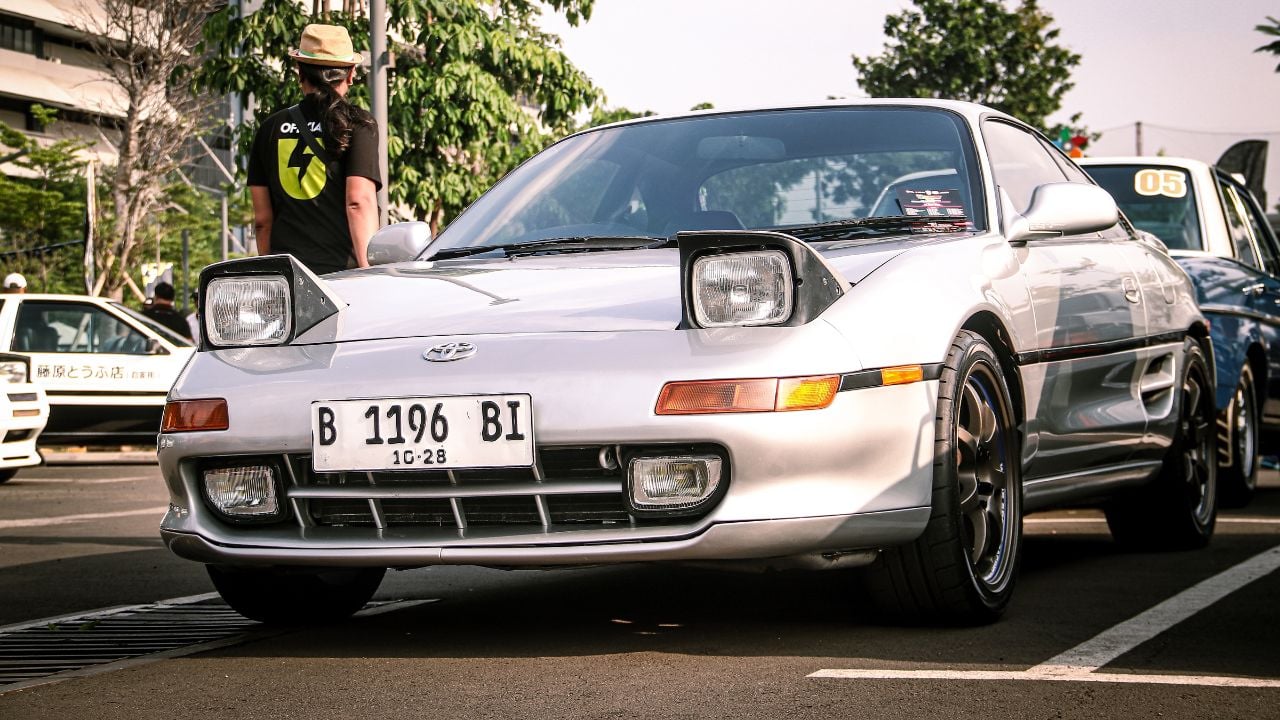
SW20 (1989–1999) – The Turbocharged Ferrari Lookalike
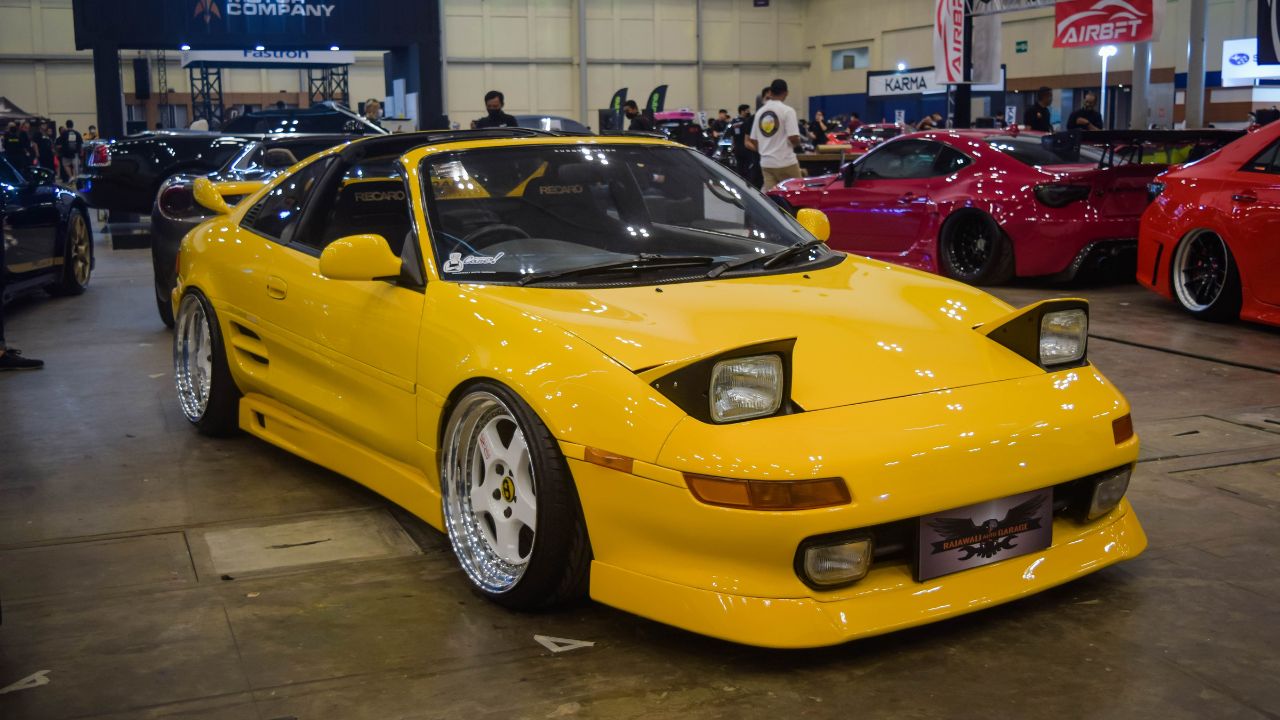
Then came the SW20, and man, did Toyota swing for the fences. This generation was heavier, curvier, and significantly more powerful. It packed the famed turbocharged 3S-GTE engine, rated at up to 245 PS (about 242 hp) in later JDM trims. This was serious firepower. The design drew heavy comparisons to the Ferrari 348, which meant you could technically tell your friends you drove a “Ferrari,” then watch their faces when they realized it was a Toyota. Classic!
It also gained a rather notorious reputation for snap-oversteer in early models, making it thrilling, terrifying, and tricky, often all at once. It’s the kind of car that taught you about weight transfer, whether you wanted to learn or not.
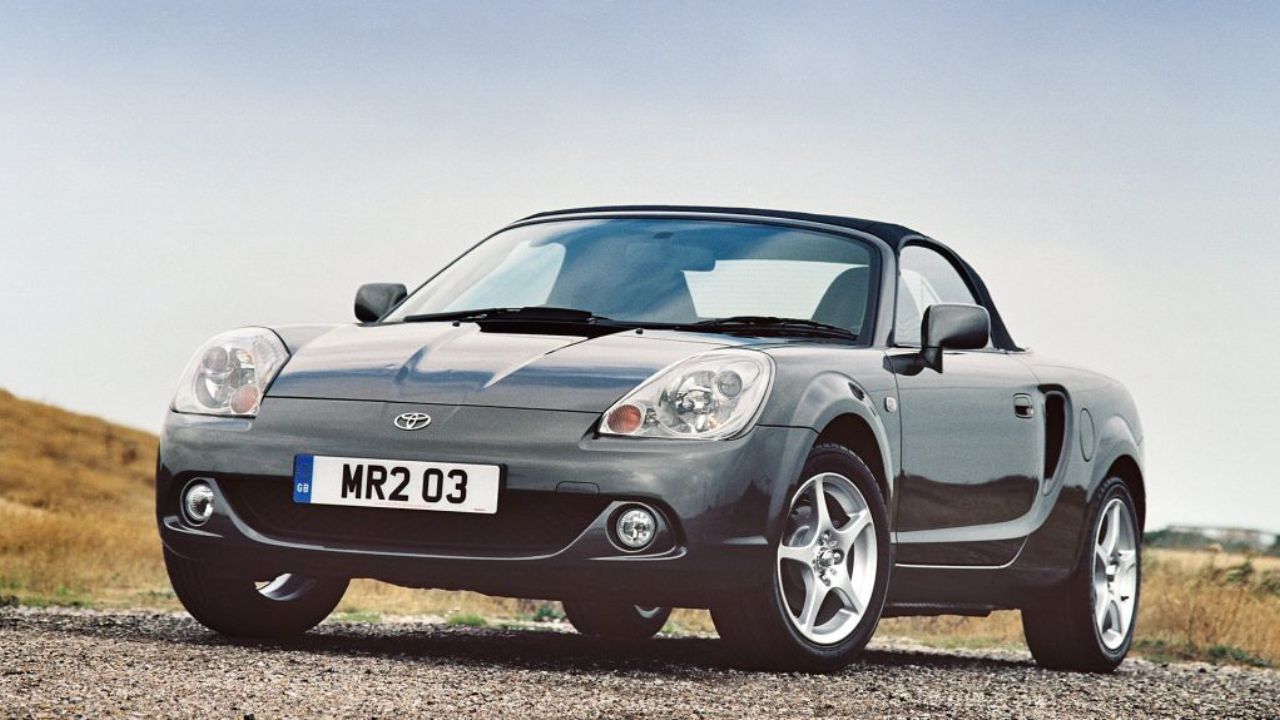
ZZW30 (2000–2007) – The Roadster Revival

Finally, we arrive at the ZZW30, known as the MR-S in Japan and the MR2 Spyder in the U.S. This final generation completely ditched the coupe design for a pure, unadulterated soft-top roadster experience. It sported a more modest 1.8L 1ZZ-FE engine (borrowed from the Corolla, so you know it’s reliable… mostly) and fiercely emphasized agility and weight savings, tipping the scales at 2,195 lb (U.S. curb weight for the manual).
It famously lacked a turbo and practically any storage space (good luck carrying more than a toothbrush), which certainly divided the fanbase. But as its proud former owner, let me tell you, this little gem always had a special place in my heart. It was raw, immediate, and as pure a driving experience as you could get for the price of a decent used Civic.
Now, let’s dive into why these underdogs are secretly the automotive champions you should be worshipping.
Mid-Engine Magic
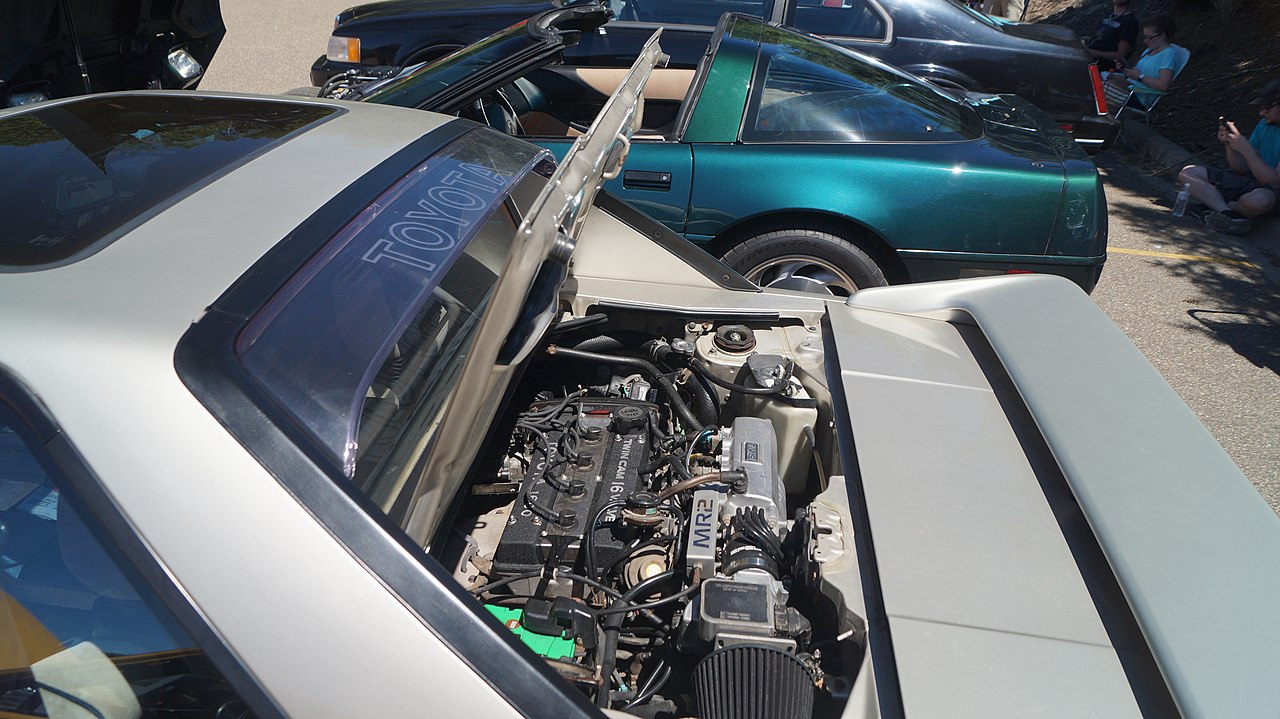
The MR2’s biggest flex has always been its mid-engine layout. This isn’t just a party trick; it’s a fundamental design choice usually reserved for cars with names like “F-” or “Lamborghini-” attached to them, not affordable Toyotas found lurking in community college parking lots. With the engine tucked neatly behind the seats and power going to the rear wheels, the MR2 gives you that pure, unadulterated driving feel, balanced, responsive, and just a little bit dangerous if you get cocky. It’s like a finely tuned surgical instrument, but with a tendency to bite if you misuse it.
This layout earned the car instant street cred with enthusiasts and track junkies alike. Whether you’re carving up twisty backroads or desperately trying to hit that perfect apex on a budget at a local track day, the MR2 gives you the kind of handling that makes you feel like you’re auditioning for a Gran Turismo cover.
Just maybe don’t push too hard in the rain, especially if you’re in an early SW20. It’ll teach you physics lessons faster than a college textbook, usually sideways.
Three Generations, Three Personalities

The MR2 didn’t just stick around; it reinvented itself with each passing decade, like a rock band trying to stay relevant. The AW11 was angular and sharp, looking like something a Decepticon would drive to high school, probably with a mullet. The SW20 famously looked like a knockoff Ferrari 348 (the “poor man’s Ferrari,” as some snobs would say, before the turbo kicked in and left them in a cloud of dust), and it certainly had the power to back up those exotic looks with its turbocharged 3S-GTE engine. Then there’s the ZZW30 Spyder, my old ride, which stripped things down to the bare essentials, focusing on featherweight fun and proving that less can indeed be more (except when it comes to trunk space).
Each generation has spawned its own fiercely loyal cult following within the larger MR2 fandom. The AW11 lovers are the ’80s purists, probably still listening to New Wave on cassette. The SW20 crowd lives for turbo spools, blow-off valve noises, and T-tops. And the Spyder fans (myself included, thank you very much) love the purity of a top-down, analog roadster that fits like a glove.
It’s like Pokémon, you never forget your first one, and you’re always trying to justify owning another one, or all three, to your significant other. “Honey, it’s an investment!”
Lightweight, Always
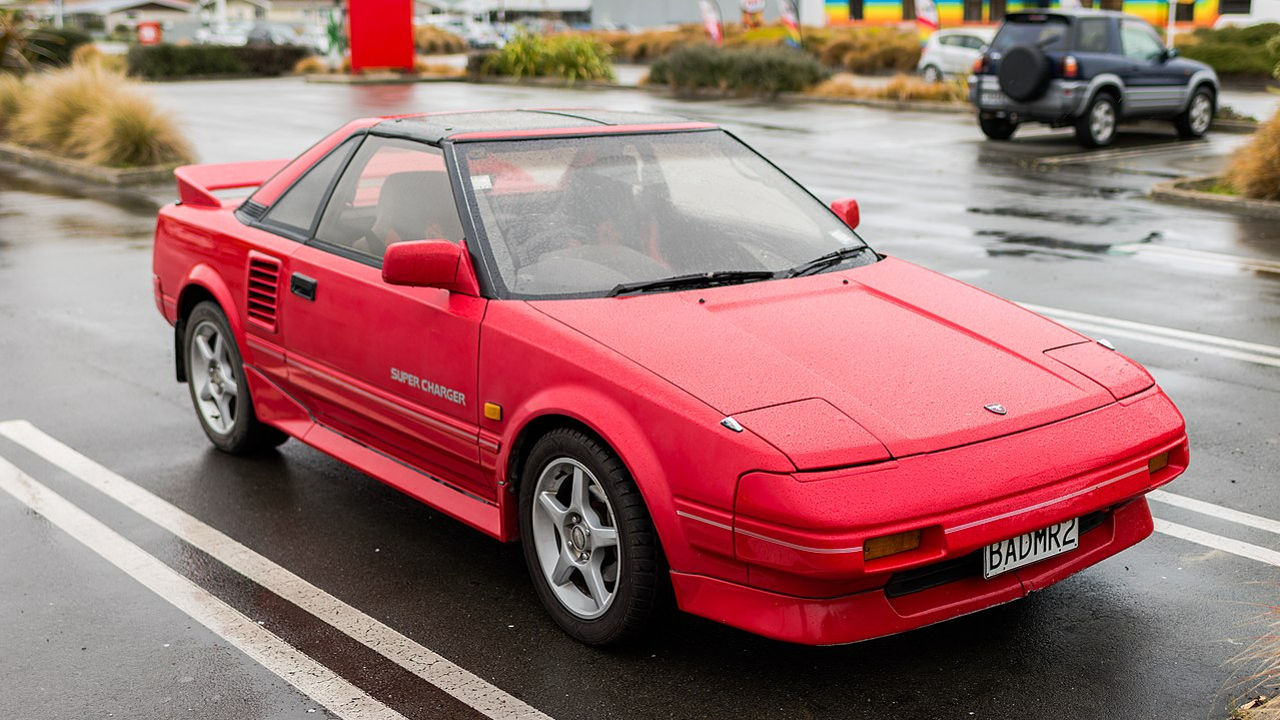
No matter the generation, the MR2 always kept its weight in check. This isn’t some bloated SUV pretending to be a sports car. Even the “heaviest” MR2s, the SW20 Turbos, are often cited around ~2,800 lb (about 1,270 kg), but weights vary by year, market, and options. And the Spyder? That thing swung the pendulum all the way back, clocking in at under 2,200 pounds!
What does that mean for you, the discerning driver? It means snappy cornering, quick reflexes, and a car that actually rewards smooth inputs, not just brute force. In a world crammed with 4,000-pound “sports sedans” that handle like beached whales, driving an MR2 feels like switching from a massive, laggy flat-screen TV to a vintage arcade machine. It’s smaller, simpler, and way, way more fun to master.
Plus, when your car weighs less than a U-Haul trailer, every single horsepower feels like it truly matters, giving you a proper punch-to-weight ratio.
Turbocharged Street Sleeper

The second-gen MR2 Turbo (SW20) didn’t mess around. With its legendary 3S-GTE motor borrowed from the rally-bred Celica GT-Four, it packed serious, legitimate heat. We’re talking 0–60 mph in about 6.0–6.1 seconds in commonly published figures, depending on spec and conditions, which was genuinely quick for the ’90s, and frankly, still respectable enough today to upset a few modern “performance” cars.
Even better, it didn’t look like a rocket ship, just a sleek little coupe that Ferrari probably sued over. Unless you knew exactly what that “Turbo” badge meant, or saw the intercooler peeking out, you’d assume it was just another cute, reliable Toyota. Meanwhile, it was quietly, ruthlessly handing unsuspecting Lancers and Mustangs their pride in stoplight duels.
The SW20 Turbo was the ultimate sleeper in sunglasses, a true wolf in sheep’s clothing, ready to embarrass anyone who underestimated it.
Pop-Up Headlight Coolness
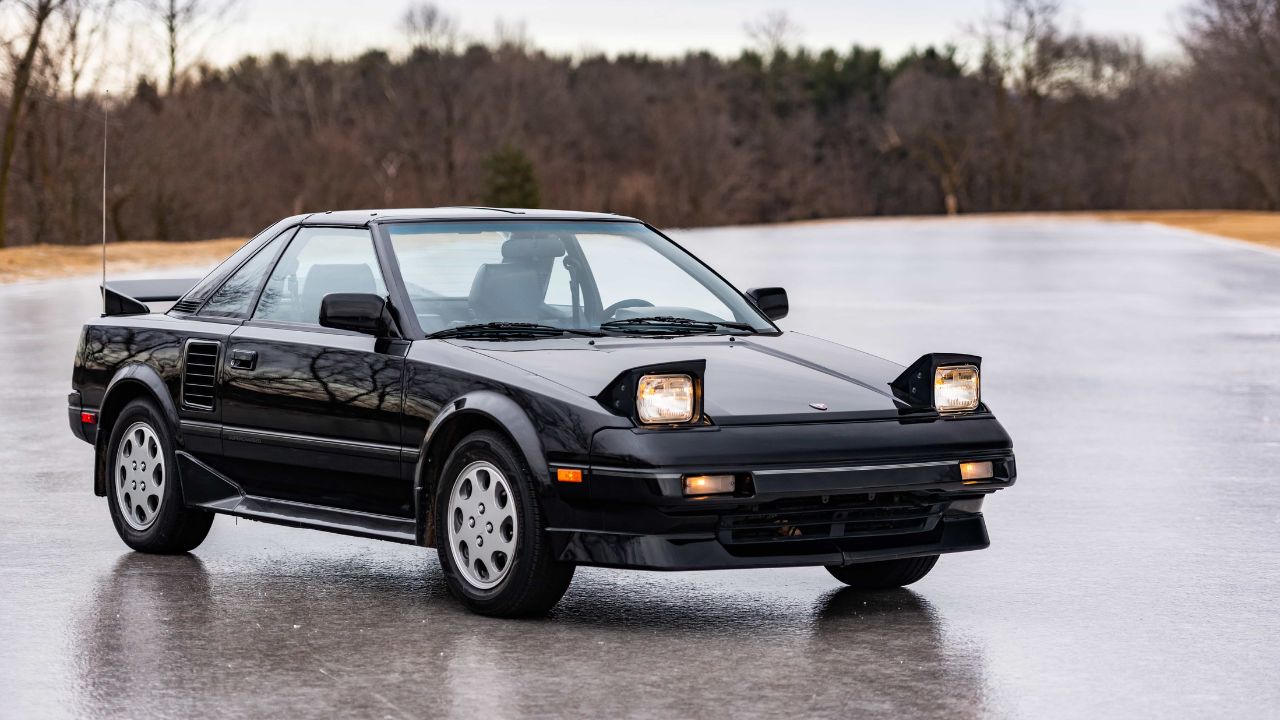
Let’s be honest, as I always am, cars were just objectively better when they winked at you. The AW11 and early SW20 MR2s had the kind of pop-up headlights that made every single drive feel like an ’80s movie montage was about to kick in. They were cool, they were mechanical, and somehow, they aged way better than you’d expect for something that sounds like a mechanical eyelid slowly creaking open.
Pop-ups are mostly gone now, not outright banned, but made increasingly impractical by evolving safety standards, aerodynamics, cost, and modern headlight packaging. They’re a relic of a more expressive automotive era. But every true MR2 fan still lights up (literally, if the car is running) when they see those sleepy lids rise.
It’s the automotive equivalent of a perfect mixtape: low-tech, kinda clunky, but absolutely overflowing with character and nostalgia. Don’t listen to anybody who says this feature is overrated.
Looks That Hold Up

Even decades later, after countless design trends have come and gone (remember the “jellybean” era?), the MR2 still turns heads, and not just because it’s an oddity. The AW11 has that retro-futuristic wedge shape straight out of a Blade Runner concept art book. The SW20 could genuinely pass for a baby Ferrari if you squint just right and stand in the perfect lighting. And the Spyder? It’s got the kind of simple, clean, unpretentious lines that make you wish more modern convertibles looked like toys for grown-ups instead of angry, amorphous blobs.
You don’t have to squint to appreciate the proportions, either. With its super short overhangs, impossibly low roofline, and an aggressive stance that gave us too much confidence on corners, the MR2 always looked fast just standing still. It’s a design that never tried too hard to be edgy or futuristic, and that’s precisely why it still works today, looking just as good on a poster as it does on the road.
Toyota Reliability (With Caveats)
It’s easy to forget amidst all the revving, midship madness, and tales of snap-oversteer, but the MR2, at its core, is still a Toyota. That means, generally speaking, parts availability is surprisingly good, repair costs are often reasonable (at least compared to, say, an actual Ferrari), and the engine won’t spontaneously combust if you forget an oil change by a couple of hundred miles. This is especially true if you’re not running some wildly modified, boost-happy SW20 build that drinks race fuel like it’s water.
Sure, the mid-engine layout can make maintenance tricky. Trying to change spark plugs on a Spyder isn’t exactly a five-minute job; it’s more like a yoga session for your arms. But compared to most actual sports cars with similar performance and layout, the MR2 is laughably easy to live with and maintain.
You’ll actually spend more time driving than wrenching, and for any true car enthusiast, that’s always the ultimate goal.
DIY Wrenchability
Yes, the engine’s behind you. Yes, it’s tighter in there than a pair of skinny jeans on Thanksgiving, but the MR2 community, God bless ’em, has turned wrenching on these cars into an art form. YouTube is overflowing with step-by-step walkthroughs, enthusiast forums have diagrams dating back to the dial-up modem era, and someone’s probably already posted a meticulously detailed how-to for your exact problem, probably written in all caps and complete with ASCII emojis.
MR2 ownership rewards the kind of person who’s not afraid to get their hands dirty, curse a bit, and spend a Saturday afternoon contorting themselves into impossible positions. It’s a DIY dream for those who like a challenge, and once you’ve done one job in that notoriously cramped engine bay, everything else in life feels oddly manageable, like assembling IKEA furniture or figuring out your taxes.
You’ll emerge a stronger, more flexible human.
JDM Culture Icon
The MR2 has always been an integral, if slightly overshadowed, part of the larger JDM car movement. It might not have the ubiquitous street cred of the Skyline, the rotary wail and anime fame of the RX-7, or the Supra’s “fast and furious” celebrity, but it earned its stripes quietly, effectively, and usually sideways. From Option magazine videos to stealthy cameos in “Initial D,” it’s been lurking in the background, quietly showing up and outperforming when the big names stumble or get stuck in traffic.
And now, with ’90s JDM legends costing more than some houses, the MR2 is having a bit of a well-deserved resurgence. People are finally realizing that the MR2 deserves a solid spot in the JDM pantheon. It’s a perfect symbol of that era, quirky, clever, and surprisingly quick when you least expect it.
It’s the smart, cool kid who didn’t brag, but silently aced all the tests.
Motorsport Pedigree

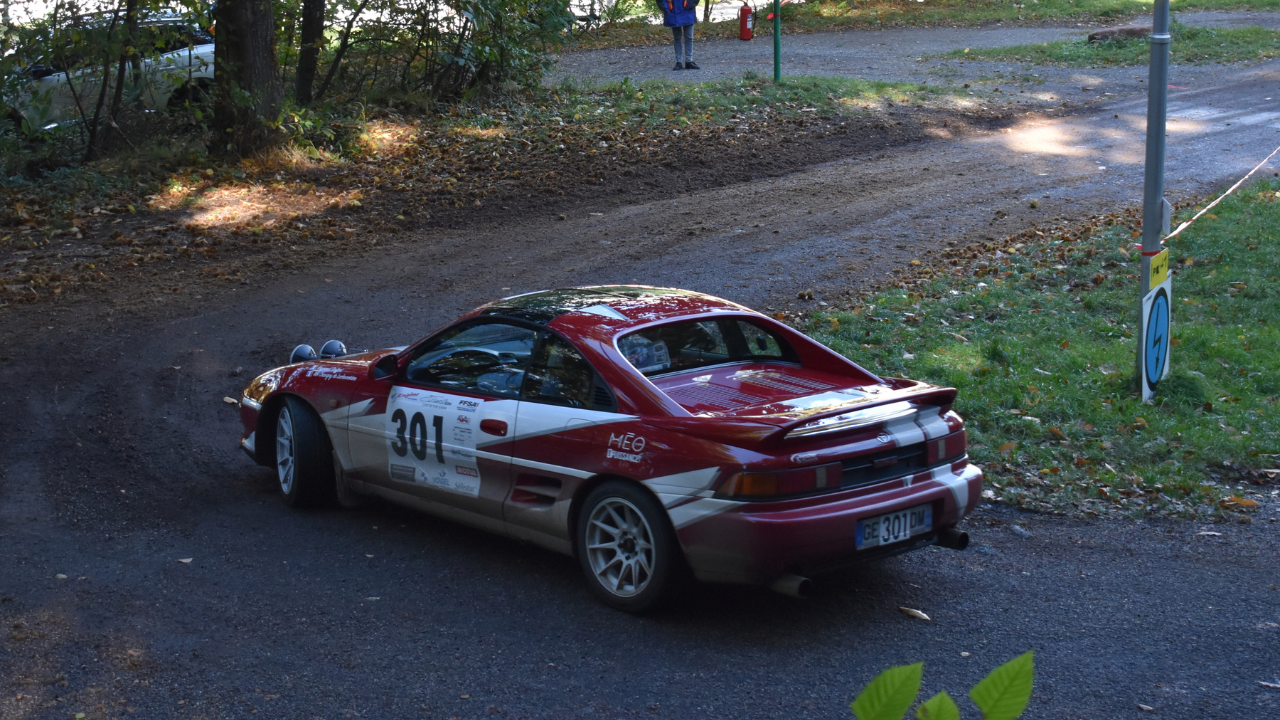
You might not see it dominating NASCAR, but the MR2 has had plenty of legitimate track time. From grassroots autocross events where cones fear its presence, to meticulously built time attack machines, and even surprisingly capable rally stages, it’s proven itself to be a legit platform for serious competition. The inherently balanced chassis and lightweight nature give it a huge advantage in corners, allowing it to dance around heavier, more powerful cars.
Plenty of aspiring race drivers learned advanced car control in an MR2, mostly because they had to. With the mid-engine layout, aggressive throttle lift-off mid-corner could make things very exciting, very fast, and very sideways. If you could master it, though, you could absolutely embarrass cars with twice the horsepower and ten times the price tag.
It’s the ultimate “David vs. Goliath” story on four wheels.
Affordable Mid-Engine Experience

Think about how many mid-engine cars you can actually afford without selling a kidney, or perhaps a minor organ. Go on, I’ll wait. Not many, right? The MR2 is your golden ticket. It gives you that exotic, balanced, direct mid-engine layout for a mere fraction of the price of anything European, and you don’t have to live in perpetual fear of your mechanic’s next invoice. You can actually sleep at night.
Even with prices on classic JDM cars rising faster than my blood pressure at a traffic jam, the MR2 is still surprisingly accessible. It gives you a real, undiluted sports car experience without the six-figure buy-in or the legendary Italian repair bill that makes you consider a second mortgage.
That’s a huge part of why the cult is growing, once people actually drive one, they get it. They understand the secret handshake.
Discontinued, But Not Forgotten

Toyota hasn’t made a new MR2 since 2007, and that simply adds to its legend. Rumors of a reboot surface every few years, causing collective sighs of both hope and dread, but the original three generations are holding the line like a JDM version of the Ghostbusters, defending their legacy. No modern replacement, for all its tech and bland efficiency, has captured the same raw, unfiltered spirit.
Because it ended its run without a true, spiritual successor, the MR2 feels like a time capsule. Every single one of them is a snapshot of a moment when Toyota, usually the master of sensible appliances, was still willing to build something purely for the love of driving, purely for the enthusiast.
And that makes every remaining example even more special, a rare gem in a sea of boring crossovers.
It’s a Driver’s Car, Through and Through
At the end of the day, that’s what keeps people coming back, that’s why the loyalists defend it with religious fervor. The MR2 isn’t just a car; it’s a conversation. It’s a machine that rewards skill, encourages connection between human and machine, and absolutely refuses to coddle you with electronic nannies. There’s no room for ego, no autopilot to save you from your own mistakes. It asks you to pay attention, use both hands on the wheel, listen to its feedback, and drive like you truly mean it.
And when you do, it delivers something truly magical. It might not be the fastest car off the line, or the flashiest thing at the car meet (unless it’s a bright yellow SW20 Turbo), but it gives you that rare, exhilarating feeling of being part of the machine, of dancing with the chassis, of conquering corners.
For a car built to be fun and affordable, that’s a pretty incredible legacy to leave behind, isn’t it?
A Quiet Driving Legend
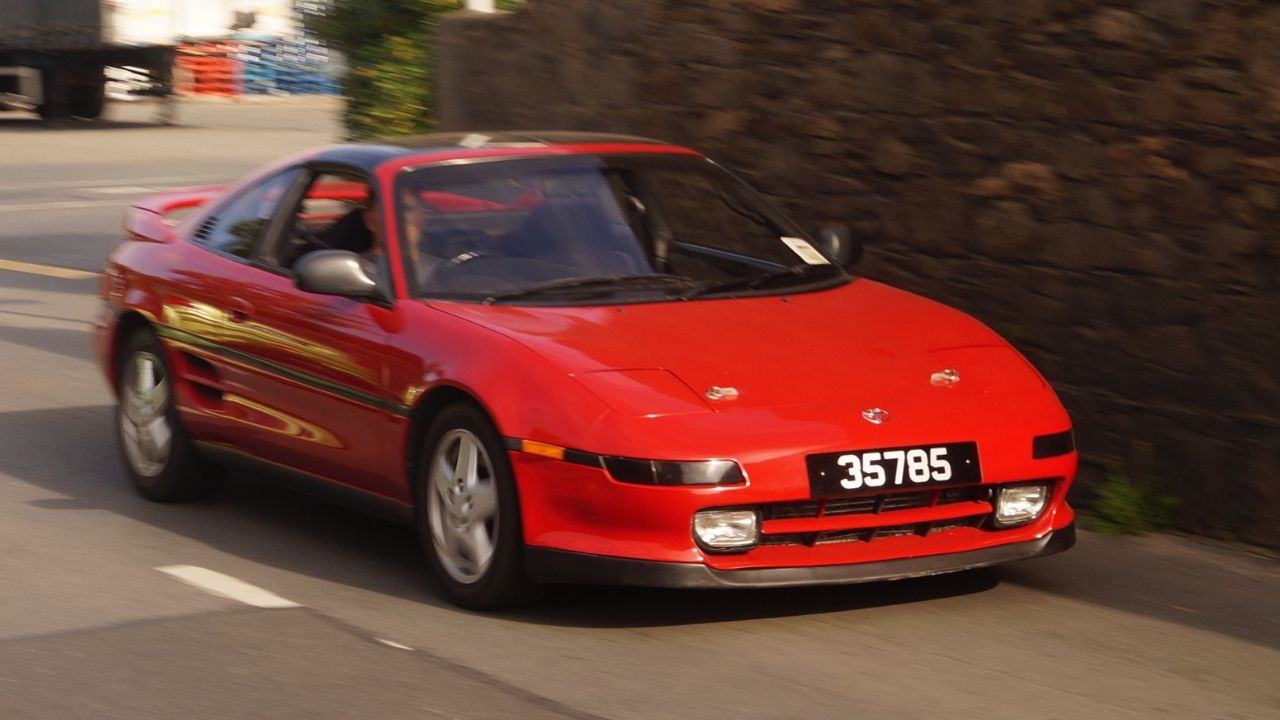
Despite so many valid, undeniable reasons to fall head over heels in love with the Toyota MR2, it still never quite managed to rise up to the mainstream popularity that, in my humble (but correct) opinion, it truly deserved. On the other hand, though, that keeps the market reasonable for those of us who watched other driving icons, like the Acura NSX and Toyota Supra, hit the ceiling with prices that could buy you a small house. So maybe, just maybe, its obscurity is actually a good thing for those of us in the know.
Full disclosure: I now own a Lotus Elise and Evora, which are essentially the MR2’s eccentric British cousins who drink tea and eat crumpets while casually carving canyons. But let me tell you, my love for the MR2 and its foundational place as my first mid-engine car will never, ever go away. It’s like your first true love, but with less heartbreak and more horsepower.
Still, if you had to ask for my honest, unbiased recommendation on the best driving, cheap, and surprisingly affordable-to-maintain mid-engine platform out there, my answer would always, always be a resounding: Toyota MR2. Now go out there and find one before the secret gets out… completely.