The Porsche 911 is one of the safest names in the collector car world. It has motorsport history, daily usability, strong parts support, generations of specialist knowledge, and a buyer base that never really disappears.
That strength creates a problem for collectors looking beyond the obvious move. Many desirable 911s have already been discovered, priced, tracked, and chased for years. The best cars still matter, but the easy part of the market is long gone.
That is why analog supercars and near-supercars are pulling more attention. Gated manual gearboxes, naturally aspirated V8s and V12s, hydraulic steering, simple cabins, low production numbers, and pre-touchscreen interiors are getting harder to replace with every new model cycle.
The cars below are not here because they are cheap. They are here because collectors are paying more attention to machines that still make the driver work: open gates, heavy clutches, unfiltered engine sound, physical controls, and powertrains that feel connected to the person behind the wheel.
Where Analog Value Is Moving Fastest
This selection focuses on analog supercars and near-supercars with visible collector demand, real U.S. market availability, and a clear mechanical identity. Rarity alone was not enough. Each car needed a driver-focused reason to be here.
Manual transmissions, naturally aspirated engines, hydraulic steering, low production numbers, major brand significance, and rising auction or private-sale visibility all mattered. The Porsche 911 is used as the benchmark, not as a claim that every car here beats every rare 911 variant.
Hagerty valuation trend data shows why that benchmark is so high. Its Porsche data shows 1990 to 1994 911/964 values up 69% over five years, while 1995 to 1998 993 values are up 42% from 2020. That makes it harder for anything outside the 911 world to look genuinely underappreciated.
The cars below make the case anyway. They come from a period when supercars and high-end driver’s cars still relied on manual gearboxes, naturally aspirated engines, visible controls, and a more physical relationship between car and driver.
Ferrari F355 Manual
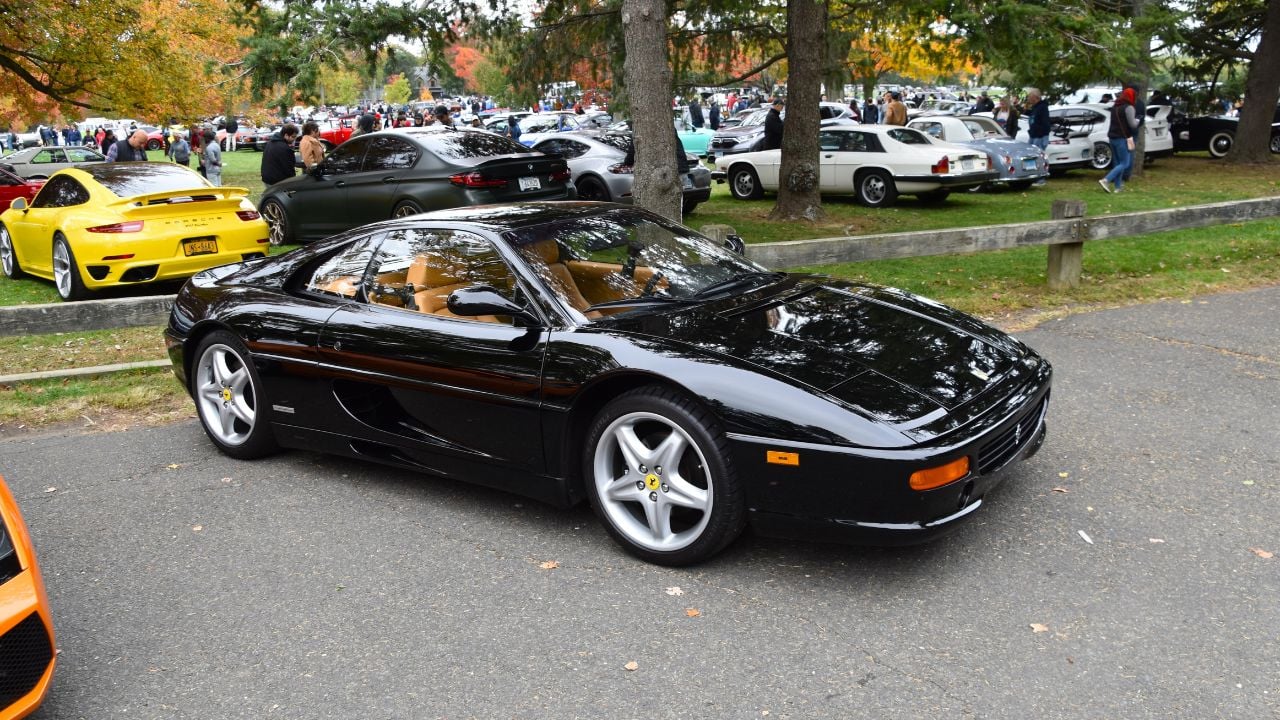
The Ferrari F355 manual has become one of the clearest examples of rising analog-supercar demand. It has the compact mid-engine shape, pop-up headlights, open-gate shifter, and high-revving V8 sound that collectors now separate sharply from later, more automated Ferraris.
The appeal starts with the 3.5-liter naturally aspirated V8. It revs high, sounds sharp, and gives the F355 a lighter, more delicate personality than the larger mid-engine Ferraris that followed.
Hagerty UK named the F355 its Gold Index Pick for 2025 and highlighted the 1994 to 1999 F355 on its 2025 Bull Market List. Classic.com data also shows how clearly buyers value the manual cars, with manual F355 Berlinetta examples sitting well above comparable F1-gearbox Berlinettas in recent listings and market activity.
That manual premium explains the market story. Buyers are not chasing the F355 only because it is a pretty 1990s Ferrari. They are chasing a gated-shifter V8 Ferrari with pop-up headlights, hydraulic steering, compact proportions, and a soundtrack newer cars cannot recreate in the same way.
Lamborghini Diablo
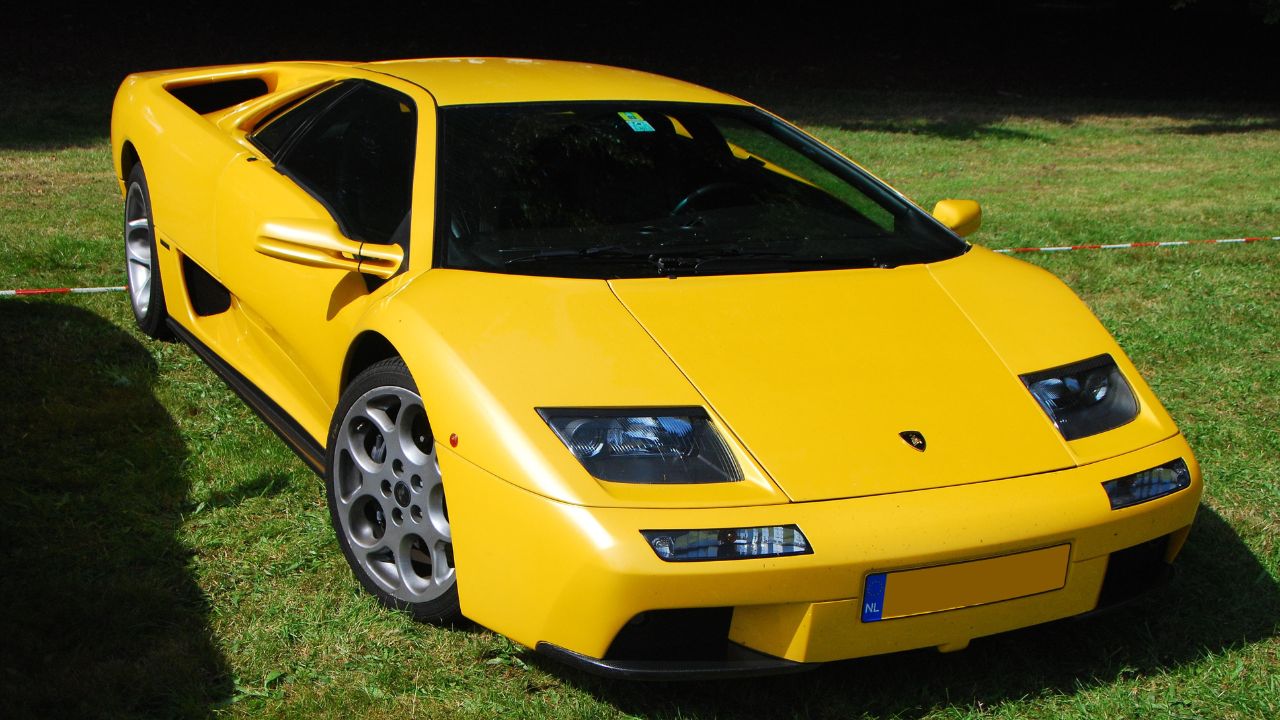
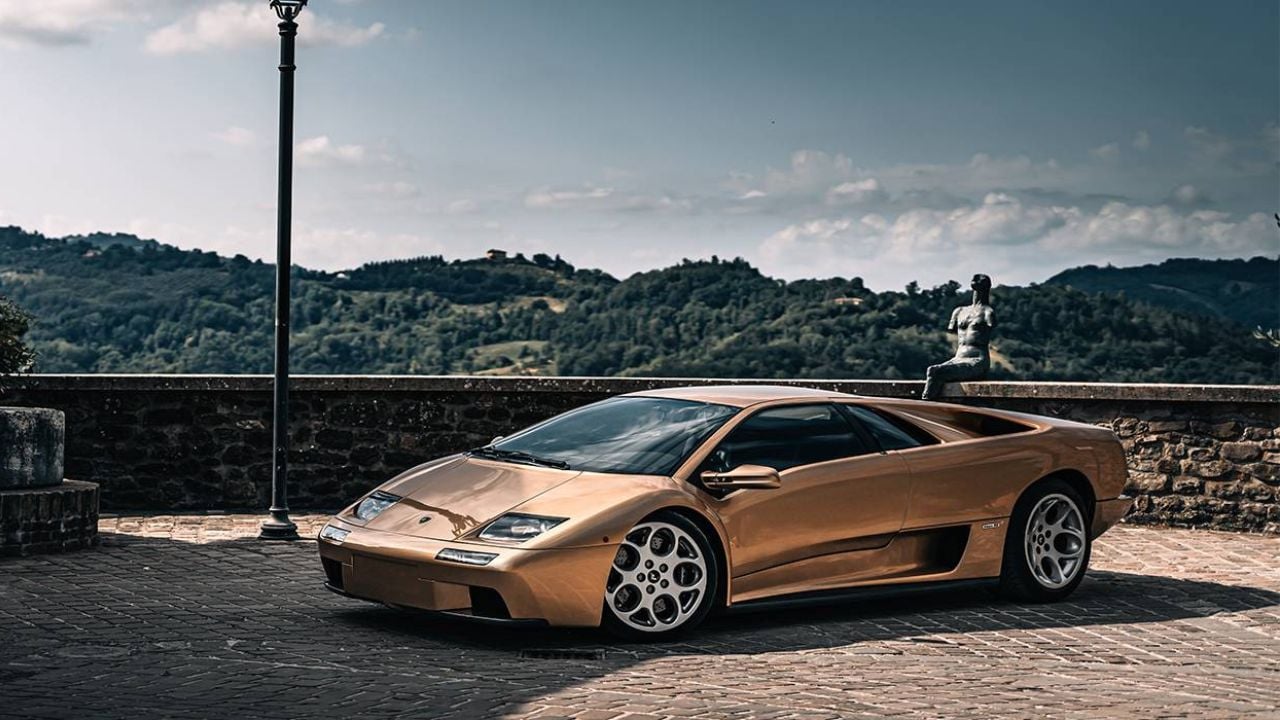
The Lamborghini Diablo has moved beyond poster-car nostalgia. For years, it sat slightly behind the Countach in cultural mythology and behind newer Lamborghinis in usability. That gap has narrowed as collectors have come back to the raw V12 cars.
Hagerty reported in January 2026 that median condition #2 Diablo values were up 90% since 2019. Classic.com currently shows an average Diablo sale price around $389,000, with the highest recorded sale at $1,627,500 for a 1994 Diablo SE30 in February 2026.
The numbers make sense once the car is viewed as the last brutally physical chapter before Lamborghini became cleaner and more polished. The Diablo still has huge width, a low cabin, heavy controls, a V12 behind the seats, and the kind of visibility and driving position that demand attention every mile.
It is not collectible because it is easy. It is collectible because it is dramatic in ways modern supercars usually avoid. A clean Diablo gives buyers a Lamborghini that still feels intimidating, mechanical, and visually extreme before the engine even starts.
Ferrari 550 Maranello
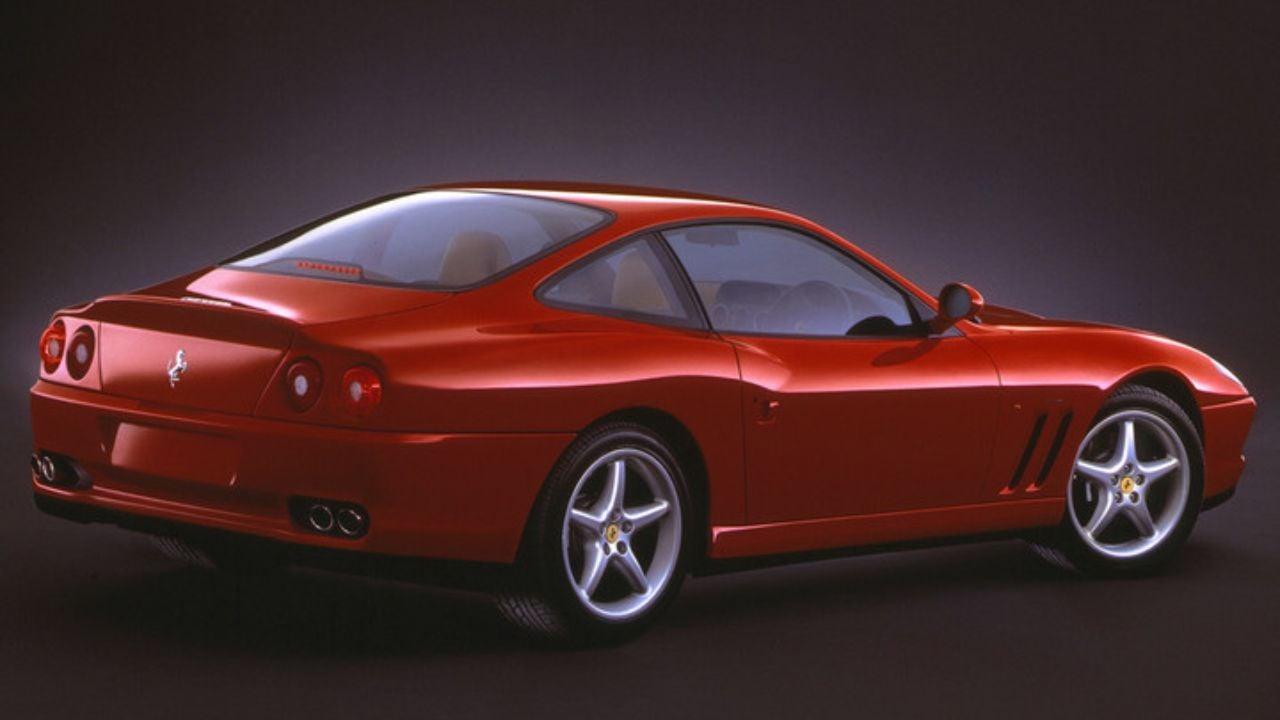
The Ferrari 550 Maranello has become harder to ignore because collectors have stopped treating front-engine V12 Ferraris as secondary characters. The 550 has the ingredients the market now wants: a naturally aspirated 5.5-liter V12, rear-wheel drive, a 6-speed manual gearbox, elegant proportions, and real long-distance usability.
Hagerty lists the 2000 Ferrari 550 Maranello at about $200,000 in good condition, with a recent value increase of 7.5%. The same Hagerty overview notes that Ferrari built 3,083 550 Maranellos from 1996 through 2001, all with 6-speed manual gearboxes.
That production detail matters because manual V12 Ferraris have become their own collector language. The 550 gives buyers that experience in a car that can cover distance, carry luggage, and feel composed rather than constantly theatrical.
The 550’s strength is balance. It has enough performance to feel serious, enough comfort to be used, and enough mechanical involvement to stand apart from newer paddle-shifted grand tourers. The market has noticed because Ferrari will not build this exact formula again.
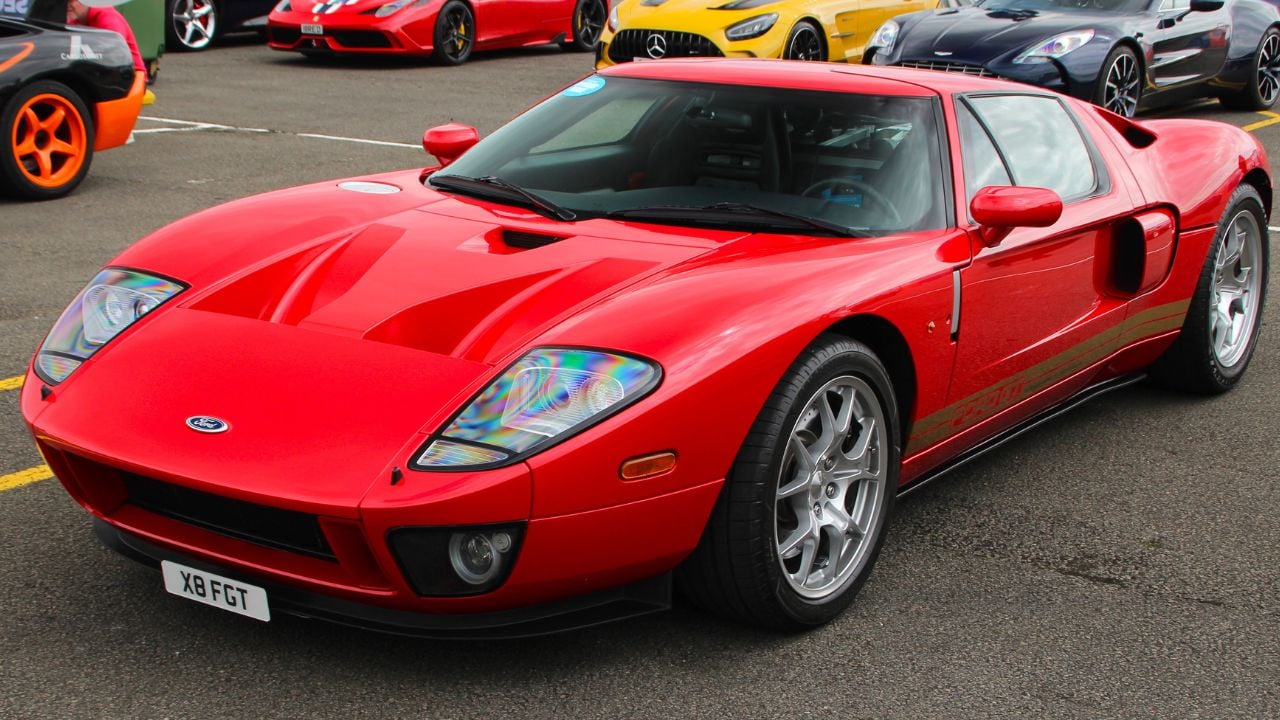
2005 to 2006 Ford GT

The first-generation Ford GT arrived with the collector story already built in. It had GT40-inspired styling, a mid-mounted supercharged V8, a 6-speed manual gearbox, aluminum-intensive construction, and a direct connection to Ford’s Le Mans mythology.
Hagerty’s valuation tool currently shows a typical 2005 Ford GT around $408,000 in good condition. Classic.com lists the first-generation Ford GT average sale price around $476,000 and records a $1,320,000 high sale for a 2006 Heritage Edition in January 2026.
The Ford GT works because it combines a famous shape with a very physical driving experience. It is low, wide, loud, and mechanical, with a manual shifter and supercharged torque instead of hybrid assistance or software-managed silence.
It never needed nostalgia added later. Ford built the car around one of the most important American racing stories, then gave collectors a road car that still feels raw compared with many modern exotics. Clean, original, low-mile examples have become exactly the kind of analog supercar buyers keep chasing.
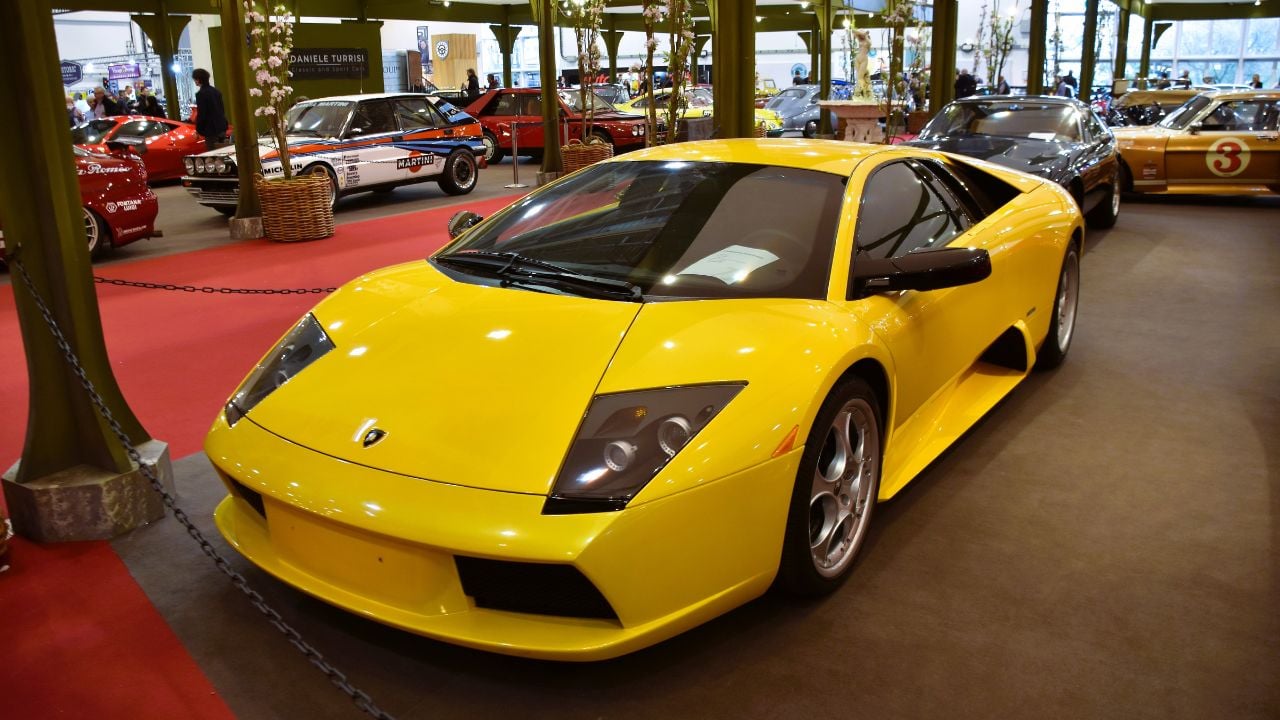
Lamborghini Murciélago Manual
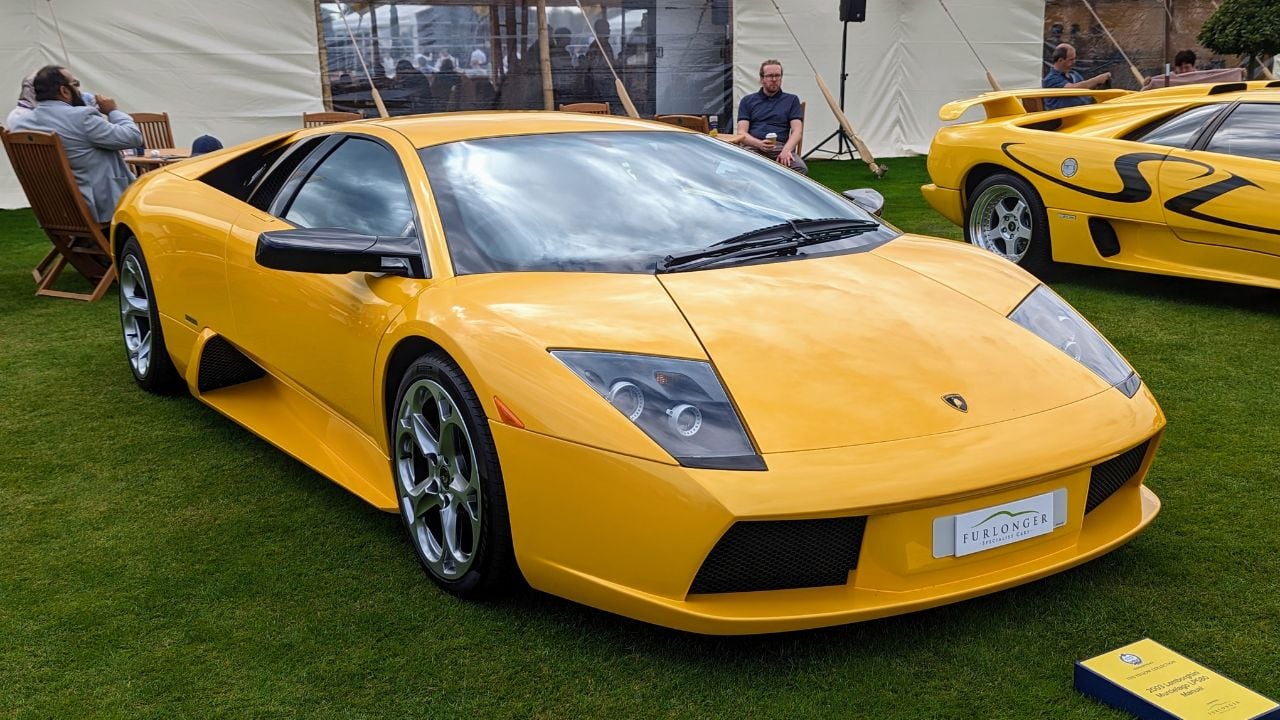
The manual Lamborghini Murciélago sits at the end of an important era. It was the last Lamborghini V12 flagship offered with a traditional gated manual, and that single detail now changes the way collectors separate the best cars from the rest.
Classic.com currently lists the overall Murciélago average sale price around $330,000, but the manual-versus-automatic split tells the more important story. Its data shows base manual cars well above base automatic cars, and LP640 manual cars far above LP640 automatics.
The gap is especially clear in the LP640 market. Classic.com shows the LP640 manual benchmark around $642,000, compared with about $271,000 for LP640 automatic cars. Manual roadsters also sit far above automatic roadsters in current market benchmarks.
The reason is not only rarity. The Murciélago already has the V12, the scissor doors, the low seating position, and the old Lamborghini silhouette. With a gated manual, it becomes something modern Lamborghini no longer sells: a flagship V12 supercar that makes the driver physically take part in the drama.
Why the Market Still Chases the Mechanical Cars
Modern supercars are faster than ever, but speed alone does not create the same collector hunger it once did. Launch control, instant shifts, all-wheel-drive traction, turbocharged torque, and hybrid assistance have made huge performance more repeatable and less intimidating.
That makes the older mechanical cars feel more distinct. The F355 manual gives buyers a compact gated Ferrari with a high-revving V8. The Diablo keeps Lamborghini’s raw V12 era alive. The 550 Maranello gives collectors a manual front-engine Ferrari V12. The Ford GT combines American racing history with supercharged manual power. The Murciélago manual closes the book on the gated V12 Lamborghini flagship.
The 911 will always matter, and the best examples will always have buyers. These cars are different because their exact formulas are no longer being repeated. New supercars may be quicker, safer, and easier to drive, but they rarely ask for the same level of physical participation.
That is what collectors are paying for: not only speed, rarity, or badge prestige, but the feel of a clutch pedal, a metal gate, a naturally aspirated V8 or V12, hydraulic steering, and a car that still makes the driver part of the performance instead of a passenger to the software.