

Last Sunday, people were asked how much pain at the gas pump would they take before switching to electric. In other words, what’s your pain threshold before you can’t take it anymore? It was a survey, and while the responses were beyond revealing, they were mostly, typically American
A simple question posed to EV enthusiasts has produced results that say as much about psychology as they do about fuel prices.
The premise was straightforward: how expensive would gasoline need to become before even the most committed internal combustion loyalists finally consider switching to electric vehicles?
After more than 2,800 responses, the answers paint a picture that, while revealing, was notably unsettling for anyone expecting a clean economic tipping point.
No Price Is High Enough for Some
The survey, run by Electrek, asked readers to imagine the most stubborn anti-EV driver they know and then assign a price per gallon that might force a change in behavior.
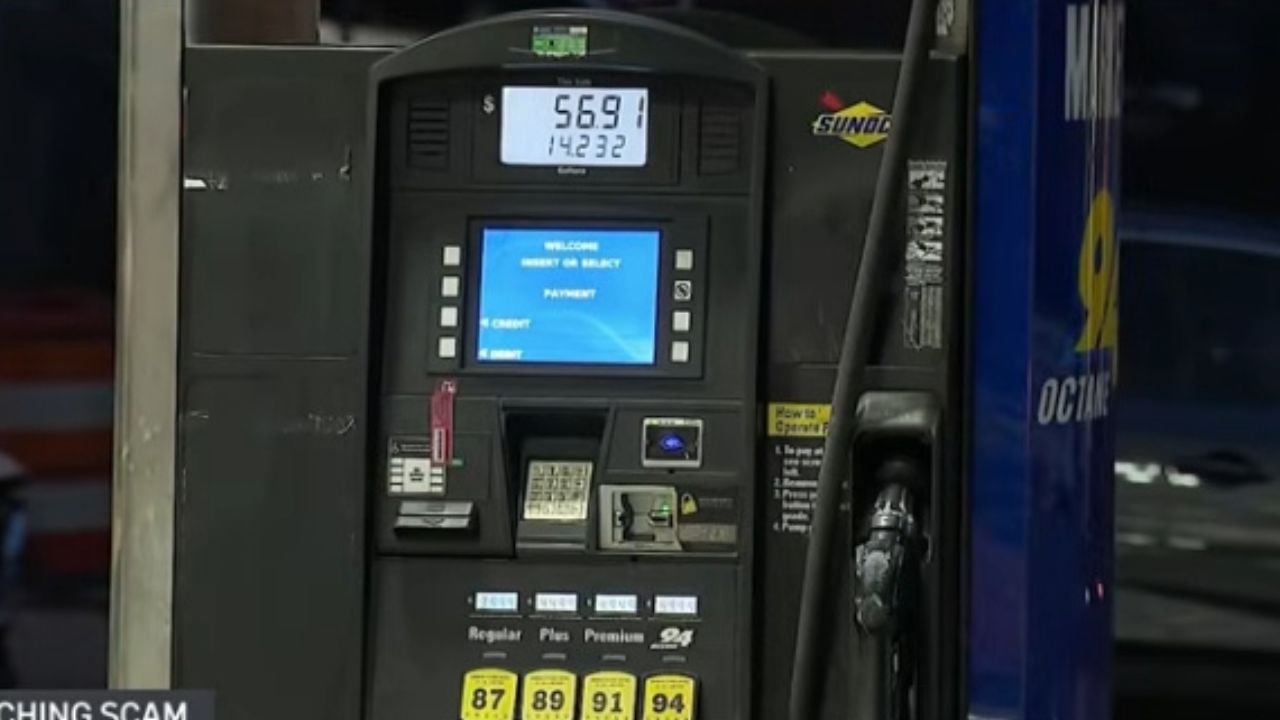
On paper, it is a thought experiment about cost thresholds. For real, it became a window into belief systems, identity, and the limits of financial pressure when habits are deeply embedded.
The most striking outcome was not a number, but the absence of one.
Nearly half of respondents thought there is no realistic price for gasoline that would convince certain drivers to switch. In their view, some motorists are no longer making rational cost comparisons. They are locked into preference, tradition, or skepticism that pricing alone cannot break.
That sentiment runs counter to a common industry assumption, which is quite remarkable. One can only hope the industry is listening, and this particular survey deserves to be broadened.
For years, analysts have treated fuel prices as a kind of steering wheel for consumer behavior. Supposedly, when petrol rises, EV interest follows. When it falls, demand softens. The logic is tidy, measurable, and easy to model. The same logic spurred the lofty predictions of EVs taking over the global market by now.
The $7–$12 Threshold
Yet the survey points to a more complicated reality.
Even among EV supporters, there is a growing realization that a segment of drivers will resist electrification regardless of economic pressure. Not because EVs are uncompetitive, but because the decision is not purely economic for them.
Still, not all responses were as fatalistic.
A large portion of participants placed the hypothetical switching point somewhere between $7 and $12 per gallon. That range reflects a more traditional cost-benefit threshold. Interestingly, some parts of Britain are already paying around $8 at the pump, fueling a surge of fuel theft in the country.
At those levels, monthly fuel expenses would begin to outstrip the perceived cost of acquiring an electric vehicle, especially when paired with lower maintenance requirements and home charging advantages.
The Lag Effect
There is also an important subtext buried in the discussion.
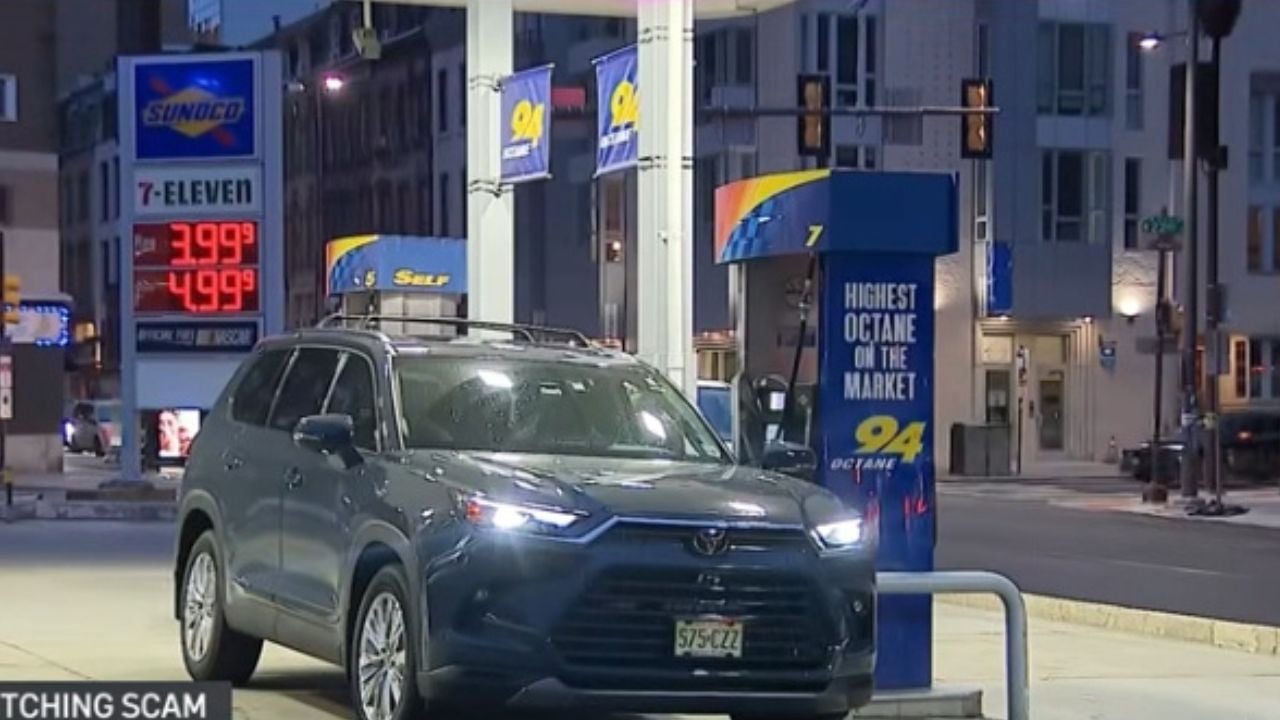
Several respondents noted that the real decision point is not just the price of gasoline, but expectations about its future stability. A short spike in fuel costs rarely changes long-term buying habits.
A sustained period of high prices, however, begins to alter how consumers evaluate their next vehicle purchase. Well, Washington has muted that the Hormuz blockade may go on for six months.
This distinction is a big one.
It reinforces that America’s car buying decisions aren’t reactive in the same way as grocery bills or utility payments. They are planned, financed, and often delayed. Even when fuel costs climb sharply, many drivers will simply wait out the volatility, hoping prices revert before they commit to a new platform.
That hesitation creates a gap between interest and action. Rising fuel prices can increase curiosity about EVs without immediately translating into showroom conversions. It is a lag effect that automakers and policymakers would be ill-advised to not learn to navigate.
The Missing Piece
The survey also touched, indirectly, on another emerging theme in the EV transition: infrastructure confidence.
Some respondents argued that even extreme gasoline prices won’t matter if drivers are worried about charging access, resale value, or long-term battery performance. In other words, price is only one part of a broader trust equation.
The issue of charging/range anxiety makes one dip the proverbial heart to China’s innovation in this area.
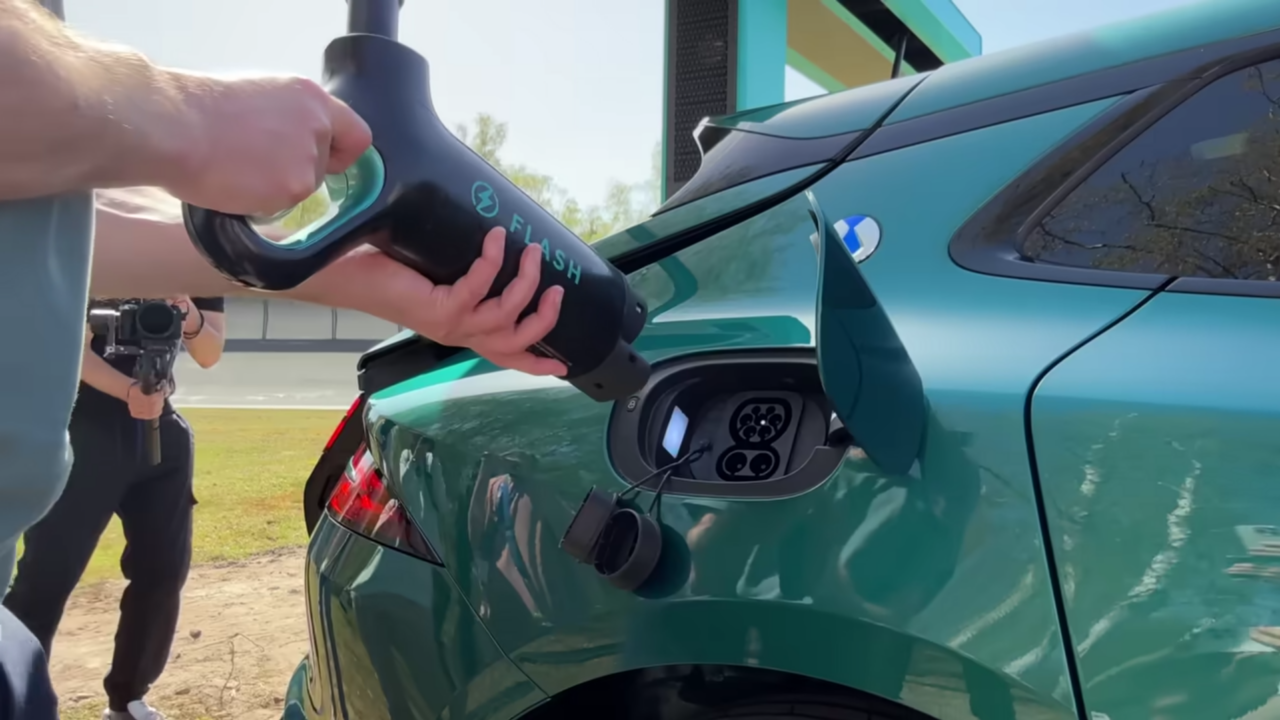
For example, Chinese EV powerhouse BYD has developed battery and charging systems that support ultra-fast charging capable of delivering 1,500 kilowatts (or 1.5 megawatts) of power. For context, that’s three times faster that Tesla’s superchargers, which peaks at 500 kilowatts.
No Single Answer
This survey reveals a tension worth studying by the industry. On one side, there is a clear financial argument for electrification that strengthens as fuel prices rise. On the other, there is a psychological resistance that does not scale neatly with cost.
That divide may explain why EV adoption continues to grow, but not always in the dramatic leaps that price models predict. It is also why industry watchers are increasingly focused on used EV markets, leasing structures, and lower entry price points rather than waiting for gasoline to cross a mythical threshold.
Ultimately, the Electrek survey does not deliver a single answer.
Instead, it highlights a fragmented landscape where some drivers are highly responsive to fuel economics, while others are effectively insulated from them by preference, habit, or skepticism. Or even political sentiments.
Gasoline prices may still influence the direction of travel. But they are no longer the only factor deciding when, or even whether, drivers make the switch.