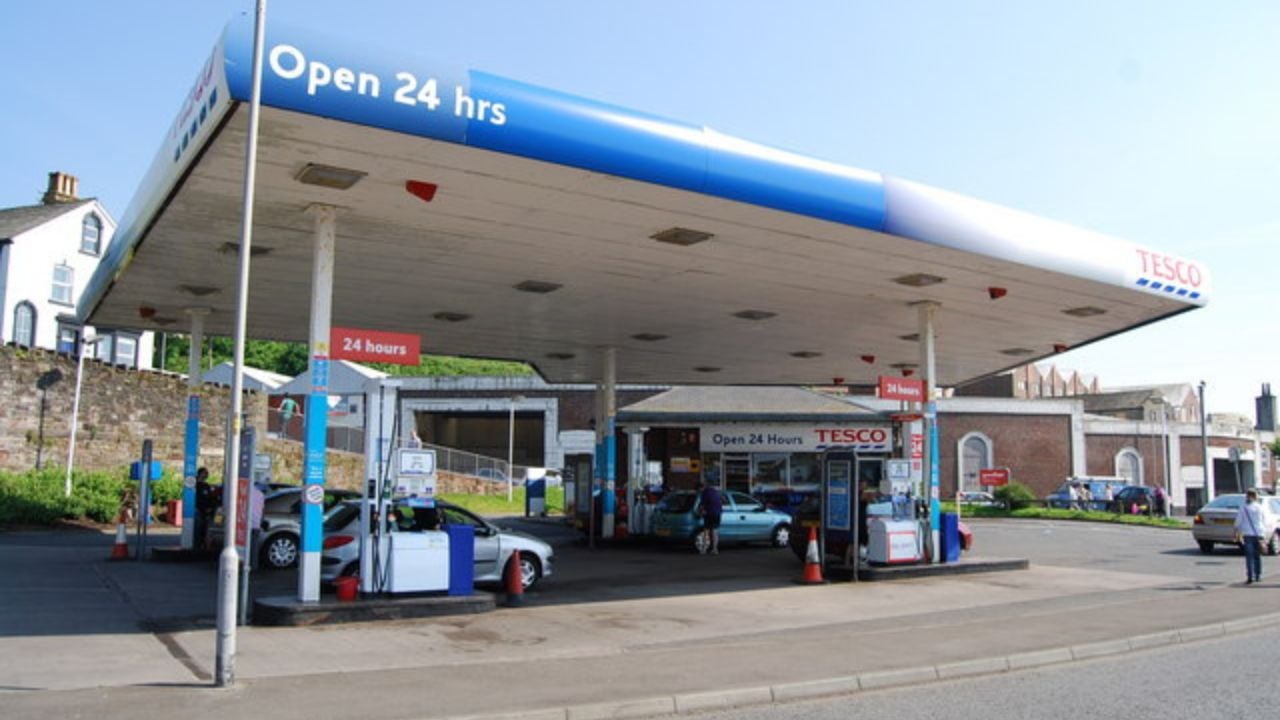

Fuel theft is creeping back into focus across the UK, and it is not happening in isolation. A mix of rising pump prices, strained household budgets, and thin retail margins is creating a pressure point that is now spilling onto forecourts.
For American drivers used to price swings and occasional gas station crime, the scale and structure of what is unfolding in Britain offers a useful parallel, with a few key differences.
In England’s West Midlands, independent station owners say losses are mounting fast.
According to the BBC, at a family-run site in Worcester, operator Adam Marsh reported that 900 liters of fuel (roughly 200 gallons) were stolen in April alone, roughly triple the level recorded during the same period last year. The stations affected would wish these numbers are a rounding error. It is a direct hit to a business that already operates on razor-thin margins.
The New Tricks at the Pump
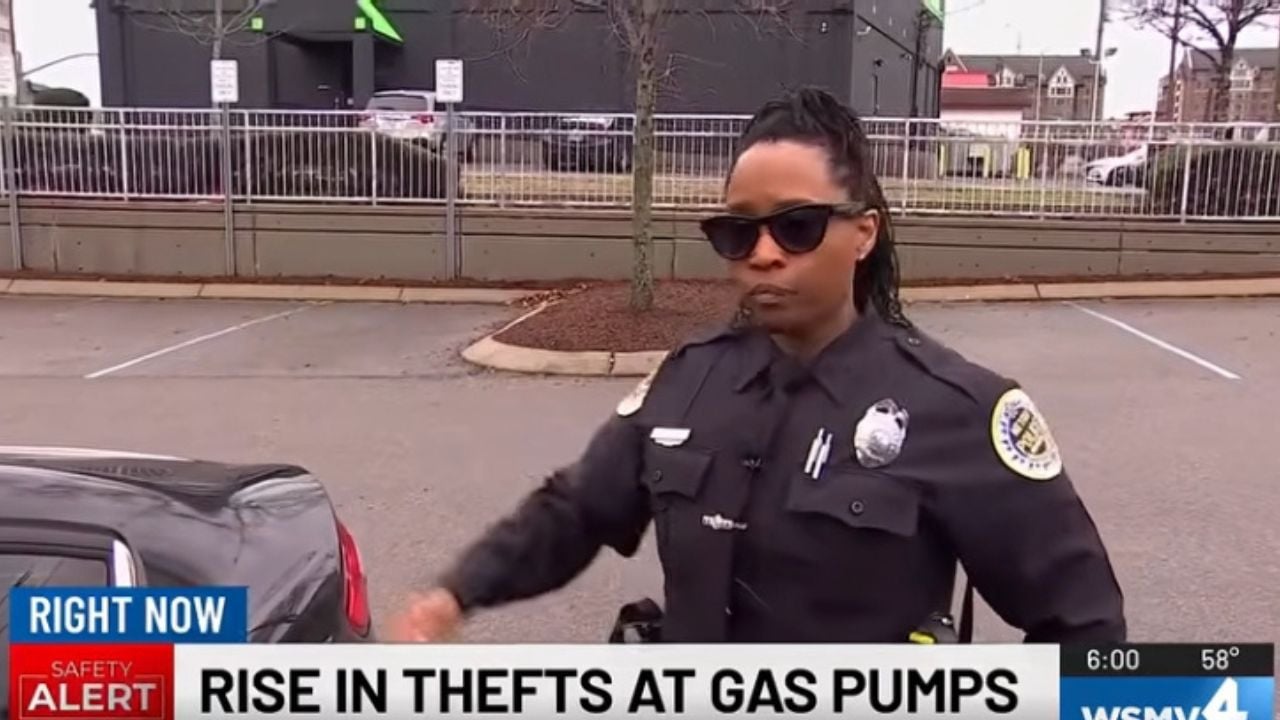
Industry group Forecourt Eye says incidents of drivers leaving without paying have climbed by about 30 percent since geopolitical tensions in the Middle East intensified earlier this year.
Fuel prices have tracked upward alongside those tensions. Data from the UK’s RAC shows diesel has jumped by nearly 49 pence per liter, while petrol has risen by about 25 pence per liter over the same stretch.
Converted, that puts UK drivers paying the equivalent of well over $8 per gallon in some areas. Such an inflation level is bound to reshapes behavior both legal and otherwise.
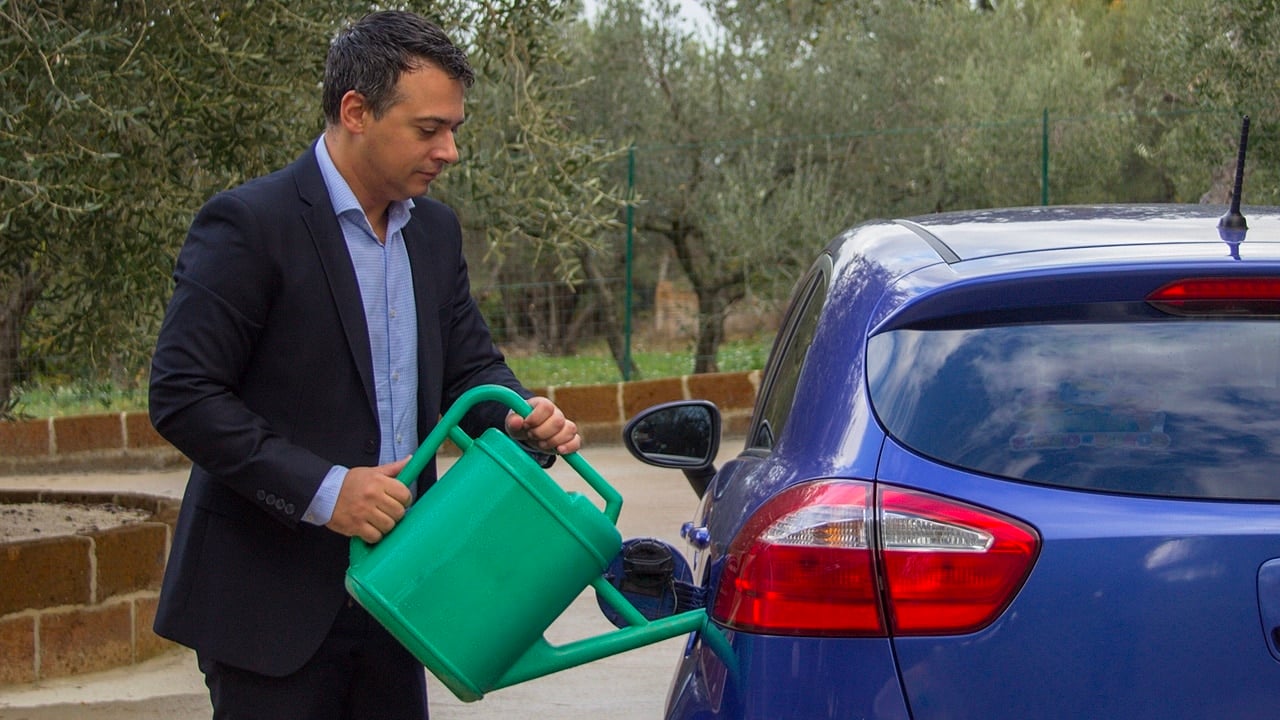
Speaking to the BBC, Marsh explained that the theft is not limited to the classic drive-off.
Some customers are nice enough to enter the shop and pay, but not for the full amount pumped. That creates a different kind of problem. Instead of a straightforward criminal case, the station must often pursue the missing balance through civil claims, which cost time and money with no guarantee of recovery.
“With the increase of costs, the loss of fuel is another cost we have to cover and we can’t pass the cost on to the customer,” he said. “Times are tough enough as it is.”
The Math That Makes Theft Hurt More
That last point about tough times carries significant regional weight. UK forecourts do not enjoy the same margin structure many US stations rely on.
Operators like Shailesh Parekh, who runs multiple locations across the region, say they make roughly 10 pence per liter, sometimes 20 pence on a good day. With pump prices hovering near £1.90 per liter, about half of that total goes to taxes.
When fuel is stolen, the retailer still owes that duty to the government, effectively paying out of pocket for product that never generated revenue.
Parekh says incidents are now a daily occurrence across his sites, ranging from fuel theft to shoplifting. One confrontation turned dangerous when an employee chasing a suspect was struck by a van.
The source of his greatest frustration, he says, is the lack of deterrence. He wants fuel theft reclassified as fraud, arguing that stronger legal consequences could curb the behavior.
The Driver’s Side of the Squeeze
Drivers, for their part, are feeling the squeeze in ways that will sound familiar to car owners in the US who lived through the 2022 price spike.
Joshua Hough, who relies on his van for daily work, says a fill-up that once cost £90 now runs closer to £130. That is not a marginal increase. It is the difference between manageable operating costs and a serious dent in take-home pay.
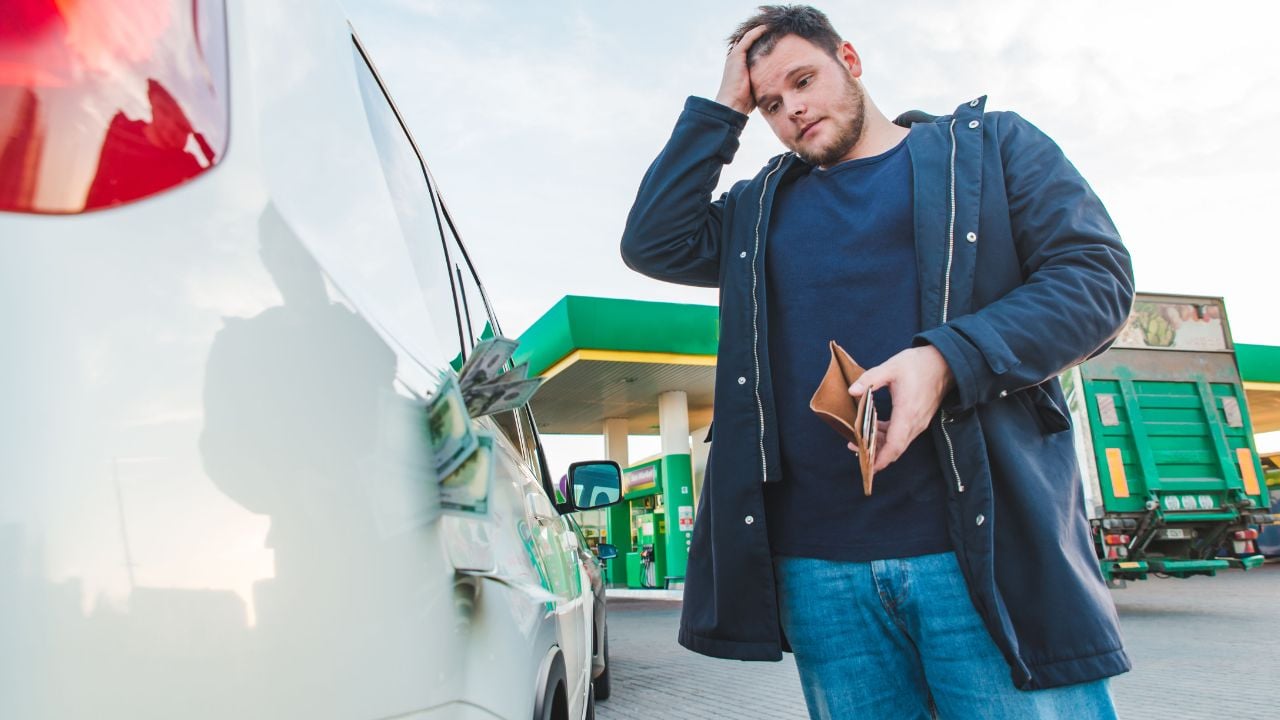
Another motorist, Robin Whitebeam, says he is reconsidering which trips are worth making. If you cannot afford to get from A to B, income itself comes under threat.
There is a broader economic signal worth noting here.
When fuel prices climb sharply, elasticity shows up not just in reduced driving but in opportunistic crime. In the US, the National Association of Convenience Stores has reported periodic spikes in drive-offs during high-price cycles, though the scale varies by state and enforcement.
The UK’s current wave appears more sustained, likely due to higher baseline prices and heavier tax components.
Both retailers and industry groups are calling for relief, including a freeze on fuel duty to ease pressure on businesses and consumers.
The UK government has already extended a temporary freeze through September and says it is monitoring pricing behavior. Whether that is enough to cool theft rates is an open question.
Meanwhile, small operators are absorbing the losses and tightening procedures, from improved camera systems to prepay policies in higher-risk locations. None of those fixes address the underlying math. When fuel becomes this expensive and margins stay this thin, the forecourt turns into a stress test for the entire system.
Sources: BBC