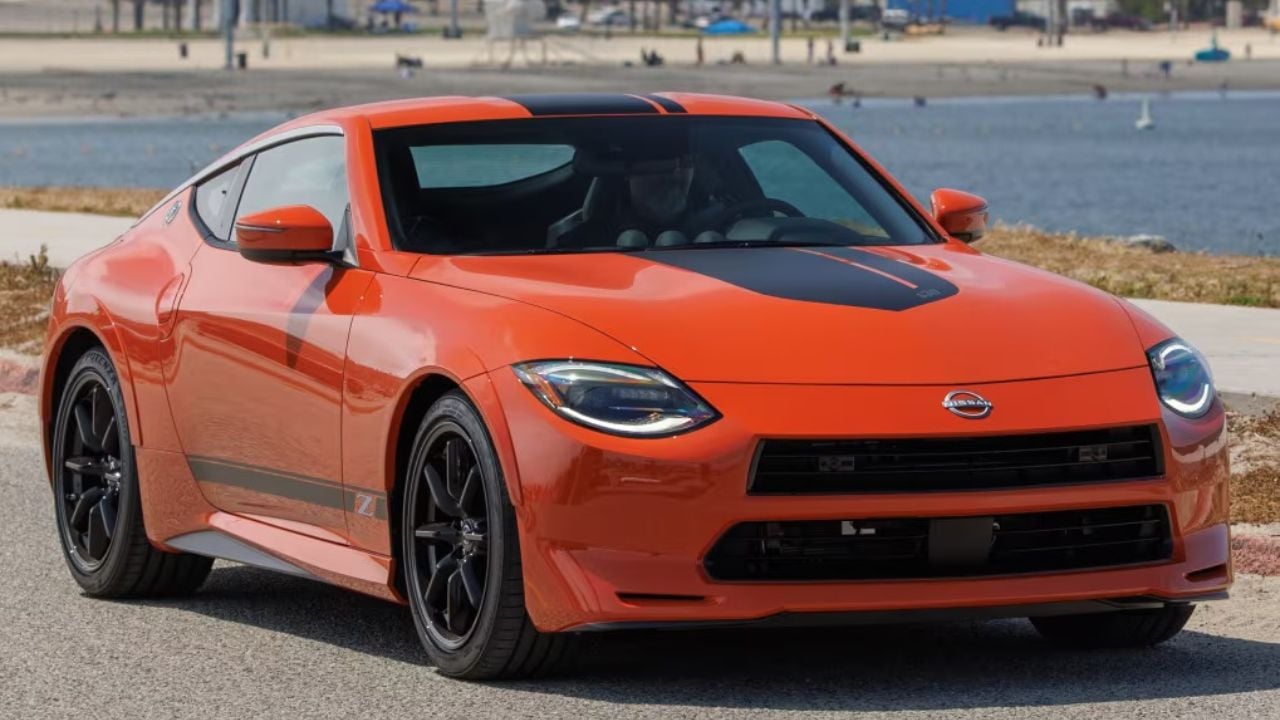
For Nissan Z fans, the last several years have felt anything but calm. The old 370Z stayed on sale for more than a decade with only limited changes, and for a long stretch it looked like Nissan might simply let the story fade away.
Then the mood changed. Nissan brought the Z back for the 2023 model year with retro-inspired styling, a twin-turbo V6, and the kind of emotional pull the previous car had slowly lost over time.
That comeback, however, was not completely smooth. Automatically equipped cars were hit by an early stop sale over a rollaway issue, which immediately complicated what should have been a cleaner launch for one of Nissan’s most important enthusiast models.
Now the picture looks steadier. Nissan is refreshing the Z much sooner than it ever did with the 370Z, adding a manual transmission to the NISMO, and preparing a more deliberate plan to keep the car relevant in the years ahead.
Nissan Is Finally Treating The Z Like A Living Product
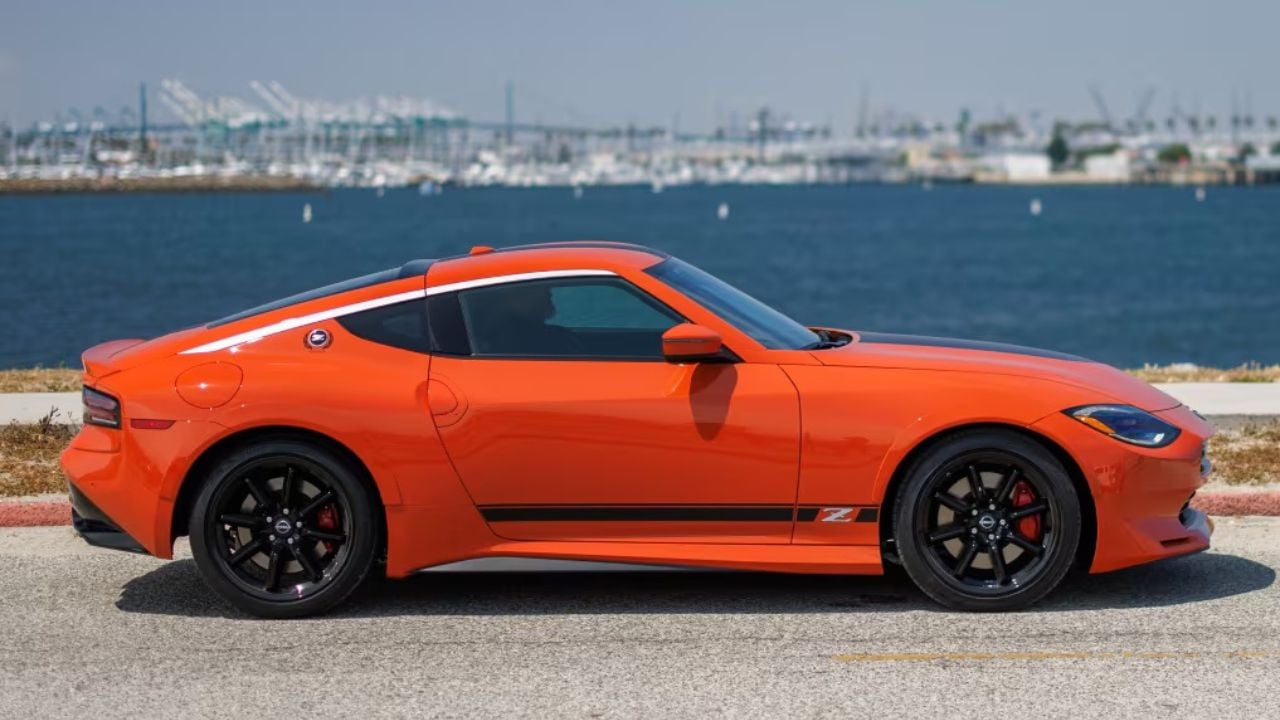
One of the clearest signs of that shift is how quickly Nissan has moved to update the current car. In Japan, the refreshed 2027 Z has already been shown with a revised front end, minor chassis tweaks, and the kind of mid-cycle attention the 370Z rarely received in any meaningful way.
The biggest enthusiast headline is the NISMO itself. Nissan has now confirmed that the high-performance version will finally offer a manual transmission, ending one of the most common complaints surrounding the car since the NISMO returned as an automatic-only model.
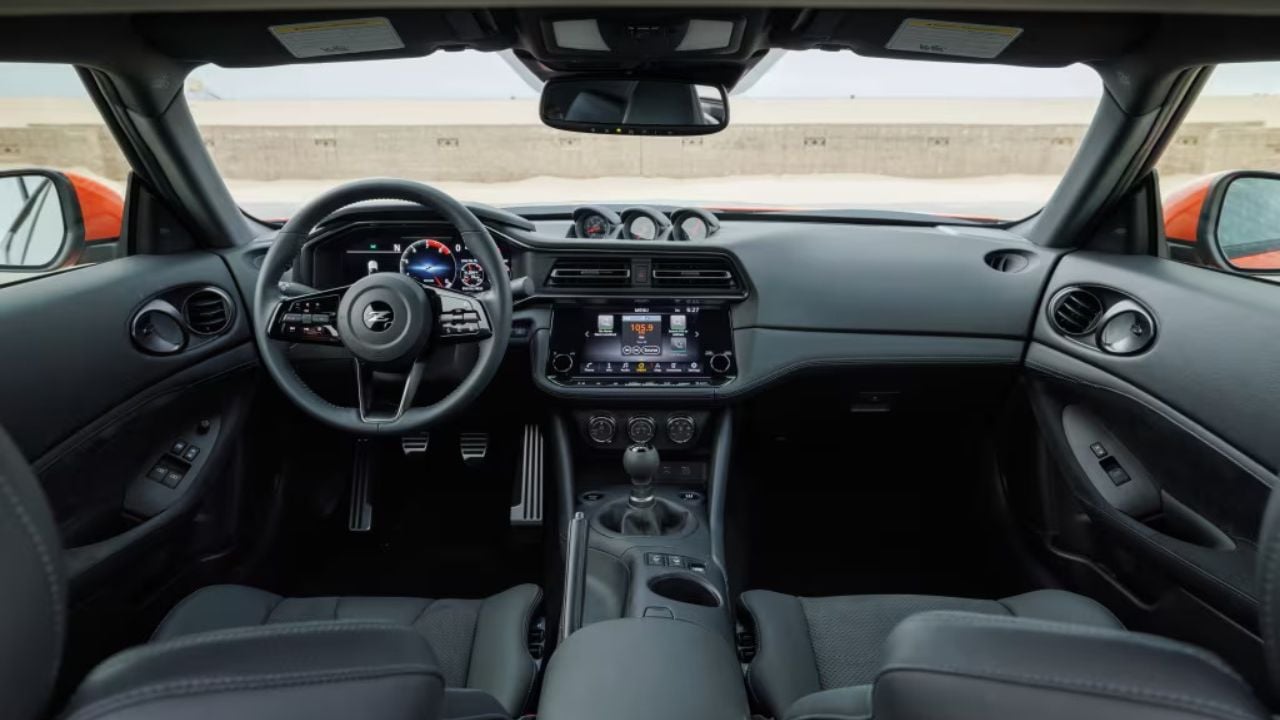
That matters because the Z has always depended on driver involvement as much as output. The regular car already stood out by pairing its 400 HP twin-turbo 3.0 liter V6 with a six-speed manual, and bringing that same spirit to the NISMO makes the lineup feel more complete than before.
Buying One Is About To Change
There is, however, another major shift underway. Nissan is moving the Z toward a build-to-order model, which means the car will be less of a stock unit sitting on dealer lots and more of a vehicle buyers configure and wait for.
According to Ponz Pandikuthira, that strategy matches the people who are actually buying the car. He told The Drive that many Z customers are older buyers who long wanted this kind of car and are now treating it as a trophy purchase, a retirement car, or something they are happy to spec carefully and wait several months to receive.
That approach could make the Z harder to stumble upon for an impulsive test drive, but it also gives Nissan a better chance to serve the buyer this car is really attracting today. Someone ordering a manual coupe in a specific color with a specific interior is not shopping the way mainstream crossover buyers do, and Nissan seems to understand that now.
Heritage Will Drive The Next Phase
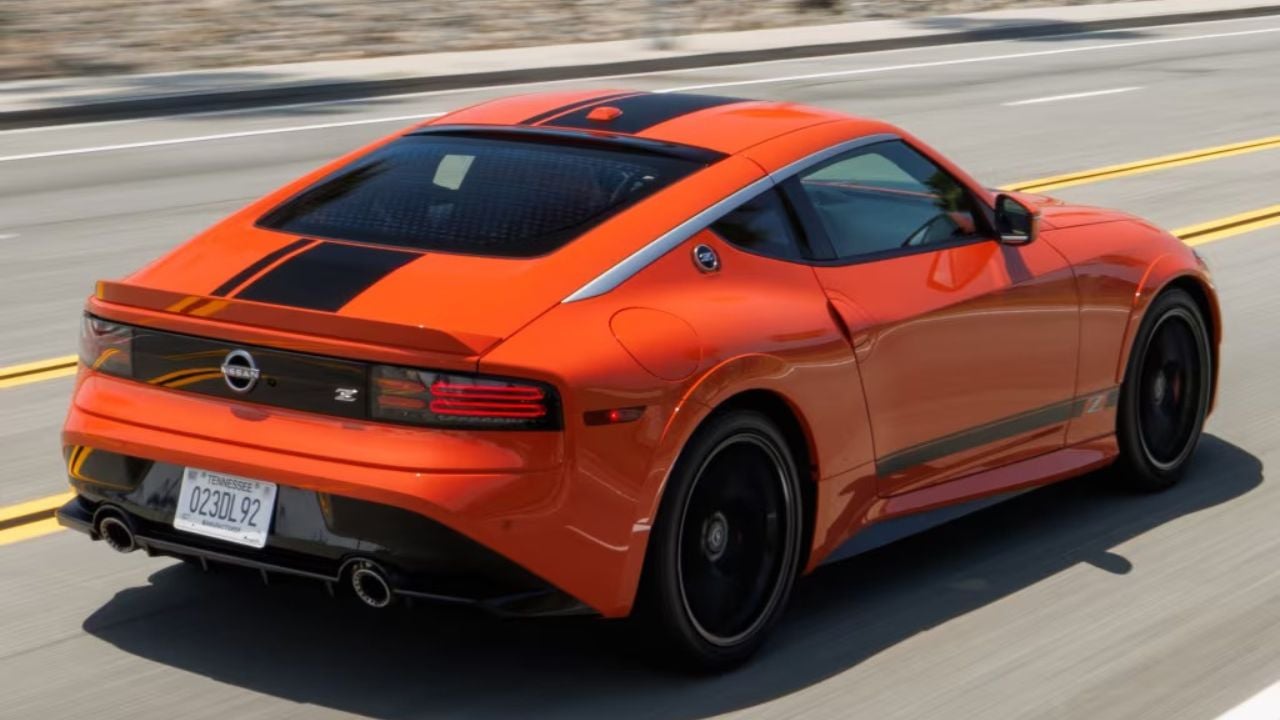
Pandikuthira has also been unusually direct about what comes next. He said Nissan plans to keep the Z fresh through what he called “animation,” meaning a steady stream of special versions rooted in the history and authenticity of past Z cars rather than expensive full-scale redesigns in the middle of the model’s life.
That strategy is already taking shape. Nissan unveiled the 2026 Z Heritage Edition with styling cues inspired by the Z32 generation 300ZX, showing that the company is serious about using its back catalog as a way to keep the current car emotionally relevant.
It is also a smart way to avoid repeating the 370Z’s long stagnation. Instead of letting the car sit nearly unchanged for years, Nissan now appears committed to keeping interest alive through special editions and carefully timed updates while the current model is still on the market.
The Next Generation Will Take Time
That does not mean a brand new Z is close. Pandikuthira told The Drive that Nissan expects to spend the next three years on these special versions and then continue active discussions about what the next generation should be.
He also made clear that the future Z has to make sense beneath the next GT R. That hierarchy matters because Nissan is treating the GT R as the top of its sports car ladder, and multiple reports now suggest the next GT R is not expected until around 2030.
That leaves the Z in an interesting position. It is no longer the forgotten coupe the 370Z became late in life, but it is also not about to jump into an all-new generation tomorrow. What Nissan seems to want now is something more disciplined and probably more sustainable: keep the current car desirable, keep feeding it heritage and character, and make sure the next Z arrives with a clearer role in the brand’s sports car future.
This article originally appeared on Autorepublika.com and has been republished with permission by Guessing Headlights. AI-assisted translation was used, followed by human editing and review.