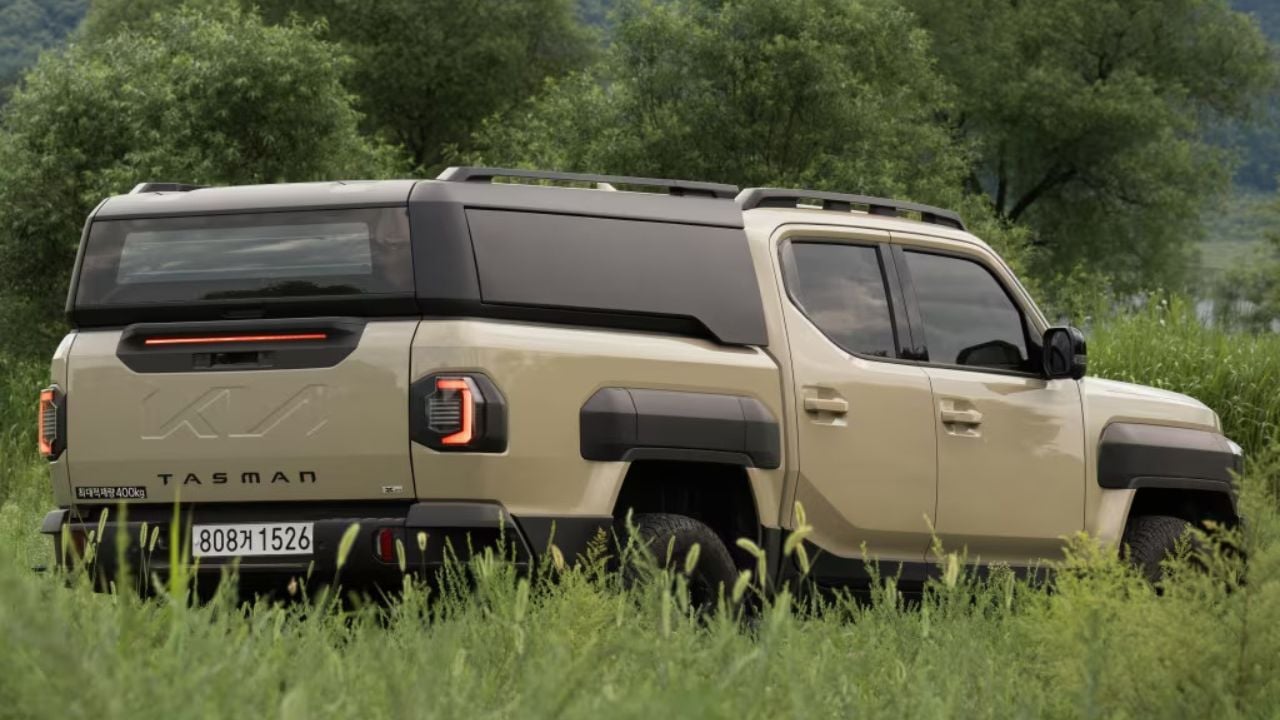
For a while, it looked easy to assume Kia’s pickup ambitions in America might stop with wishful thinking. The Tasman was never developed specifically for the U.S., and Kia CEO Ho Sung Song said last year that the American truck would need to be something different rather than a simple Tasman transplant.
Now the company has made its direction much clearer. At its 2026 CEO Investor Day, Kia officially confirmed that a new body-on-frame midsize pickup for North America is on the way before 2030.
That alone makes this one of the most important product promises Kia has made in years. It also shows how serious the brand is about finally entering one of the toughest and most brand-loyal corners of the U.S. market.
The bigger point is that Kia is not treating this as a side project. It is tying the truck directly to its long-term U.S. growth plan, where the company wants to reach 1.02 million annual sales and a 6.2% market share by 2030.
Not The Tasman
Kia’s official investor presentation confirms the headline item, a body-on-frame pickup for North America with hybrid and range-extended variants by 2030. That is the part the company is willing to say clearly right now.
What Kia has not done is promise that the U.S. truck will simply be the Tasman sold elsewhere. In fact, reporting on Ho Sung Song’s earlier comments said the Tasman was not developed with the American market in mind and would require major changes to fit U.S. regulations and customer expectations.
That distinction matters. It suggests Kia is thinking about a purpose-built U.S. pickup rather than forcing an existing global truck into a market where buyers tend to be especially demanding about size, capability, and overall presence.
A Bigger U.S. Play
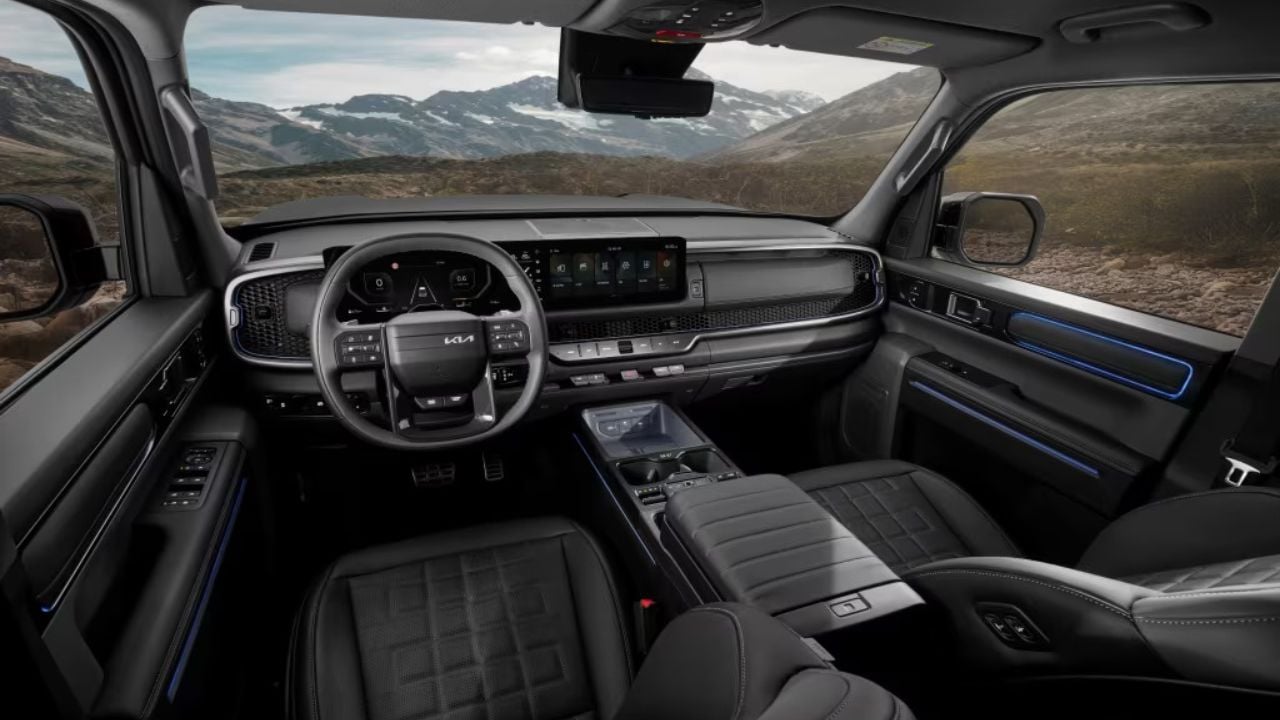
This truck is not being announced in isolation. Kia’s broader U.S. plan centers on more hybrids, stronger SUV volume, and entry into the pickup segment as one of the pillars of future growth.
The official strategy also includes expanding Kia’s U.S. hybrid lineup from four models to eight. That helps explain why the truck is being framed as part of a larger electrified push rather than as a traditional one-off lifestyle product.
Kia is also not the only Korean brand heading this way. Hyundai has already shown the Boulder concept as a preview of its first U.S. body-on-frame midsize pickup due by 2030, which means both brands are clearly preparing for a more serious truck push in America before the decade ends.
EREV Changes The Pitch

The most interesting part of Kia’s announcement may be the powertrain strategy. Officially, the company has confirmed hybrid and range-extended variants, which points to a truck designed around electrification from the beginning rather than one that adds it later as an afterthought.
That approach could give Kia a different angle from many established midsize pickups. A range-extended setup promises electric-style driving character in daily use while keeping the flexibility that American truck buyers still expect for longer trips, towing, and uneven charging infrastructure. This last point is an inference based on how EREV systems are typically positioned, not a detailed Kia technical release.
There is one place where the current reporting moves a little ahead of Kia’s official language. Car and Driver reported that Automotive News said the future truck could also get a full EV version, but Kia’s own investor materials only mention hybrid and EREV variants so far.
The Hard Part Starts Now
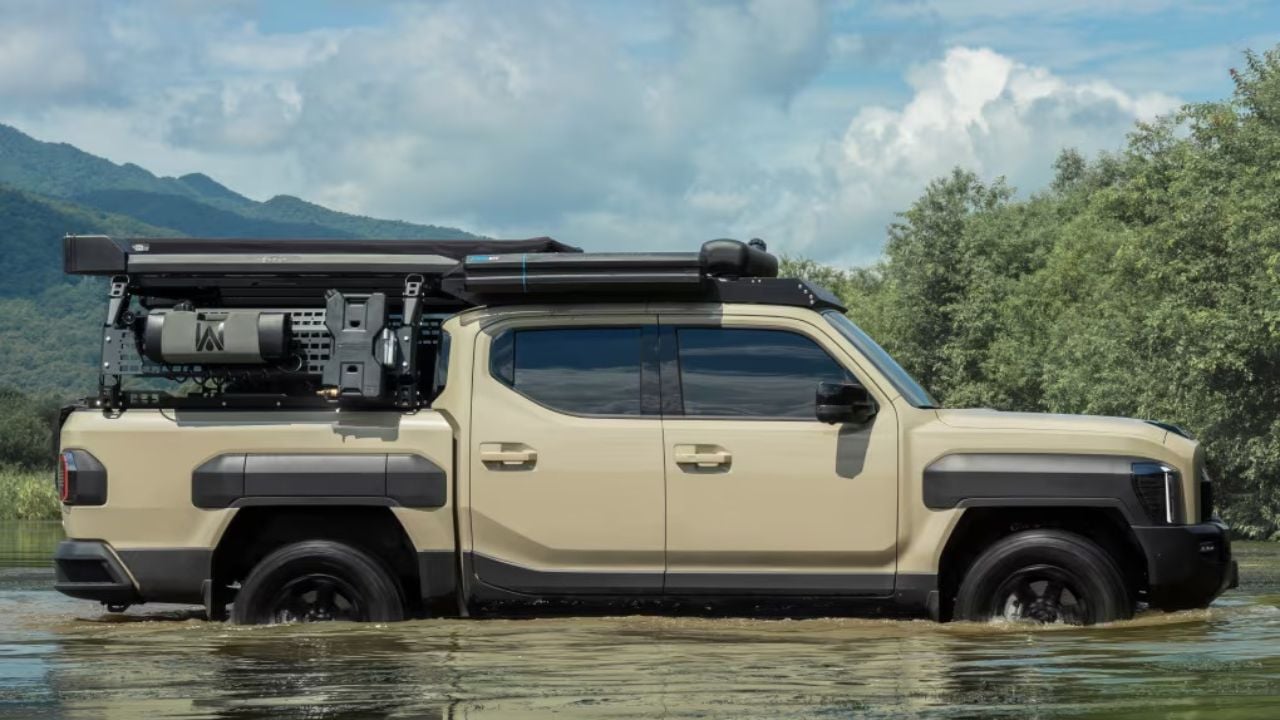
Kia clearly knows the opportunity is big, but so is the challenge. Car and Driver reported, citing Automotive News, that the company wants to sell 90,000 trucks a year in North America and eventually claim 7% of the midsize pickup segment by 2034.
Those are ambitious numbers in a class still dominated by names such as Toyota Tacoma, Ford Ranger, Chevrolet Colorado, and Nissan Frontier. Winning here takes more than a strong spec sheet, because buyers care deeply about durability, towing confidence, off-road credibility, and long-term trust.
Still, Kia has earned the right to think bigger than it once did. Over the past two decades, Kia has gone from a value-focused outsider to a brand willing to make serious moves in major U.S. segments, and this new pickup may become its boldest test yet. If it gets the formula right, the company will not just be entering the truck market but trying to change how people imagine a Korean pickup in America.
This article originally appeared on Autorepublika.com and has been republished with permission by Guessing Headlights. AI-assisted translation was used, followed by human editing and review.