
Could it be the pump price of gas no longer hinges on supply dynamics but on who controls the shock?
For American drivers, the Iran conflict is reshaping the cost of a tank of fuel in a way that feels as familiar as it is fundamentally different. Prices are rising again, but the forces behind them have shifted in ways that could keep volatility baked into the market for months.
Two developments explain why.
First, word on the street is that Iran can keep pumping oil even if it cannot sell it. A report by Reuters state that Tehran can sustain production for up to two months without exports by leaning on storage, delaying the point where output must fall.

That sounds like a buffer, but for global markets it creates a slow-burn supply squeeze. Roughly 2 million barrels per day of Iranian crude are effectively stranded, tightening availability elsewhere.
Second, the United States is stepping into that gap in an unprecedented way. Surging overseas demand has pushed U.S. crude exports close to record highs, bringing the country within reach of becoming a net exporter for the first time since World War II.
For the average driver, that combination is not good news.
Being an Oil Powerhouse Doesn’t Shield U.S. Drivers
When global supply tightens, oil prices rise. When U.S. producers can sell abroad at higher international prices, they do. That links domestic gasoline prices more directly to global market spikes, even if American production is strong.
In other words, the U.S. being a bigger exporter does not shield drivers. It exposes them.
The mechanics are already visible. The war has disrupted flows through the Strait of Hormuz, a chokepoint for roughly a fifth of global oil supply, triggering one of the largest energy shocks on record.
Brent crude surged toward triple digits, and each jump feeds into refining costs and, eventually, the price at the pump.
There is also a structural twist. The price gap between Brent crude and U.S. benchmarks has widened, making American oil more attractive to foreign buyers.
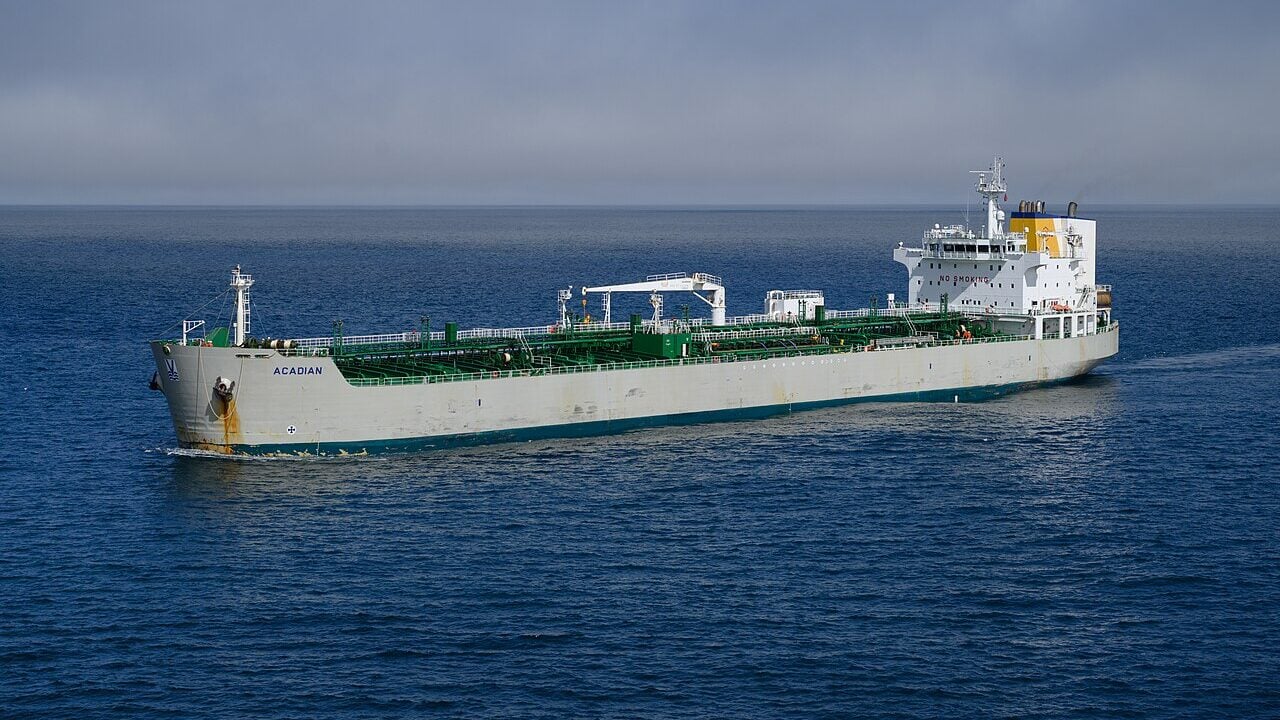
That export pull can reduce domestic supply margins, especially when logistics like tanker capacity are stretched.
For drivers, this shows up in two ways.
The Two Ways
Short term, expect sharper swings.
Gas prices can climb rapidly when geopolitical headlines tighten supply, then ease just as fast when tensions cool. The volatility is no longer tied only to U.S. inventory levels but to global disruptions that shift by the day.
Medium term, the floor is rising.
Even if Iran resumes exports, the episode reinforces how fragile global supply chains are. Analysts already warn that the market could swing into deficit this year, keeping upward pressure on fuel costs.
There is a paradox here. America is producing more oil than ever and selling it worldwide, yet drivers still feel every international shock. The moral of that story? Energy independence, in practice, has evolved into market integration.

For the automotive world, that carries a lot of weight.
Switched to Electric Yet?
Higher and more volatile gasoline prices tend to accelerate interest in fuel efficiency, hybrids, and electric vehicles. They also shift buying behavior toward smaller engines and crossovers over large SUVs, even in a market that has long favored size and power.
If this conflict drags on, the biggest impact may not be a single spike at the pump. It may be a gradual reset in how Americans think about fuel costs and the vehicles they choose to live with.
And this time, the pressure is not coming from a shortage alone. It is coming from a system where U.S. oil is part of the global balancing act, not a buffer against it.
Sources: Reuters