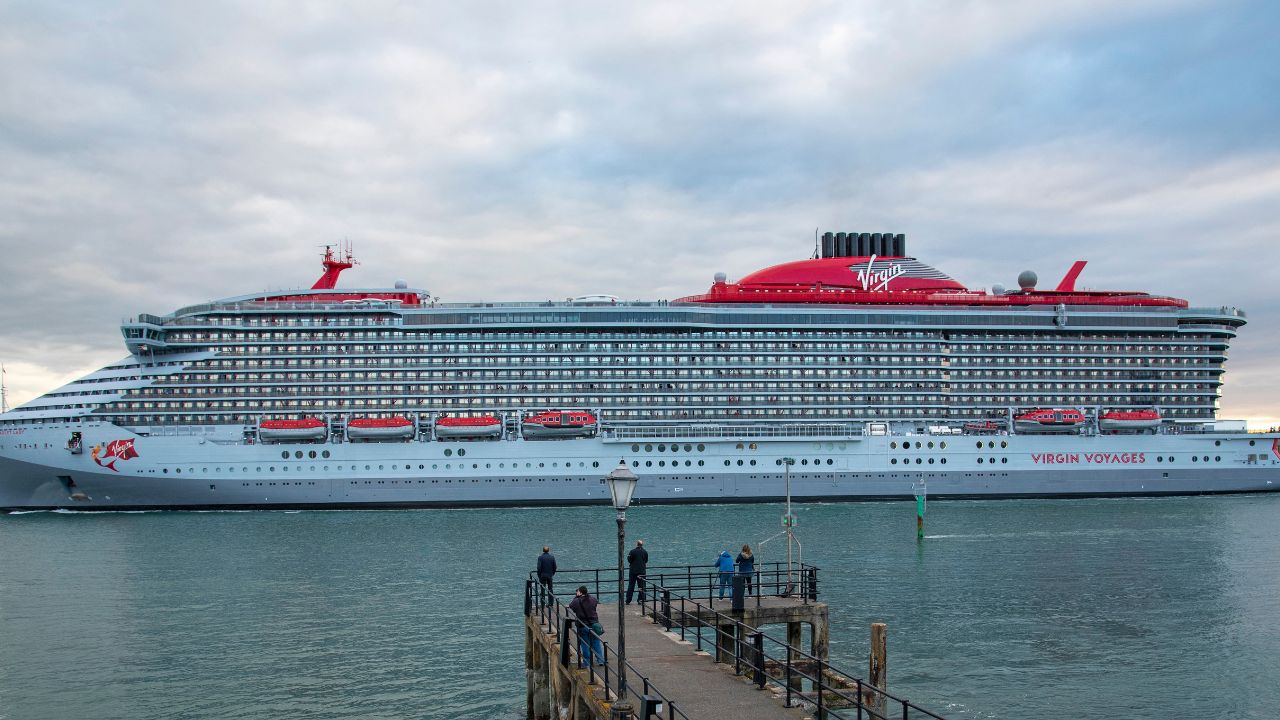
Cruises are not fading into irrelevance. Cruise Lines International Association says ocean-going cruise passengers hit a record 34.6 million in 2024, up 9% from 2023, and the same group forecasts 37.7 million passengers and 310 ocean-going vessels in 2025. So this is not a story about an industry in trouble. It is a story about taste, pace, and the kind of travel that now feels rewarding to some travelers.
The appeal is easy to understand. Unpack once, sleep well, wake up somewhere new, and let the horizon do its hypnotic little trick. A few years ago that formula might have sounded ideal. These days, though, the trade-offs can feel louder than the romance, which is why some travelers keep choosing slower coastal trips on land instead.
Places Started Feeling Like They Were Experienced on a Stopwatch
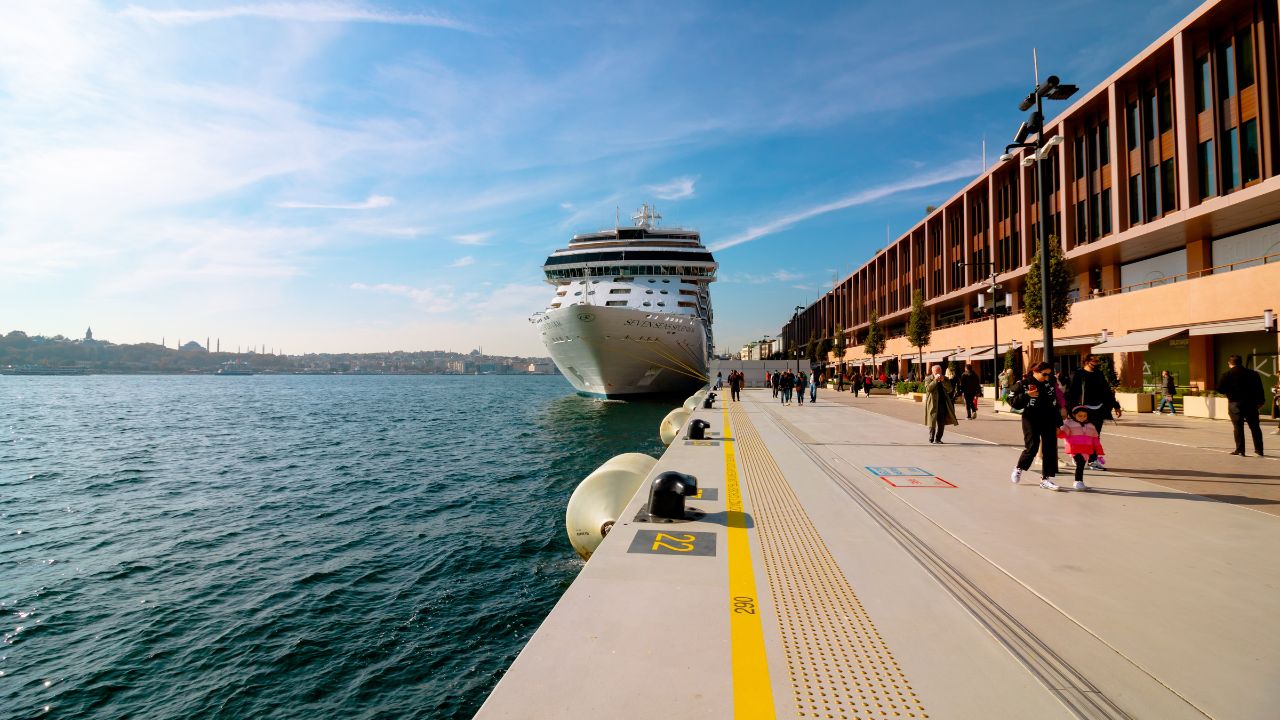
The first crack is simple: too many port days begin to feel like timed samples rather than real visits. Pressure in big cruise destinations is visible enough that places have started adjusting policy around it. Barcelona’s 2025 agreement between the city and the port cuts the number of cruise terminals from seven to five and frames the change around mobility and more sustainable passenger flows. Reuters also reported from Santorini in July 2024 that locals were openly calling for a cap as heavy visitor numbers strained daily life.
That is why a different approach can feel more rewarding: picking one port town or island and giving it several nights. That creates time for the unglamorous pleasures cruises are bad at delivering, like a second breakfast at the same bakery, an aimless evening walk, a beach worth returning to twice, or a neighborhood that gets learned instead of merely passed through. Travel often gets better once the day stops being a race against all-aboard time.
Bigger Ships Are Moving in the Opposite Direction From How Some People Like To Travel
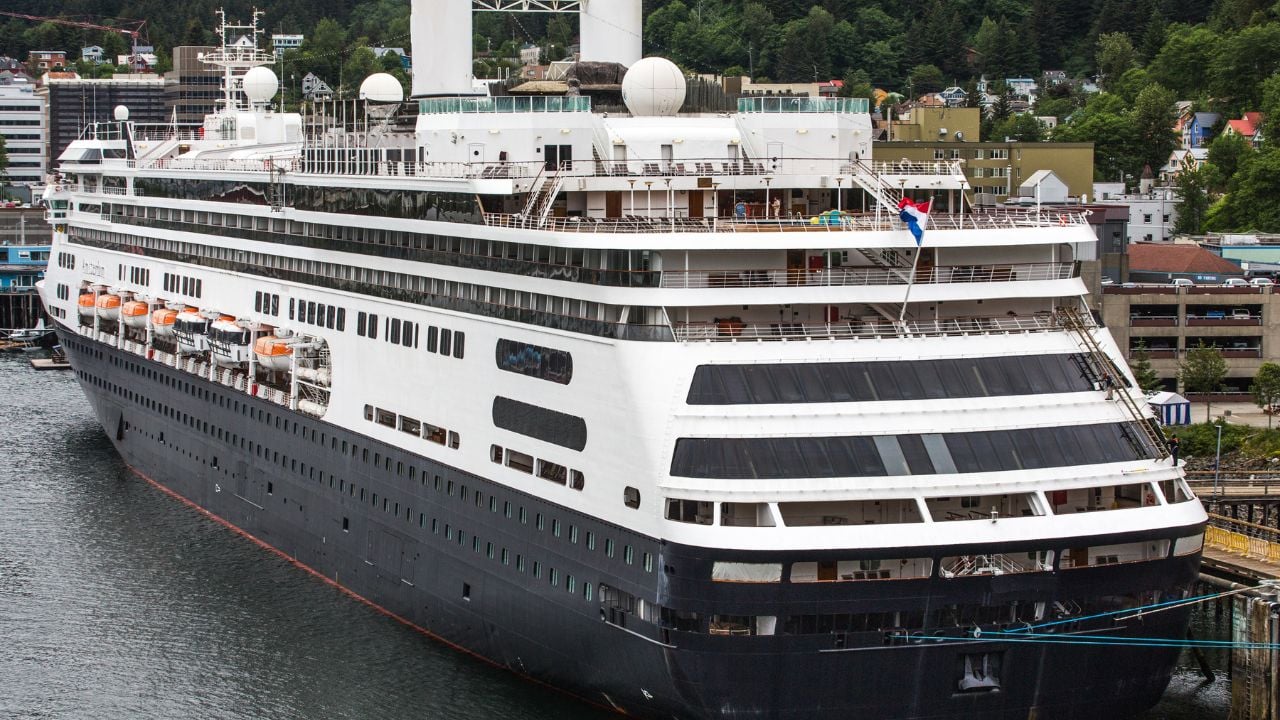
Scale is part of the mismatch. CLIA’s 2024 global report says the Caribbean remained the most visited cruise destination, welcoming 43% of all passengers in 2024, or nearly 15 million people. That growth is not inherently bad, but it does mean the mainstream end of the business keeps leaning toward volume, efficiency, and very large passenger flows.
Some travelers have drifted the other way. A ferry, a regional train, or a small guesthouse near a harbor offers the sea without the floating-city feeling. Coastal travel can still be the goal. The difference is that the journey feels more like movement through a place instead of containment inside a machine built to process thousands of people at once.
The Onboard Bubble Stopped Feeling Like Discovery
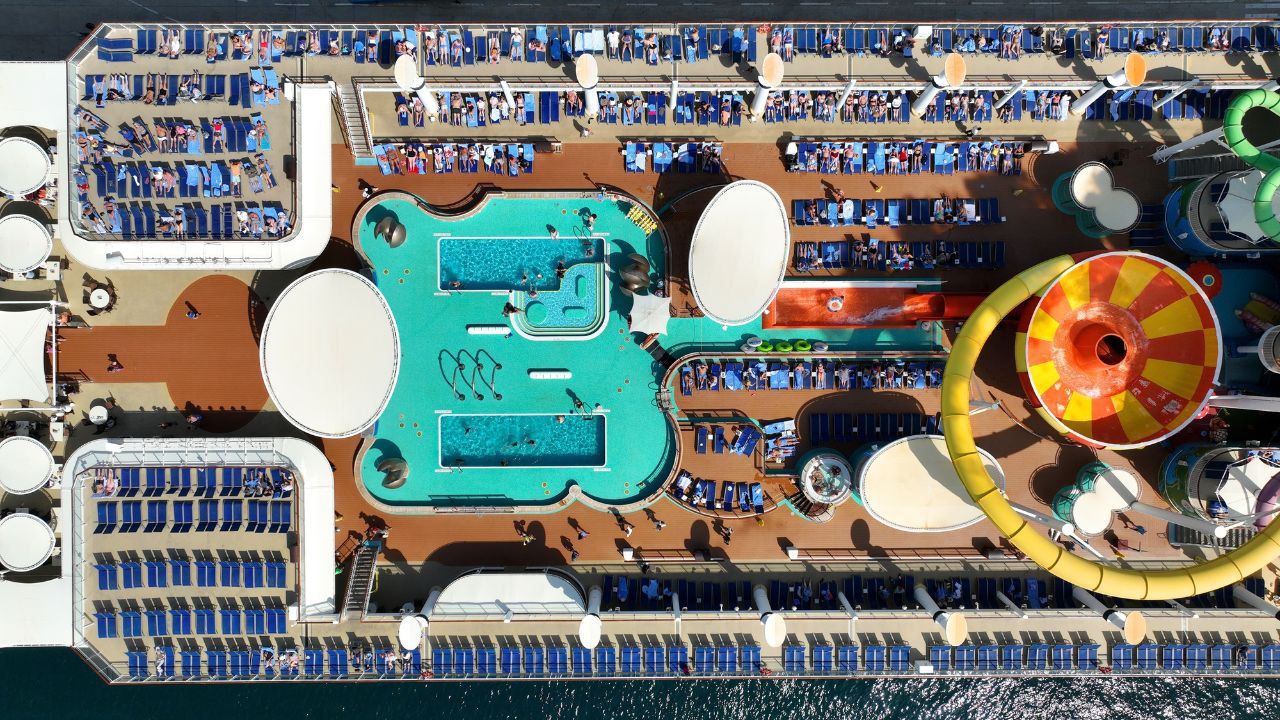
Another shift happens when it becomes obvious how much cruise design now centers the ship itself. CLIA’s 2024 report says newly deployed large-capacity vessels in the Caribbean, paired with shorter-than-average itineraries, helped maximize passenger volume from U.S. ports. That is smart business, but it also hints at the version of cruising that leaves some travelers cold: the destination becoming a backdrop while the floating resort does the real selling.
The alternative is much less efficient and much more satisfying. One island, one coastal city, or one lake town gets booked, and then the trip is allowed to breathe. A local market, a long lunch, a bus ride with no narration, and a swim before dinner can now deliver more of a place than an all-day rush through a famous port ever did.
The Backlash in Fragile Destinations Gives Some Travelers Pause
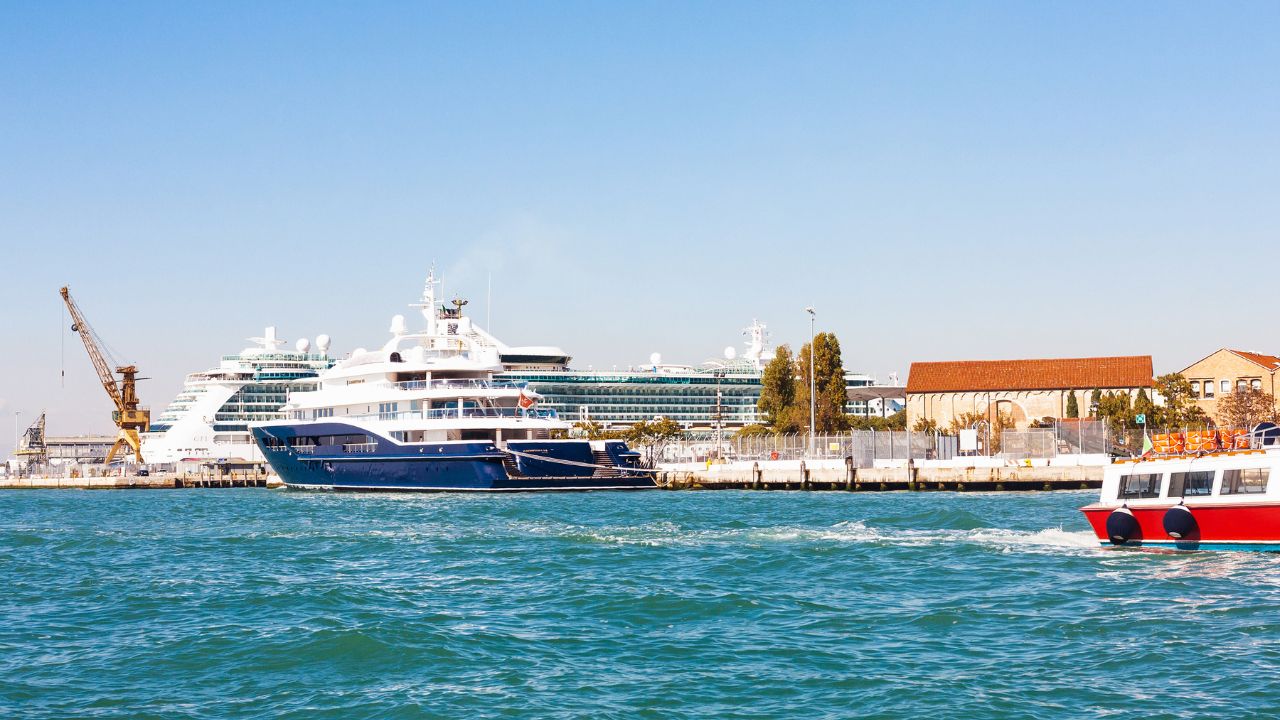
Some of the hesitation is ethical as much as personal. UNESCO welcomed Italy’s 2021 decision to ban large cruise ships from entering the Venice Lagoon, and Barcelona has continued reworking cruise infrastructure to reduce terminal capacity and manage passenger flows more tightly. Santorini, meanwhile, has become one of the clearest examples of how quickly beauty can tip into overload when limited infrastructure collides with heavy day-trip demand.
That does not mean every cruise passenger is the villain in a linen shirt. It does mean some travelers feel better choosing ways of moving that spread their footprint differently. Shoulder-season stays, smaller islands, public ferries, and land-based coastal routes may be less cinematic on Instagram, but they often leave behind a cleaner conscience and a calmer day.
The Sea Still Matters, Just in Smaller Doses
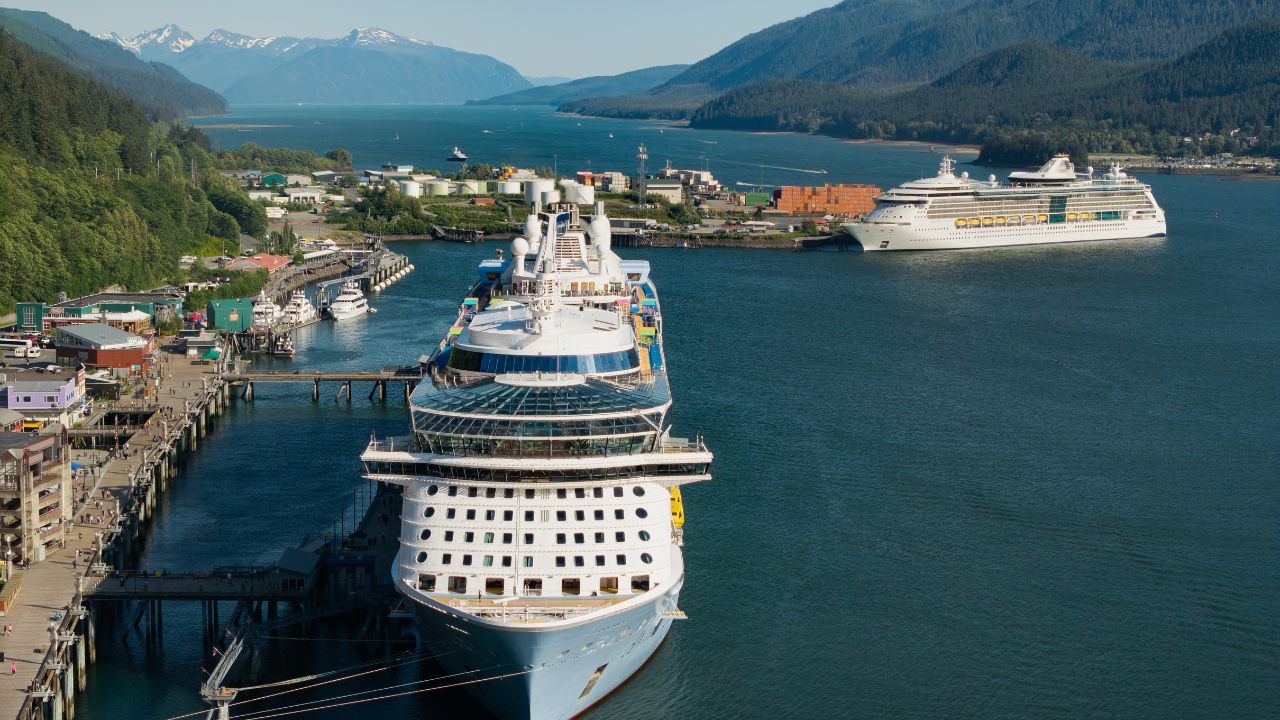
The funny thing is that even the cruise sector seems to know some travelers want a different scale. CLIA says expedition and exploration passenger numbers rose 22% from 2023 to 2024, and the same report says the luxury cruise market has tripled since 2010 by number of ships. In other words, the business itself is diversifying because not everyone wants the same giant-deck formula.
The alternative can be even simpler. Ferries between islands, rooms in old port neighborhoods, trains that hug the coastline, and one small boat day for that open-water feeling can deliver most of the same pleasures. The appeal of sea air, good harbors, and mornings that begin near the water has not disappeared. The only thing that has changed is the feeling that a cruise ship is necessary to get them.