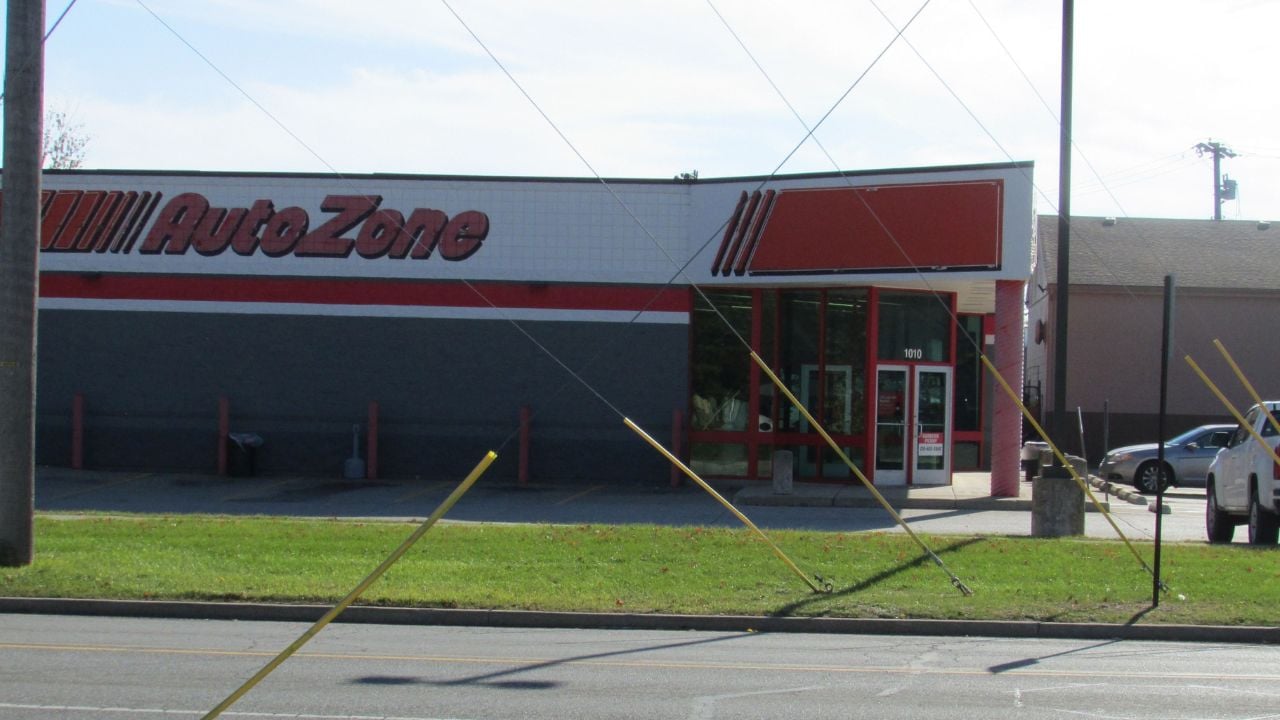
Drivers across the US may soon notice a change at the parts counter. Reports of tightening motor oil supply chains are beginning to surface, with retailers, automakers, and lubricant suppliers warning that disruptions tied to the Middle East are putting pressure on synthetic oil availability. The issue is not a full-scale shortage yet, but early signs are already appearing in the form of delayed deliveries, reduced stock, and higher prices on some products.
The concern centers around Group III base oils, a critical ingredient used in many modern synthetic lubricants. Much of that supply comes from refineries in the Middle East and the Asia-Pacific region. Shipping disruptions around the Strait of Hormuz, along with refinery outages, have forced suppliers to slow deliveries and ration inventory in some cases.
Rumors gained traction after alleged internal notices linked to AutoZone and dealership supply chains surfaced online. While some claims remain unverified, multiple industry sources now confirm that lubricant suppliers are under strain. Analysts say the problem is less about crude oil itself and more about the refined base stocks needed to produce synthetic blends.
Synthetic Oils Are the Main Concern
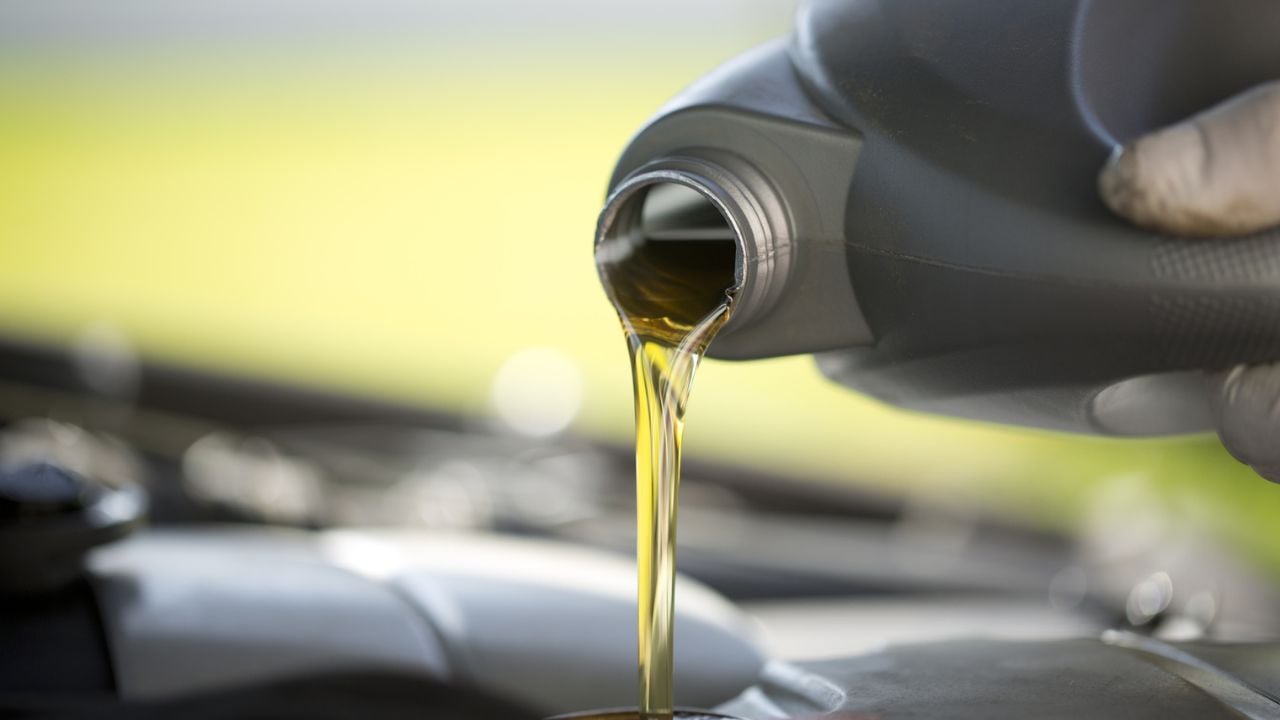
The biggest pressure point is synthetic motor oil, now used in most newer vehicles. Modern engines require thinner, heat-resistant lubricants that depend heavily on specialized base oils. Those supplies are becoming harder to secure.
A report from The Drive said an internal Nissan bulletin warned dealerships to prepare for reduced lubricant allocations and rising costs. The memo allegedly stated that oil supply volumes could be cut to 55 percent of previous levels if shortages worsen. Nissan later confirmed the bulletin was authentic, though it had not yet been distributed to dealers.
Toyota dealerships have reportedly also been advised to manage oil supplies carefully as the market tightens. Online discussions from mechanics and dealership staff claim some suppliers have already begun rationing certain Mobil 1 products.
Industry experts say drivers are unlikely to see empty shelves nationwide. Instead, shortages may appear in specific oil grades and viscosities first. Popular synthetic products like 0W-20 and 5W-30 could become harder to find in some regions, particularly during peak travel months when demand rises.
Prices Could Rise During Summer Travel Season

Even if supplies remain available, motorists may still feel the impact through higher service costs. Analysts warn that lubricant manufacturers are already paying more for raw materials and shipping expenses that will likely be passed to consumers.
That could affect everyone from DIY car owners buying oil at retailers to drivers scheduling routine maintenance at dealerships and repair shops. Reduced promotional discounts and fewer bulk supply deals are also expected if supply pressure continues.
The timing is particularly important because summer is typically one of the busiest periods for vehicle servicing in the US. Families preparing for road trips often schedule oil changes before long-distance travel. Increased demand during that period could accelerate localized shortages. Retailers like Valvoline, Shell, and automotive chains have reportedly warned investors about mounting supply pressure and cost increases linked to lubricant production.
Drivers Are Being Told Not to Panic

Despite the headlines, experts say there is no reason for panic buying. Analysts tracking the lubricant industry say the market is under stress, but not yet facing a complete collapse in availability.
Some mechanics are advising customers not to delay scheduled maintenance, particularly for vehicles requiring manufacturer-approved synthetic oils. Waiting too long could make it harder to secure the correct oil type later in the season if inventories tighten further.
Others caution against switching to cheaper or incompatible oils simply because preferred brands are unavailable. Modern engines are designed around specific viscosity ratings and additive packages, especially turbocharged and hybrid powertrains. Using incorrect lubricants could increase long-term engine wear.
For now, shelves at most major retailers remain stocked. But the combination of geopolitical tension, refinery outages, and shipping disruptions has exposed how dependent the modern automotive industry has become on a small number of global lubricant suppliers. If conditions worsen, the next surprise cost increase for drivers may arrive during a routine oil change rather than at the fuel pump.