Subaru reported a dramatic financial downturn for fiscal year 2025, with profits plunging roughly 90% as the automaker absorbed mounting tariff costs, electric vehicle write-downs, and slowing sales across key markets. The company also made the unusual claim that severe winter weather in the United States contributed to weaker sales performance during the year.
The results mark one of Subaru’s toughest financial periods in recent memory. While revenue still increased slightly year-over-year, operating conditions became significantly more difficult as tariffs, rising material costs, and weaker EV demand created pressure throughout the business.
Subaru reported fiscal year profits of just 40 billion yen, or roughly $252 million, compared to 405 billion yen the previous year. The sharp decline came despite revenue climbing approximately 2.1% to 4.8 trillion yen, highlighting how quickly rising costs eroded profitability.
The automaker also confirmed a major change in its EV strategy, including a $362 million write-down tied to electric vehicle investments and delays involving future battery-electric vehicle production plans.
Tariffs And EV Costs Hit Subaru Hard
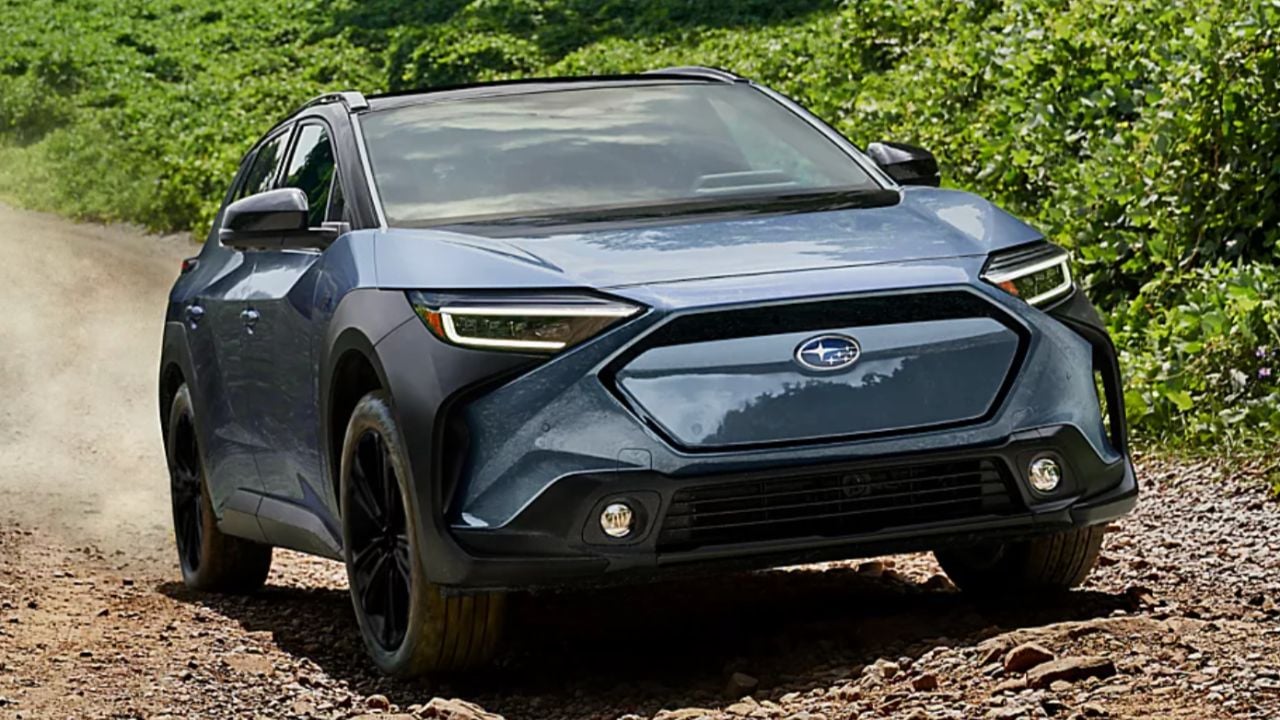
Subaru said tariffs in the United States alone created an estimated $1.42 billion impact on the company’s finances during fiscal year 2025. The automaker has been attempting to localize more production for the American market, though it remains heavily exposed to imported vehicles and components.
The United States remains Subaru’s largest and most important market, making trade-related costs especially significant. U.S. sales fell 3.2% last year to roughly 641,000 vehicles after a long period of steady growth and record-setting performance. Canadian sales also declined by approximately 4.3%, adding further pressure to the company’s North American operations.
At the same time, Subaru joined a growing list of automakers scaling back or delaying portions of their EV ambitions. Company CEO Atsushi Osaki said Subaru believes most major battery-electric vehicle-related expenses have now been recognized financially.
Osaki stated that Subaru would continue developing core EV technologies but would “significantly reduce” the resources allocated toward those efforts for the time being.
Subaru Delays Its Own EV Production Plans
Subaru’s current electric vehicles, including the Subaru Solterra and Subaru Trailseeker, were developed closely alongside Toyota as part of a collaborative strategy designed to reduce development costs. The company had originally planned to launch internally developed EVs beginning in 2028 from a dedicated new production facility. That strategy is now changing.
Subaru confirmed the new plant will still open, though initial production will instead focus on internal combustion and hybrid vehicles rather than fully electric models. The decision reflects slowing EV demand growth in several markets and increasing caution among automakers regarding large-scale battery-electric investments.
Industry-wide, car manufacturers have recently delayed EV launches, reduced battery production targets, or redirected investment toward hybrids as consumer demand becomes less predictable.
For Subaru, which traditionally operates on much smaller production volumes than many larger rivals, controlling development costs has become increasingly important.
The Weather Explanation Raised Eyebrows
One of the more surprising comments surrounding Subaru’s recent performance involved the company’s explanation for weaker U.S. sales. Executives pointed to unusually harsh winter weather earlier in the year as a factor that disrupted dealership traffic and contributed to declining sales figures.
That explanation drew attention partly because Subaru has spent decades building its brand identity around all-wheel-drive capability and winter-weather confidence.
Earlier in the year, Subaru’s U.S. sales leadership similarly blamed major winter storms for weaker January performance after total monthly sales fell 9.1% year-over-year. During that same month, however, the Subaru Forester posted a strong 22% sales increase and became the company’s top-selling model.
The Forester benefited from the launch of a new hybrid version and expanded production at Subaru’s Indiana plant. Meanwhile, several other models experienced steep declines, including the Subaru Outback, Subaru Crosstrek, and Solterra EV.
The Solterra’s sales dropped nearly 46% despite updates introduced for the 2025 model year, reflecting broader softness in EV demand across portions of the market.
Subaru Is Still Investing For Growth
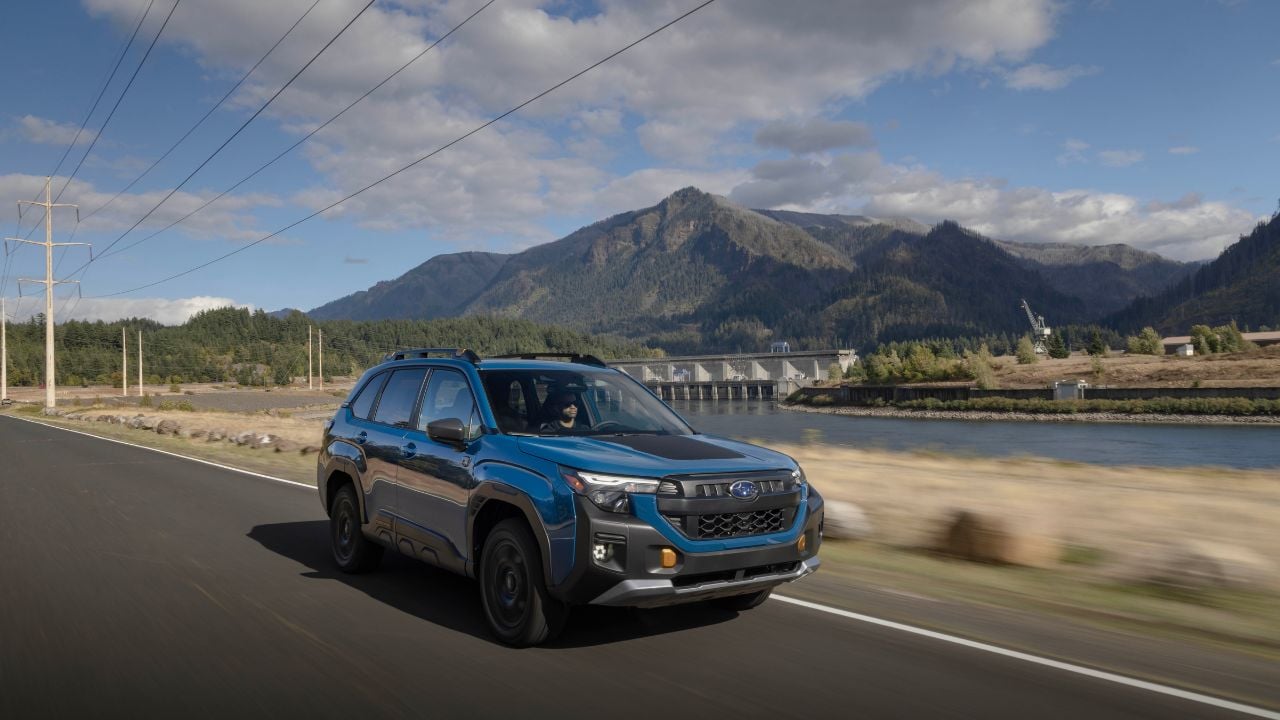
Despite the difficult year, Subaru is still planning for future expansion. The automaker announced plans to repurchase up to 150 billion yen in shares over the next year while also targeting increased vehicle production.
Subaru aims to build approximately 900,000 vehicles this year and expects total sales to reach around 940,000 units including joint-venture EV programs.
The company is also looking for new revenue opportunities beyond vehicle sales. Subaru said it plans to place greater emphasis on accessories, rooftop cargo systems, and connected vehicle services as part of its broader profitability strategy.
Executives are targeting a return to operating profits of roughly 150 billion yen next year. Whether Subaru reaches that goal may depend heavily on future tariff policies, improving market conditions, and whether the automaker’s pivot away from aggressive EV expansion proves to be the right move at the right time.