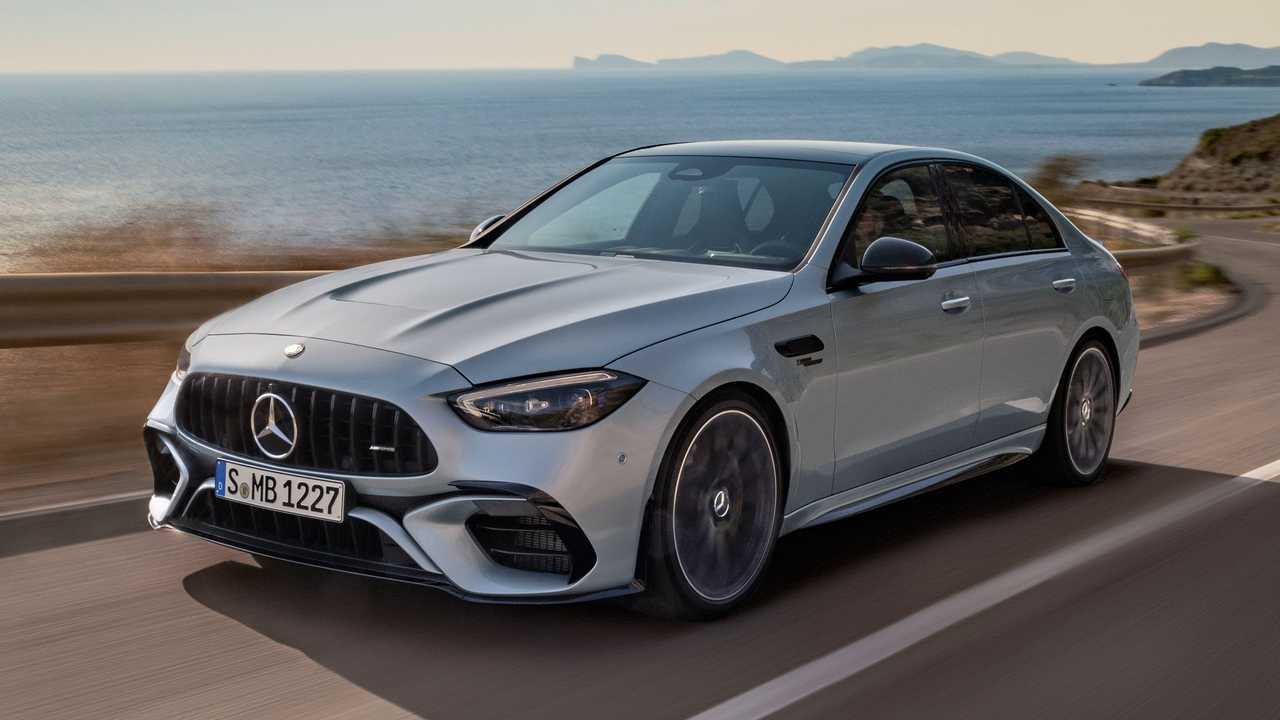
Mercedes-Benz is preparing an aggressive expansion strategy in the United States as the automaker attempts to reclaim ground in the premium market and achieve something no luxury brand has ever accomplished in America: annual sales of 400,000 vehicles.
The ambitious target comes as Mercedes moves away from its recent “profit over volume” strategy, a plan that prioritized high-margin vehicles and exclusivity but ultimately failed to deliver the growth the company hoped for. Now, the automaker is refocusing on mainstream premium sales while still aiming to preserve healthy profitability.
Leading the effort is Adam Chamberlain, who told Automotive News the company wants to hit 400,000 annual U.S. sales by 2030. Reaching that number would require Mercedes to outperform long-time rivals, including BMW and Lexus, in one of the world’s most competitive luxury markets.
The strategy will rely on a massive wave of new products, expanded American production, and a renewed effort to strengthen relationships with dealers and customers after several turbulent years in the automotive industry.
Mercedes Is Going Back Toward Volume Growth
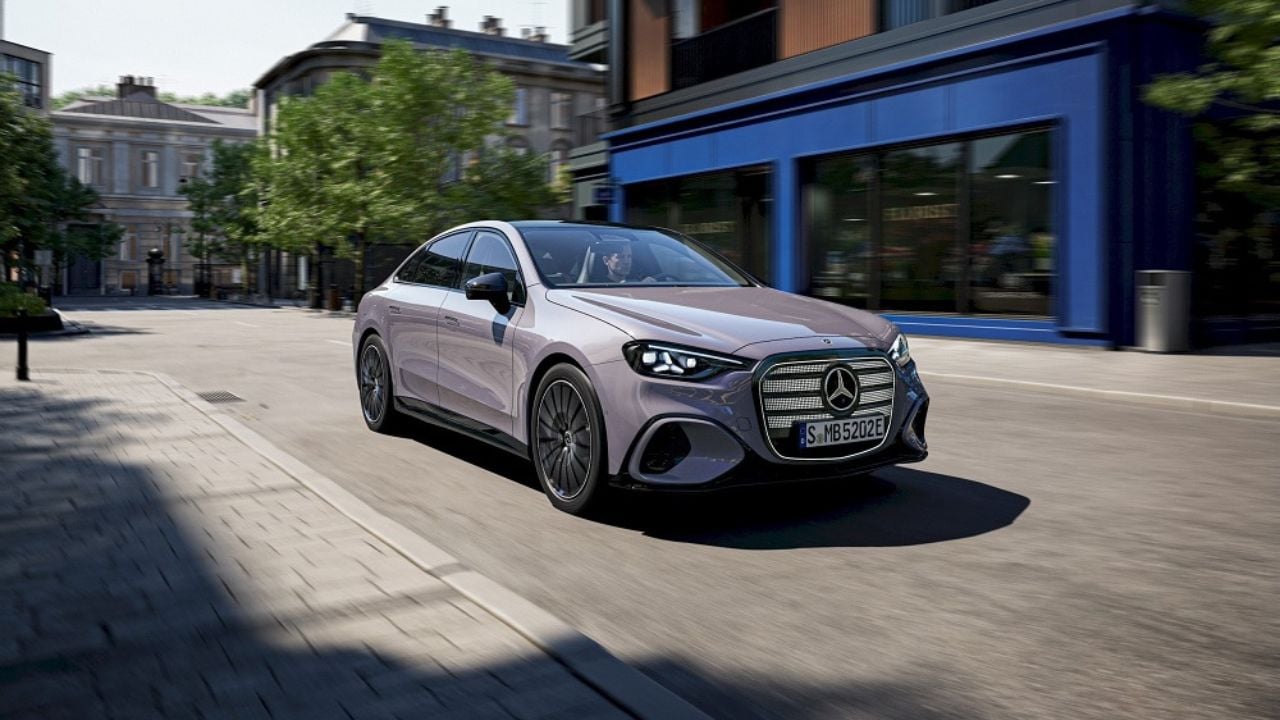
Mercedes-Benz executives have acknowledged that the company’s recent focus on maximizing margins at the expense of sales volume created challenges in the U.S. market. While high-end models remained profitable, the brand lost momentum in key mainstream luxury segments where competitors continued to expand.
The company is now repositioning itself more aggressively within what executives describe as the “mainstream premium” category. That means placing greater emphasis on high-volume products without completely abandoning the upscale image Mercedes has spent decades building.
Early signs of the strategy appear promising. Mercedes recently posted record sales for the Mercedes-Benz GLE, which remains one of the company’s most important products in North America. Still, executives recognize that a single model cannot carry the entire brand’s growth ambitions.
Chamberlain also emphasized that improving dealer relationships will be central to the company’s recovery efforts. He admitted Mercedes had lost some of its connection with retail partners and said the company is now trying to simplify communication and reduce operational complexity for dealerships.
The executive additionally stressed the importance of improving the customer experience at showrooms, encouraging sales staff to spend more time interacting directly with buyers rather than focusing heavily on performance metrics and administrative systems.
Thirty New Models Are On The Way
Mercedes is backing its sales ambitions with one of the largest product offensives in its recent history. The automaker plans to launch approximately 30 new or updated vehicles for the North American market over the next several years.
Some of those products are already beginning to emerge. Updated versions of the Mercedes-Benz GLS and GLE are expected to play major roles in sustaining SUV sales momentum, while a heavily revised Mercedes-Benz S-Class will continue serving as the company’s flagship internal combustion model.
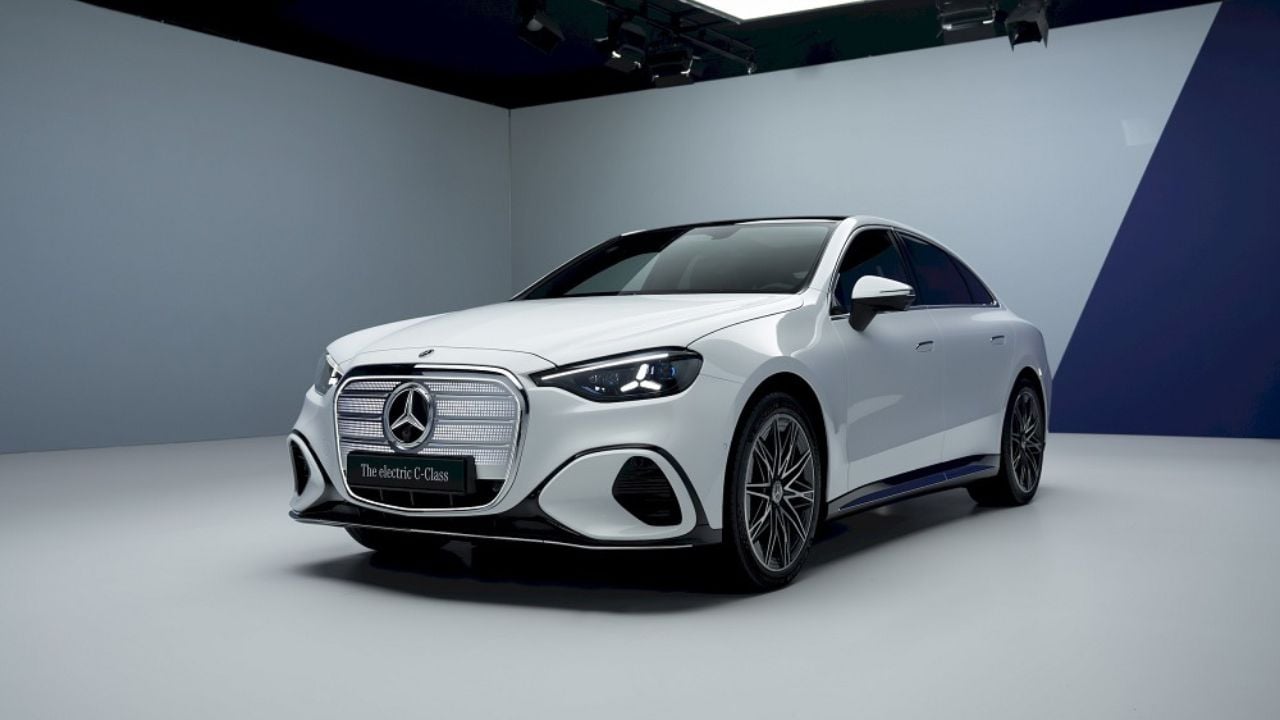
Mercedes is also pushing forward with electrification despite slower EV demand growth across parts of the market. The upcoming Mercedes-Benz GLC EV is expected to arrive in U.S. showrooms by mid-2026, followed later by a battery-electric version of the Mercedes-Benz C-Class.
Globally, Mercedes has also reversed earlier plans to eliminate the Mercedes-Benz A-Class, allowing the entry-level model to continue into another generation.
The extensive product push is designed to strengthen Mercedes across multiple segments simultaneously, ranging from traditional gasoline-powered luxury sedans to SUVs and battery-electric vehicles.
Alabama Production Will Become More Important
Like many global automakers, Mercedes-Benz has also been heavily affected by tariffs and rising import costs. The company reportedly absorbed roughly $1.2 billion in tariff-related impacts last year, contributing to a sharp decline in earnings.
To reduce that exposure, Mercedes is expanding production capacity at its Tuscaloosa, Alabama, manufacturing facility. The company plans to add the GLC crossover, currently imported from Germany for the U.S. market, to domestic production beginning in 2027.
The Mercedes-Benz GLC is not only Mercedes’ best-selling vehicle in the United States but also one of its strongest global sellers overall. Producing the model in Alabama could help Mercedes avoid future tariff costs while improving supply flexibility for the American market.
The strategy mirrors industry trends as automakers increasingly localize production to navigate shifting trade policies and geopolitical uncertainty.
Breaking The Luxury Sales Record Won’t Be Easy
No luxury automaker has ever surpassed 400,000 annual sales in the United States, making Mercedes-Benz’s target historically ambitious. The company currently aims to reach roughly 325,000 units in the near term before pushing toward its larger long-range goal.
Success will depend on several factors aligning at once. Mercedes must launch its new products successfully, maintain strong dealer relationships, navigate tariff pressures, and balance gasoline, hybrid, and EV demand in an increasingly unpredictable market.
Competition also remains fierce. BMW, Lexus, Audi, and emerging EV-focused luxury brands continue fighting aggressively for market share in nearly every premium segment.
Still, Mercedes-Benz appears determined to regain momentum in America. With dozens of new vehicles on the way and expanded local production in development, the company is betting that a broader lineup and stronger dealer engagement can help it chase a luxury sales milestone no competitor has ever reached before.