Toyota is preparing a major expansion of its Texas manufacturing operations with a proposed $2 billion investment that could dramatically increase the company’s truck production capacity in the United States. Public filings submitted to Texas officials reveal plans for a new assembly line at Toyota’s existing San Antonio manufacturing complex, a project expected to create roughly 2,000 jobs.
The expansion project, internally referred to as “Project Orca,” would be built adjacent to Toyota’s current truck plant in Bexar County, Texas. According to filings reviewed by Reuters, construction could begin by the end of 2026, with production operations targeted to launch around 2030.
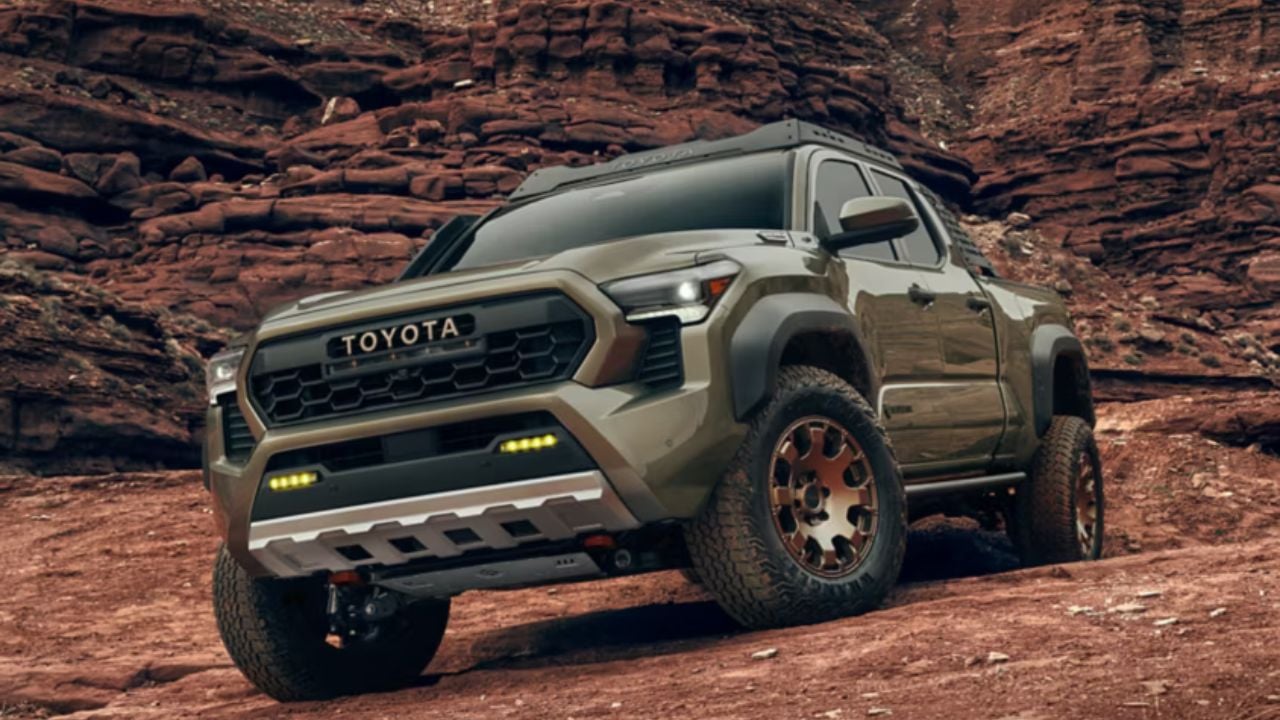
Toyota has not confirmed which vehicles will be built on the new assembly line. However, the scale of the investment and shifting U.S. trade policies have fueled speculation that the automaker could bring production of the Toyota Tacoma back to the United States after moving all manufacturing of the truck to Mexico in 2021.
The project arrives at a time when automakers worldwide are reassessing manufacturing strategies, supply chains, and regional production footprints as tariffs, political pressure, and changing consumer demand reshape the global automotive industry.
Massive Investment Planned For Texas Facility
According to documents filed with the Texas Comptroller of Public Accounts, Toyota plans to invest approximately $1.05 billion into buildings and property improvements tied to the expansion. Another $950 million would reportedly be allocated toward machinery, tooling, and production equipment.
The new assembly line would significantly expand Toyota’s manufacturing footprint at its San Antonio site, which currently produces the Toyota Tundra and Toyota Sequoia. The facility built nearly 200,000 vehicles last year and employs roughly 3,700 workers.
Toyota said in a statement that it continuously evaluates its manufacturing footprint to remain competitive and aligned with customer demand. The company also emphasized its broader commitment to North American manufacturing, local jobs, and regional suppliers.
The expansion would add another major investment to Toyota’s growing U.S. production network, which already spans multiple states and vehicle programs.
Tacoma Looks Like A Logical Candidate

Although Toyota has not officially announced what the new production line will build, industry observers believe the Tacoma could be one of the strongest possibilities.
Tacoma production previously took place in Texas before Toyota consolidated assembly operations at two plants in Mexico. Since then, the midsize truck has remained one of the best-selling vehicles in its segment in the American market.
Recent tariff changes have complicated the economics of relying heavily on Mexican-built vehicles for U.S. sales. New tariffs targeting imported vehicles and components have increased pressure on automakers to localize more production inside the United States, even within the framework of the USMCA trade agreement.
Relocating at least part of Tacoma production back to Texas could help Toyota reduce exposure to tariffs while strengthening domestic manufacturing capacity in its largest market. It would also align with the company’s long-standing “build where you sell” production philosophy.
Toyota has not publicly confirmed any plans involving Tacoma assembly at the San Antonio expansion site.
Part Of A Much Larger U.S. Manufacturing Push
The Texas investment appears to fit within Toyota’s broader multibillion-dollar strategy aimed at increasing U.S. production and expanding hybrid and electrified vehicle manufacturing capacity.
Last year, Toyota announced plans to invest as much as $10 billion into American manufacturing projects over a five-year period. That initiative included nearly $1 billion dedicated to hybrid component production and vehicle manufacturing upgrades across several states, including Kentucky, Tennessee, Mississippi, Missouri, and West Virginia.
In March, Toyota also committed another $1 billion toward expanding operations in Kentucky and Indiana. The Kentucky investment included increased production capacity for the Toyota RAV4 and Toyota Camry, along with a new battery-electric vehicle production line. Meanwhile, the Indiana facility received funding to increase output of the Toyota Grand Highlander hybrid.
Toyota CEO Kenta Kon previously hinted during an earnings call that additional factory expansion would play an important role in the company’s long-term production strategy.
Automakers Are Reworking Global Supply Chains
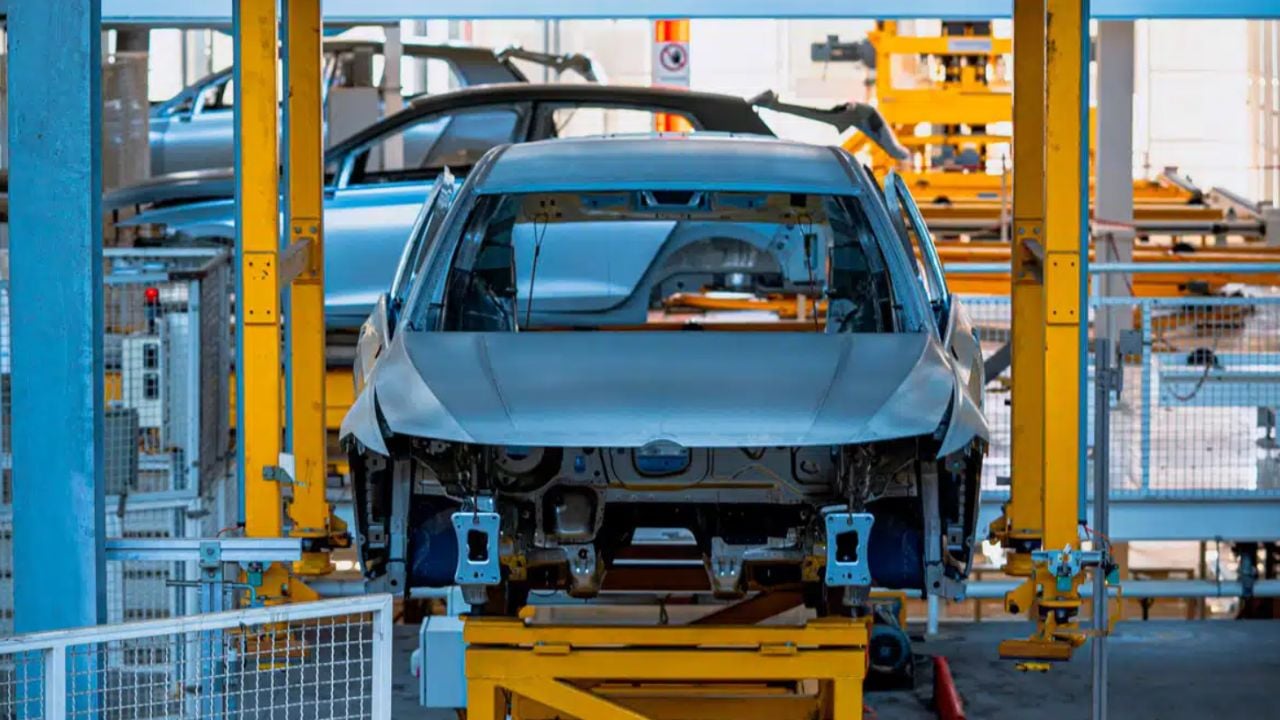
Toyota’s expansion reflects what’s currently happening across the automotive industry as manufacturers adapt to evolving trade regulations and geopolitical uncertainty. Companies are increasingly reevaluating where vehicles and components are produced as tariffs and supply chain risks become more significant factors in long-term planning.
Several automakers have already announced restructuring efforts, production relocations, or cost-cutting measures in response to changing market conditions. While some competitors are reducing manufacturing capacity, Toyota appears to be moving aggressively in the opposite direction by expanding domestic production capability.
If Project Orca moves forward as expected, the San Antonio expansion could become one of Toyota’s most important North American manufacturing investments of the decade. Whether it ultimately brings Tacoma production back to Texas remains unconfirmed, though the possibility is becoming increasingly difficult to ignore.