
Some drivers notice something odd after servicing an automatic transmission.
The car may shift more abruptly, hesitate, or feel less smooth right after the fluid change, even if the transmission seemed acceptable before the service.
It can feel counterintuitive, but there are a few practical reasons this happens, and most of them come down to how automatic transmissions manage hydraulic pressure and how old fluid behaves inside a worn unit.
What Transmission Fluid Does Over Time
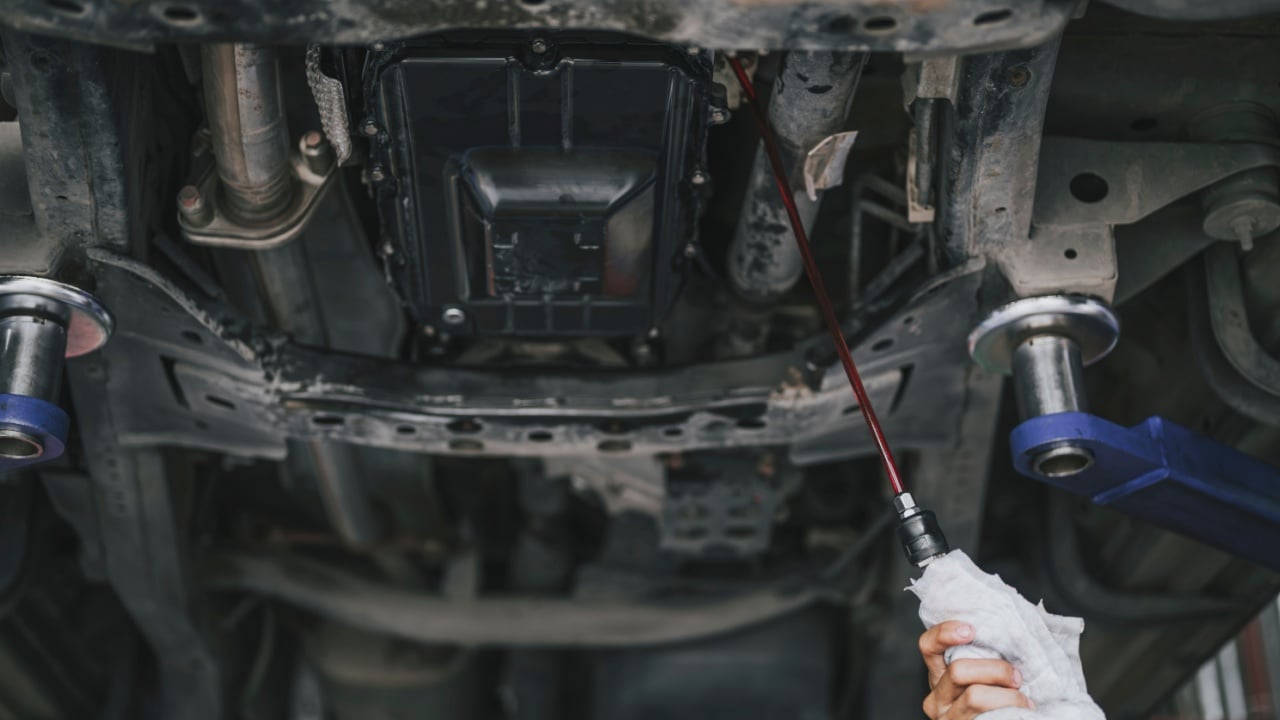
Automatic transmission fluid does much more than lubricate. It also cools, cleans, and serves as the hydraulic working fluid that applies clutches and controls shift timing. As the fluid ages, it loses performance and collects contamination from normal wear.
Inside the transmission, there is constant friction. Clutches engage and release, gears mesh, seals move, and small wear particles accumulate. Filters and magnets capture some of this material, but fine debris still circulates through the system. Over time, that contamination can reduce the fluid’s ability to lubricate and manage heat, especially under heavy use, towing, or repeated stop-and-go driving.
This is why “lifetime fluid” claims are often misleading in real-world conditions. Many transmission manufacturers recommend periodic service even when the vehicle brand suggests otherwise, because the transmission’s long-term health depends heavily on fluid condition.
Fresh Fluid Can Start a Cleaning Cycle
Modern transmission fluids contain additive packages designed to keep internal passages clean. When fresh fluid goes into an older transmission, it can begin loosening varnish and deposits that have built up over years of use.
That sounds like a good thing, but it can temporarily cause problems. As deposits break loose, they can move through the valve body, where fluid is routed through extremely small passages. If debris partially blocks a channel or interferes with a pressure-regulating valve, shift behavior can change immediately. The transmission may react with delayed shifts, harsher engagement, or inconsistent pressure control.
In some cases, debris can also clog the fine screens on solenoids, which are responsible for controlling fluid flow electronically. If that happens, the transmission control strategy can struggle to deliver the smooth operation you expect.
Old Fluid Can Mask Wear
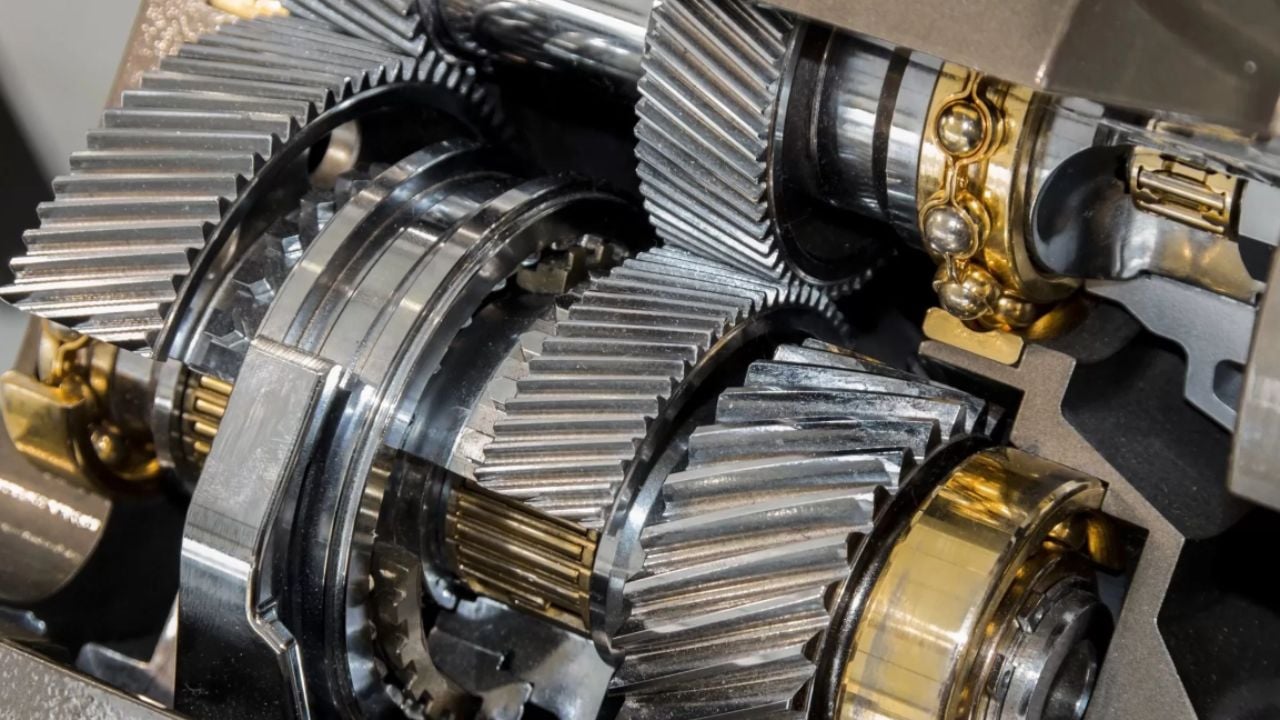
Another reason a transmission can feel worse after a fluid change is that worn components may have been “living” with the old fluid.
Old fluid that is heavily contaminated can be thicker than fresh fluid. In a transmission with internal wear, clearances can open up over time. Thicker, dirty fluid can sometimes help maintain enough pressure to keep clutches applying reasonably well, essentially masking underlying wear.
When fresh fluid is installed, it flows differently. If the transmission already has worn clutch packs, tired seals, or increased internal leakage, the system may have a harder time maintaining stable hydraulic pressure with clean, properly functioning fluid. The result can be noticeable: slipping, flare shifts, delayed engagement, or rougher operation right after service.
This does not mean the new fluid caused the wear. It means the service removed the “mask” and revealed the condition that already existed.
Why Partial Fluid Changes Are Sometimes Recommended
Because of these risks, some technicians prefer a gradual approach on higher-mileage transmissions that have never been serviced. Instead of replacing all the fluid at once, they may do partial changes over time. That reduces how aggressively the fresh fluid cleans, lowering the chance that a large amount of loosened material will circulate at once.
This approach is not a universal rule, but it is often used as a practical compromise when a transmission has a long history on old fluid and no clear service record.
What Drivers Should Pay Attention To
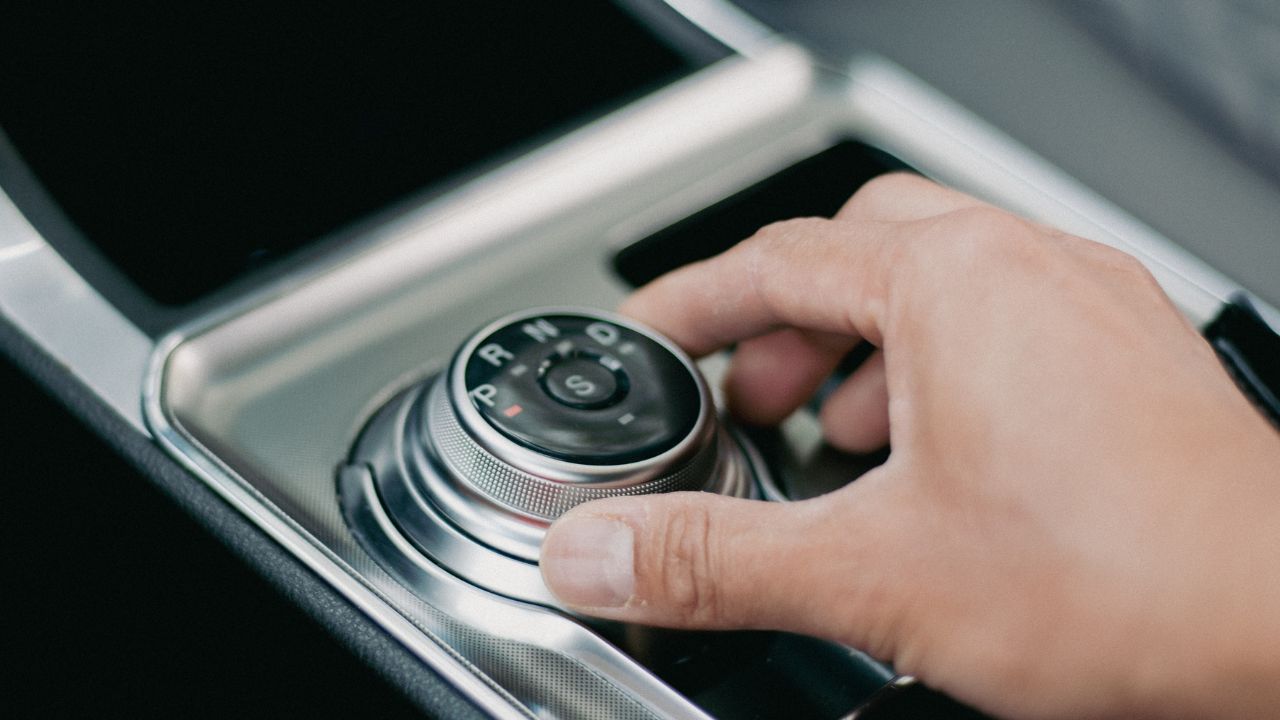
If an automatic transmission feels worse after a fluid change, the first things to check are straightforward.
Fluid level matters. An automatic transmission is sensitive to being even slightly low or slightly overfilled, depending on design.
Correct fluid type matters. Many modern transmissions require very specific fluid formulations.
Adaptation settings matter on some vehicles. Certain transmissions may need a relearn or adaptation procedure after service to optimize shift quality.
If the fluid that came out was extremely dark, burnt smelling, or full of visible debris, that is also a clue that the unit may already be near the edge of wear tolerance.
Practical Maintenance Guidance
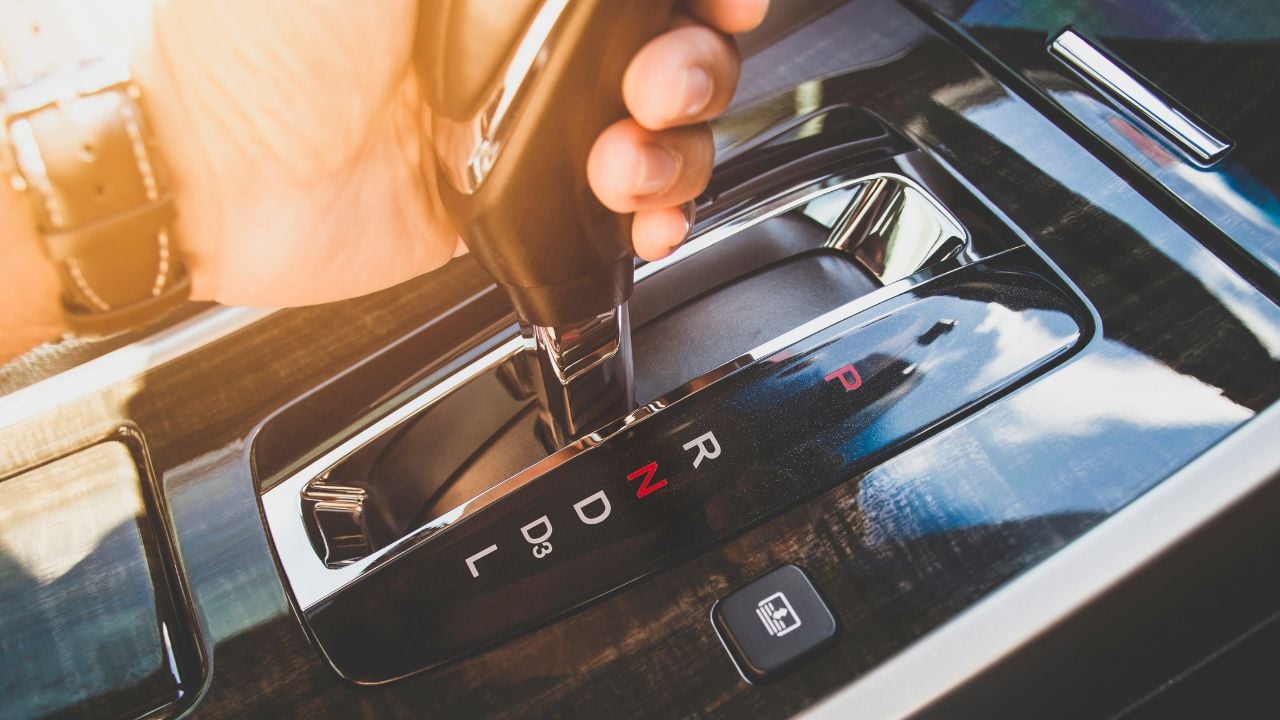
If you want an automatic transmission to last, the best strategy is simple.
Drive it with mechanical sympathy. Avoid repeated aggressive launches, overheating, and unnecessary abuse.
Service the fluid periodically rather than waiting until problems appear. Many real-world service schedules fall into a range that makes sense for mixed-use driving, especially if the vehicle sees city traffic, heat, towing, or hard use.
And when advice differs between the vehicle brand and the transmission manufacturer, many owners choose to follow the guidance from the company that designed and built the transmission itself.
The key takeaway is that a transmission feeling rough right after a fluid change does not automatically mean the service was done wrong. It often means the transmission is adjusting, deposits are moving through the system, or underlying wear was already present and is now more obvious.
This article originally appeared on Autorepublika.com and has been republished with permission by Guessing Headlights. AI-assisted translation was used, followed by human editing and review.