The automotive connection between Italy and Detroit has lasted for decades, but it is now entering a new phase.
Legendary design and engineering company Italdesign will invest $20 million over the next five years to expand its business in the United States.
The goal is clear. Italdesign wants to become one of the key development partners for the American auto industry.
The company is no longer only a design studio known for dramatic concept cars. Today, it can help develop a vehicle from the first sketch to engineering, prototypes, homologation, and small series production.
A Famous Italian Name Comes Closer To Detroit
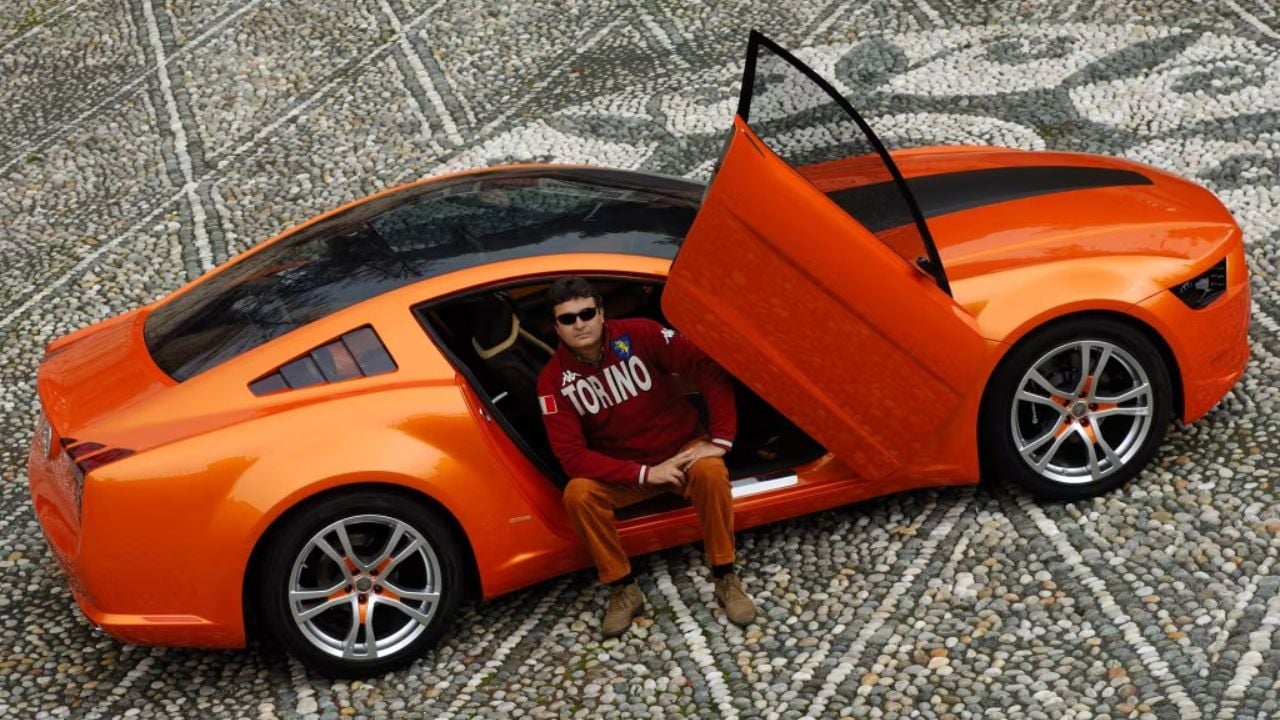
Italdesign was founded in 1968 by Giorgetto Giugiaro, one of the most important car designers in history. His work helped shape some of the most recognizable vehicles ever built.
The company opened a new office in Bloomfield Hills, Michigan, in 2024. That places Italdesign close to the center of the American auto industry.
The idea is to offer U.S. automakers a complete development partner with direct access to Italdesign’s headquarters near Turin. With teams working across different time zones, development can continue for much more of the day.
Italdesign wants to show American manufacturers that it can support much more than exterior styling.
Concept Cars Still Show Its Creative Side
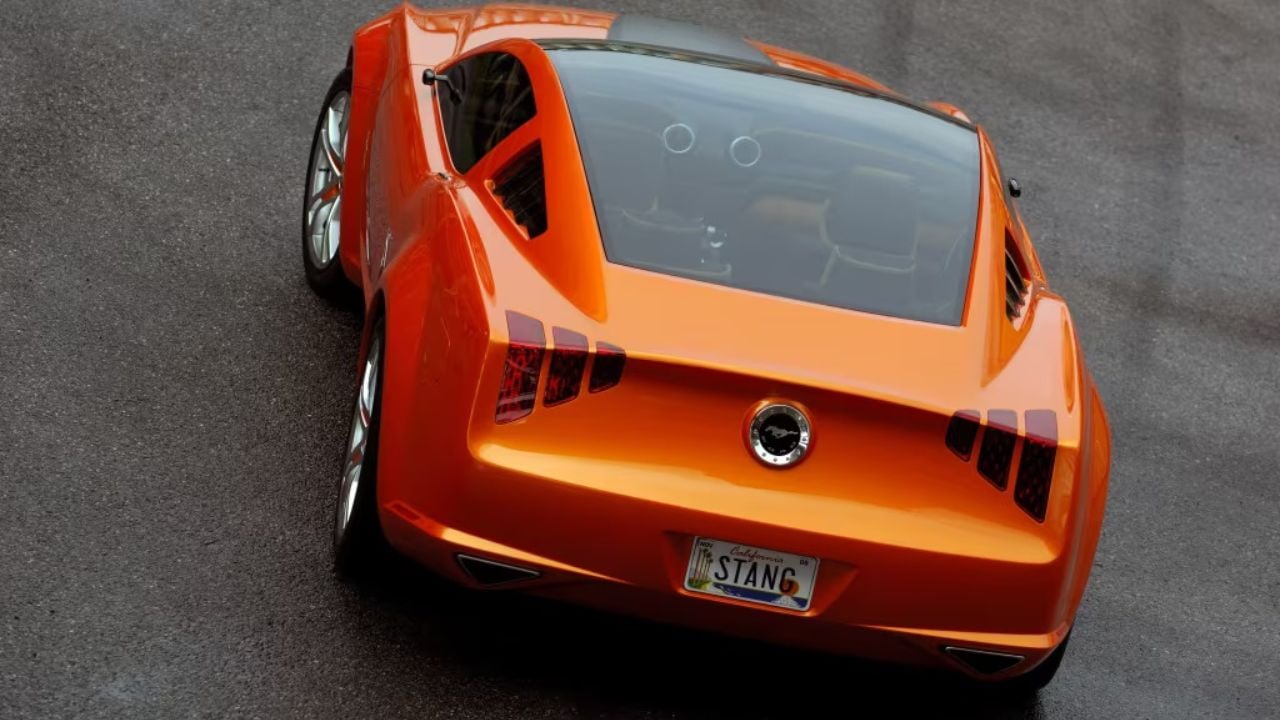
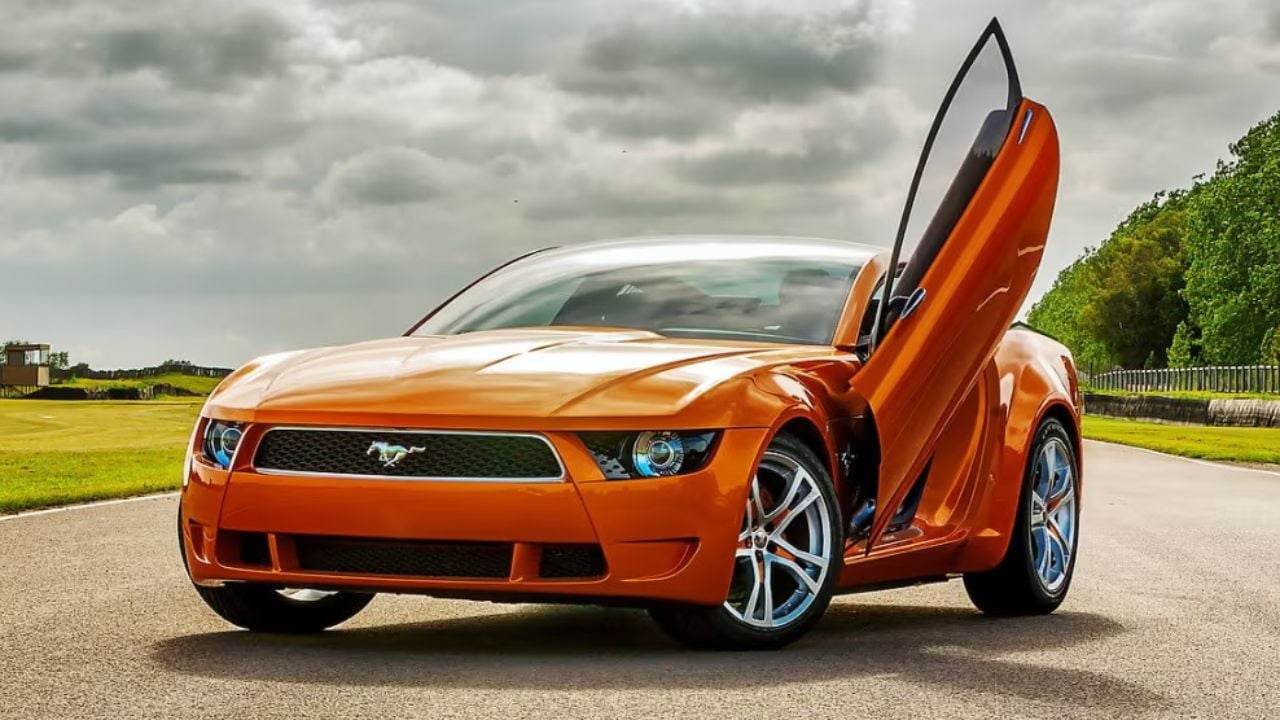
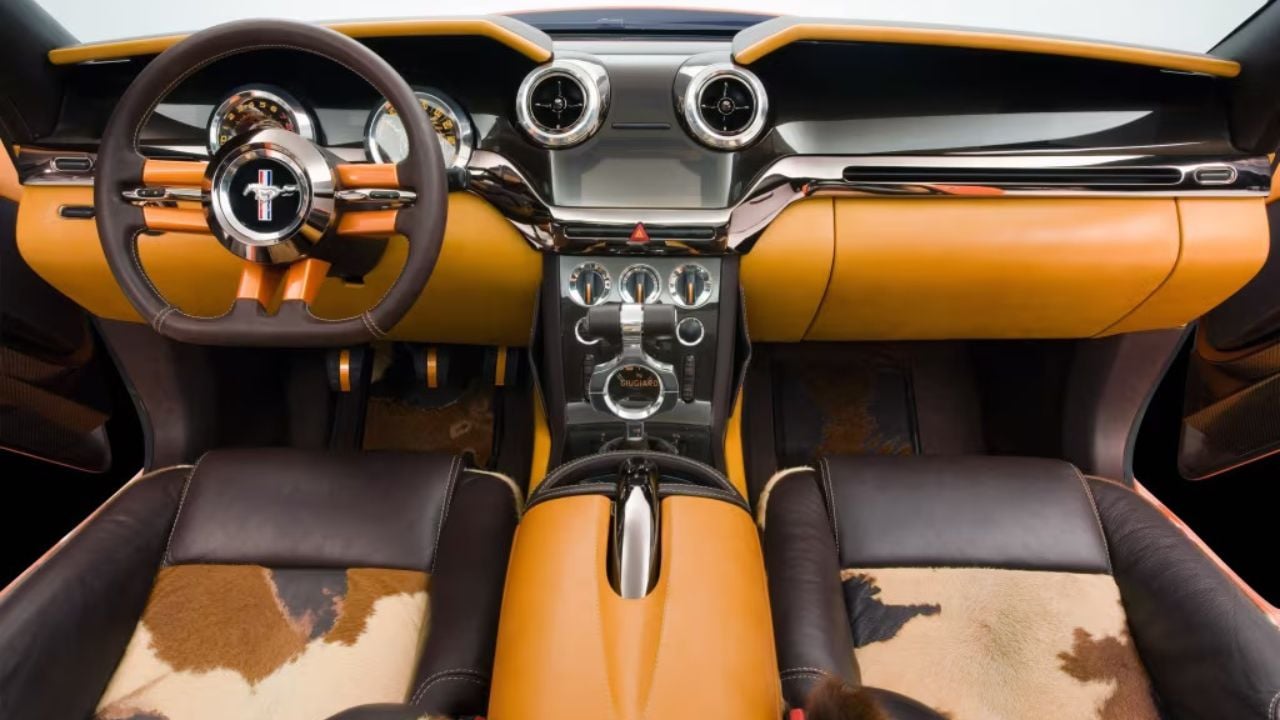
The company has already shown how wide its abilities can be. One notable example is the 2006 Giugiaro Mustang, a Ford concept with design ideas that later influenced elements of the production fifth-generation Mustang.
Italdesign also created the Chevrolet Corvette Moray, a futuristic concept built to mark 50 years of Corvette. It featured a glass cabin canopy and radical gullwing-style doors.
Still, much of Italdesign’s real work happens far from auto show spotlights. Over the years, the company has contributed to more than 300 production models.
Its work has included aerodynamics, lighting, infotainment systems, safety testing, prototype development, and many other parts of vehicle engineering.
Virtual Development Is A Major Focus
One of Italdesign’s most advanced tools is called the New Concept Lab. It is a simulated vehicle interior that combines a physical cabin with virtual reality.
The system uses seats, a steering wheel, VR glasses, and motion sensors. Engineers can use it to test ergonomics, visibility, and control layouts before a physical prototype is built.
The system can also compare two different interiors at the same time. Teams can simulate driving conditions and check how easy it is to use screens and controls while the vehicle is moving.
Italdesign has already adapted the same technology for trains, buses, and drones, showing that its work now extends beyond traditional cars.
Limited Models And Future Opportunities
Italdesign also has experience with exclusive limited production vehicles. One of its best known modern projects was the Nissan GT-R50, created to celebrate 50 years of Nissan’s “Godzilla.”
For that car, Italdesign handled the exterior design, interior, engine upgrades, and road homologation. The entire project, from the start of cooperation with Nissan to delivery of all 20 examples, was completed in only four years.
The company also built its own supercar, the Italdesign Zerouno, in a very limited series. That project showed how far Italdesign can go when it has full creative freedom.
Italdesign has worked with giants such as Fiat, Nissan, and Audi, as well as smaller specialist brands like Caterham. Fabrizio Mina, head of Italdesign Giugiaro USA, says the company wants to work with all types of manufacturers, but its move to Michigan is clearly tied to the American Big Three.
U.S. automakers are now going through major changes, from EV platforms and digital cabins to advanced driver assistance systems. Italdesign sees that shift as a major opportunity to become a technology and development partner capable of taking a vehicle from first idea to production-ready form.
This article originally appeared on Autorepublika.com and has been republished with permission by Guessing Headlights. AI-assisted translation was used, followed by human editing and review.