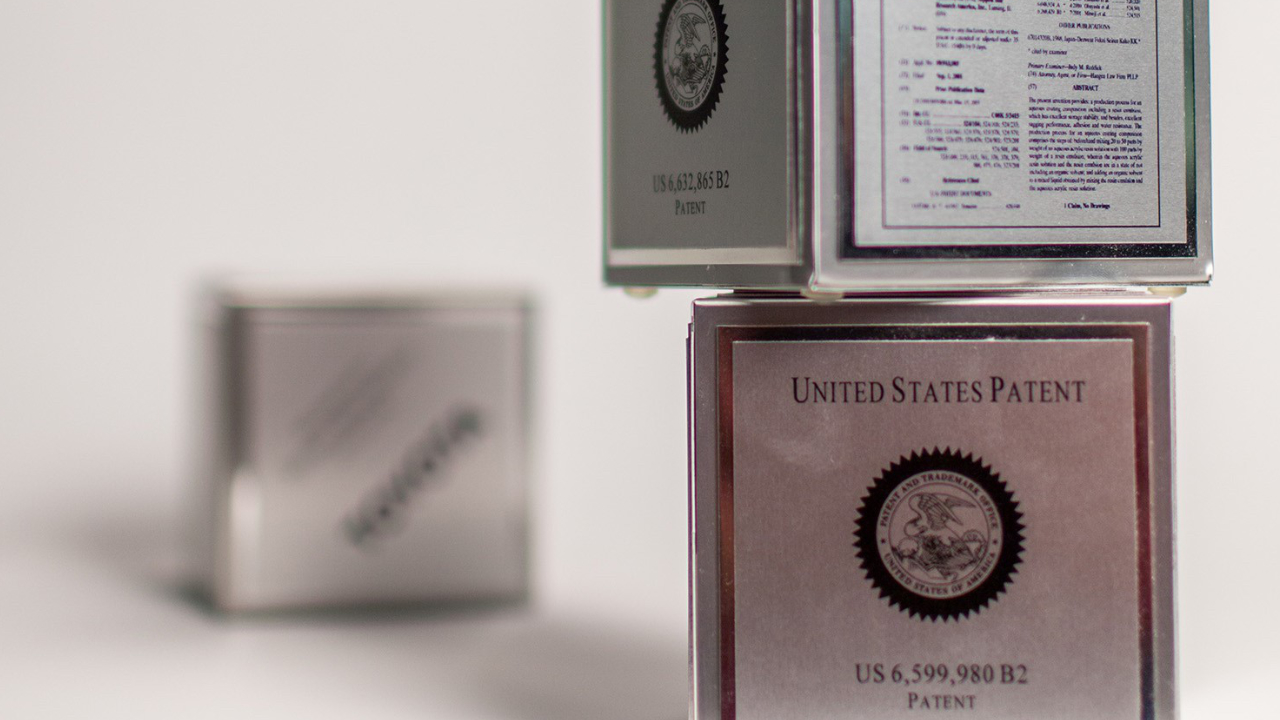
For the 11th year in a row, Toyota leads the auto industry in U.S. patents, racking up an impressive 2,428 in 2024. That’s not just another trophy for the shelf; it’s a clear signal that Toyota is deep in the business of building the future of mobility.
The news comes from the Intellectual Property Owners Association’s annual report, which tracks patent activity across all industries. Among every sector, not just automotive, Toyota still ranks in the top 10. That’s a big deal for a company many people still think of primarily as a carmaker. But Toyota’s ambitions are much bigger—and the patent filings show it.
More Than Just Cars
Toyota’s innovation engine spans far beyond traditional vehicle tech. They’re pushing forward in areas like cybersecurity, robotics, hydrogen fuel cells, electrified drivetrains, V2V and V2X communication, and materials science.
Sandra Phillips, who oversees sustainability and legal operations for Toyota North America, says the innovation reflects a company-wide shift: Toyota is evolving into a mobility company. That includes contributions from across their entire network, including North American R&D, Toyota Research Institute, Toyota Connected, and Woven by Toyota.
Smart Tech Solving Real Problems
What makes this year’s batch of patents especially exciting is how many of them are aimed at solving real-world challenges. One breakthrough involves LiDAR technology. Self-driving cars rely heavily on LiDAR to “see” objects around them, but traditional LiDAR has trouble picking up dark-colored clothing. Toyota invented a new type of black pigment made from copper oxide nanocrystals, which can be woven into clothing or gear to reflect LiDAR signals more effectively. It’s a clever safety upgrade hiding in plain sight.
Another patent tackles one of the most practical issues EV owners face: how to make smart charging decisions. Toyota developed a system that tracks real-time electricity pricing and grid conditions, then uses that data to recommend when and where to charge or even discharge power back to the grid. That means drivers could save money and help stabilize energy systems without lifting a finger.
Driving Toward a Smarter Roadway
Toyota is also thinking ahead to how automated vehicles will work together. One new patent outlines a method for vehicles to choose which other cars they should cooperate with on the road, helping to make traffic more efficient and safer as more cars become connected and automated.
Then there’s Toyota’s continuing push into hydrogen. A new fuel cell architecture and control system helps distribute power more evenly, improving performance and extending battery life. It’s a meaningful step in making hydrogen a more viable option for the long haul.
A Future Built on Innovation
Each one of these innovations points to a bigger story: Toyota isn’t just trying to keep up with change. They’re actively shaping what the future of driving and mobility will look like — cleaner, smarter, and better connected.
To put it simply, Toyota is building a portfolio around electrification, new materials, and autonomous driving, locking in core technologies that will carry them — and all of us — into the next era.