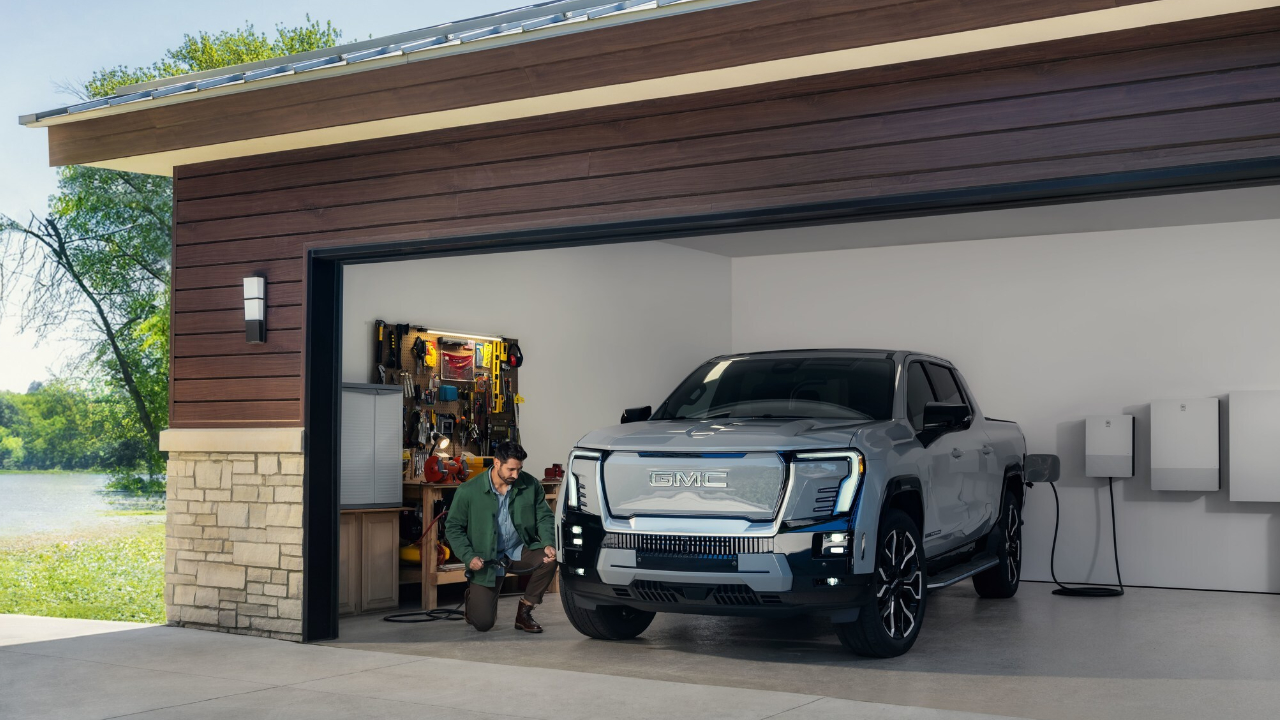
Imagine this: a storm knocks out power in your neighborhood, but your home stays lit—because your electric vehicle (EV) is running the show.
It sounds futuristic, but GM and PG&E are making it happen with a pilot program that turns EVs into mobile power stations. Your car won’t just get you from point A to point B; it could also keep your fridge running and your phone charged in an emergency.
How It Works
GM’s bidirectional charging technology allows power to flow both ways — into your car and back out to your home. During a blackout, your EV’s battery can step in as a backup generator. Even on regular days, this system could help lower energy bills by feeding power back to the grid when demand (and prices) are high.
If enough EV owners adopt this technology, it could help stabilize the entire power grid. Instead of relying on fossil fuel power plants during peak hours, utilities could tap into stored energy from thousands of EVs. That means fewer blackouts, lower emissions, and a smarter way to use electricity.
Why It Matters
This technology is more than just convenient—it’s a game changer for energy resilience. Homeowners would have more control over their electricity, reducing their dependence on traditional power sources. In areas prone to storms or grid failures, an EV could be a lifeline, providing power when it’s needed most.
Utilities could also benefit. With enough cars participating, power companies could reduce strain on the grid during high-demand times. This would help lower costs for everyone and reduce the need for expensive infrastructure upgrades.
What’s the Catch?
There are still hurdles to overcome. Not all EVs support bidirectional charging yet, and retrofitting older homes may not be cheap. Plus, frequent charging and discharging could wear down an EV battery faster, though research is underway to manage this issue.
GM and PG&E are offering incentives to get more people on board. Participants in the pilot program can receive up to $4,500 toward installation costs. Future incentives may also reward users for sending power back to the grid.
The Future of Energy in Your Driveway
This partnership between GM and PG&E is just the beginning. As more automakers adopt bidirectional charging, the way we think about home energy could change completely. One day, your car might not just be your transportation — it could be your personal power plant.