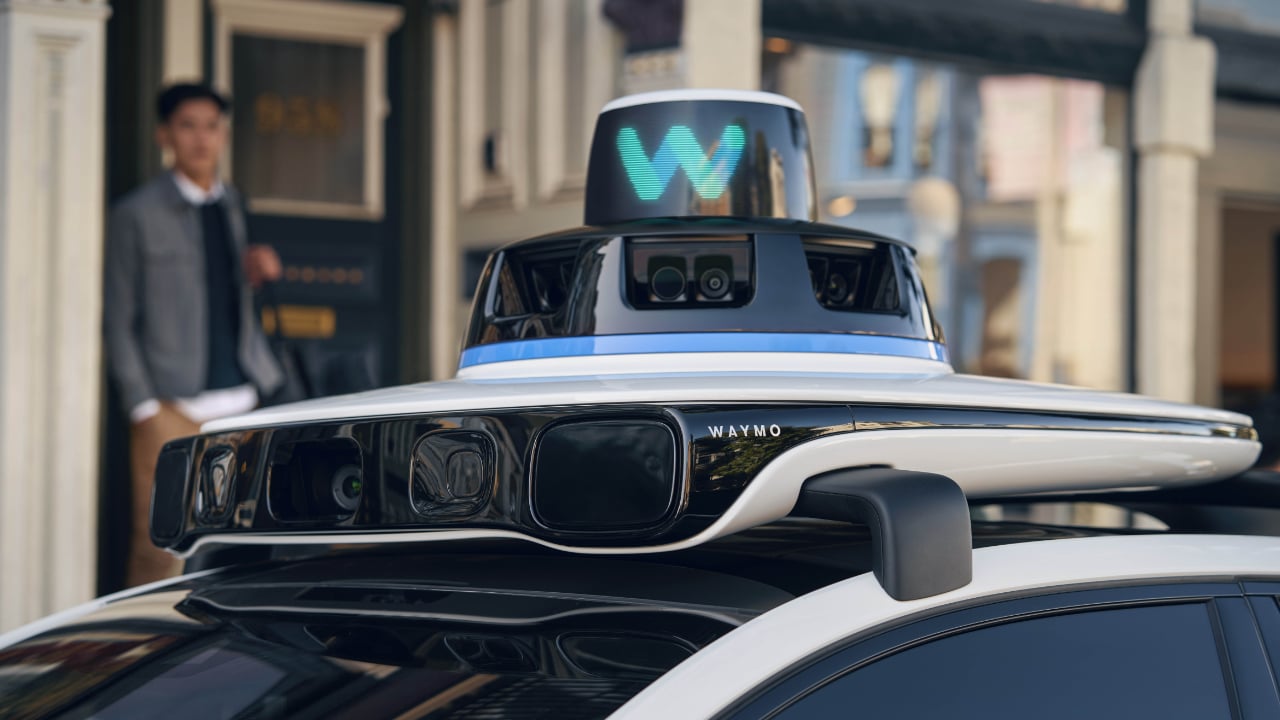
You could soon hail a ride in Washington, D.C., and find no one sitting in the driver’s seat. That’s the vision Alphabet’s Waymo is working toward, with plans to launch its fully autonomous ride-hailing service in the District by 2026.
After years of testing and real-world use in places like Phoenix, Waymo is now setting its sights on the East Coast—bringing with it the promise (and the questions) of a driverless future in one of America’s busiest, most complex cities.
What Makes Waymo Different from the Rest
Unlike many players still in the test track phase, Waymo is already giving real rides to real people — no backup driver needed — in cities like Phoenix. Their vehicles use a mix of cameras, radar, and lidar to “see” the world around them. They’re trained to handle everything from rush hour to roadwork.
What makes this especially exciting is that Waymo isn’t treating self-driving cars as an experiment anymore. They’re treating them like a business. And if it can work in a place like D.C. with its traffic circles, tight streets, and unpredictable pedestrians, it could work almost anywhere.
What This Means for Everyday Travel
Bringing self-driving taxis to D.C. could be a game-changer for commuters, night-shift workers, tourists, and anyone without easy access to a car. It could offer more predictable ride costs, fewer crashes caused by human error, and better mobility for people who can’t or don’t drive.
It also nudges cities toward rethinking traffic flow and parking, since autonomous fleets don’t need to sit idle waiting for the next passenger. In the long run, this shift could help make urban travel safer, cleaner, and more efficient.
The Roadblocks Still Ahead
There’s no shortage of challenges. D.C.’s road layout is notoriously tricky, and the weather isn’t always friendly to sensors. Regulators will want assurance that these vehicles can handle the unexpected: construction zones, emergency vehicles, or a pedestrian darting into traffic.
And then there’s public trust. Even with strong safety records, many people still feel uneasy getting into a car with no driver. Waymo knows this, and that’s why they’re easing in — starting with trained employees before opening the service to the general public.
Why This Moment Matters
Waymo’s D.C. plans aren’t just about adding a dot on the map. They’re about proving that self-driving technology can work in the real world, at scale, in cities with real challenges. If they pull it off, it could accelerate a major shift in how we get around — not just in D.C., but across the country.
The idea of autonomous rides is moving from “someday” to “soon,” and that’s a big deal for how we think about transportation, safety, and even city planning.