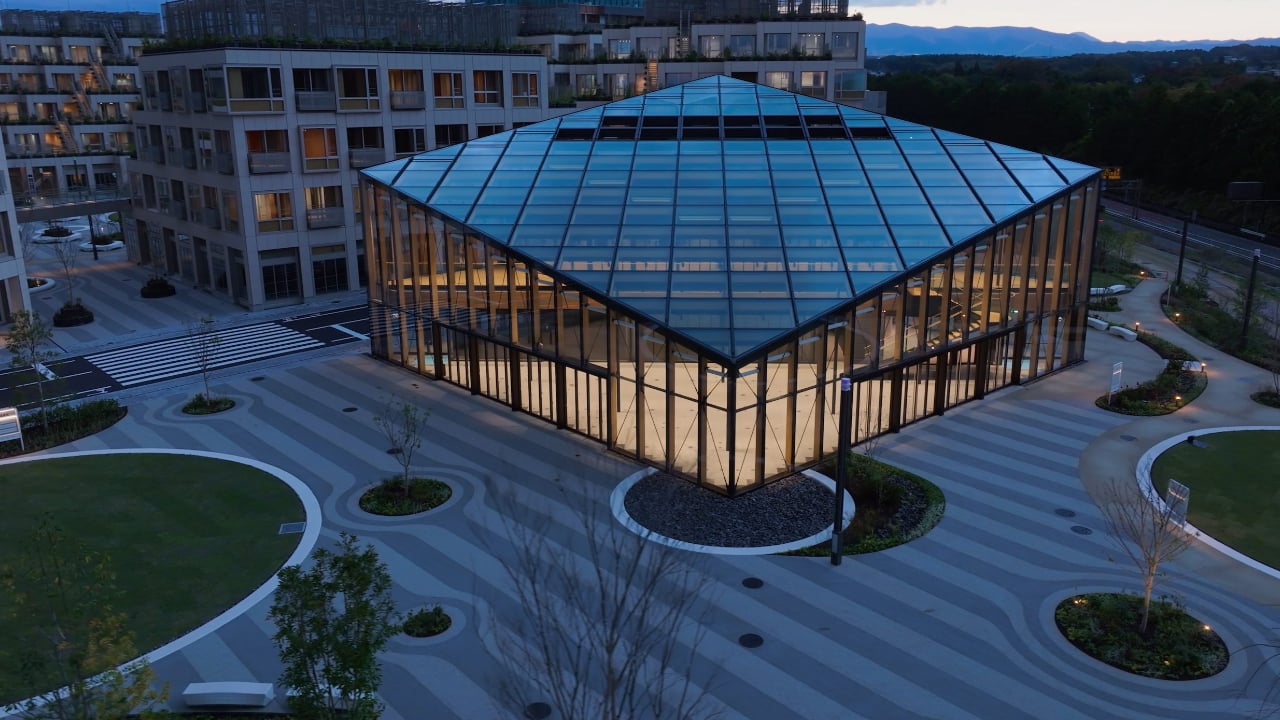
Imagine a place where the streets are designed not only for cars, but for people, bikes, and even robots. Where daily life runs on clean energy and the city itself learns from its residents. That’s not science fiction. It’s happening right now at the base of Mount Fuji in Japan.
Toyota’s Woven City just wrapped up Phase 1 of construction, setting the stage for an official opening in fall 2025. And for folks like me who’ve spent a lifetime loving cars and the freedom they bring, this project sparks a new kind of excitement—what happens when the road ahead leads to something bigger than driving?
What’s Toyota Actually Building?
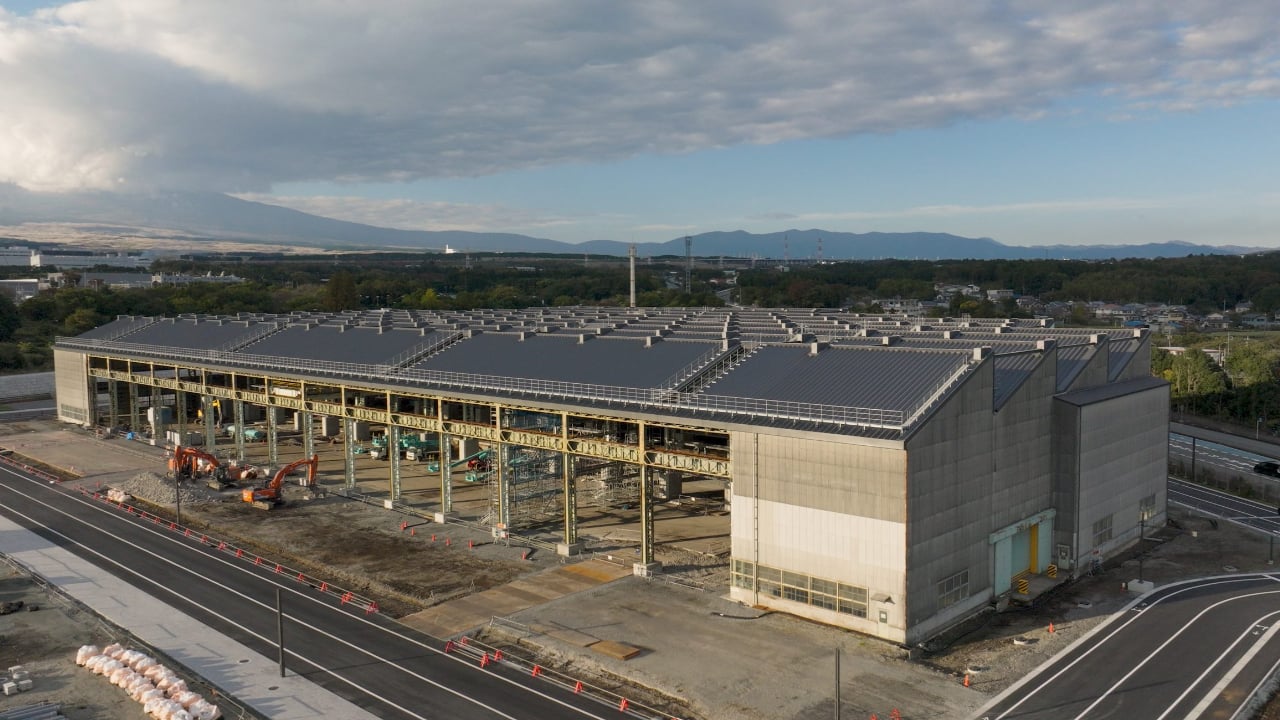
Woven City is a real-world experiment in living with future tech. It’s a 175-acre community built from scratch on the site of a former Toyota factory. The first group of around 2,000 residents will include Toyota employees, researchers, and their families.
What makes it different? Everything in the city, from sidewalks to homes, is wired with sensors and systems to test self-driving cars, robotics, and sustainable energy in daily life. It’s not just a test track. It’s a full-blown neighborhood designed to see how people and tech can grow together.
Why This Approach Stands Out
Most smart cities try to retrofit old streets and buildings. Woven City started fresh. There are three types of streets: one for pedestrians, one for slower personal transport like scooters or bikes, and one for self-driving vehicles. That alone could reduce accidents and ease traffic.
Inside the homes, you’ll find assistive robots, AI health monitoring, and clean hydrogen power. Even the trash takes a different route—automated tunnels under the city move waste out of sight and out of the way. The whole place is designed to function quietly, cleanly, and with care for its residents.
How It Could Actually Help Us
Here’s where it gets interesting. By living with the tech they’re developing, Toyota’s teams can tweak and improve it faster. Self-driving shuttles? They’ll know how they handle a real school run. Home robots? They’ll learn what actually helps and what doesn’t.
And all that data could shape better cities elsewhere. If it works, Woven City might help us design neighborhoods that are safer for kids, easier for older adults, and cleaner for everyone.
A Few Roadblocks to Consider
Big ideas always come with bumps. People are right to ask questions about privacy, data use, and whether this kind of city can be scaled up beyond a closed environment. Plus, not everyone wants tech in every part of their life.
Toyota’s being smart about it — treating Woven City as a long-term project and not rushing results. The real test starts when residents move in and these ideas face everyday challenges like laundry piles, cranky toddlers, and traffic during school drop-off.
Looking Down the Road
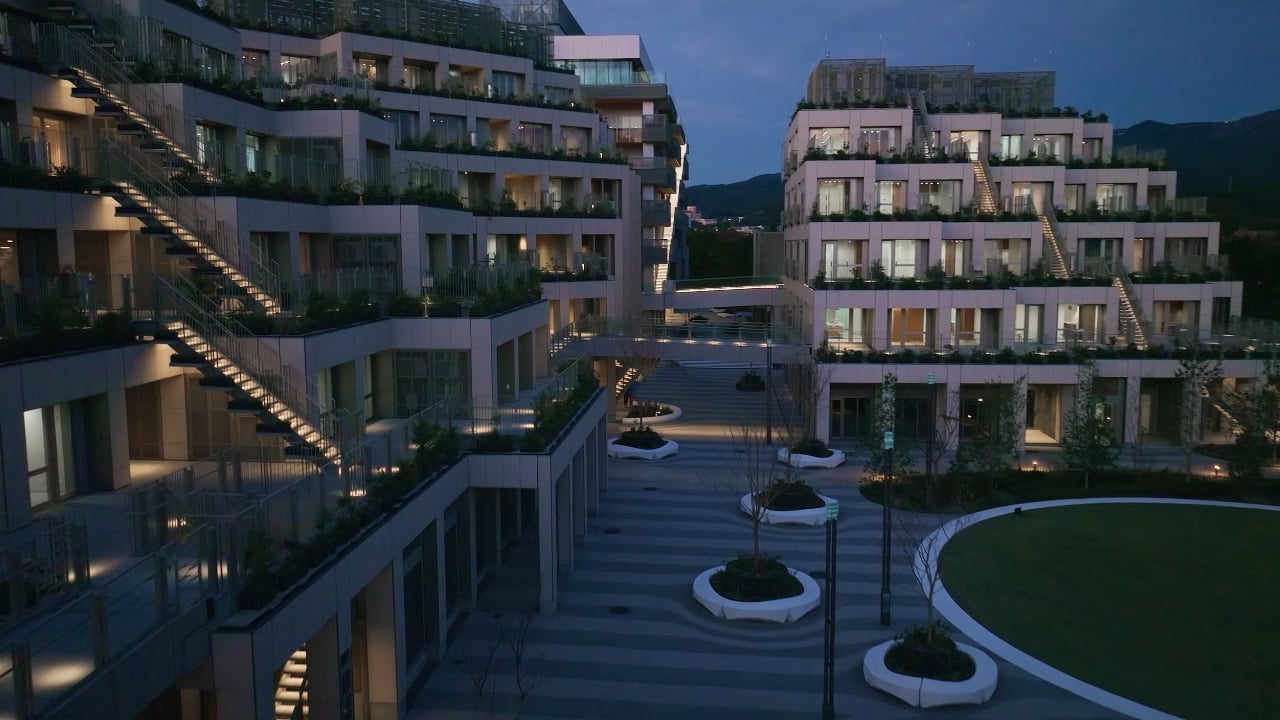
If Woven City lives up to its promise, we might one day live in places that feel less like concrete jungles and more like thoughtful, walkable, energy-smart communities. Streets could be shared peacefully by people and tech. Cars might become co-pilots instead of just machines.
And cities might finally feel built for people, not just commuters. It’s early days, but it’s a hopeful sign that the future of mobility might feel a bit more human.