
Volkswagen has ambitious plans to restore its financial performance by the end of the decade, but one of the most powerful labor representatives inside the company thinks those goals have drifted away from reality. Christiane Benner, deputy chair of Volkswagen Group’s supervisory board and head of Germany’s IG Metall union, has openly challenged management’s profitability targets.
Volkswagen Group is reportedly targeting an operating return on sales of between 8% and 10% by 2030. That would represent a dramatic improvement from its recent performance, including an operating return on sales of just 4.2% during the second quarter.
Reaching that target could require another painful restructuring effort. Volkswagen is examining ways to reduce manufacturing capacity and costs across Europe while simultaneously dealing with U.S. tariffs, fierce Chinese competition, and a rapidly changing electric vehicle market.
Benner isn’t convinced the numbers add up. According to Bloomberg, she characterized management’s targets as belonging in “cloud-cuckoo-land,” effectively arguing that Volkswagen needs a plan grounded in the economic conditions it actually faces.
Volkswagen Wants Much Higher Margins
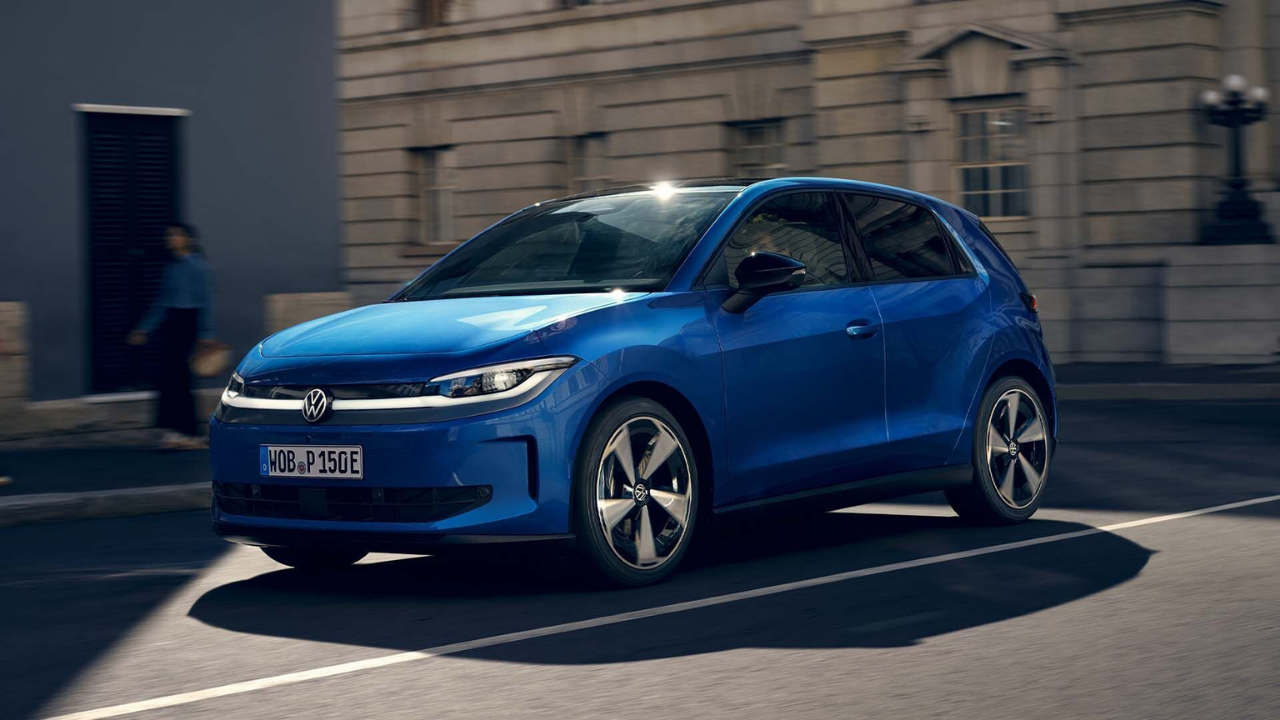
CEO Oliver Blume has been pushing Volkswagen Group to become considerably leaner. He has said the company’s overhead costs are over 30% higher than those of comparable businesses, leaving the automaker with a substantial disadvantage before its cars even reach customers.
Volkswagen’s proposed solution could involve reducing annual European production capacity by another 500,000 vehicles. Reports have also pointed toward potential factory closures, substantial workforce reductions, and smaller product portfolios across the group’s sprawling collection of brands.
Those measures would inevitably affect workers, which puts management on a collision course with labor representatives. Benner wants Volkswagen’s executive board to explain precisely how it intends to reach its profitability objectives before the supervisory board signs off on further restructuring.
Labor Isn’t Buying The 2030 Target
Benner’s criticism isn’t simply an argument against improving Volkswagen’s profitability. Her position is that an 8% to 10% operating return on sales needs to account for the difficult environment in which Volkswagen is currently operating.
China presents perhaps the clearest example. Volkswagen spent decades building a powerful position there, but domestic manufacturers now offer increasingly sophisticated electric and electrified vehicles at highly competitive prices, putting established foreign brands under intense pressure.
The United States brings a different challenge. Import tariffs introduced under President Donald Trump have increased costs for foreign automakers, while Volkswagen’s EV strategy has encountered its own setbacks as the American electric market develops differently than manufacturers once anticipated.
Volkswagen therefore needs to improve profitability while fighting harder for sales in several major markets. From labor’s perspective, setting a lofty margin target first and figuring out the consequences afterward isn’t enough.
Factories And Models Could Face More Pressure
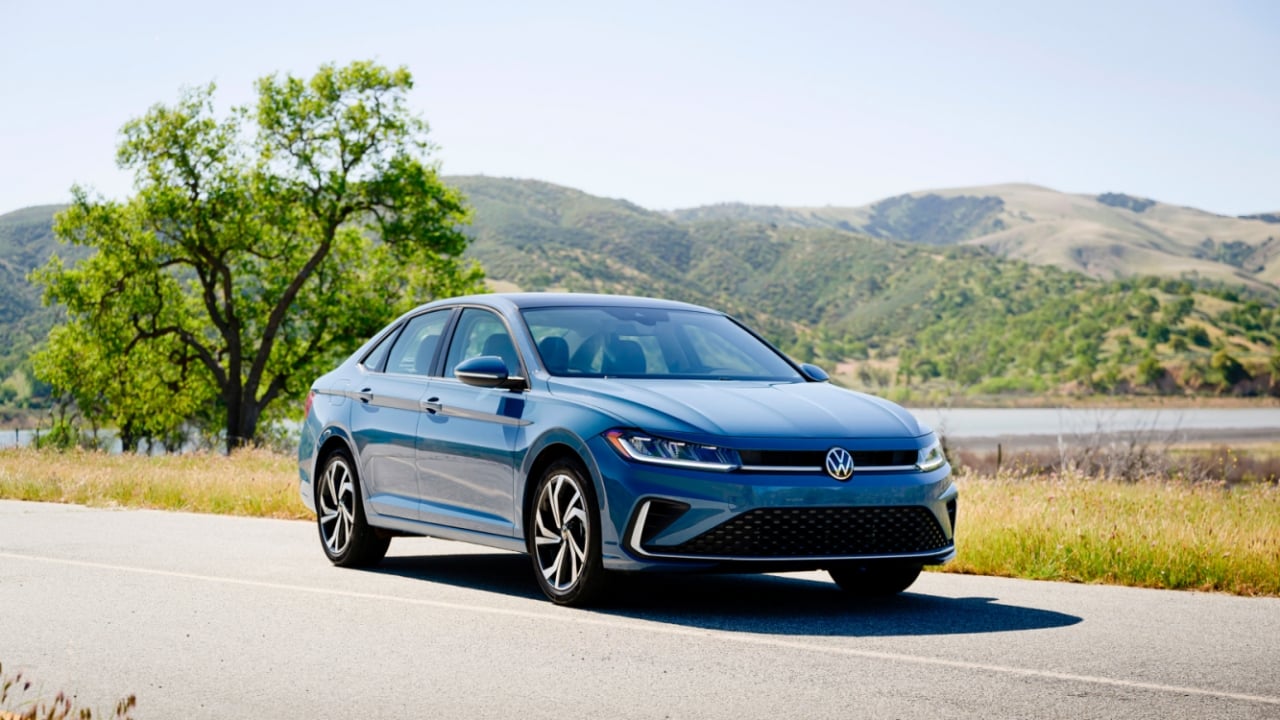
The potential consequences extend beyond Volkswagen’s balance sheet. Blume’s desire to remove another 500,000 units of European production capacity could ultimately affect factories, employment levels, and the number of vehicles offered across the group’s brands.
No definitive list of threatened models has been announced. Less successful or overlapping products would naturally come under scrutiny during any portfolio review, although reports suggesting specific models could disappear should be treated as possibilities rather than confirmed cancellations.
Labor representatives are drawing a harder line around manufacturing sites. Benner has said labor will not accept factory closures and wants management to explore other methods of cutting costs before plants are sacrificed.
That could set up difficult negotiations inside Volkswagen. Reducing capacity without closing factories or dramatically cutting employment becomes challenging when the company simultaneously wants significantly better margins.
Volkswagen Still Needs To Find Growth
Cost cutting is only one half of the equation. Volkswagen also needs vehicles that can generate stronger sales and healthier margins, particularly in markets where the brand has room to expand.
One possibility is an American-market pickup. Volkswagen has been evaluating whether it could enter the segment, potentially targeting midsize trucks rather than challenging the Ford F-150, Chevrolet Silverado, and Ram 1500 directly.
No production decision has been announced, making the truck another piece of Volkswagen’s still-evolving strategy rather than a guaranteed future product. A successful pickup could nevertheless give the brand access to a valuable corner of the U.S. market that its current lineup largely ignores.
The question is whether Volkswagen can combine that growth with the sweeping efficiency improvements Blume wants. An 8% to 10% operating return would represent an impressive turnaround, but management still needs to demonstrate how it gets there without inflicting unacceptable damage on factories, employees, or the product portfolio.
For Benner and Volkswagen’s labor representatives, that’s where the current plan falls short. The destination might look attractive on a spreadsheet, but they want Volkswagen to prove there’s a realistic road leading to it.