Buying a cheap car and owning a cheap car are two very different things. Fuel, insurance, maintenance, taxes, and registration fees can quickly turn an apparently sensible purchase into something far less friendly to your bank account.
A new study from Self, a financial technology company, has examined 50 popular new vehicles in the U.S. and calculated what each one costs to keep on the road for a year. The results contain a few obvious names, several surprises, and one particularly strange winner.
Some expensive performance cars predictably landed near the wrong end of the table, while hybrids generally performed extremely well. Electric cars were less dominant than you might expect once insurance and other ownership expenses entered the equation.
The cheapest vehicle of the entire group, however, is a tiny Italian EV that American car shoppers have shown very little interest in buying.
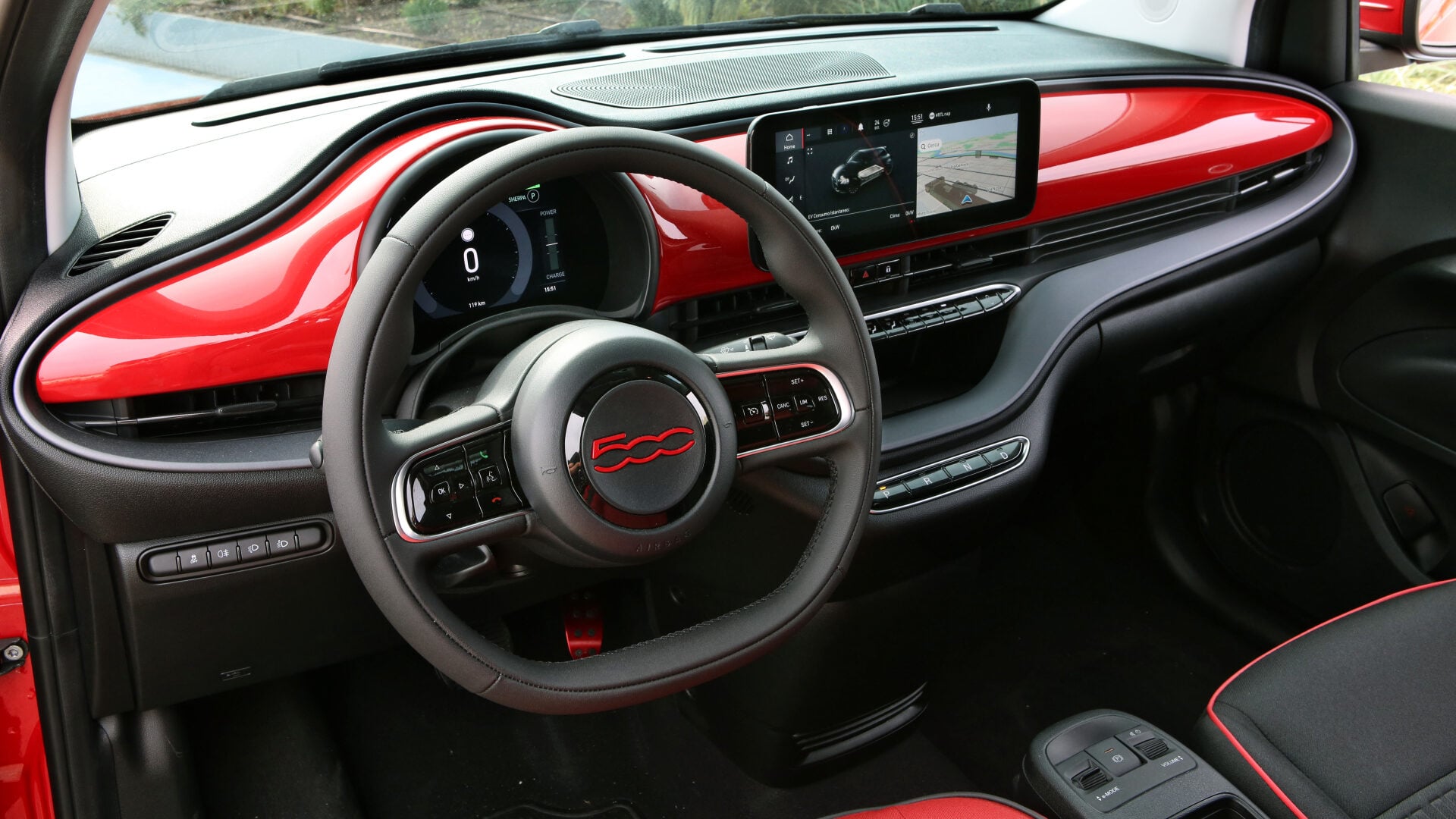
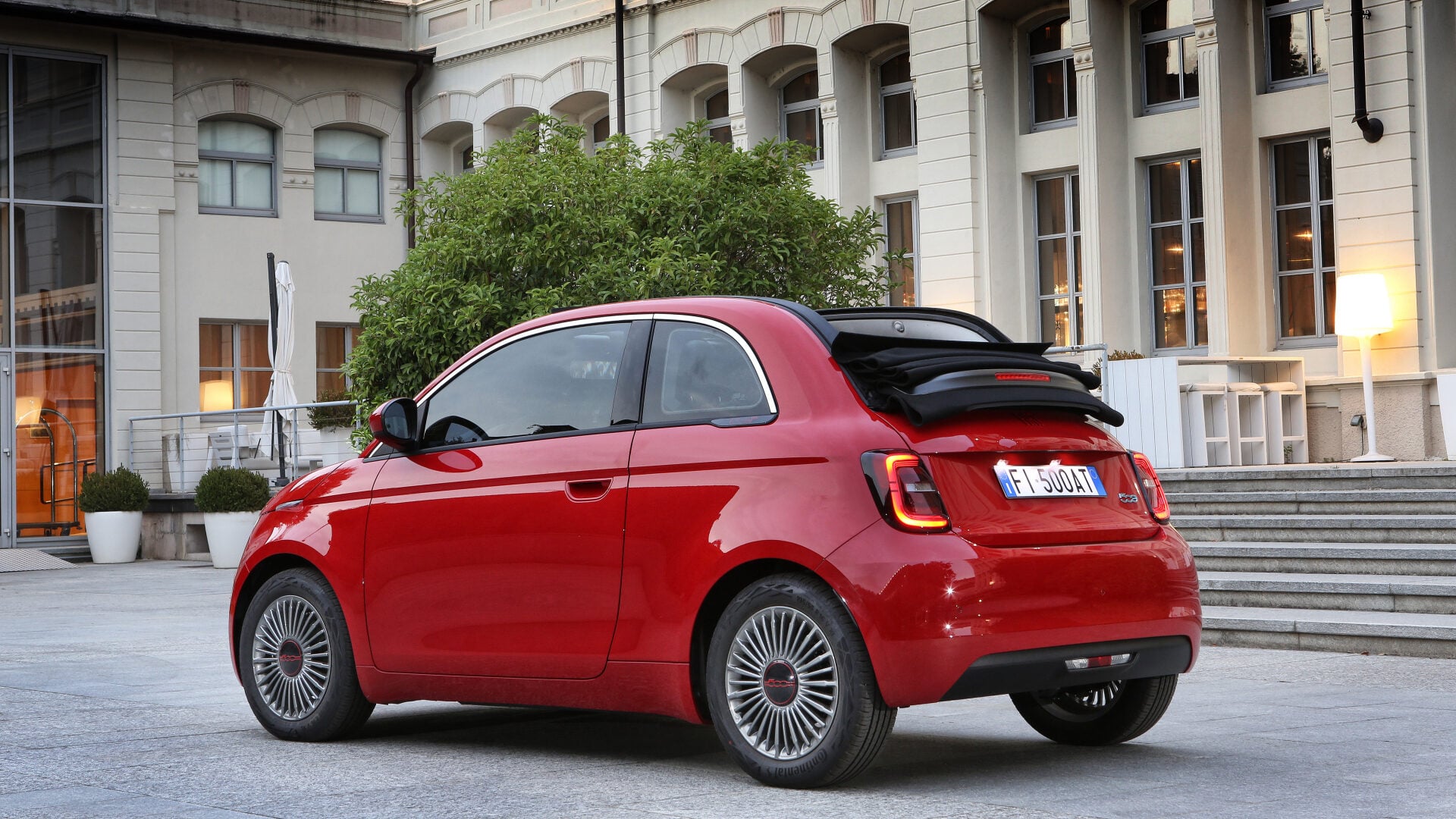
Fiat 500e Costs Just $3,557 Per Year To Run
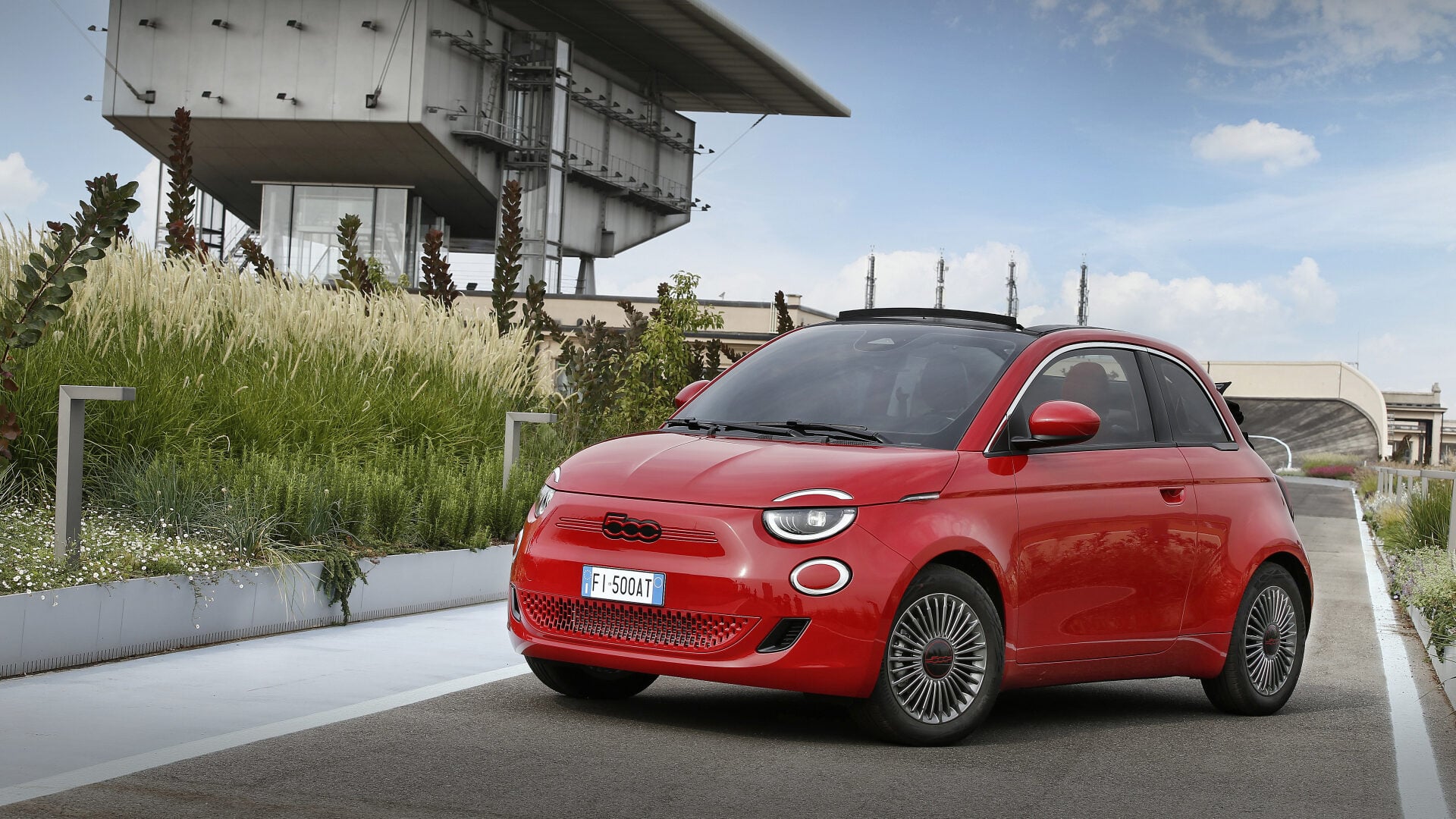
According to Self’s analysis, the Fiat 500e carries estimated annual running costs of only $3,557. That’s comfortably ahead of the Honda Civic Hybrid at $4,833 and the Hyundai Elantra N, which the study places third at $4,904.
The little Fiat’s biggest advantage is that nearly every individual expense is comparatively low. Self estimates annual electricity costs at $779, maintenance at $1,275, insurance at another $779, and annual fees and taxes at $724.
Those figures are well below the overall averages in the study. Across all 50 vehicles analyzed, the typical car costs $6,913 per year to operate, meaning the Fiat comes in at almost half that amount.
The catch is that relatively few Americans seem interested in owning one. Fiat’s tiny electric hatch has struggled badly in the U.S. market, despite discounts and its low day-to-day operating costs, making its victory here somewhat ironic. Only 150 units were sold in the first half of 2026, whereas 788 found a home by the same mark last year.
Hybrids Beat EVs Overall
Perhaps the study’s most interesting finding is that electric vehicles did not emerge as the cheapest category overall. Hybrids took that crown, averaging $5,734 per year compared with $6,189 for fully electric cars and $7,025 for gasoline-powered models.
EVs unsurprisingly had the lowest energy expense, averaging just $829 annually. However, their average insurance bill of $2,423 and fees and taxes of $1,331 were higher than the equivalent costs for hybrids.
Hybrid owners in the study paid an average of $1,228 for fuel, $1,714 for maintenance, $1,829 for insurance, and $963 in fees and taxes. That combination was enough to make them the most affordable powertrain category within this particular 50-car sample.
Other relatively inexpensive models included the Nissan Versa at $4,949 per year, Toyota Camry Hybrid at $5,031, Honda Accord Hybrid at $5,047, and gasoline-powered Honda Civic at $5,062.
Insurance Is Now A Bigger Expense Than Fuel
Running a car has become noticeably more expensive since Self last conducted the study in 2024. The average yearly total increased from $6,462 to $6,913, a rise of $451.
Interestingly, fuel costs actually moved in the opposite direction within the dataset. Average annual fuel and electricity expenditure dropped from $2,246 in 2024 to $1,727 this year, partly because the latest study includes a larger number of hybrids and EVs.
Insurance has instead become the single biggest average expense. The typical annual insurance cost increased from $1,763 to $2,219, while maintenance climbed from $1,633 to $1,817 and fees and taxes rose from $820 to $1,151.
That shows why simply choosing the most efficient vehicle does not automatically guarantee the lowest ownership cost. Cheap energy can be partially cancelled out by expensive insurance, registration, or maintenance.
A Porsche 911 Sits At The Other Extreme
At the opposite end of Self’s ranking sits the Porsche 911, with estimated annual running costs of $10,832. Maintenance alone comes to $3,149, while insurance is estimated at $2,906 and fees and taxes at $2,530.
The Audi RS 7 follows at $10,334, with the Cadillac CT5-V Blackwing at $10,265 and Chevrolet Corvette at $10,213. The Lucid Air rounds out the five most expensive at $10,049, despite having one of the lowest energy costs in the entire study.
The Lucid is an especially good example of why EV ownership costs can vary so dramatically. Self’s estimates are only $699 per year for electricity, yet insurance reaches $4,655, the highest figure among the vehicles analyzed.
Self’s calculations are based on 15,000 miles of annual driving, a 50/50 mix of city and highway use, gasoline priced at $2.953 per gallon, and electricity at $0.176 per kWh. Depreciation and finance costs were analyzed separately, so neither is included in the annual running-cost figures above.
That means the Fiat 500e’s victory doesn’t necessarily make it the cheapest car for every American to own, especially once purchase price, resale value, local insurance rates, and individual driving habits are considered. Within the study’s assumptions, though, the EV few buyers seem to want is apparently the one that asks the least from your wallet after you’ve bought it.