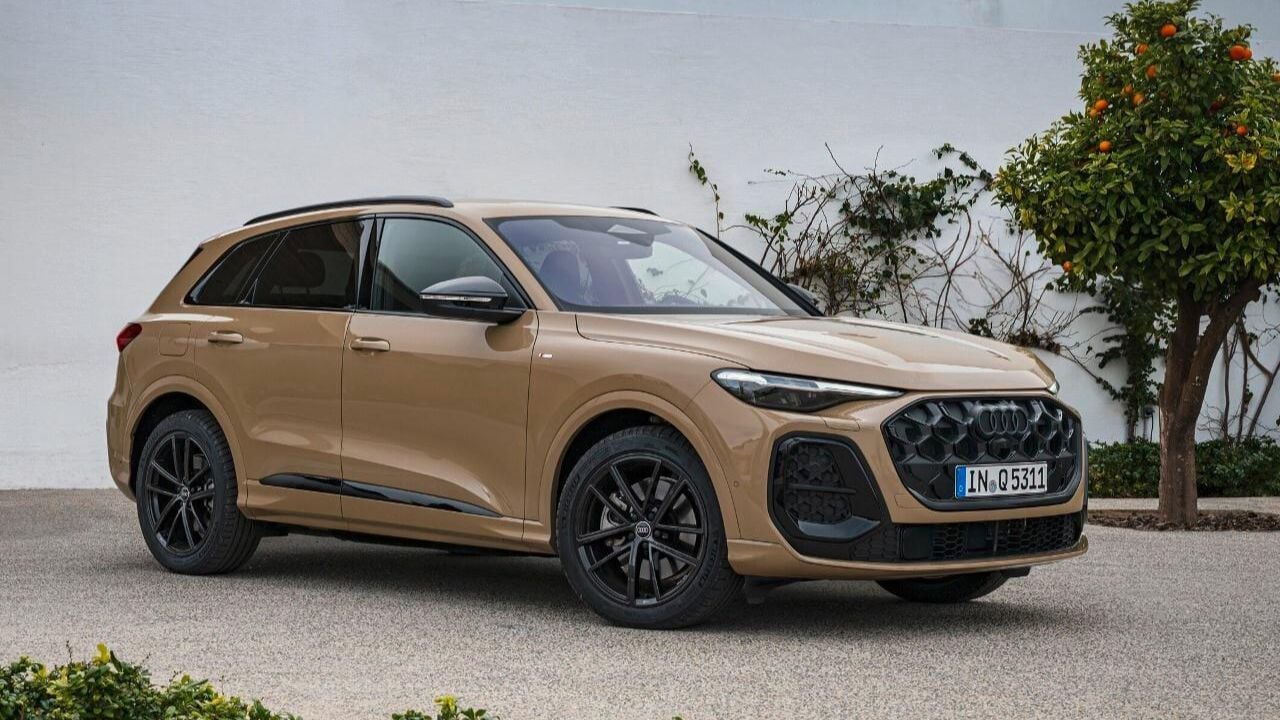
A quieter fight is starting to take shape inside the Volkswagen Group, and Audi is right in the middle of it as Oliver Blume pushes a broader cost cutting drive across the company.
That matters because Audi has already taken painful steps, including the closure of its Brussels plant on February 28, 2025, and a separate agreement to cut up to 7,500 indirect jobs in Germany by 2029.
Even after those moves, the pressure has not eased. Audi’s 2025 operating margin came in at 5.1%, and U.S. tariffs alone hit the group by about $1.4 billion last year.
So the next chapter may come down to two questions at once: how much of Audi’s German base can be protected, and whether the brand can get its next electric products to market fast enough to stop losing ground.
Cost Pressure Moves Closer
Reuters reported in February that Volkswagen wants to cut costs by 20% across all brands by the end of 2028. That plan came with plant closures still on the table, even as the core VW brand continues a broader overhaul tied to 35,000 German job cuts by 2030.
For Audi, that is an especially sensitive backdrop because the company and its works council only reached a major future agreement in March 2025. That deal extended job protection at German sites through 2033 and committed around $9.4 billion in investment through 2029.
The same agreement also gave Neckarsulm a $295 million future fund and a larger role in AI and digitalization. That does not make the plant untouchable, but it does mean any new pressure there would collide with promises Audi made very publicly just a year ago.
The U.S. And China Problem
Audi’s problems are not limited to Germany. The brand still has no factory of its own in the United States, and Reuters said North America deliveries fell 27% in the first quarter of 2026, while Bloomberg reported in January that plans for a possible U.S. Audi plant were not progressing under the current tariff environment.
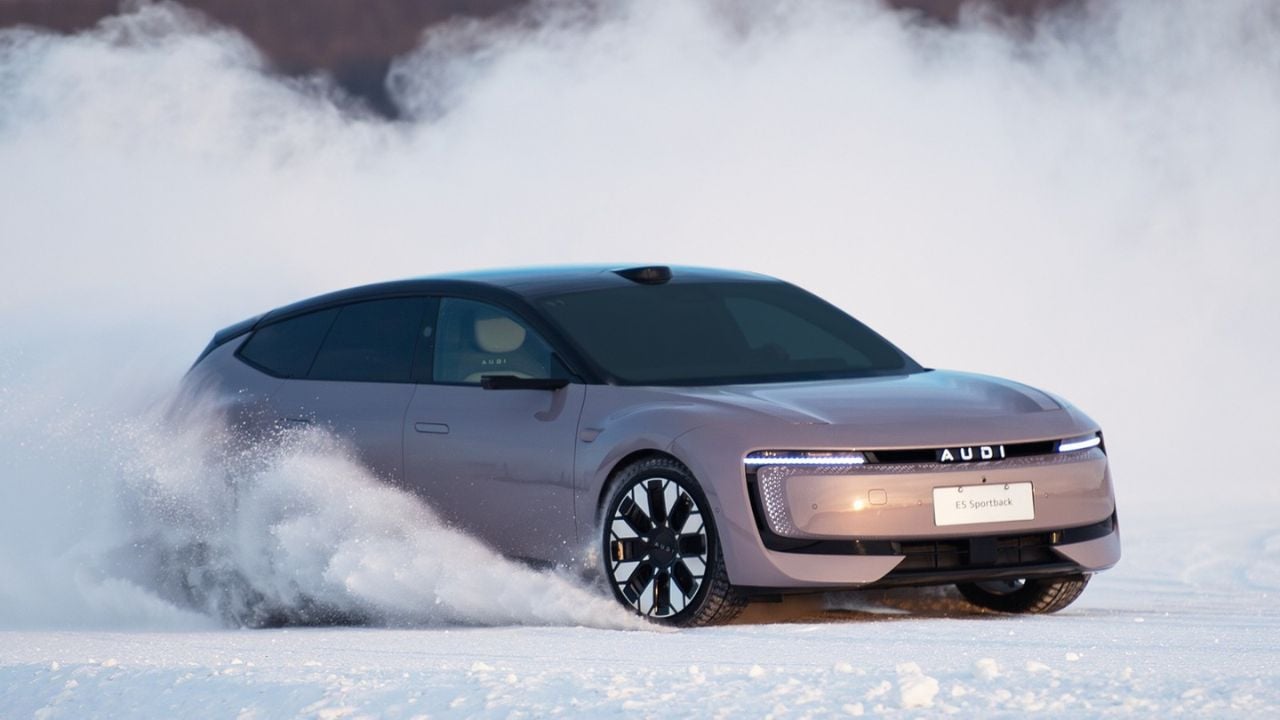
China is not offering an easy escape either. Audi’s first quarter deliveries there fell 12% to 127,109 units, while Reuters reported this week that the China only AUDI E5 Sportback has now reached 10,000 sales since September and rebounded in March after a weak start to the year.
Audi’s own 2025 figures show that business in China still contributed about $594 million to financial result, which helps explain why the brand cannot afford to lose momentum there even during a difficult transition. Put together, the U.S. tariff squeeze and China slowdown are making the cost debate inside the group much harder for Audi to control.
Germany Still Carries The Bet
Audi is still tying a big part of its recovery story to Germany. The company has officially confirmed that the new A2 e-tron will be unveiled in fall 2026 and built in Ingolstadt as a new entry point into its electric range.
That matters because Audi is not treating its German plants as legacy assets waiting to be trimmed down. In March, Gernot Döllner said the A2 e-tron and the Q9 will be two of the brand’s key launches in 2026, while the 2025 site agreement already assigned Ingolstadt another electric model and reserved future development work for Neckarsulm.
In other words, Germany is still supposed to do more than hold existing volume. Audi is asking its home operations to support manufacturing, digital development, and the public reset of the brand at the same time.
The 2028 EV Test
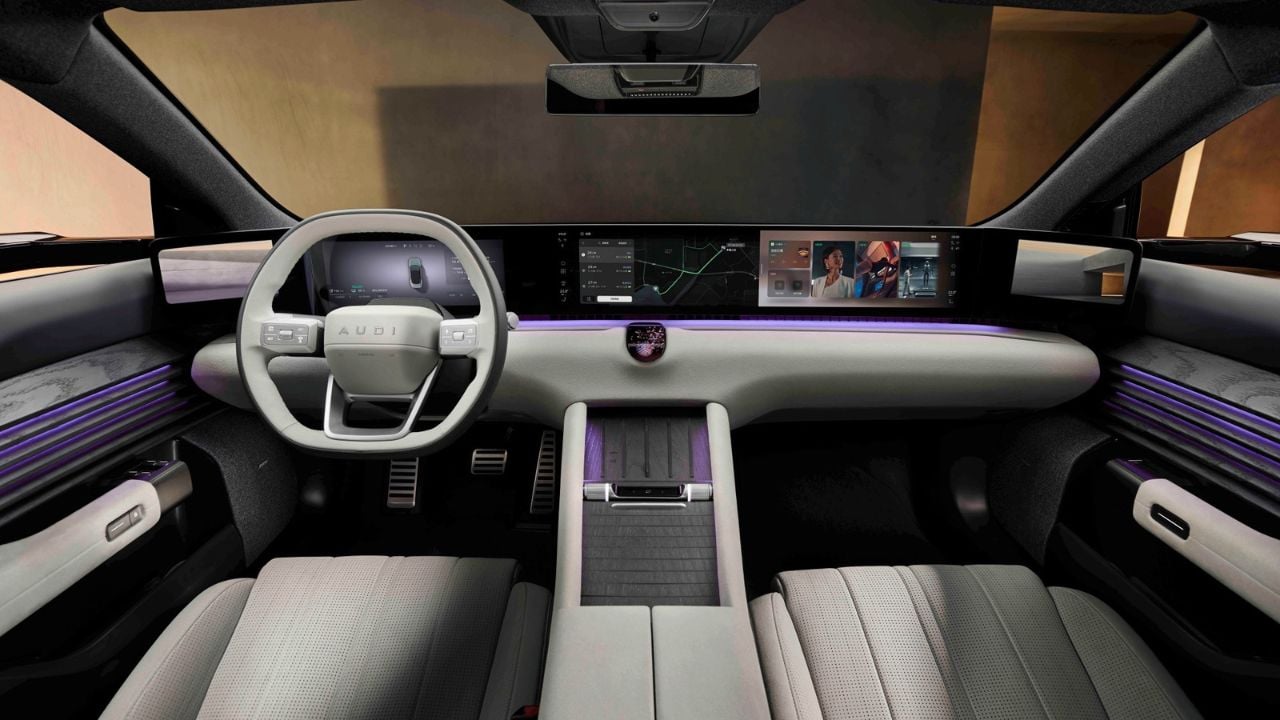
The bigger strategic risk sits a little further out. Döllner has said the first Audi using the new E/E architecture from RV Tech, the Volkswagen Group’s joint venture with Rivian, is due as early as 2028.
That timing matters because industry reports still tie the return of the electric Audi A4 to the SSP platform, which would also put it in 2028 territory. By then, BMW has already revealed the new i3 as the second Neue Klasse model, and reporting around Mercedes points to production of an electric C Class beginning in 2026.
That leaves Audi with very little room for delay in the mid size EV segment. If the group’s software and platform timetable slips again, Audi will not just be managing another internal cost battle, it could arrive late to one of the most important premium electric fights in the market.
This article originally appeared on Autorepublika.com and has been republished with permission by Guessing Headlights. AI-assisted translation was used, followed by human editing and review.