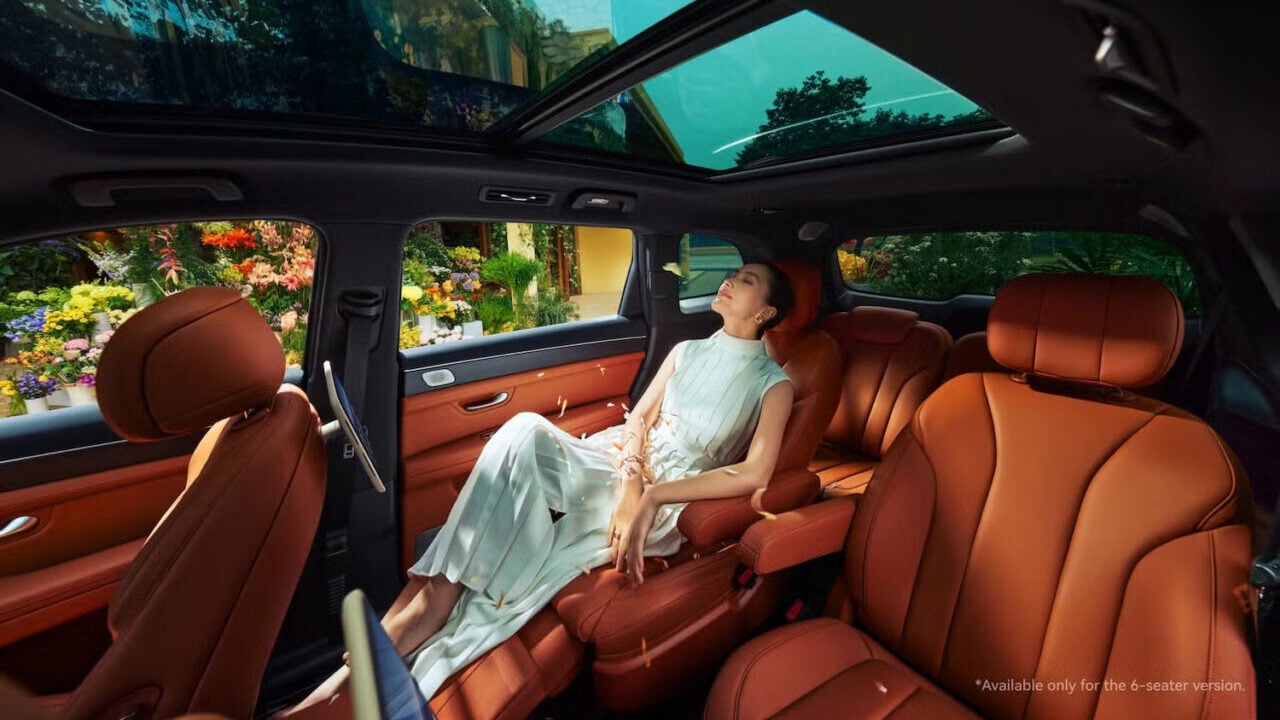
China’s automakers have spent the last few years turning vehicle cabins into rolling living rooms. Reclining seats, massage functions, ottomans, and lounge-like interiors have become some of the most sought-after features in the country’s fiercely competitive EV market.
Those comfort-focused features have helped many Chinese brands stand out from traditional automakers. As manufacturers race to offer the most luxurious and technologically advanced cabins, features once reserved for flagship limousines are rapidly becoming mainstream.
Now, however, regulators are beginning to question whether some of these innovations have gone too far. According to Reuters, Chinese authorities have raised concerns that one of the industry’s most popular interior trends could compromise occupant safety during a crash.
The focus is on so-called “zero-gravity” seats, which allow passengers to recline deeply into a near-lounging position. While they may be excellent for comfort, regulators worry they could create unintended risks when things go wrong.
China’s Love Affair With Zero-Gravity Seats
Zero-gravity seats have become increasingly common across China’s booming EV market, particularly in premium SUVs, MPVs, and luxury sedans. Unlike traditional vehicle seats, these systems often combine deep reclining functions with extendable leg rests, massage programs, heating, ventilation, and multiple adjustment settings.
The result is an experience designed to resemble a first-class airline seat rather than a conventional car interior. The feature has become a major selling point for many Chinese brands looking to differentiate themselves from rivals.
As vehicle interiors become increasingly focused on comfort, entertainment, and autonomous-driving readiness, manufacturers have invested heavily in creating cabin environments that encourage passengers to relax rather than simply sit upright.
Safety Concerns Are Emerging
Draft regulations released by China’s Ministry of Industry and Information Technology (MIIT) suggest that comfort could come at a cost.
The ministry warned that occupant safety may not be guaranteed when seats are positioned in heavily reclined or semi-reclined positions during a collision. Regulators are concerned that existing seatbelt systems, airbags, and crash protection technologies may not perform as intended if occupants are not sitting in the position safety systems were originally designed around.
The draft rules form part of a bigger package of proposed safety regulations covering vehicle seating, head restraints, and EV battery recycling.
Public consultation on the proposed measures will remain open until July 25 before authorities decide whether to move forward with mandatory requirements.
Why Reclined Seats Create Challenges
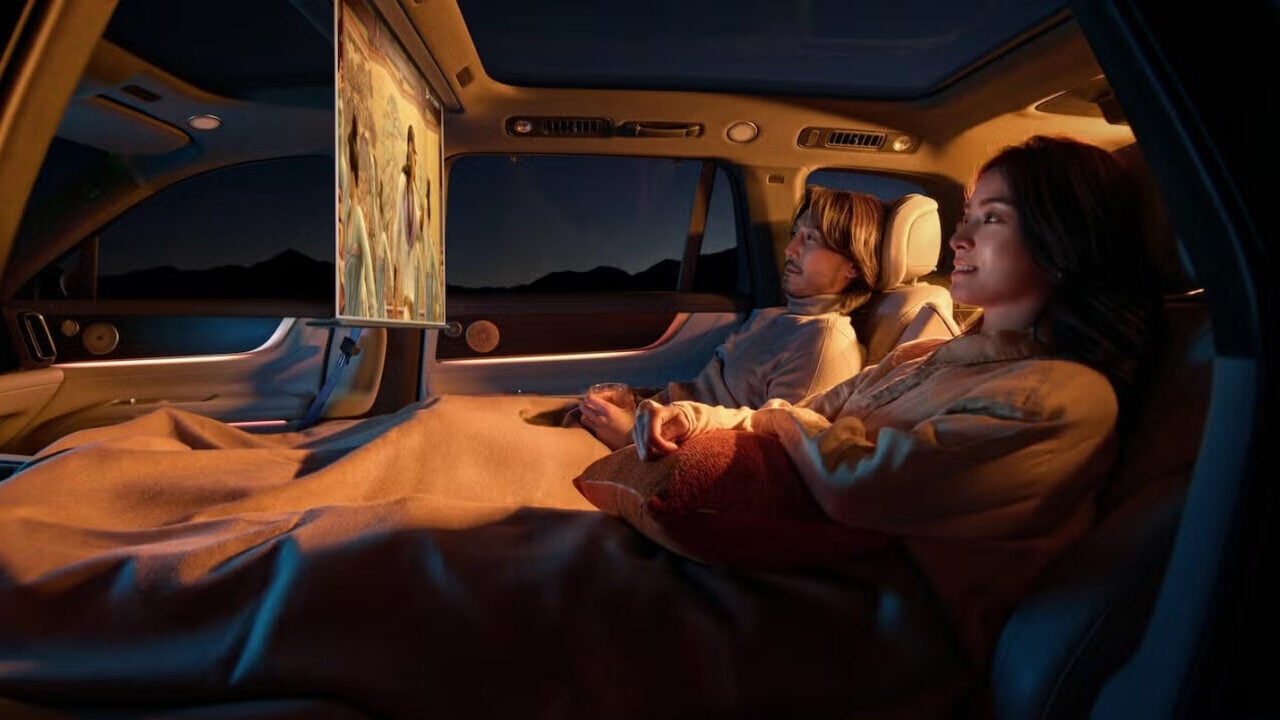
The concern is relatively straightforward from an engineering perspective. Modern vehicle safety systems are calibrated around occupants sitting in fairly predictable positions. Seatbelts, airbags, and crash structures are all designed to work together under those assumptions.
When a passenger reclines significantly, their body moves away from the position engineers expect during a collision. This can increase the risk of “submarining,” where an occupant slides underneath the seatbelt during a crash, potentially leading to more serious injuries.
Airbags may also deploy differently than intended if a passenger’s head and torso are positioned far from their expected locations.
As automakers continue experimenting with more flexible seating arrangements, ensuring crash protection remains effective becomes increasingly complex.
Automakers Are Already Exploring Solutions
Rather than abandoning the concept altogether, some manufacturers are looking for ways to make reclining seats safer. Toyota, for example, recently filed a patent that addresses some of these concerns. The system would monitor seat position and automatically adjust occupant posture if a crash appears imminent.
The patent also describes inflating lumbar support areas to help reduce the risk of occupants sliding beneath their seatbelts during an impact.
While such systems remain under development, they illustrate how automakers are trying to balance growing demand for comfort with increasingly stringent safety requirements.
Part Of Larger Regulatory Changes
The scrutiny of zero-gravity seats is not happening in isolation. Chinese regulators have recently taken a closer look at several popular automotive technologies that became widespread during the country’s rapid EV expansion. Hidden door handles have already been targeted by new regulations, with restrictions scheduled to take effect from 2027.
Authorities have also reportedly expressed concerns about touchscreen-heavy interiors that eliminate physical controls for critical functions. Steering yokes and other unconventional control systems have similarly attracted regulatory attention.
In many ways, the latest proposal reflects a broader shift within China’s automotive industry. After years of encouraging innovation and pushing technological boundaries, regulators are increasingly focused on ensuring that convenience, comfort, and futuristic design do not come at the expense of safety.
As Chinese automakers continue leading the industry in cabin technology, finding the right balance between innovation and occupant protection may become one of their biggest challenges.