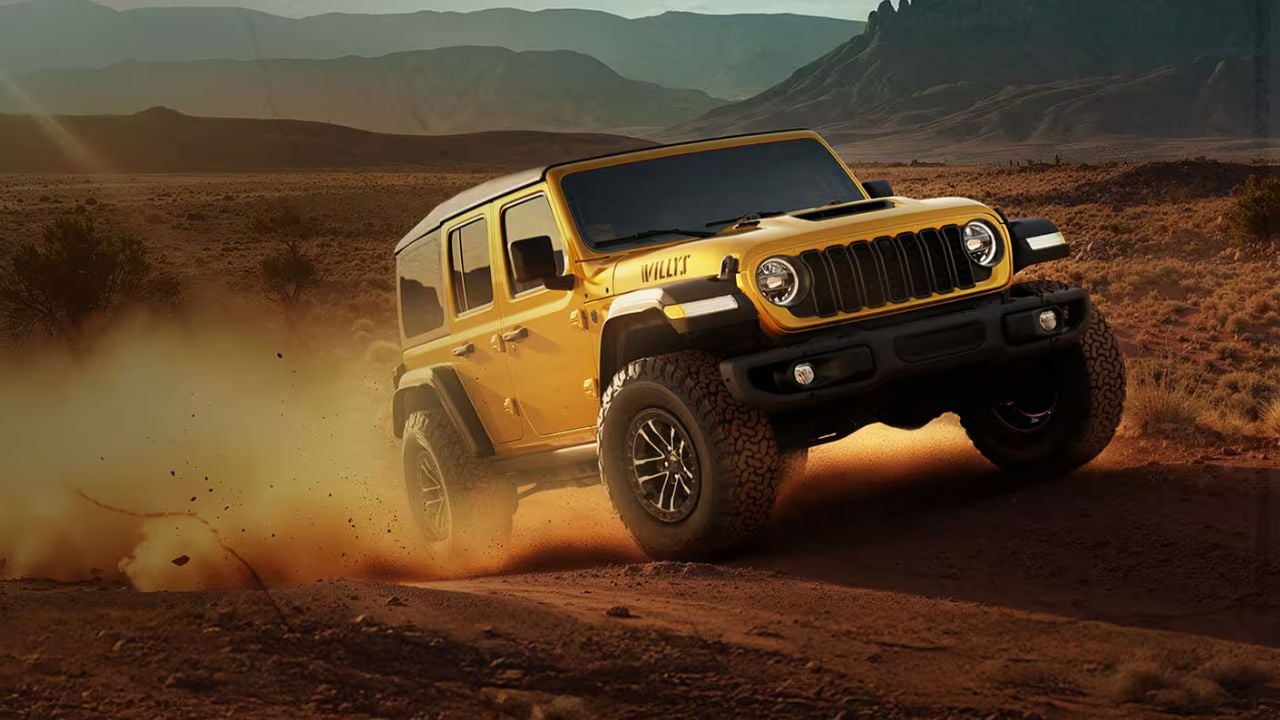
Jeep may be known for six-figure Wranglers and luxurious Grand Wagoneers these days, but the brand insists affordability still plays a key role in its future plans. While premium models continue to generate headlines and healthy profits, company executives say Jeep isn’t abandoning buyers shopping at the lower end of the market.
In fact, Jeep believes it can successfully serve both audiences at once. Few brands offer a lineup that stretches from compact crossovers under $30,000 to full-size luxury SUVs costing well into six-figure territory.
When talking to Autoblog, Richard Cox, Senior Vice President of Jeep Product Planning, said that broad appeal is one of the company’s greatest strengths. Buyers may come to Jeep for different reasons, but they often stay because of the brand’s unique identity and loyal customer base.
As Jeep prepares for its next phase of growth, the company says future success won’t simply come from launching more expensive vehicles. It will also involve making existing products better value for money and introducing more affordable options across the lineup.
A Brand That Covers Both Ends Of The Market
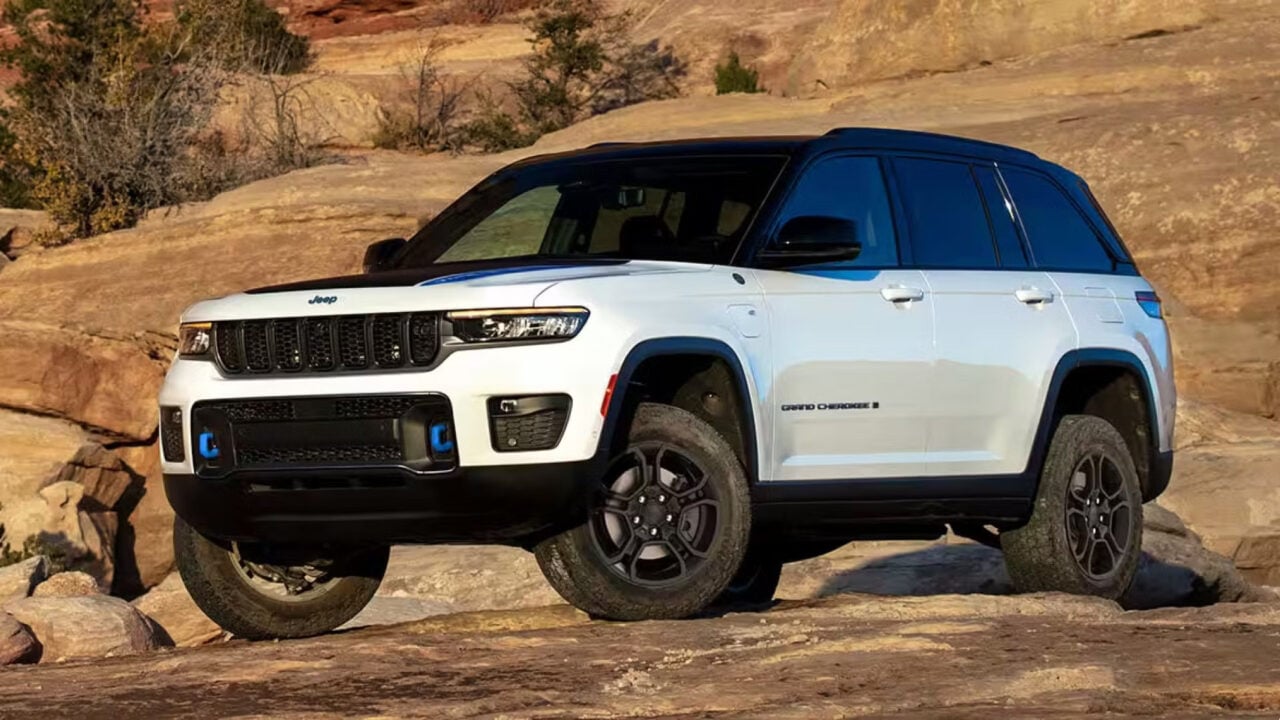
Jeep occupies a unique position in the automotive industry. A customer walking into a showroom today can choose between a rugged Wrangler built for serious off-road use or a premium Grand Cherokee loaded with luxury features such as massage seats and rear-seat entertainment systems.
Despite serving very different purposes, both vehicles carry the same Jeep badge. Cox points to this dual identity as one of the brand’s biggest advantages.
The Wrangler remains Jeep’s ultimate adventure vehicle and one of the most recognizable off-roaders on the planet. At the same time, models like the Grand Cherokee continue to dominate the midsize SUV segment by combining comfort, capability, and premium features.
Jeep also continues expanding special editions and performance models, with products like the Wrangler 392 and other upcoming variants helping maintain excitement around the brand.
Jeep Buyers Are Getting Wealthier
One of the more surprising revelations from Jeep’s internal data is that its customer base is becoming increasingly affluent. According to Cox, buyers are generally younger and wealthier than many people might assume, and that trend extends across much of the lineup.
Whether it’s the Compass, Cherokee, Grand Cherokee, or Wrangler, Jeep continues attracting customers willing to spend more for vehicles that align with the brand’s image and capabilities.
That loyalty remains one of Jeep’s strongest assets, as Cox says between 40% and 60% of Jeep customers don’t seriously consider another brand when shopping for their next vehicle. Past ownership experience and the reputation of the Jeep name continue to drive repeat purchases at impressive levels.
The notable exception is the Grand Wagoneer, where approximately 85% of buyers are reportedly new to the Jeep brand altogether.
Affordable Models Are Still Important

Despite its success with expensive SUVs, Jeep acknowledges that affordability remains critical. During Stellantis’ recent Investor Day presentation, executives highlighted plans to significantly increase the number of vehicles available below the $40,000 mark.
The company intends to expand from just two entries in that price range today to nine models across its future product plan, and Jeep is expected to play an important role in that strategy.
The recently introduced Cherokee starts at around $35,000, while the aging Compass remains the brand’s most affordable offering with a starting price below $30,000. A next-generation Compass is already available in Europe, although its North American launch timeline remains unclear.
Future products are expected to help strengthen Jeep’s presence in more accessible price segments without sacrificing the characteristics buyers associate with the brand.
It’s Not Just About Lower Prices
Jeep’s strategy extends beyond simply introducing cheaper vehicles. According to Cox, the company is equally focused on increasing value throughout the existing lineup. That means reducing option costs, simplifying trim structures, and bundling more equipment into standard packages.
The company recently launched what it calls the “Jeep Reset,” an initiative aimed at making its vehicles more attractive without dramatically lowering base prices.
Several popular Wrangler options have already become more affordable. The 35-inch tire package, for example, dropped from roughly $5,000 to $3,000, while the Sky One-Touch power roof received a similar price reduction.
Additional paint choices, upgraded lighting packages, and other commonly selected features are also being offered at lower cost or included as standard equipment.
Balancing Premium Growth With Mainstream Appeal
Jeep’s challenge moving forward will be maintaining its premium momentum without losing sight of mainstream buyers.
The brand has successfully moved upmarket in recent years, particularly with vehicles like the Grand Wagoneer and high-end Wrangler variants. At the same time, rising vehicle prices across the industry have left many consumers searching for more affordable alternatives.
Jeep appears determined to address both ends of the market. By introducing more sub-$40,000 products while simultaneously improving value across existing models, the company hopes to preserve its loyal customer base while attracting new buyers who may have previously viewed the brand as out of reach.
For Jeep, the goal isn’t necessarily to become the cheapest option in every segment. Instead, it’s to convince customers they’re getting more for their money, whether they’re shopping for a compact crossover or a luxury SUV with a six-figure price tag.